Newsletters




Israeli warplanes launched airstrikes across western and central Iran early Monday, striking multiple military targets and a petrochemical facility.
The bombardment came hours after Tehran fired missile barrages toward northern Israel. That Iranian attack was itself a retaliation for an earlier Israeli strike on Beirut’s southern suburbs in Lebanon.
The attacks came despite U.S. President Donald Trump's appeal to avoid further escalation and his confidence that a deal with Iran remained within reach, while Yemen's Houthis added to the tensions by launching a ballistic missile toward Israel.
Explosions were reported in Tehran, Tabriz, Isfahan, and near the city of Karaj, according to Iranian media. The Israeli military announced that its air force targeted military sites linked to the Iranian government in western and central Iran.
Iran's Islamic Revolutionary Guard Corps (IRGC) later stated that Israel used air-launched ballistic missiles in attacks on locations inside the country.
Iranian officials reported that a petrochemical complex in Mahshahr, located in the southwestern province of Khuzestan, was among the sites hit. According to Mehr News Agency, Khuzestan Deputy Governor Valiollah Hayati said parts of the Karun Petrochemical Company were damaged after munitions struck the facility.
"A short while ago, the Karun Petrochemical Company in Mahshahr came under an airstrike by the Zionist enemy. Some sections of this industrial facility were damaged after the launched munitions hit their targets," Hayati said.
He added that preliminary assessments showed no fatalities or injuries, while details on the extent of the damage would be released later. The Israeli military separately confirmed that it struck several targets at the Mahshahr petrochemical facility.
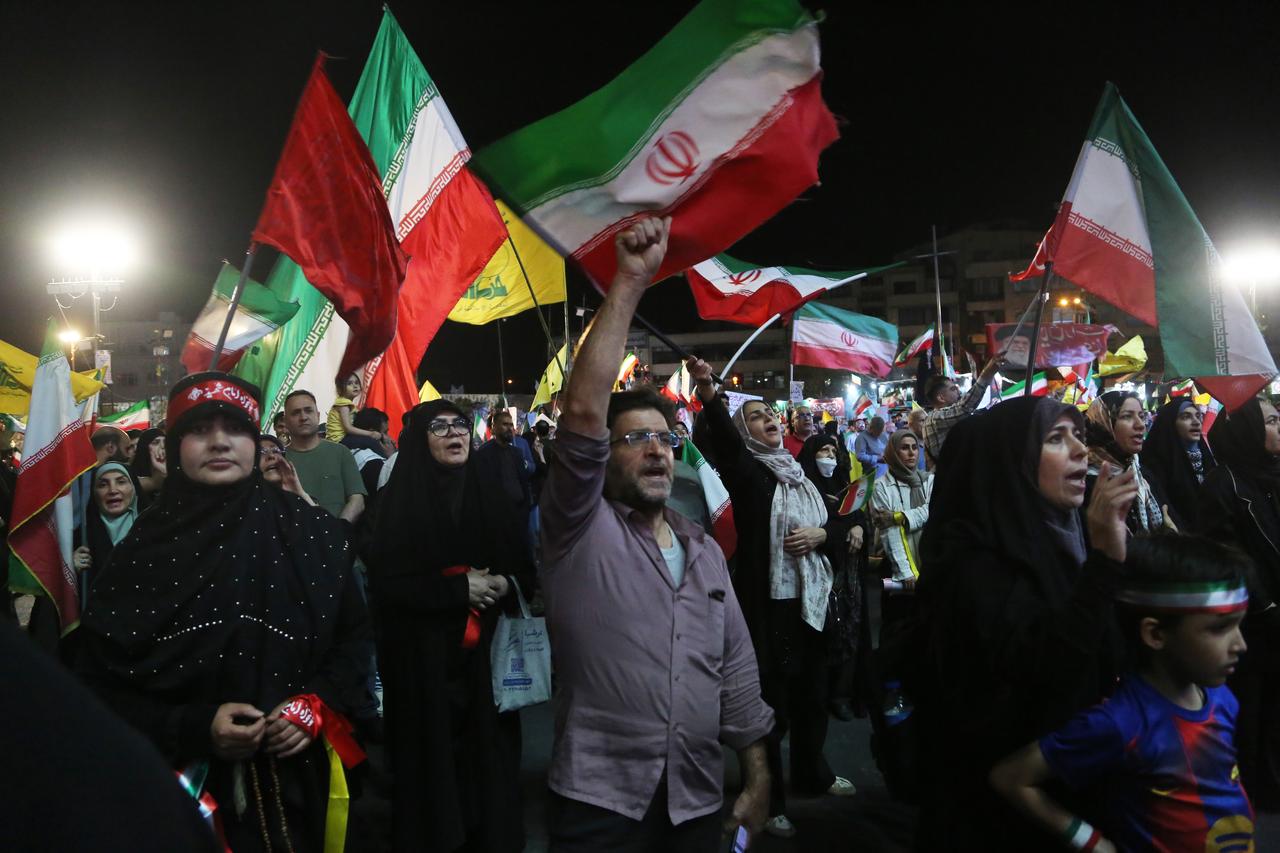

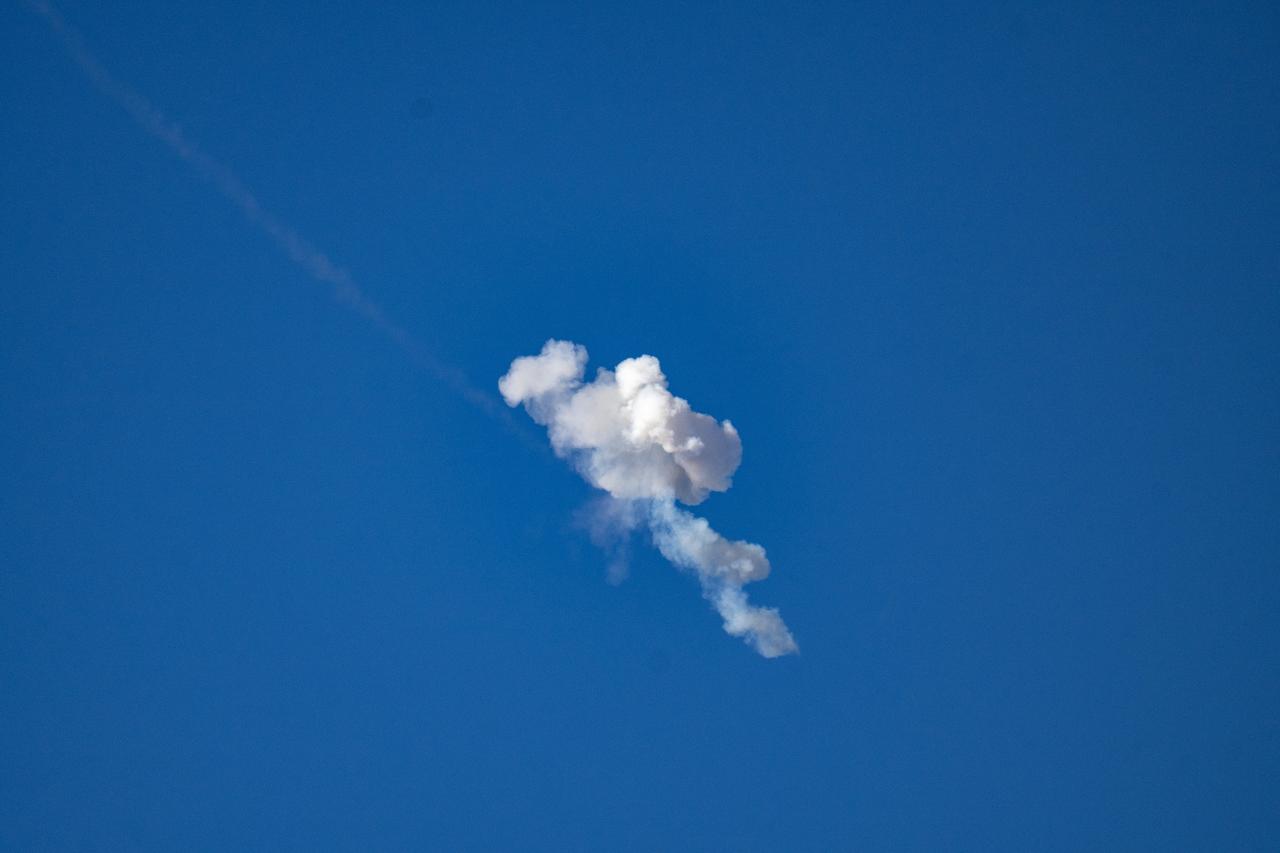
In Yemen, the Houthis launched a ballistic missile toward Israel following the strikes on Iran, marking their first missile attack on Israel since a ceasefire agreement with the U.S. took effect on April 8.
The Israeli military reported detecting the launch and activating air raid sirens across broad areas of central Israel and in Israeli settlements in the occupied Palestinian territories. It later announced that the missile had been intercepted by air defense systems.
Israeli media reported that warning sirens sounded in Tel Aviv and other parts of central and southern Israel after the missile was detected.
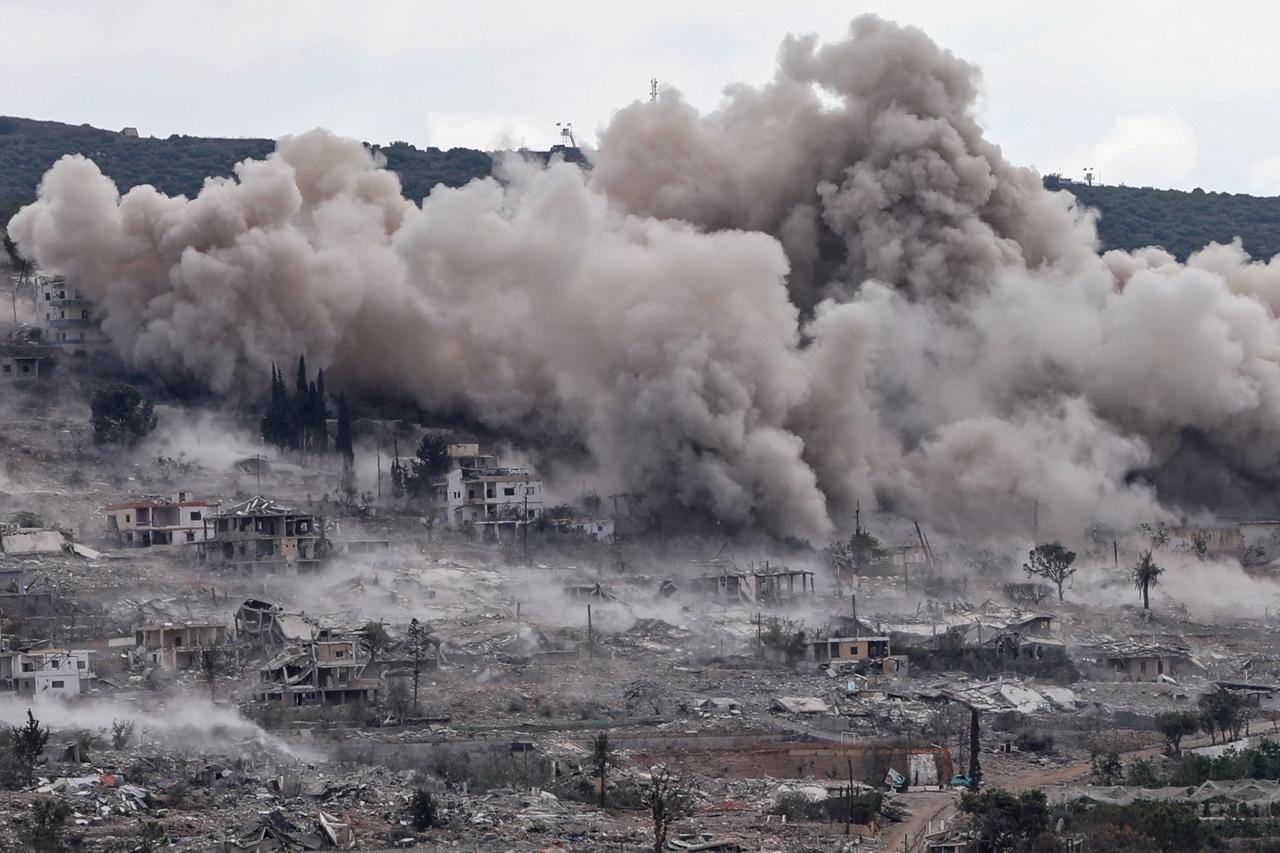
The strikes followed overnight missile launches from Iran, which targeted the Ramat David Air Base in response to Israeli strikes in southern Lebanon and Beirut's Dahiyeh district, actions Tehran called violations of a ceasefire accepted on April 8.
In a statement, the IRGC argued that the ceasefire was contingent on an end to hostilities across all fronts and accused Israel and the United States of failing to honor that commitment. It described the missile attack as a warning and said any further escalation could draw a broader response targeting both Israeli and American interests in the region.
Following Monday's Israeli strikes, the IRGC said it had targeted Israel's Nevatim and Tel Nof air bases in what marked the most serious escalation since the April ceasefire took effect, adding the operation was carried out in retaliation for Israeli missile attacks on several radar installations inside Iran.

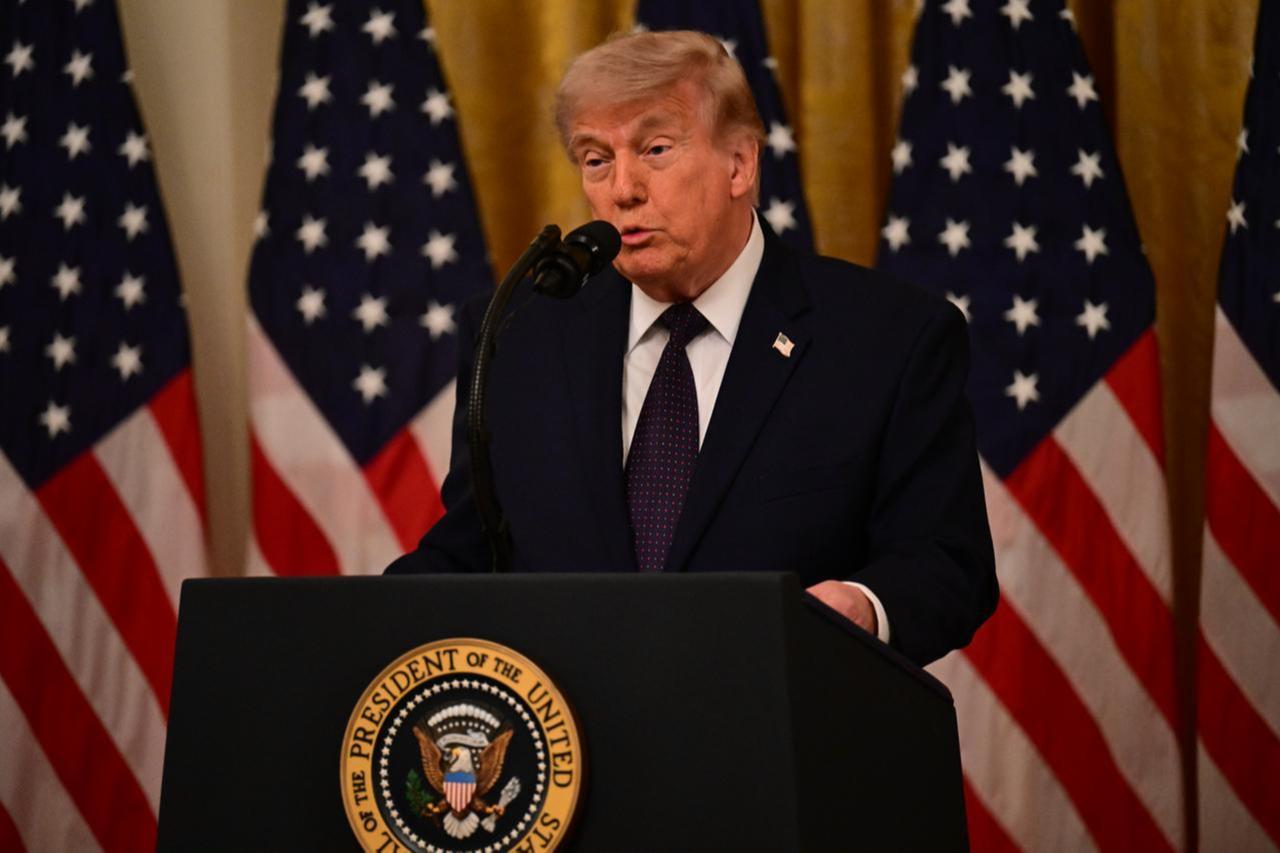
Speaking to Fox News on Sunday after Iran's missile launches, U.S. President Donald Trump urged Tehran to return to negotiations while calling on Israel to avoid further retaliation. "You've shot your missiles, that's enough. Get back to the table and make a deal," Trump said.
He added that he believed an agreement with Iran could be reached within days.
According to Axios, a senior U.S. official said Washington had not authorized Israel's strike on Beirut and that Trump urged Israeli Prime Minister Benjamin Netanyahu during a phone call to hold off on additional military action while diplomatic efforts continued.
The official described the conversation as calmer than previous exchanges and said Trump remained convinced that a deal with Tehran was still within reach.
Trump also stressed that the Israeli strikes in Lebanon were "not coordinated with the United States" and voiced frustration over the operation. He further noted that Iran's missile attack caused no casualties and warned that further retaliation could deepen the conflict.


 Set as preferred source
 Set as preferred source


 1 min read
 1 min read