Newsletters


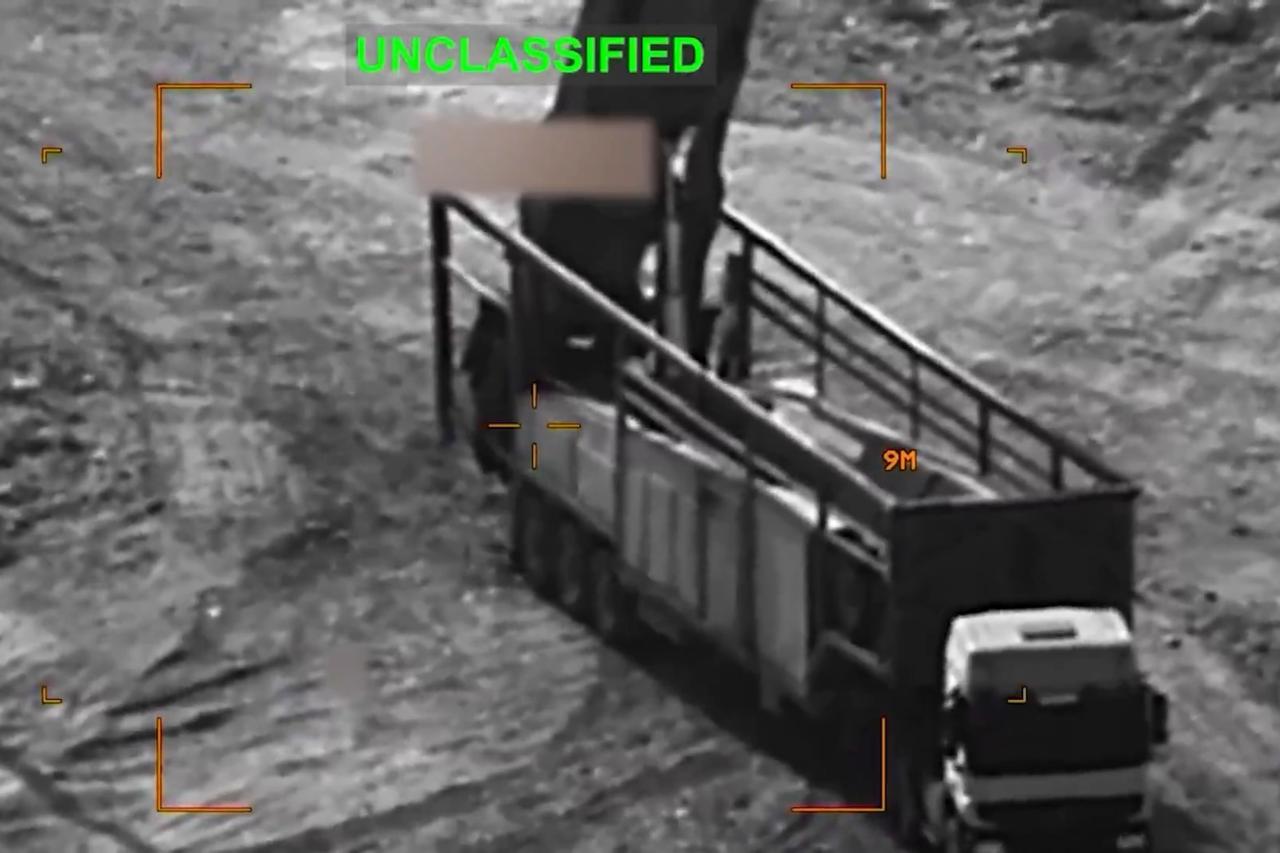


A senior Israeli military official said Iran's missile launcher force has been heavily degraded, but Bloomberg reported that Israeli and Western estimates show the arsenal has held largely steady despite days of airstrikes.
The senior Israeli military official, speaking to Israeli media outlet Channel 12, said Israeli forces had destroyed 160 to 190 launchers and disabled 200 more, leaving about 150 active launchers in Iranian hands.
The official also said Iranian missile crews were deserting or refusing orders out of fear as Israeli forces continued to hunt down several launchers each day.
Bloomberg, however, reported that the number of Iranian missile launchers had held steady after a week of sustained strikes, citing Israeli and Western estimates that put the share of destroyed launchers at about 60%.
Bloomberg said that was little changed from the 60% reported a week earlier.
The differing assessments highlighted the difficulty of measuring damage to Iran’s mobile missile infrastructure as the war continued.


The Israeli military official told N12 that operations against Iran’s missile network had exceeded expectations.
"The Americans did not believe we would succeed in the decapitation," the Israeli official said, referring to operations against Iran’s senior leadership.
The official said the campaign had entered a new stage focused on the systematic destruction of the regime’s core assets, including command-and-control headquarters, military industry and nuclear facilities.
He said the pressure on Iranian missile forces had become constant.
"Every day, several launchers are hunted," the official said.
The official also claimed that there were "desertions and refusals of orders" among Iranian personnel because of fear, as the official also estimated more than 10,000 Iranian security personnel had been killed or wounded.
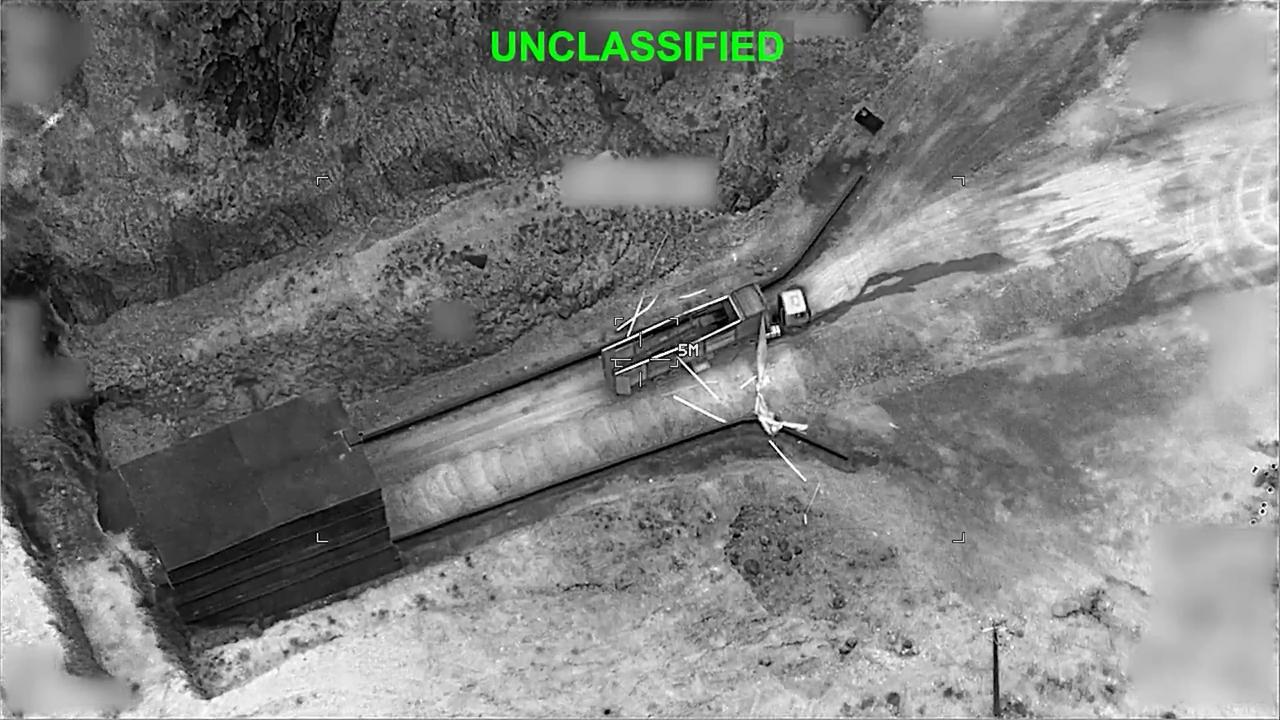
Bloomberg reported that Israeli army officials said Thursday that two-thirds of Iran’s launchers had been destroyed. It said that was broadly in line with two Western estimates issued Thursday, both of which put the figure at 60%.
One of those Western estimates, Bloomberg said, added that as much as 80% of Iran’s total offensive capability had been destroyed.
Bloomberg reported that the mobile launchers remain central to Iran’s ability to fire ballistic missiles, but finding them across a large country remains difficult, especially while some airspace is still dangerous for U.S. and Israeli aircraft.
"It’s likely that the Iranians are adapting tactics," Ankit Panda, a senior fellow at the Carnegie Endowment for International Peace, told Bloomberg.
"It’s quite possible that they’re just preserving launchers by slowing down operations and focusing more on Shaheds," Panda said.
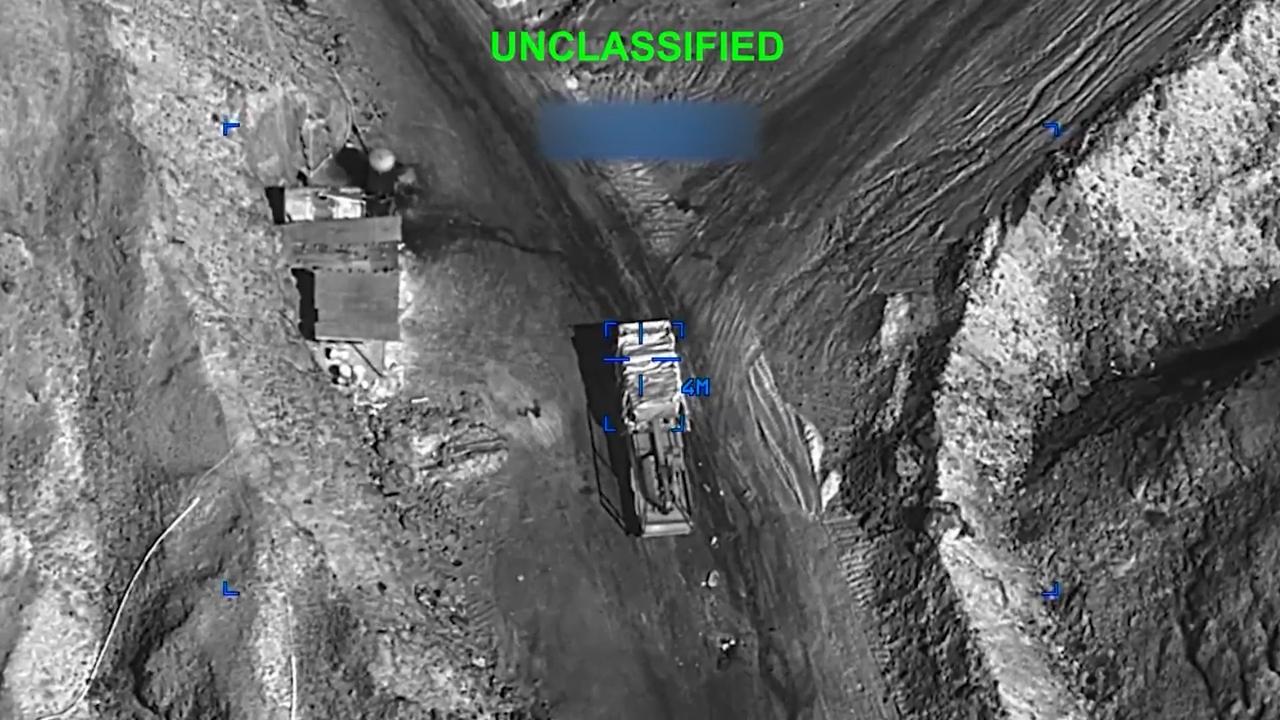
Bloomberg reported that Iran had fired more than 2,400 Shahed-136 drones at targets around the region, compared with at least 789 ballistic missiles and 39 standard cruise missiles.
An Israeli estimate cited by Bloomberg put Iran’s arsenal at up to 2,500 ballistic missiles before the war began on Feb. 28.
U.S. and Israeli strikes had targeted both stockpiles and launchers to create a bottleneck that would limit Iran’s ability to use the missiles it still has.
U.S. Central Command said that it had led to a decline of more than 80% in Iranian attacks using ballistic missiles and Shaheds.
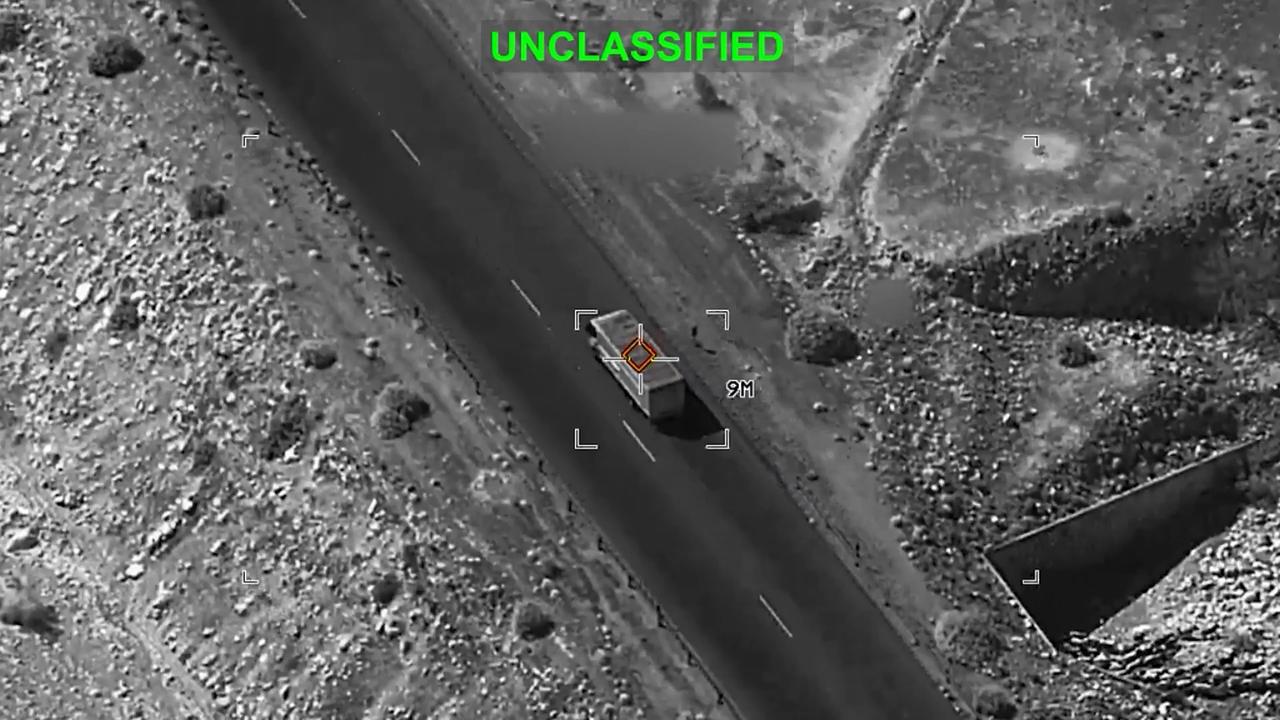
Becca Wasser, defense lead at Bloomberg Economics, said the number of ballistic missiles fired at Gulf targets had stabilized at an average of about 21 a day over the last three days.
The senior Israeli military official told N12 that the likely postwar outcome would be a weakened regime under economic siege and diplomatic isolation.
"What is likely after the war is a weakened regime, economic siege, diplomatic isolation, and in the end there will be a revolution. The situation matches what we thought would happen," the Israeli official said.


 Set as preferred source
 Set as preferred source


 3 min read