Newsletters


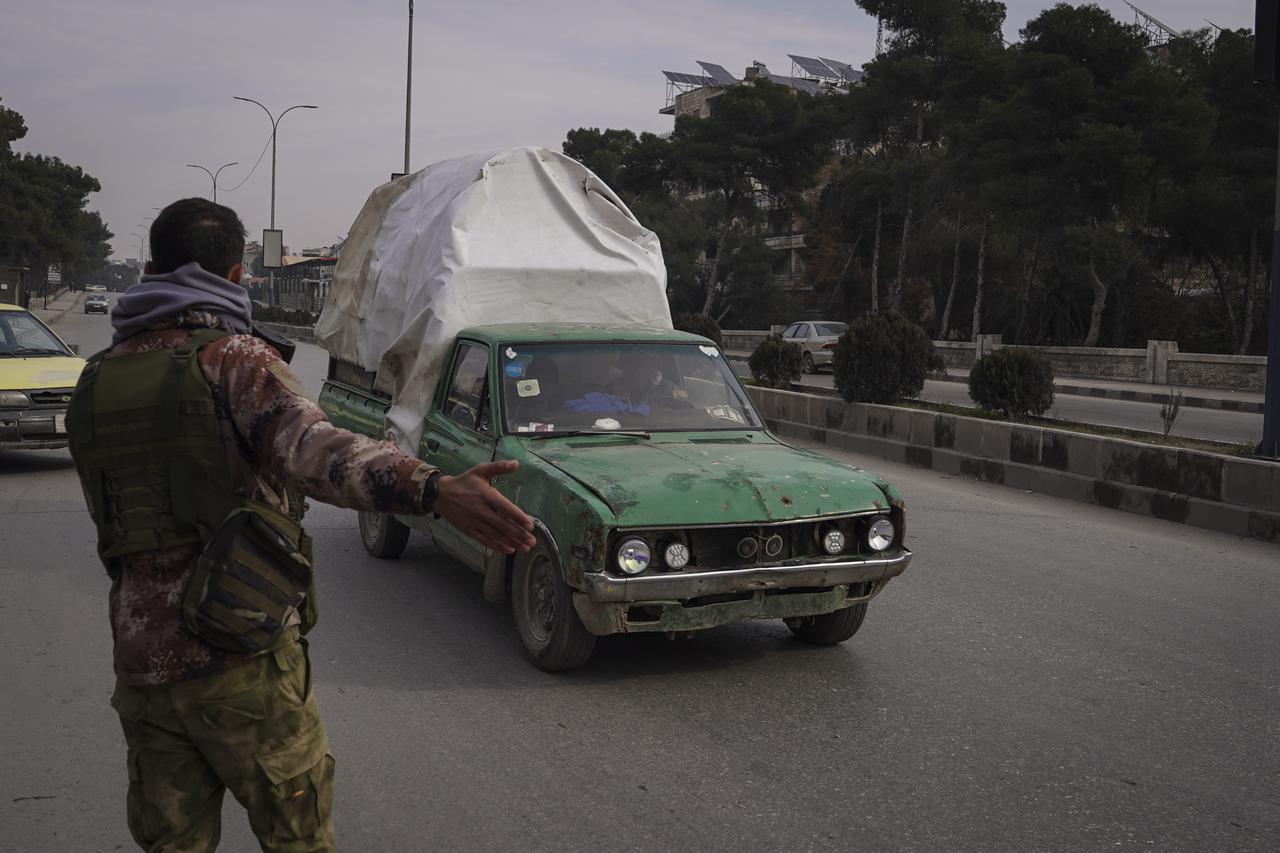


Israeli Foreign Minister Gideon Saar on Thursday described the Syrian administration’s planned military operation in Aleppo against the PKK/YPG terrorist group, operating under the name SDF, as “dangerous.”
In a post on his account on X, Saar said the operation announced by Syria following PKK/YPG attacks in Aleppo was “sad and dangerous.”
Saar claimed the international community, particularly Western countries, owed a “debt of gratitude” to the PKK/YPG for its role in the fight against Daesh, and alleged that violence and repression were being carried out against minorities in what he referred to as the “new Syria.”
He further asserted that the Syrian administration would “increase violence in the face of the international community’s silence.”
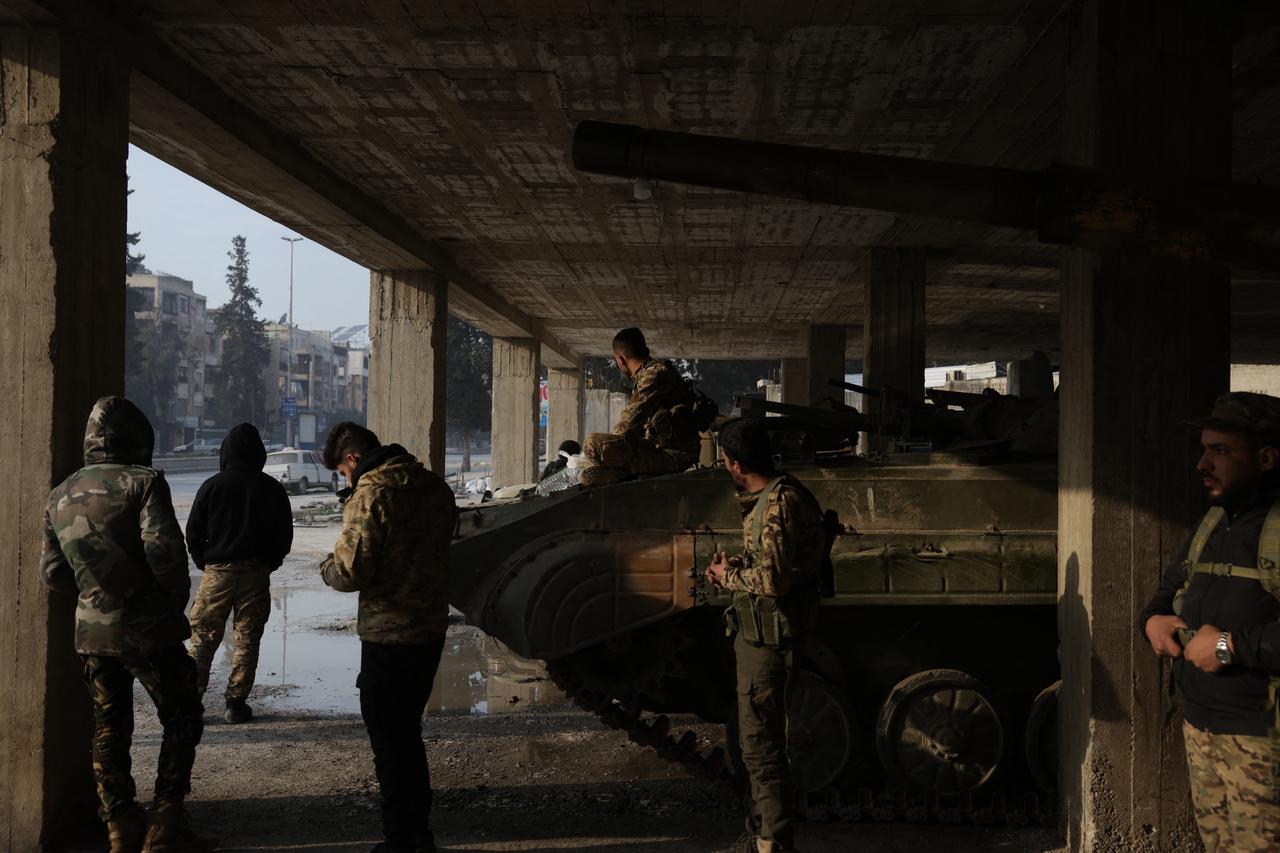
Meanwhile, Syrian media reported that PKK/YPG forces operating under the SDF name shelled residential neighborhoods in Aleppo for the third consecutive day on Thursday.
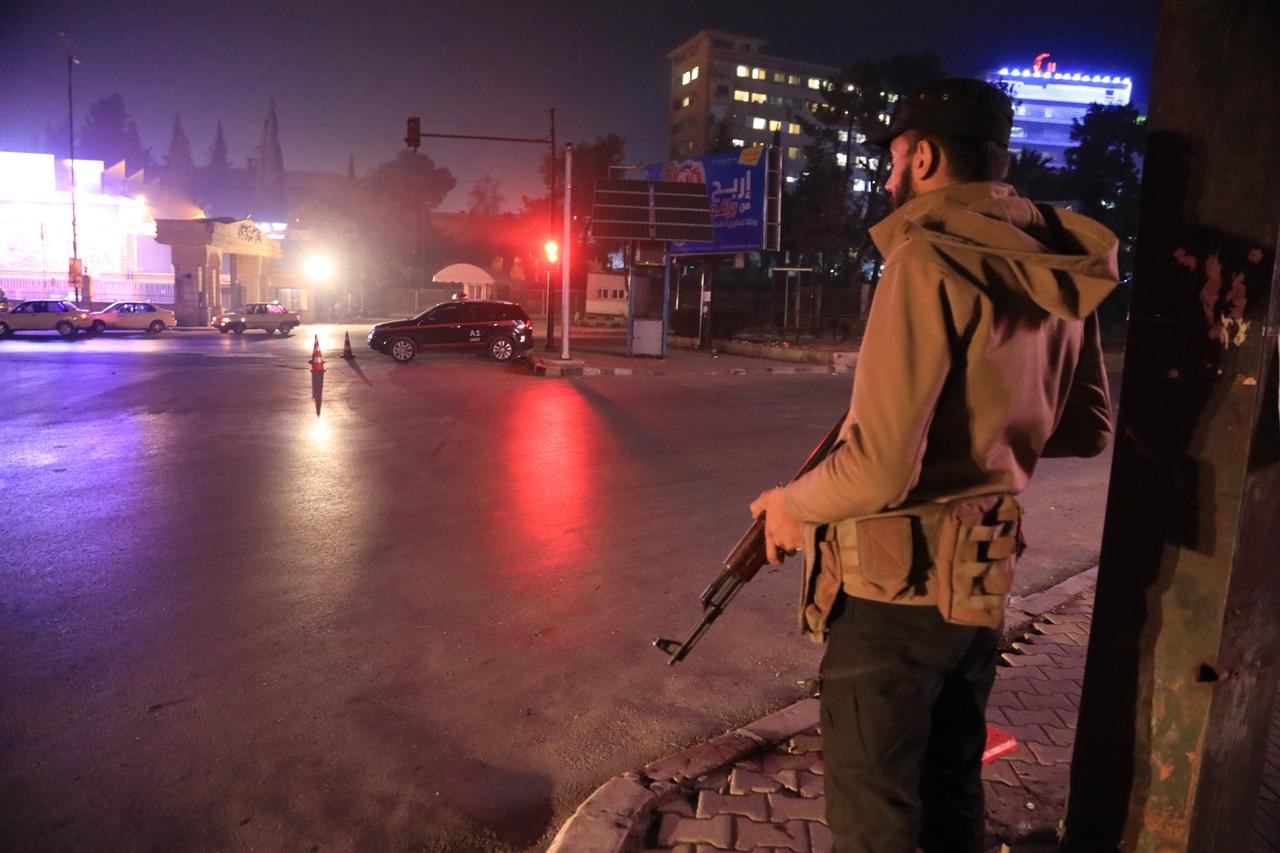
State-run Alikhbariyah TV said SDF forces targeted the Lairamoun area and the Shihan traffic circle using machine-gun fire. At least six people have been killed and 39 others injured since Tuesday, according to local reports.

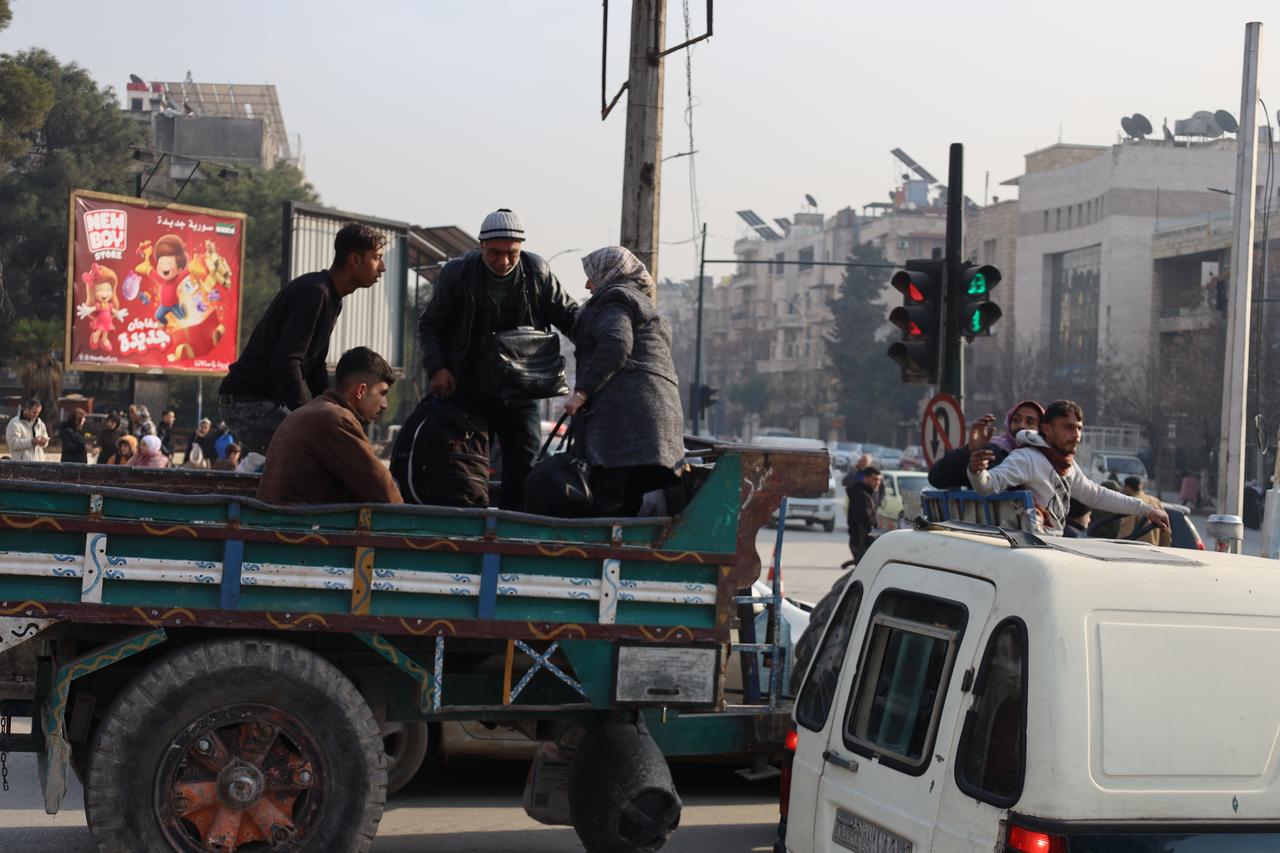
The Syrian Civil Defense said more than 3,000 civilians were evacuated on Wednesday, most of them from the Sheikh Maqsoud and Ashrafieh neighborhoods, due to deteriorating humanitarian conditions and continued shelling by the SDF, according to the Syrian Arab News Agency (SANA).
Aleppo Governor Azzam al-Gharib extended the suspension of classes at public and private schools and universities across the province on Thursday, citing concerns for the safety of students and educational staff. He also ordered the formation of a committee to monitor the situation of displaced residents.
The Syrian army said earlier this week that SDF military positions in the Sheikh Maqsoud and Ashrafieh neighborhoods were considered “legitimate targets” following what it described as escalating attacks and “massacres” in the province.
On March 10, the Syrian presidency announced an agreement for the integration of the SDF into state institutions, reaffirming Syria’s territorial unity and rejecting any attempts at division. Syrian authorities say the group has not taken steps to implement the agreement in the months since.
Meanwhile, earlier this week Israel and Syria agreed, under U.S. pressure, to establish an intelligence-sharing mechanism, an unprecedented move as the two sides move toward a broader security arrangement after decades of hostility.
Following talks in Paris, the two countries agreed to form a “dedicated communication cell” under U.S. supervision aimed at reducing bilateral tensions.
U.S. President Donald Trump, who received Syrian leader Ahmad al-Sharaa in Washington in November, has been pushing for a security deal between Israel and Syria.
After the overthrow of longtime Syrian regime leader Bashar al-Assad in December 2024, Israel moved forces into the U.N.-patrolled demilitarized zone on the Israeli-annexed Golan Heights and has since carried out hundreds of airstrikes and incursions inside Syria.


 Set as preferred source
 Set as preferred source


 1 min read

 1 min read