

 Newsletters


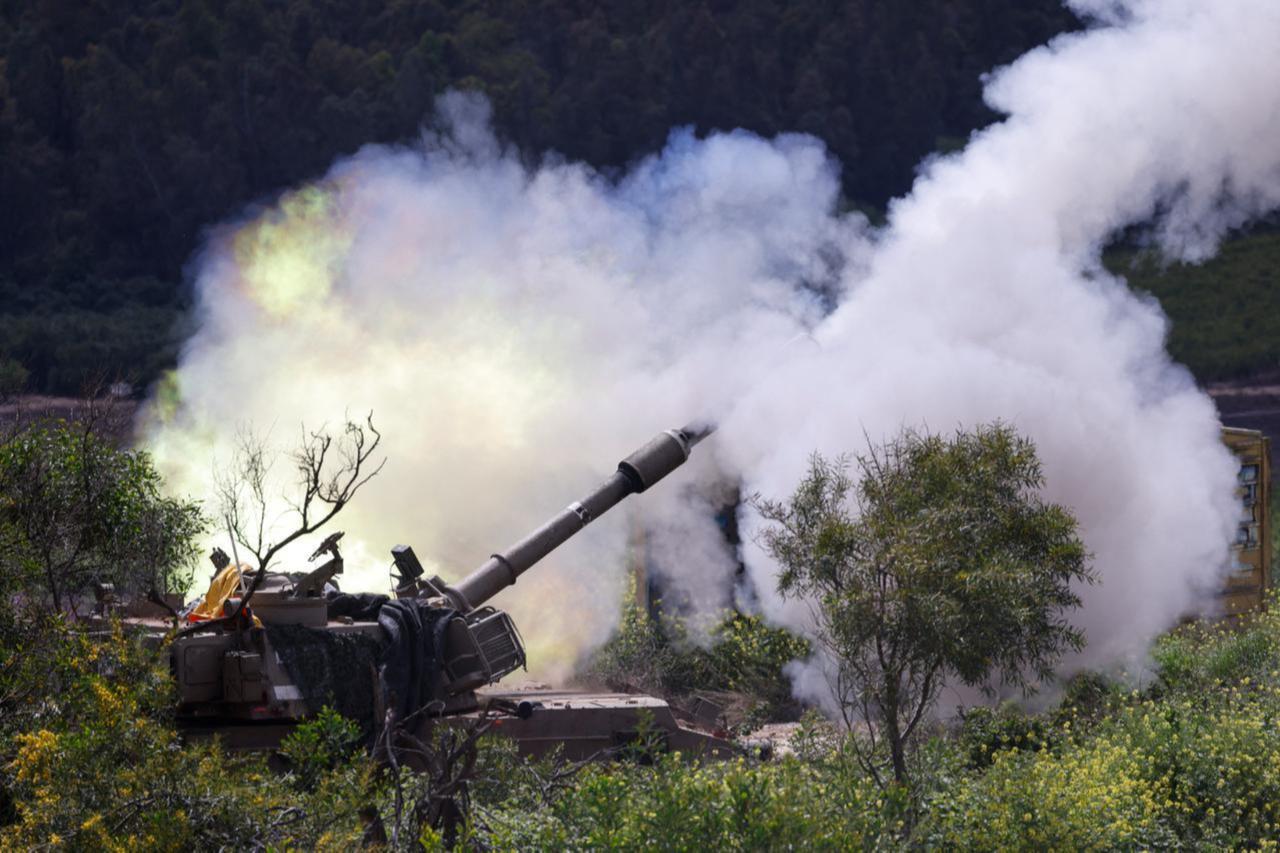


Israeli have placed Bint Jbeil, one of the most strategically significant towns in southern Lebanon, under siege as the military continues to intensify its ground and air campaign in the region, Israeli media reported.
The district of Bint Jbeil, which falls under the Nabatieh governorate, has come under mounting combined pressure from land and air, according to Israeli press accounts. Troops expanding the ground occupation have tightened a cordon around the town, which Israeli reports claim is home to a significant number of Hezbollah fighters.
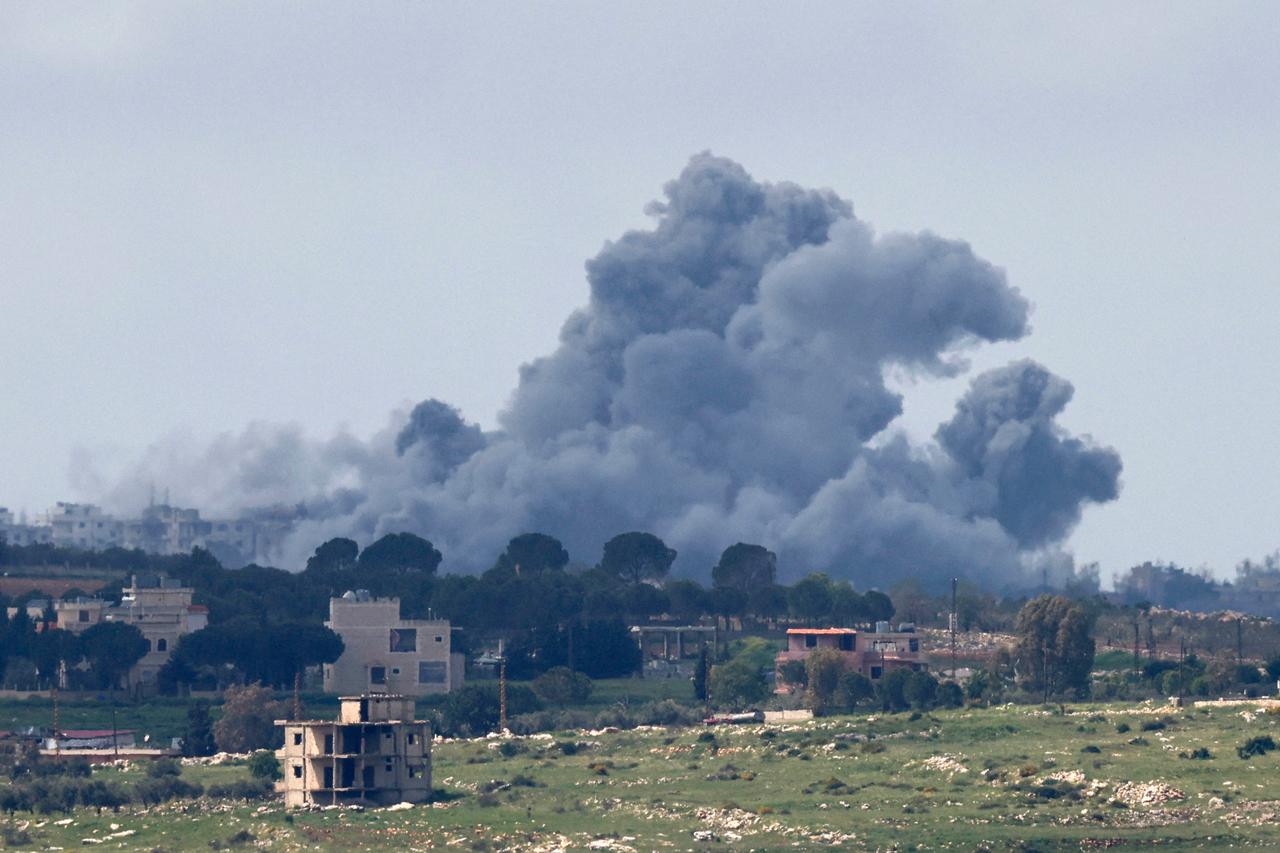
Israeli have begun entering the besieged area, while the military separately claimed that strikes carried out "within the grounds of a hospital in the area" killed 20 Hezbollah members, without providing independent verification of the figure.
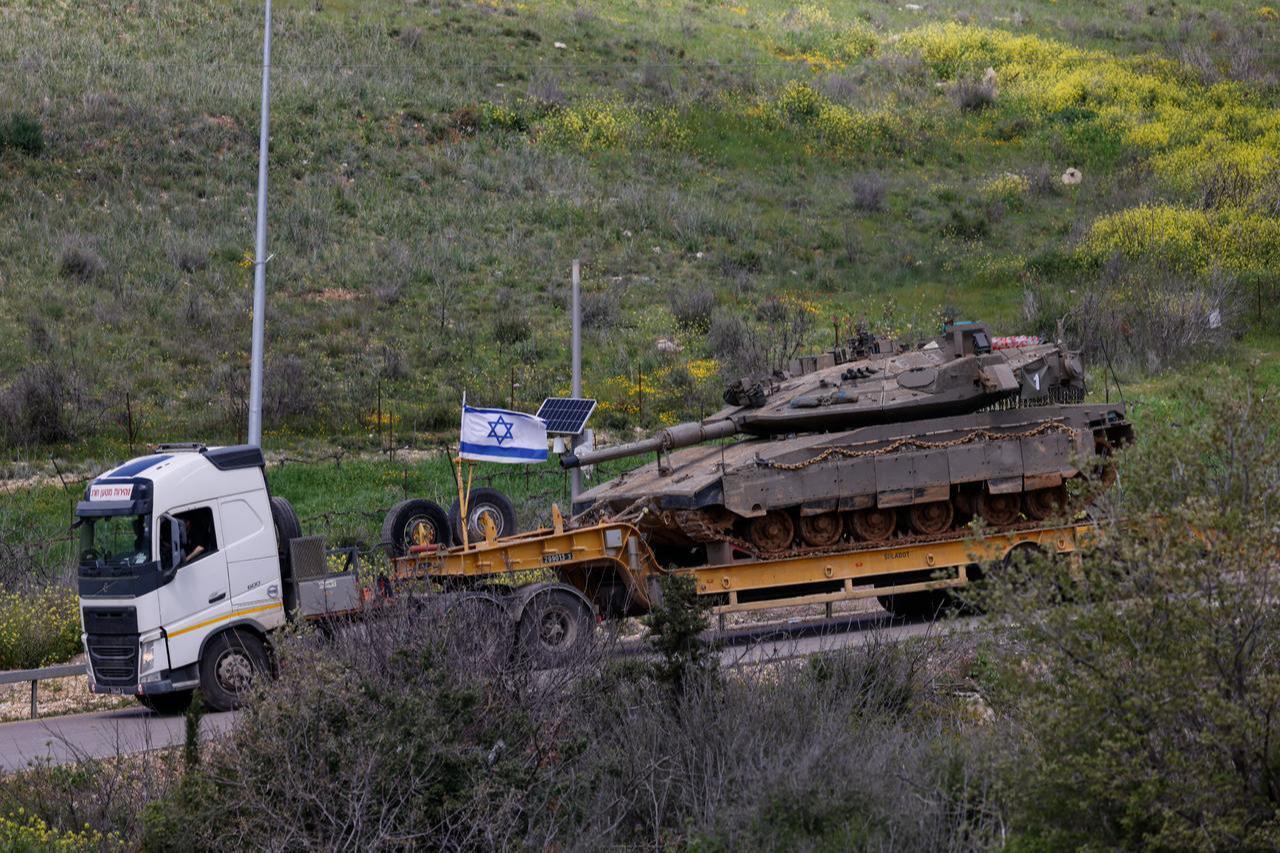

The current phase of the conflict traces back to March 2, when sirens were activated across northern Israel after the military detected rocket fire originating from Lebanese territory.
Israel subsequently announced the launch of airstrikes across Lebanon, including against the capital Beirut, conducting what it described as intensive strikes from both the air and sea. The military then decided to expand its ground occupation of Lebanese territory.
Bint Jbeil carries outsized symbolic weight in the conflict. The town, situated roughly four kilometers from the Israeli border, is widely regarded as one of Hezbollah's most important strongholds in southern Lebanon and was the site of a prolonged battle between Israel and Hezbollah fighters during the 2006 war.
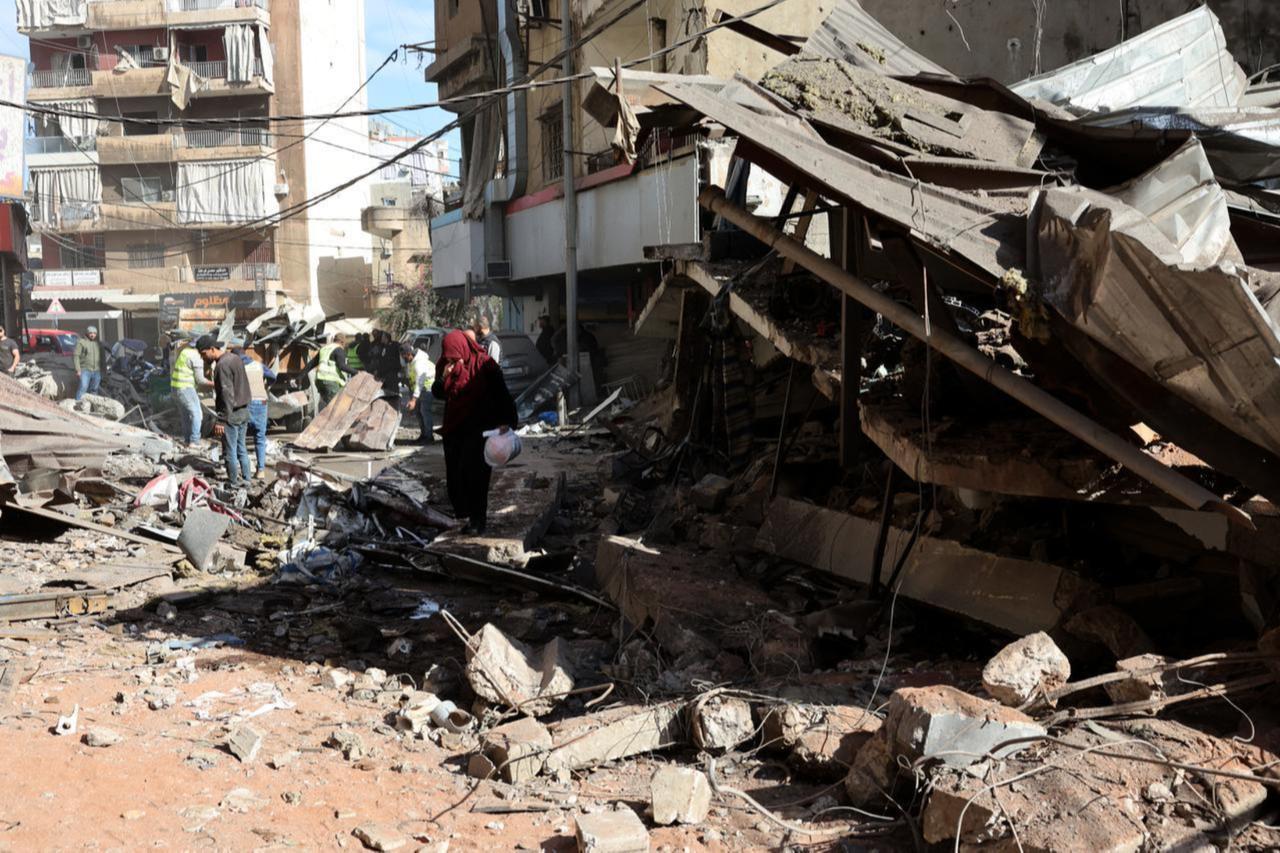
The human cost of the offensive has been severe. Lebanon's Ministry of Health reported that 2,055 people have been killed in strikes carried out by Israel since March 2.
The Lebanese government, meanwhile, disclosed that the number of internally displaced persons has surpassed 1,162,000, a figure that underscores the scale of the humanitarian crisis unfolding across the country.
The ground campaign has pushed the boundaries of the conflict steadily outward from the border. Israel's decision to expand its land operations has brought renewed destruction to communities across the south, while the aerial campaign has simultaneously targeted Beirut and other urban centers.


 Set as preferred source
 Set as preferred source


 1 min read

 1 min read



