Newsletters




Iran’s parliament speaker set out two preconditions on Friday for opening negotiations with the United States, tying any diplomatic track to a ceasefire in Lebanon and the release of blocked assets.
"Two of the measures mutually agreed upon between the parties have yet to be implemented: a ceasefire in Lebanon and the release of Iran's blocked assets prior to the commencement of negotiations," Mohammad Bagher Ghalibaf wrote on X, adding that both steps must be completed before talks begin..
The United States and Iran reached a temporary two-week ceasefire to halt strikes that began on Feb. 28, aiming to reopen diplomatic talks in Islamabad based on a 10-point plan.
U.S. President Donald Trump announced on Wednesday that the ceasefire is contingent on the reopening of the Strait of Hormuz, noting that Iran had presented a 10-point proposal that could serve as a basis for negotiations.
However, White House spokesperson Karoline Leavitt described Iran’s demands as "unacceptable," exposing divisions within Washington’s messaging.
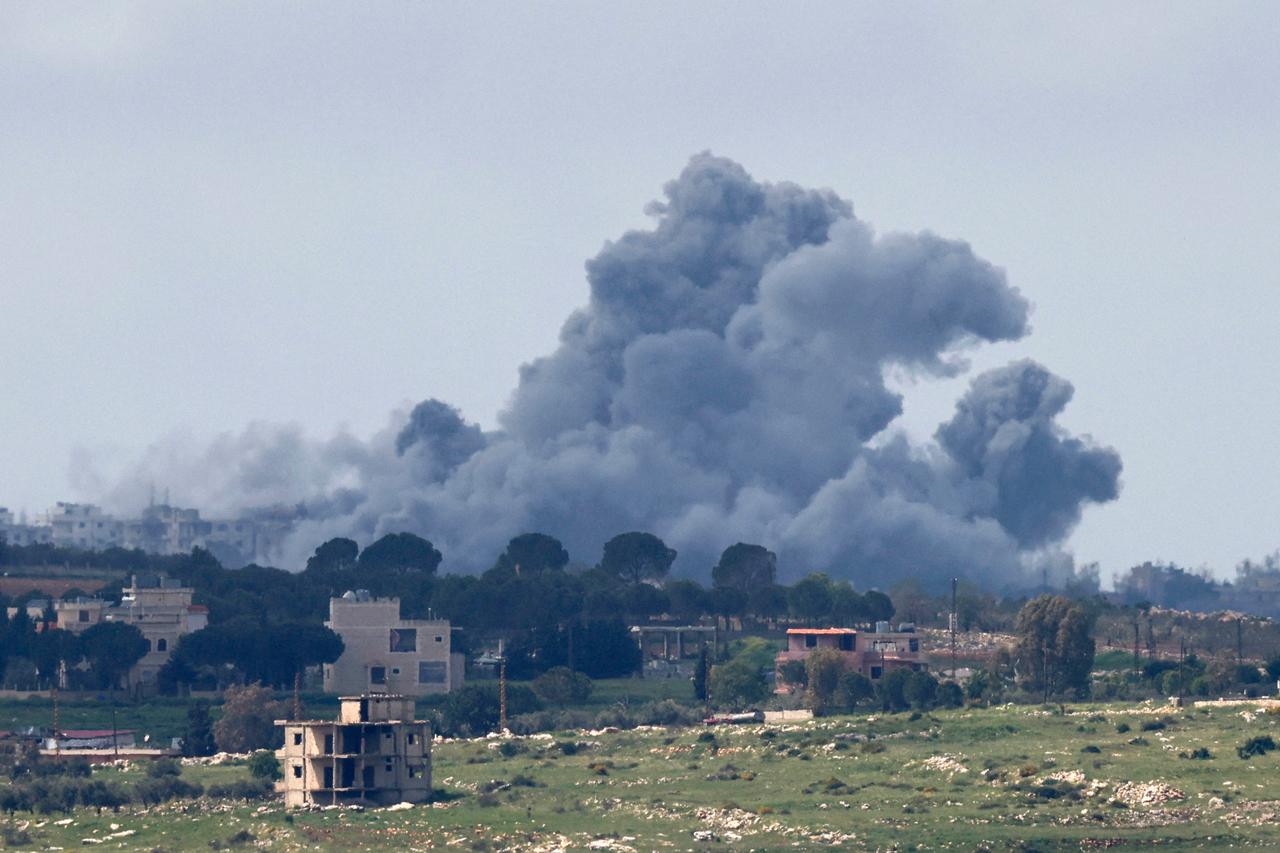
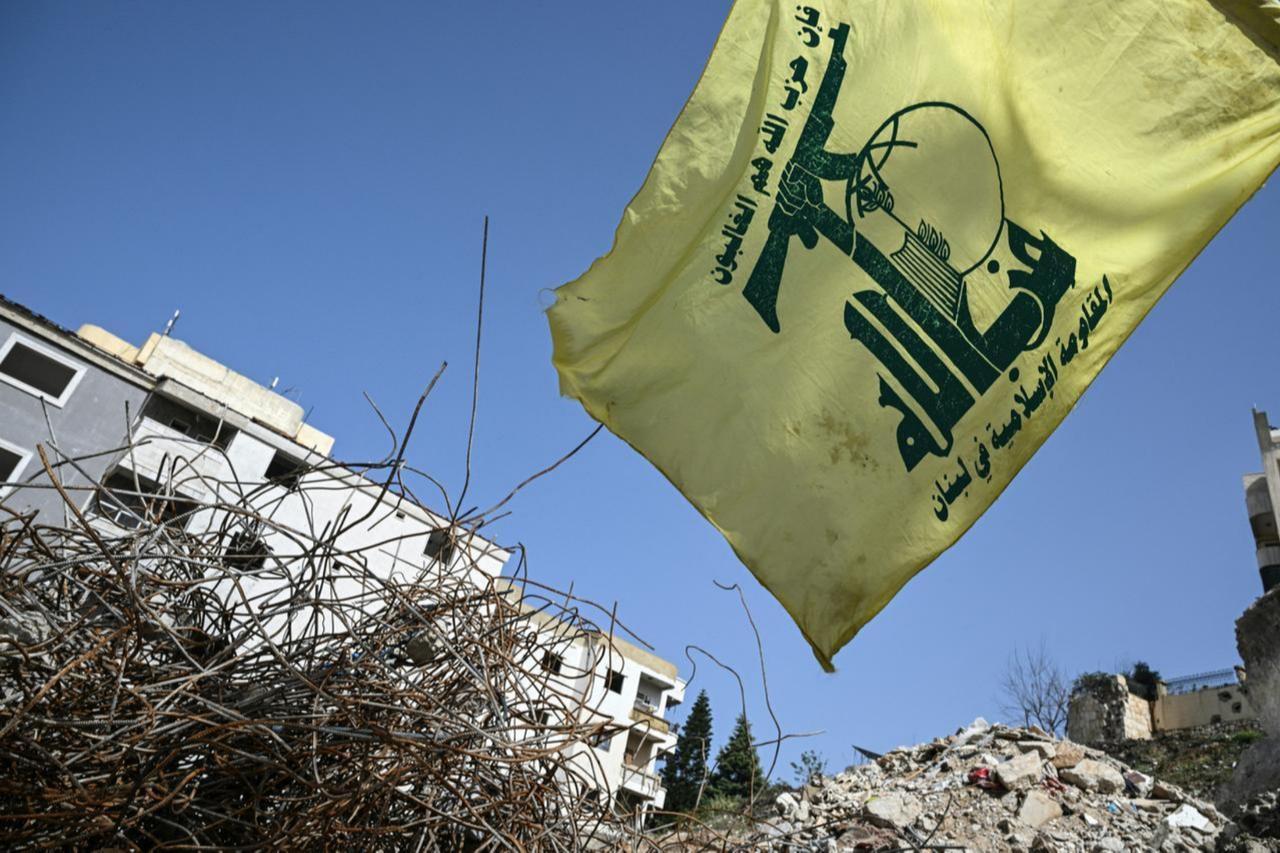
Israel, meanwhile, has not halted its strikes on Lebanon, continuing attacks on Iran-backed Hezbollah despite Iran’s insistence that the ceasefire extends to Lebanon.
Since Feb. 28, Israeli attacks have killed over 1,900 people and displaced more than 1 million others.
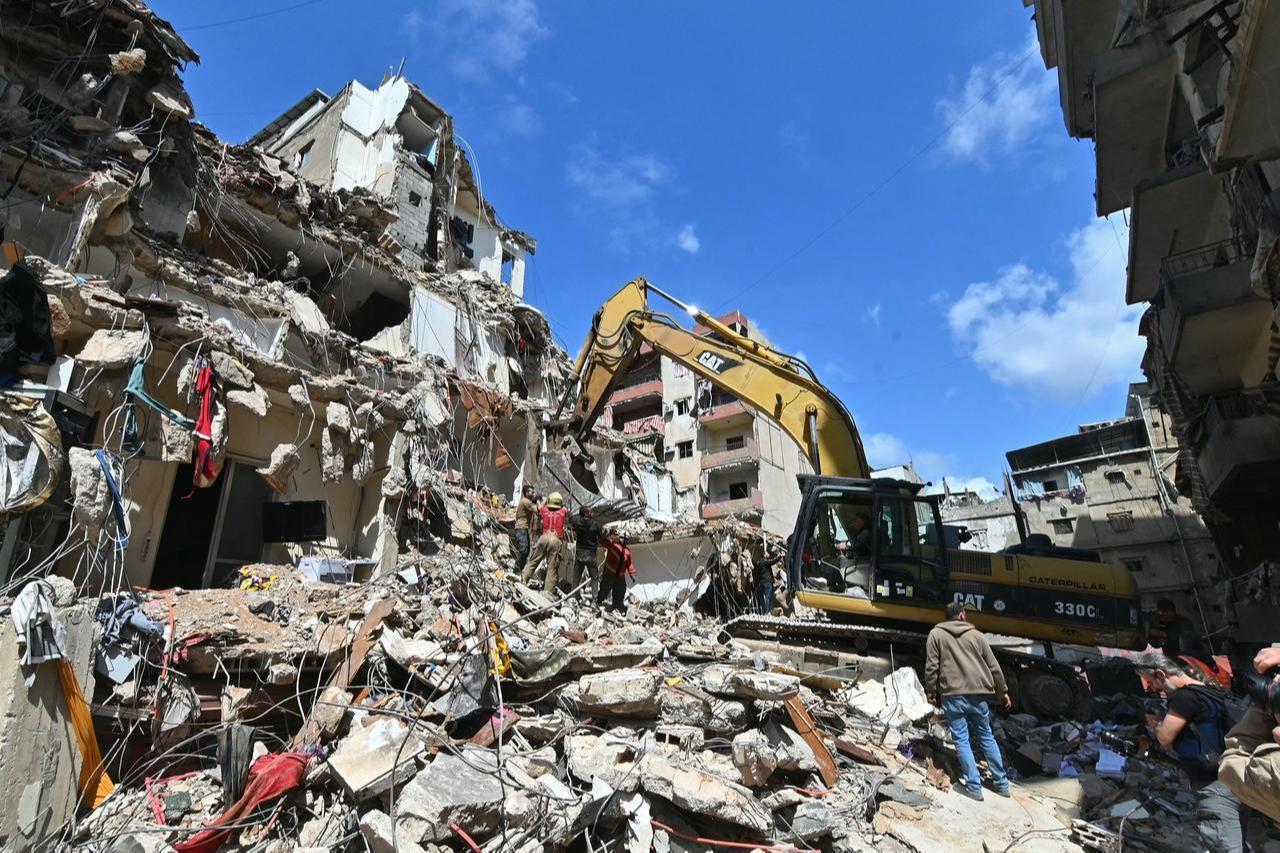

Pakistan’s Prime Minister Shahbaz Sharif, who mediated the truce, stated that the ceasefire also covered Lebanon. The U.S. administration later rejected that interpretation, arguing that Israeli operations there were not included in the arrangement.
Iran, in contrast, maintained that the ceasefire should halt all wars and clashes across the region, including Lebanon. Iran’s armed forces command, Khatam al-Anbiya Central Headquarters, warned that it is ready to respond if Israeli attacks on Lebanon continue.
The unit stated that any ongoing strikes against Lebanon and Hezbollah would trigger a "crushing and regret-inducing response," while stressing it remains on alert, as in the earlier 40-day war period.
The European Union called for an immediate end to attacks in Lebanon, warning of heavy civilian losses.
"Attacks in Lebanon must stop immediately. These attacks have imposed a heavy toll on civilians and civilian infrastructure," European Commission spokesperson Anouar El Anouni said during a daily briefing.
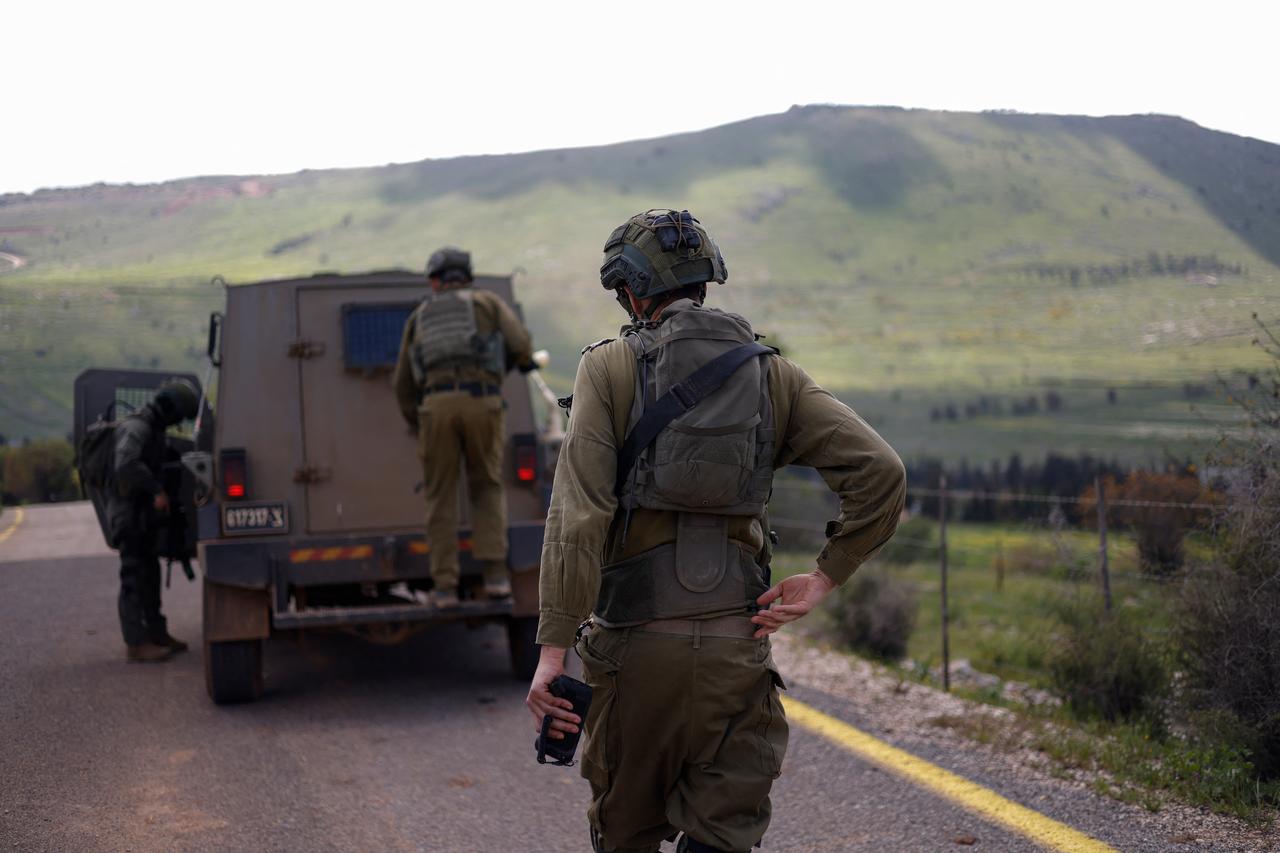
A reported phone call between Trump and Israeli Prime Minister Benjamin Netanyahu added another layer to the diplomatic picture.
According to CNN, citing sources familiar with the matter, the two leaders held a tense conversation shortly before Israel requested ceasefire talks with Lebanon. Netanyahu reportedly understood that failure to seek negotiations could prompt Trump to declare a unilateral ceasefire.
Sources indicated this was the third call between the two leaders on Lebanon, following another discussion earlier in the week before Trump announced a ceasefire with Iran. During that earlier exchange, Netanyahu tried to persuade Trump to keep Lebanon outside the Iran ceasefire framework.
Netanyahu’s office dismissed the report as "fake news," describing the conversation as friendly, while the White House did not respond to requests for comment.
Israel has since indicated it is ready for direct negotiations with Lebanon, though Netanyahu later clarified that talks would proceed without a ceasefire.


 Set as preferred source
 Set as preferred source


 1 min read
 1 min read