Newsletters


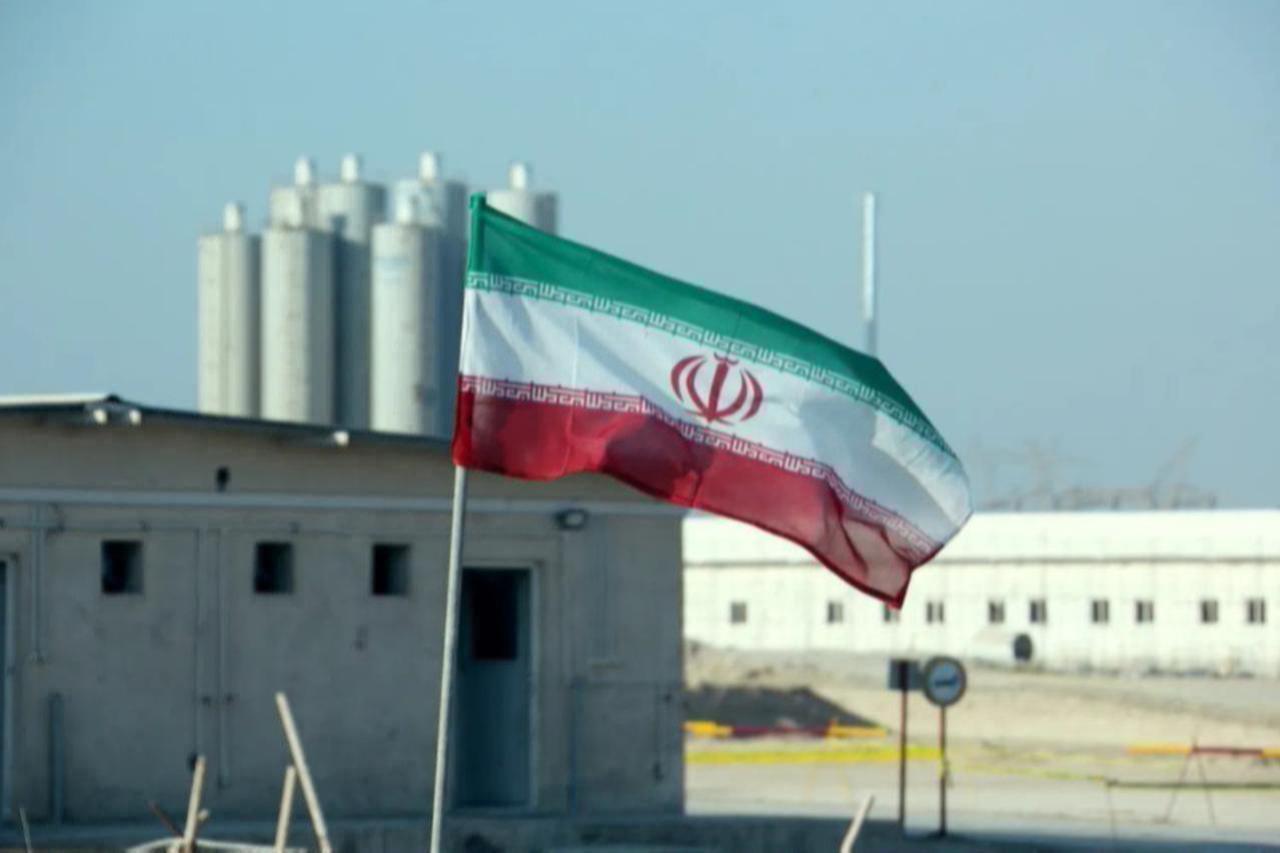


Israeli military sources have warned that the ongoing conflict with Iran could ultimately produce a regime more radical and more determined to acquire nuclear weapons than the one it set out to dismantle, even as they acknowledged that Tehran's conventional military capabilities have been severely degraded, the Jerusalem Post reported on Thursday.
The assessment, conveyed by Israel military sources, was not framed as a prediction but rather as a candid acknowledgment of the range of outcomes still in play at what officials described as a sensitive juncture of the war.
"Much of Iran's military power in virtually every area has been set back years," the sources said. But that progress, they cautioned, may not be enough to catalyze the kind of popular uprising that could bring down the Islamic Republic from within.
More than 10,000 Israeli strikes and 8,000 American strikes have hit targets across Iran since the conflict's escalation. Yet the military conceded that no one can say with certainty whether the cumulative damage will be sufficient to drive enough Iranian protesters into the streets to topple the government.
After initial waves of airstrikes targeted senior Iranian leaders, air defense systems, and ballistic missile arsenals, the campaign pivoted toward a different objective: dismantling the infrastructure of domestic repression. Strikes have hit command centers and forces belonging to the Islamic Revolutionary Guard Corps, the Basij paramilitary militia, the Interior Ministry, and the Intelligence Ministry, all of which form the backbone of the regime's capacity to crush internal dissent.
The Israel military said it had invested "extraordinary efforts" in setting the conditions for a potential popular uprising, according to the Jerusalem Post. Over the past week, the air force has released a growing number of videos showing precision strikes on smaller-scale checkpoints, the kind of positions that could be used to block protesters from accessing particular streets.
The approach reflects a strategy that goes beyond traditional military degradation, seeking to create the physical and psychological space for Iranian civilians to challenge a regime weakened from above.
 1 min read
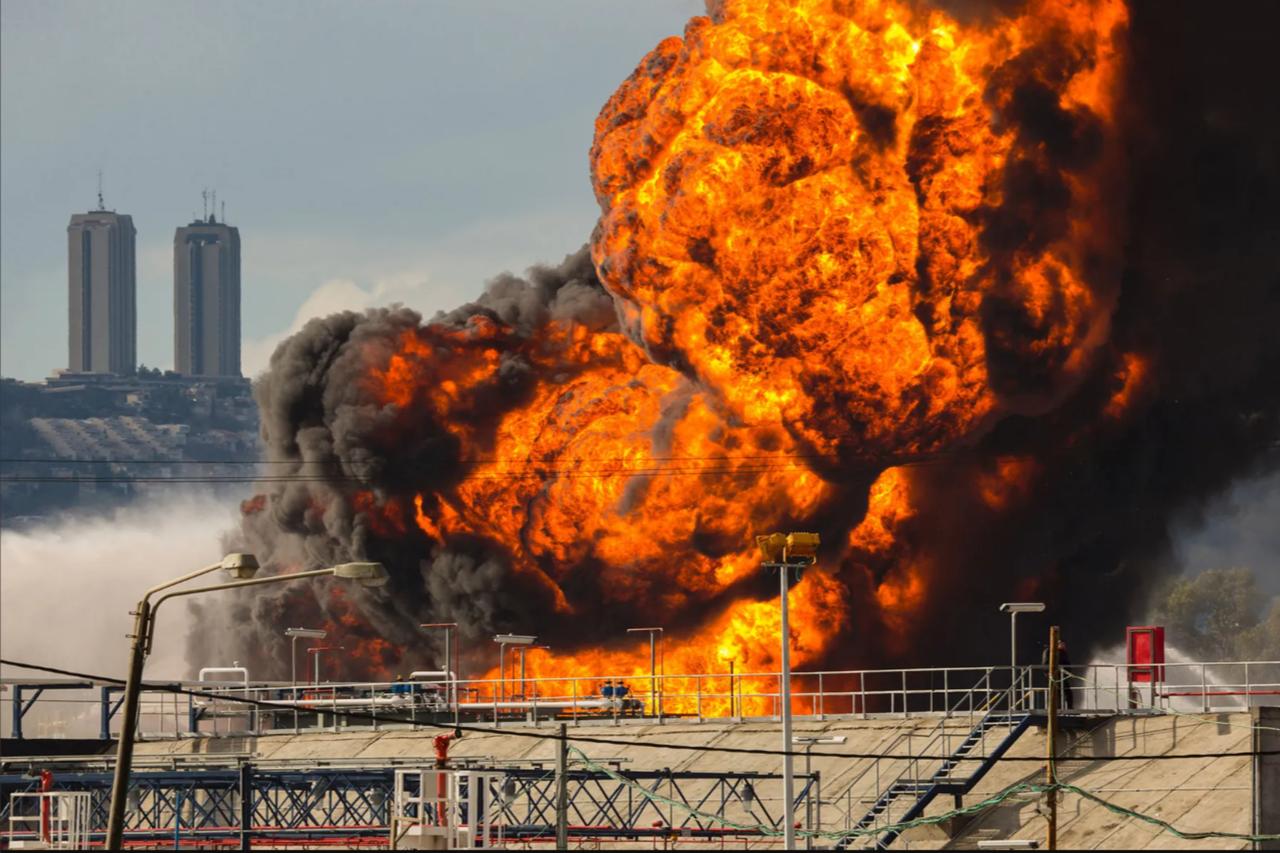
Despite the scope of the air campaign, two critical nuclear concerns remain unanswered, casting a shadow over whatever military gains have been achieved.
Neither Israel nor the United States has announced any operation to destroy or neutralize Iran's stockpile of uranium enriched to 60 percent, much of which is believed to be buried in underground tunnel complexes at Isfahan and in the Pickaxe Mountain facility near Natanz.
The Isfahan nuclear complex, one of Iran's largest, houses multiple enrichment and conversion facilities. The International Atomic Energy Agency estimated before the current phase of the war that Iran possessed roughly 441 kilograms of 60 percent enriched uranium, enough, if further processed, for the core material of multiple nuclear weapons.
Pickaxe Mountain, formally known as Kuh-e Kolang Gaz La, is a tunnel complex carved into the Zagros mountain range approximately one mile south of the Natanz enrichment facility. Buried up to 100 meters below granite, the site is believed to be deeper than even Iran's Fordow facility, which was struck by American bunker-busting munitions in June 2025, and many experts doubt that even the heaviest penetrating weapons in the U.S. arsenal can reach it.
The Israel military declined to offer assurances that either of these nuclear threats would be neutralized before the war ends, the Jerusalem Post reported. Combined, analysts fear these two unresolved elements could provide the raw material for a rushed, small-scale nuclear device, one that, however crude, could have devastating consequences.


 Set as preferred source
 Set as preferred source


 1 min read