Newsletters




Israeli National Security Minister Itamar Ben-Gvir said Friday that "all of Lebanon must burn" after four Israeli soldiers were killed in southern Lebanon, marking Israel's first combat losses since a U.S.-Iran agreement was signed to end the Middle East war.
"For every tear of an Israeli mother, a thousand Lebanese mothers must weep. All of Lebanon must burn!" Ben-Gvir wrote on X.
"With all due respect to the Americans, Israel must make it clear to the entire world that the blood of our sons and the security of our citizens are not forfeit. All of Lebanon must burn," he added.
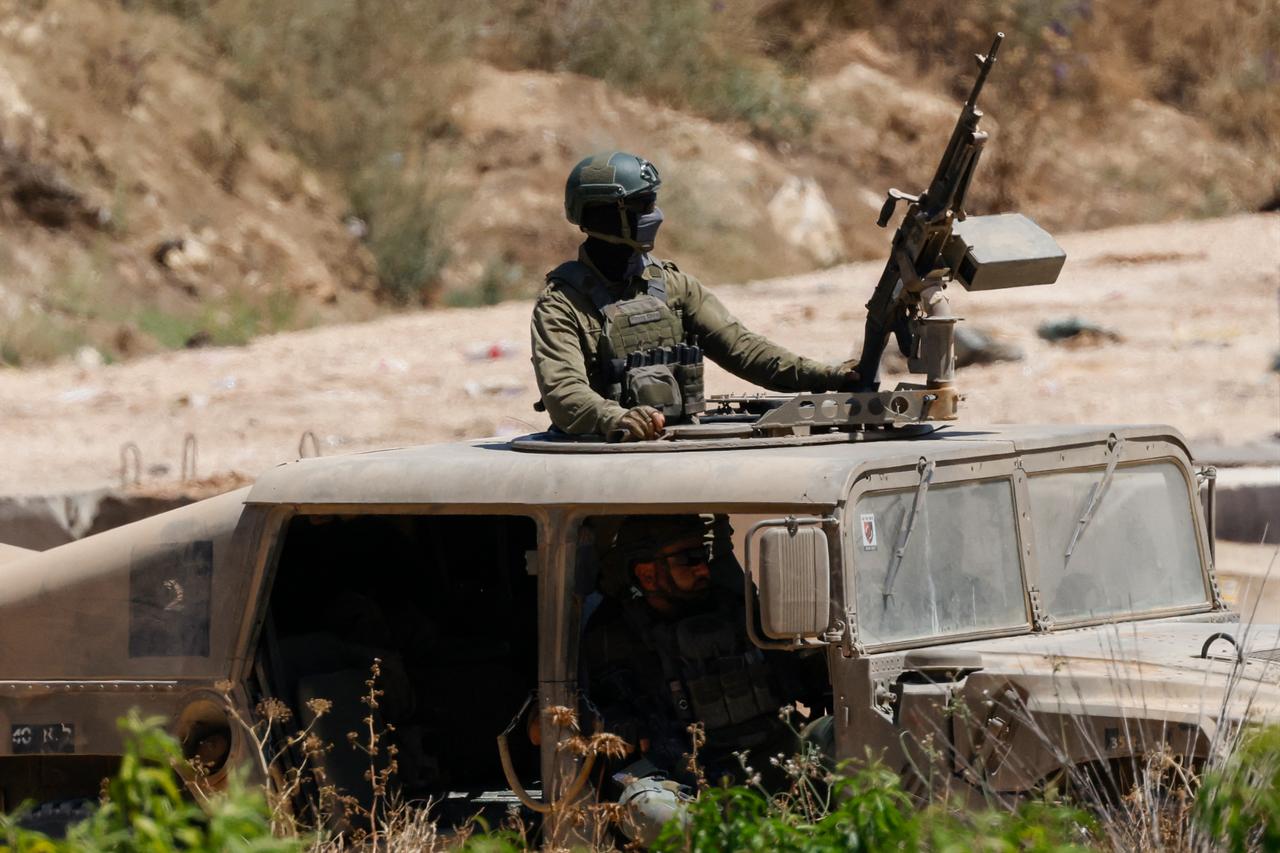
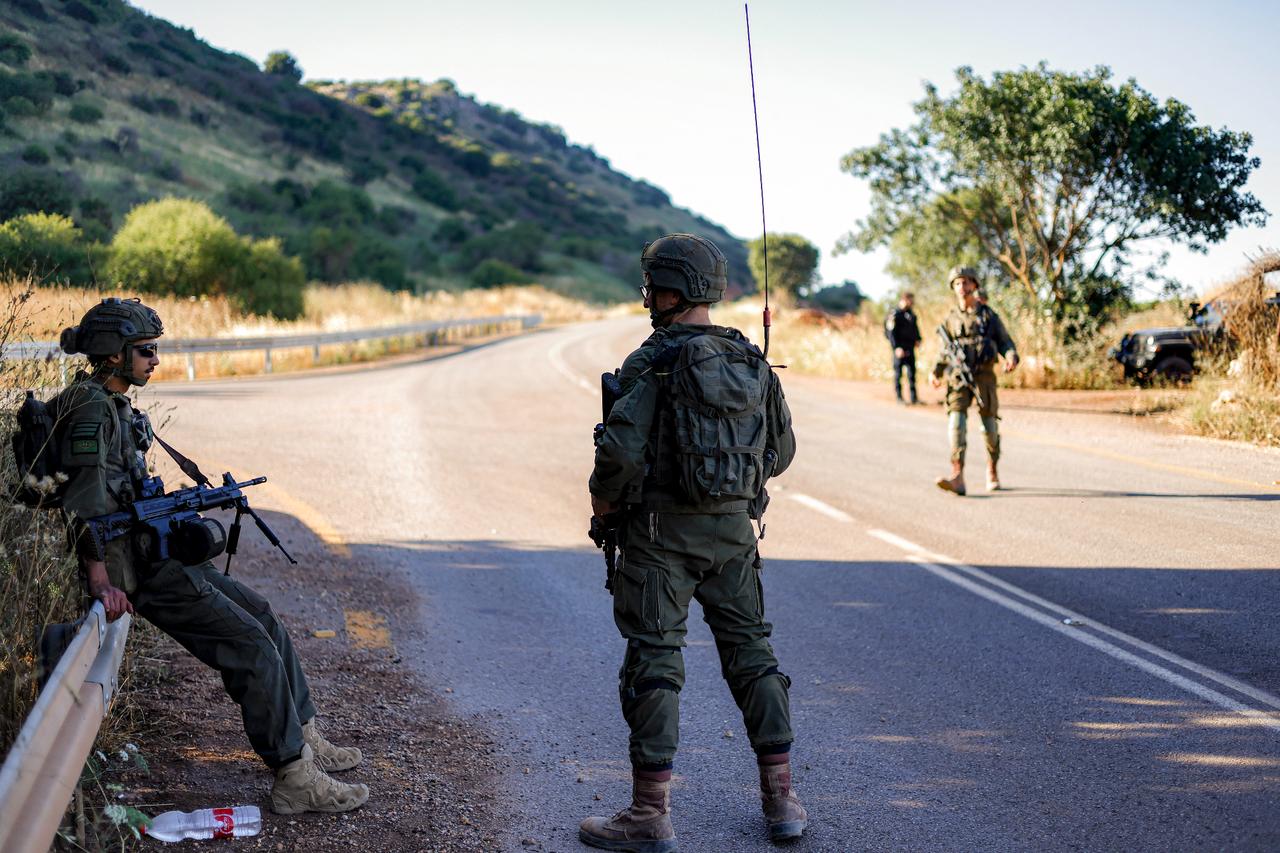
The Israeli military said four soldiers, including a battalion commander, were killed during combat operations in southern Lebanon.
In a statement, the army said Lt. Col. Dor Gedalia Ben Simhon, 32, from Beit HaShita and commander of the 52nd Battalion of the 401st Brigade, was killed in fighting in southern Lebanon.
The military said three more soldiers were killed in the same incident, although their names have not yet been cleared for publication.
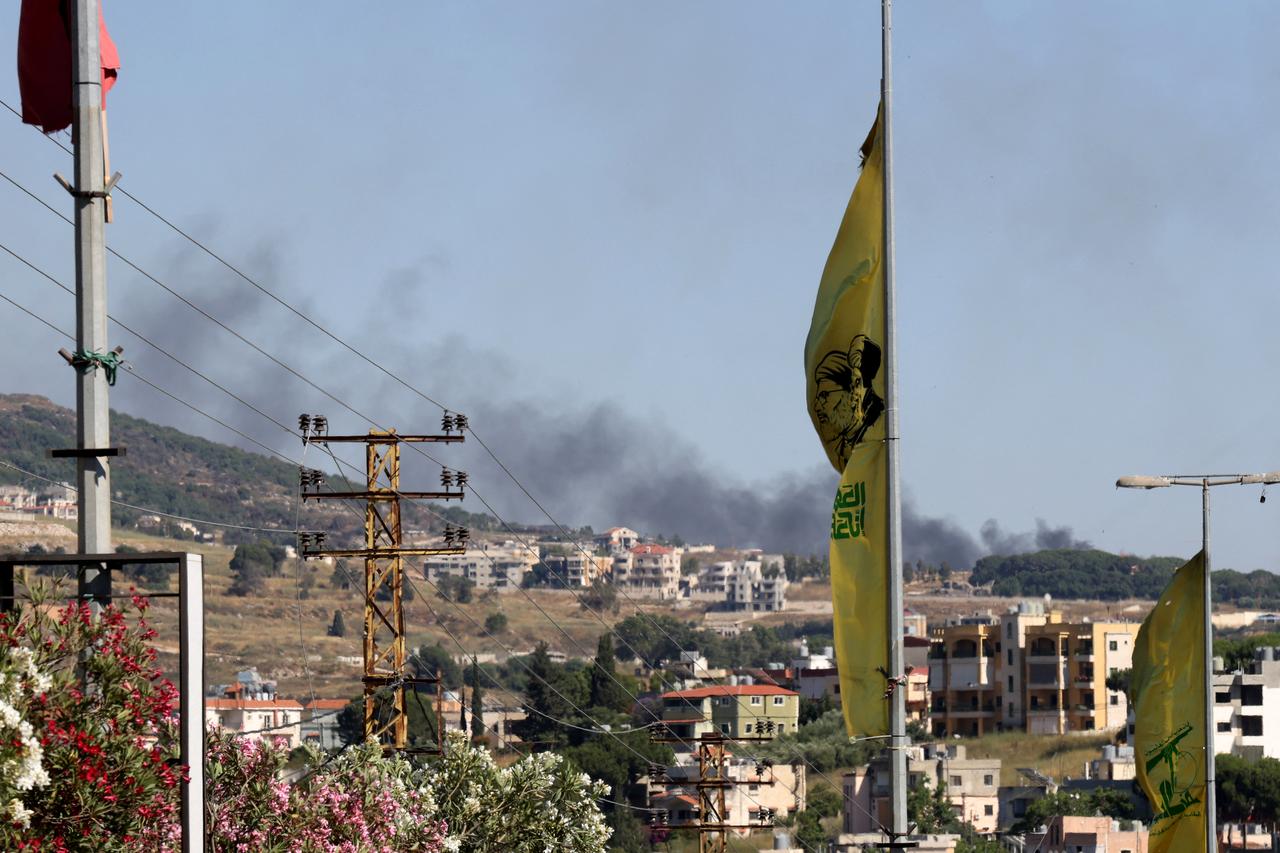
The announcement came hours after the Israeli military said it had carried out strikes across southern Lebanon against Hezbollah targets following what it described as "repeated violations of the ceasefire" by the Iran-backed group.

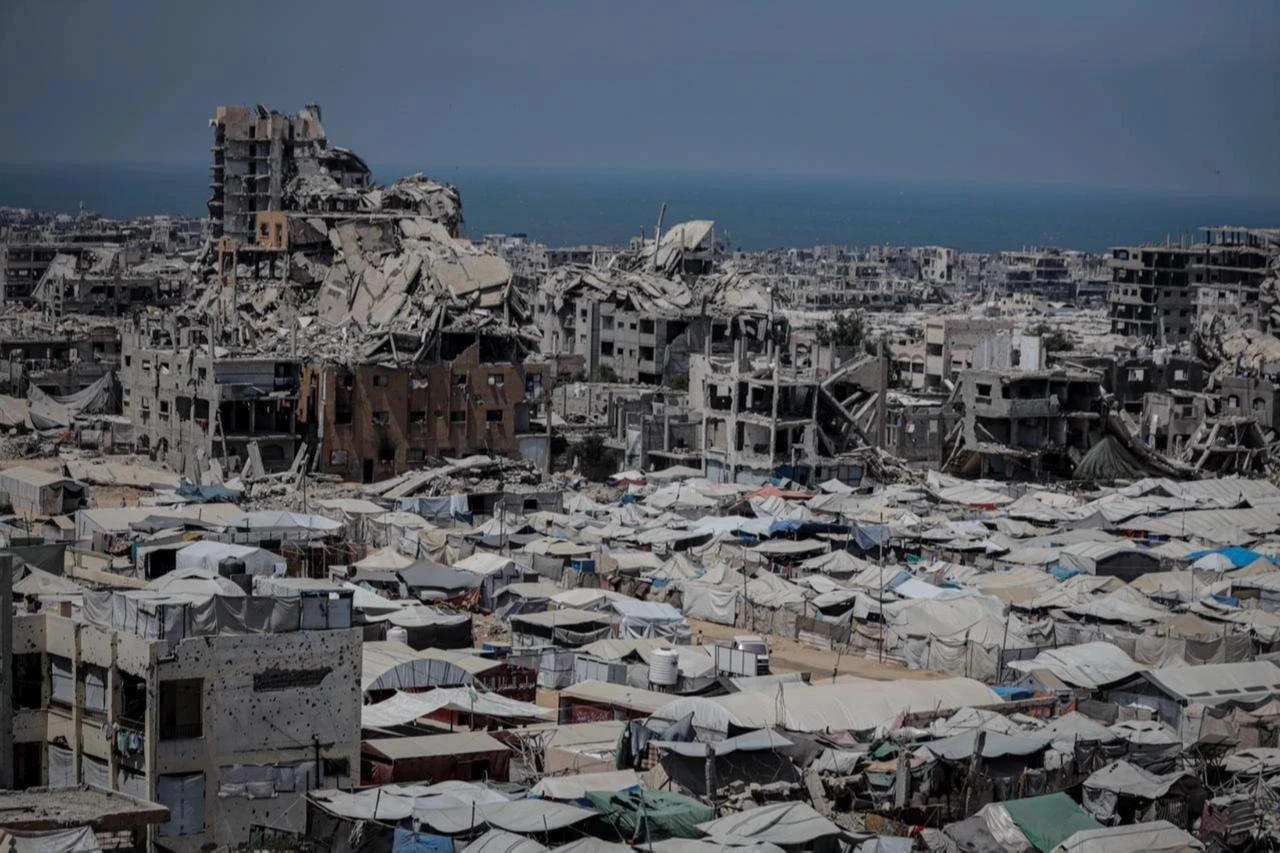
Meanwhile, the death toll from Israeli airstrikes and artillery attacks in southern Lebanon rose to 24 on Friday, according to Lebanon's state-run National News Agency (NNA).
The agency reported that Israeli warplanes and artillery targeted Nabatieh city and surrounding towns, killing at least 24 people and wounding several others.
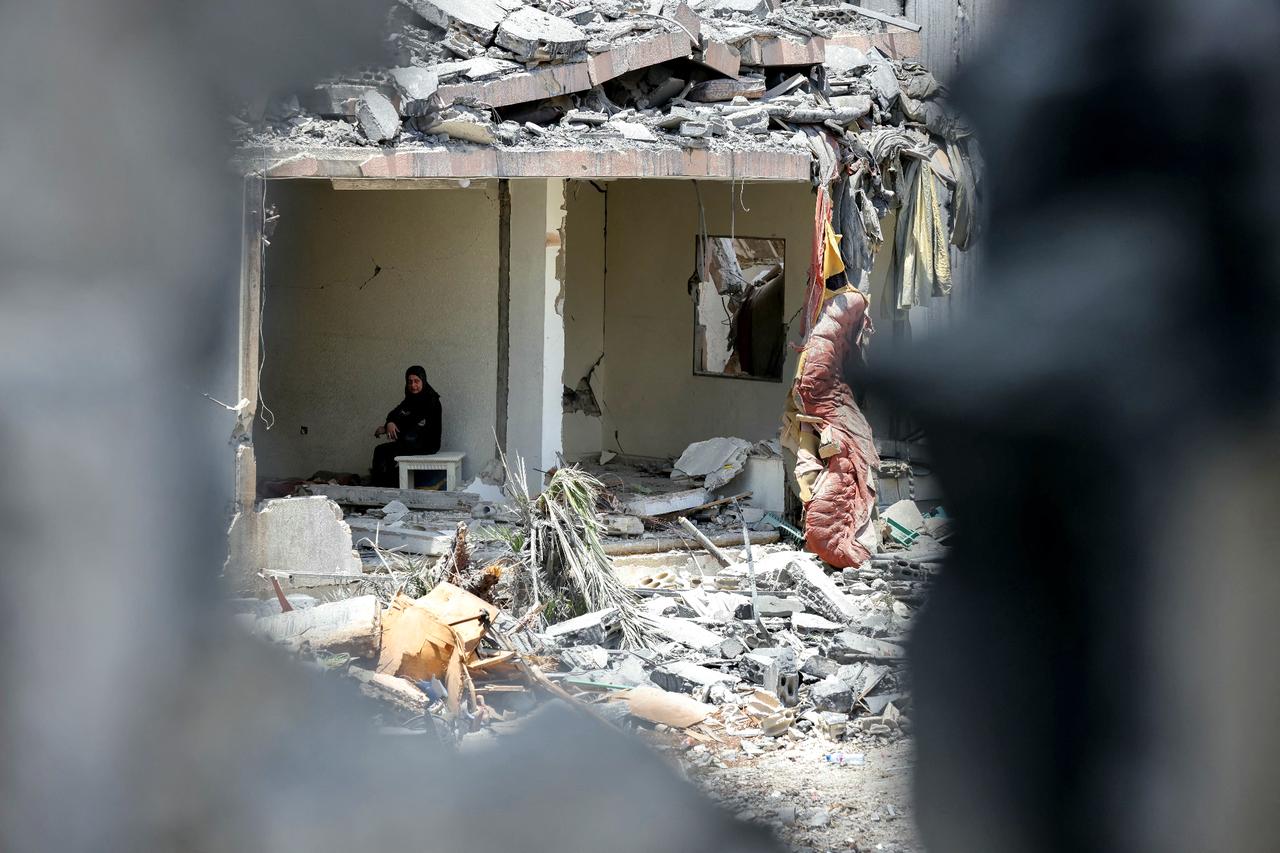
Despite a U.S.-Iran agreement that also envisages an end to Israeli military operations in Lebanon, strikes after midnight hit residential areas in the towns of Al-Sharqiyah, Harouf and Kfar Sir in the Nabatieh district, leaving several people missing beneath the rubble, according to NNA.
At around 2:10 a.m. local time, Israeli warplanes launched a wave of strikes on Nabatieh city, Kfar Tebnit, Nabatieh al-Fawqa and the Rayhan heights.
Less than an hour later, airstrikes hit the Kfarjoz-Nabatieh area, the university neighborhood in Nabatieh and the Al-Baydar neighborhood in Harouf, killing eight people.
Another strike on the Al-Ashamiya area, between Al-Sharqiyah and Doueir, destroyed a house and killed four people.
In Kfar Sir, an Israeli strike killed three people, according to the agency.
Around 5 a.m., an Israeli drone strike targeting a motorcycle near the Doueir municipality building killed one person and wounded another.
On Wednesday evening, U.S. President Donald Trump and Iranian President Masoud Pezeshkian electronically signed the Islamabad Memorandum of Understanding, aimed at ending the war launched by the United States and Israel against Iran on Feb. 28 and halting Israeli attacks on Lebanon.
Under the agreement, Washington and Tehran are expected to hold negotiations over a 60-day period, with the possibility of an extension, focused on Iran's nuclear program and international sanctions.
However, continued violence in Lebanon has raised questions about the implementation of the agreement and the prospects for a broader regional de-escalation.
Israel has been conducting a large-scale military campaign in Lebanon since March 2. According to the latest official figures, the offensive has killed 3,912 people, wounded 11,873 others and displaced more than one million.
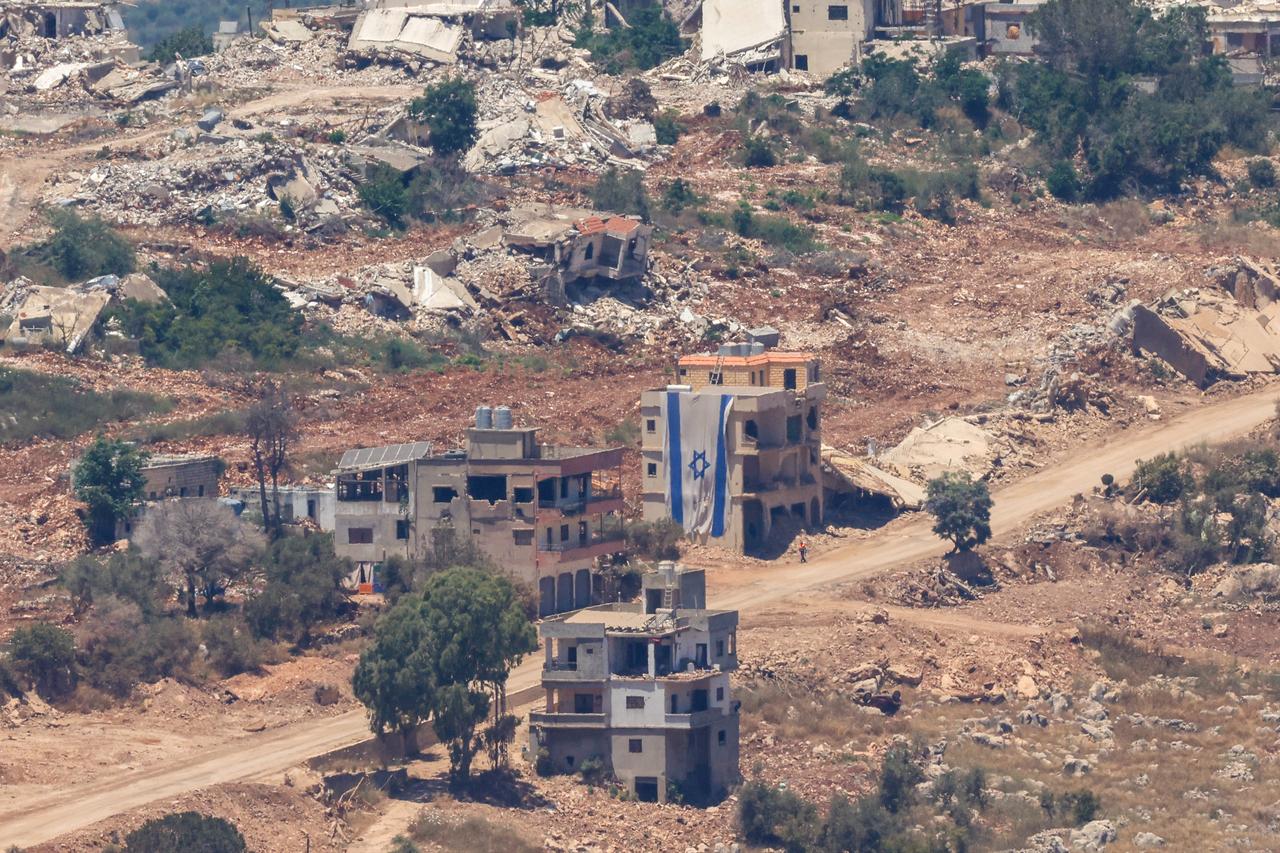
Israeli forces continue to occupy areas in southern Lebanon, some for decades and others since the latest conflict. During the recent offensive, Israeli troops advanced more than 10 kilometers (6 miles) into Lebanese territory.


 Set as preferred source
 Set as preferred source


 1 min read

 1 min read