Newsletters





Israel is holding "stubborn negotiations" with the United States over its continued military presence in southern Lebanon, even as the U.S.-Iran deal calls for an immediate halt to fighting on all fronts, two Israeli officials told Reuters Thursday.
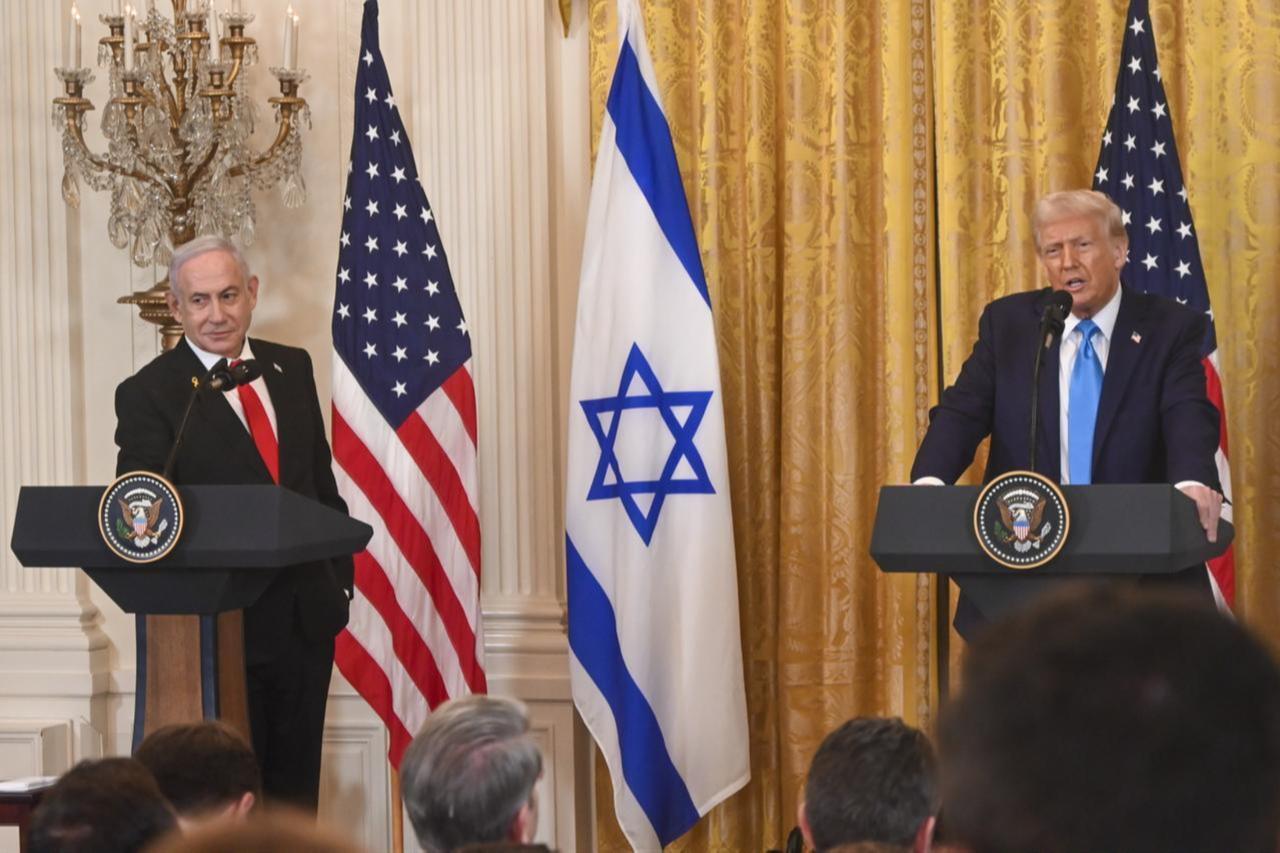
The standoff is unfolding against the backdrop of a deeply strained personal relationship between U.S. President Donald Trump and Israeli Prime Minister Benjamin Netanyahu, one that the Wall Street Journal (WSJ), citing people familiar with the calls, described as no longer friendly.
"Why are you blowing up buildings?" Trump asked Netanyahu in a recent phone call about Lebanon, according to people familiar with the call cited by the Journal.
"Stop blowing up buildings," Trump said.
One of the Israeli officials who spoke to Reuters, described as close to Netanyahu, said Israel has no intention of backing down on its positions, including maintaining troops deployed in the area south of Lebanon's Litani River.
The Israeli army released a map Thursday defining the security zone where its forces are operating in southern Lebanon. The marked zone stretches across the border region from west to east, extending up to approximately 10 kilometers into Lebanese territory at its deepest point.
The map also marks a separate naval security zone off the coast.
A second Israeli official told Reuters the outcome of the U.S.-Israel talks would ultimately depend on whether Trump "decides to force the issue" by threatening repercussions if Israel does not abide by the interim deal's terms.
Israeli newspaper Maariv reported Thursday that Israeli officials fear U.S. pressure on Netanyahu to withdraw from southern Lebanon will not end with the MoU but intensify during final-deal negotiations, potentially escalating from weapons shipment delays to measures resembling an arms embargo.
Meanwhile, Lebanon's national news agency reported that Israel killed one person and injured three others in strikes on southern Lebanon overnight Thursday, despite the ceasefire order.
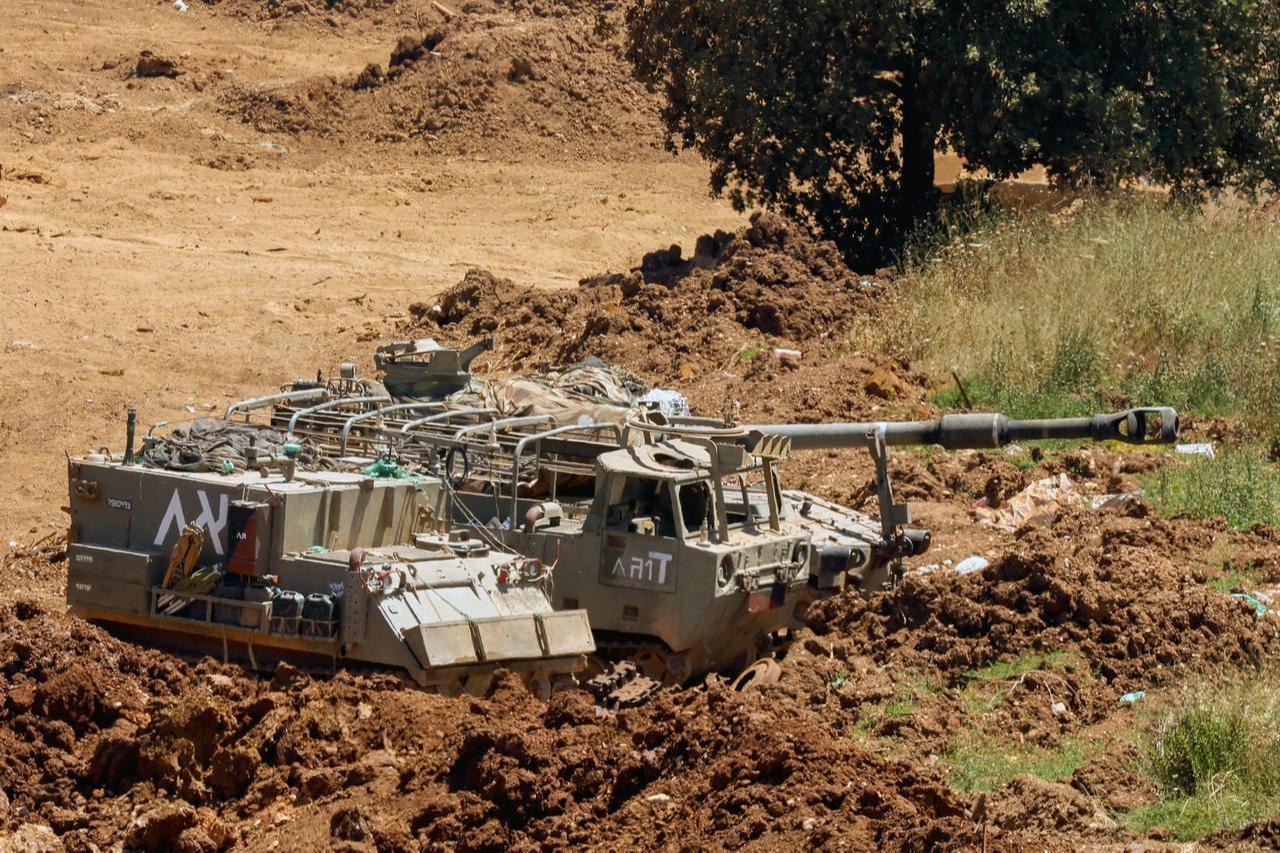

The Israeli army delivered what the Israeli daily Yedioth Ahronoth described as an important message to Israel's political leadership on Thursday, urging the government to preserve its freedom to conduct operations throughout Lebanon, maintain the buffer zone, and pursue the disarmament of Hezbollah.
The paper reported that the recent decline in Israeli strikes deep inside Lebanon was not the result of a policy change but of an absence of clear instructions from political leaders.
"The army does not know what is permitted and what is prohibited," military sources told the paper.
The move came hours after the U.S. and Iranian presidents signed the memorandum of understanding to end the war on all fronts, including Lebanon.
The Wall Street Journal, citing people familiar with multiple calls, reported that Trump's frustration with Netanyahu has boiled over in recent weeks as he worked to end the Iran war while Netanyahu sought to continue it.
In one call, Trump complained that the global economic downturn triggered by the war could associate him with Herbert Hoover and the Great Depression of the 1930s, people familiar with the call said.
In another exchange focused on the nuclear provisions of a potential deal, Netanyahu asked Trump, "Donald, how are you going to verify that?" according to people with direct knowledge of the call.
A senior administration official told the Journal that calls between the two leaders typically follow the same pattern.
"Bibi tells the president why he needs to blow something up, and why Israeli intelligence knows how to do it, and when to do it, and the president listens," the official said.
"The calls are usually the same."
Trump told his advisers that no one can handle Netanyahu and that he wants to "bomb everyone," according to a person who heard the comments.
In a recent interview with the Journal, Trump said: "I find him to be great, but sometimes he gets carried away."
After hearing last week that Trump was going to sign a deal while sidelining Israel, Netanyahu requested an urgent meeting, a person familiar with the matter told the Journal.
Israeli officials were shown a draft of the deal days later.
They had previously assessed that Trump was leaning more toward military strikes than a deal, the Journal reported, and had been on standby for possible strikes.
What has most frustrated Trump, administration officials told the Journal, is Israel continuing to strike Lebanon despite ceasefire orders. At one point, Trump brought Israeli and Lebanese officials into the Oval Office and attempted to broker a deal himself, according to people who attended.
The Journal also reported that in another call about Lebanon this month, Trump called Netanyahu "f*** crazy" and told him he would be in prison without his support, details the paper said were earlier reported by Axios.
On the public record, Trump said of the U.S.-Israel dynamic: "He calls us the big one, and he's the little one."
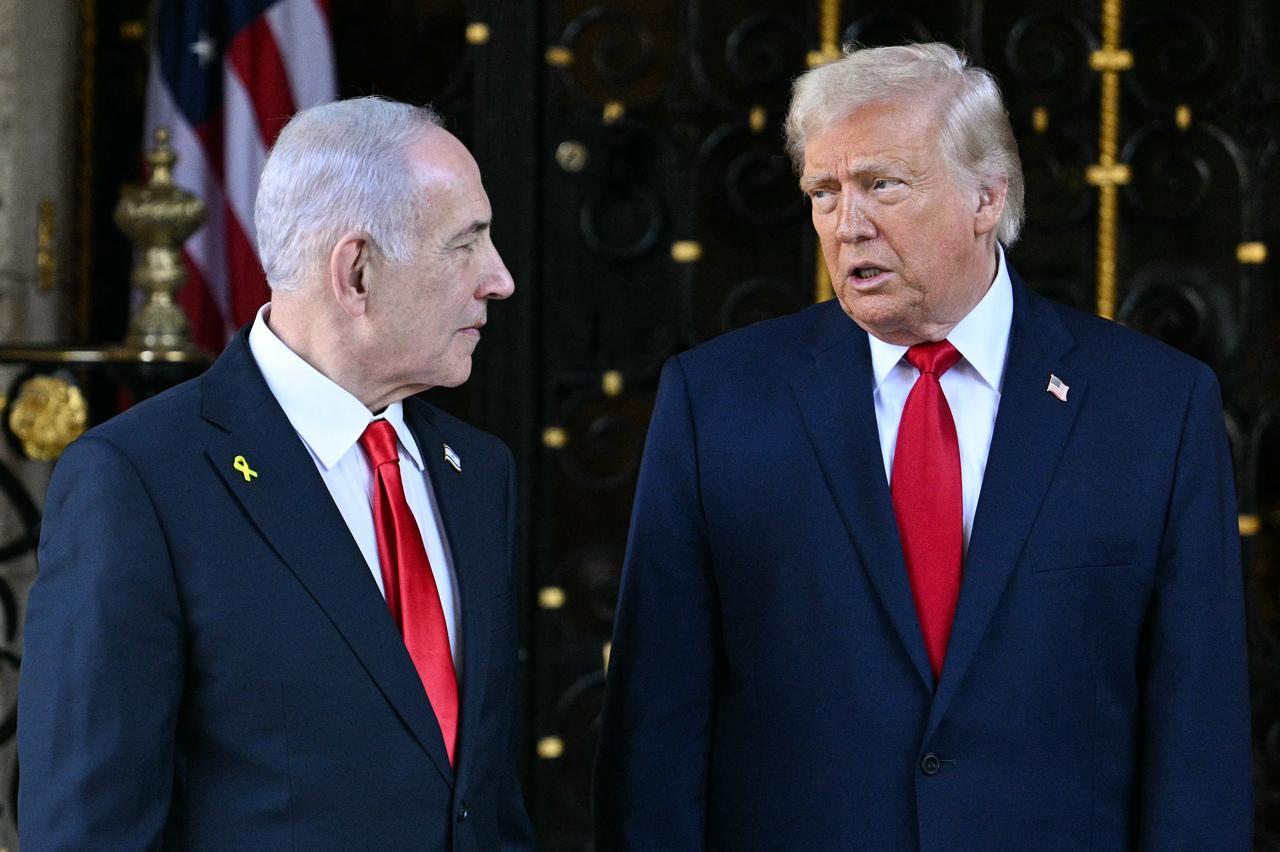
The deteriorating relationship with Trump arrives at a critical moment for Netanyahu, who faces Israeli elections expected in September or October.
Netanyahu had built his political identity in part around his claimed ability to manage Trump and withstand international pressure.
That image is now under strain.
The Atlantic, cited by Maariv, reported that Trump called Netanyahu "completely crazy" and said he had "no judgment" in private conversations during the past month.
The report, attributed to Israeli and American sources by journalist Yair Rosenberg, said the U.S. forced Israel last week to cancel planned retaliatory strikes on Iran and demanded limits on Israeli military responses to Hezbollah fire in the north.
The memorandum of association (MoU) was also presented to Jerusalem as a fait accompli, with Israel denied advance access to the text, the report said.
Some White House officials have asked whether Netanyahu sought to prolong the Iran war to buttress his own political position, administration officials told the Journal. Israeli officials have also turned on some of Trump's advisers, believing they are feeding the president negative information about Israel, the paper said.
"Bibi is terrified that Trump will flip on him, but he also sees Trump as a guy who can be convinced of anything, including attacking Iran," Nathan Sachs, a senior fellow at the Middle East Institute, told the Journal.
A White House official said Trump has a great partnership with Netanyahu and Israel, but added: "No country or leader pressures President Trump to do anything."


 Set as preferred source
 Set as preferred source


 1 min read
 1 min read