Newsletters




Israeli defense officials have expressed growing concern over the current U.S.-Iran escalation, saying Washington is prioritizing reopening the Strait of Hormuz over Iran’s nuclear program, Haaretz reported.
The officials said the latest escalation between the U.S. and Iran is focused on ensuring freedom of navigation through the Strait of Hormuz.
They said Washington does not appear to be showing the same level of determination on Iran’s nuclear program, which they view as a far more critical issue.
Their concerns have grown amid reports that Iran has begun taking steps to repair several nuclear facilities damaged in previous strikes.

The prevailing assessment in the Israeli military and broader defense establishment is that relatively low-grade tensions between Washington and Tehran are likely to continue for some time.
Officials believe neither side wants to return to full-scale war.
A defense source said both sides prefer to “manage the conflict” through sporadic incidents that sometimes lead to several days of limited fighting.
The source said this would avoid escalation into the kind of high-intensity conflict seen during Israeli and U.S. operations against Iran earlier this year.
The Israeli army said it has maintained a high level of readiness since the last round of fighting ended with April’s ceasefire.
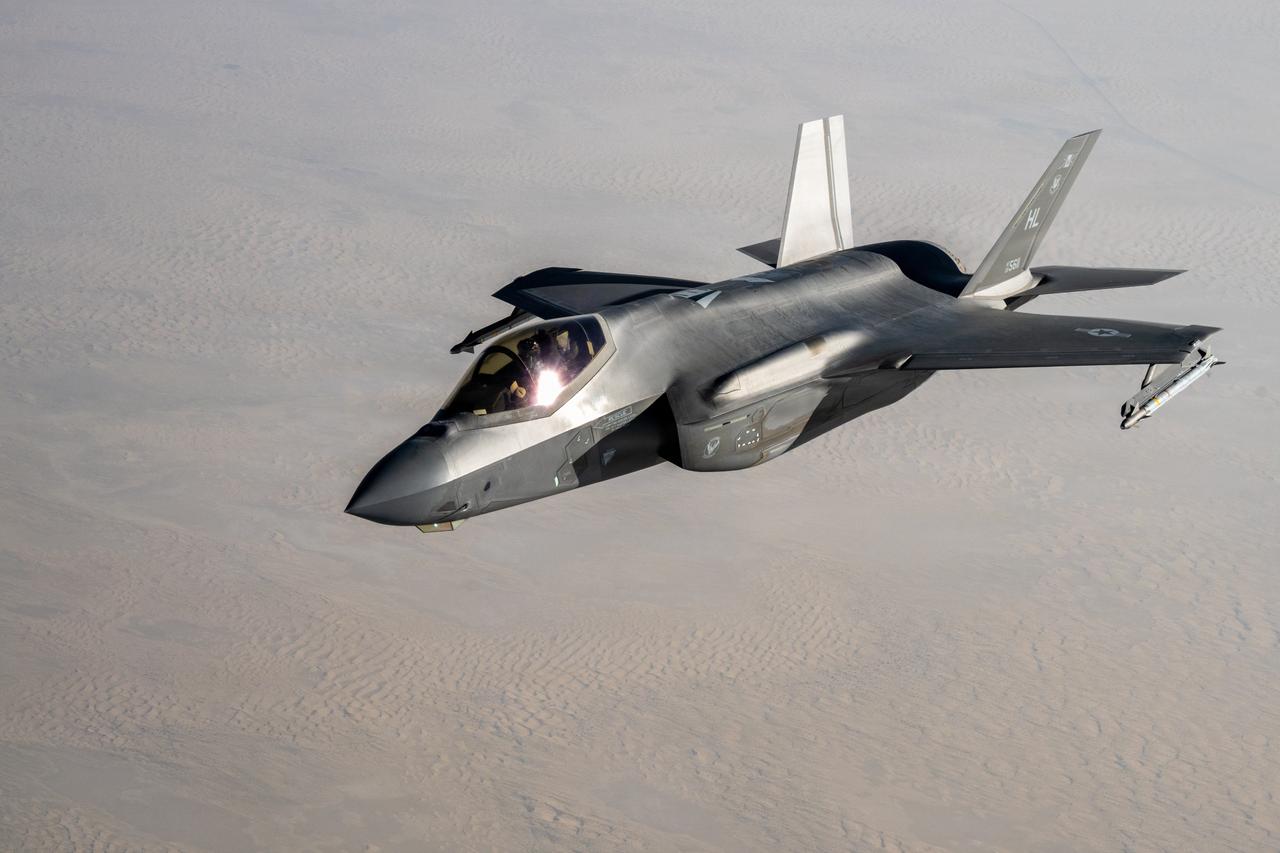
The Israeli Air Force has reportedly remained fully prepared, both defensively and offensively, for a scenario in which Iran decides to draw Israel into the conflict by launching missiles at it.
That has not happened during the latest round of fighting, which began last week.
One of the central questions facing Israeli intelligence officials is why Iran has so far refrained from attacking Israel in response to U.S. strikes.
The Israeli army assesses that Iran’s restraint is a deliberate strategic decision meant to distinguish Tehran’s response to American attacks from its posture toward Israel.
Defense officials assess that as long as Israel does not openly participate in U.S. strikes, Iran has chosen to focus its retaliation exclusively on U.S. targets and assets in the Middle East.
The Israeli military does not believe Iran’s restraint reflects a lack of military capability.
Instead, officials say Tehran has deliberately chosen to preserve those capabilities for a time of its own choosing, including a possible scenario in which large-scale fighting resumes on the Lebanese front.
However, officials warned that if U.S. pressure on the Iranian regime becomes too intense or threatening, Tehran could reverse course and opt for direct escalation against Israel.
Senior defense officials agree that any Iranian attack on Israel would require an Israeli response.
At the same time, some officials have questioned how effective such retaliation would ultimately be.
Several defense officials said even a large-scale Israeli counterstrike might not carry enough strategic weight to fundamentally change the long-term balance with Iran.


 Set as preferred source
 Set as preferred source


 2 min read
 1 min read