

 Newsletters


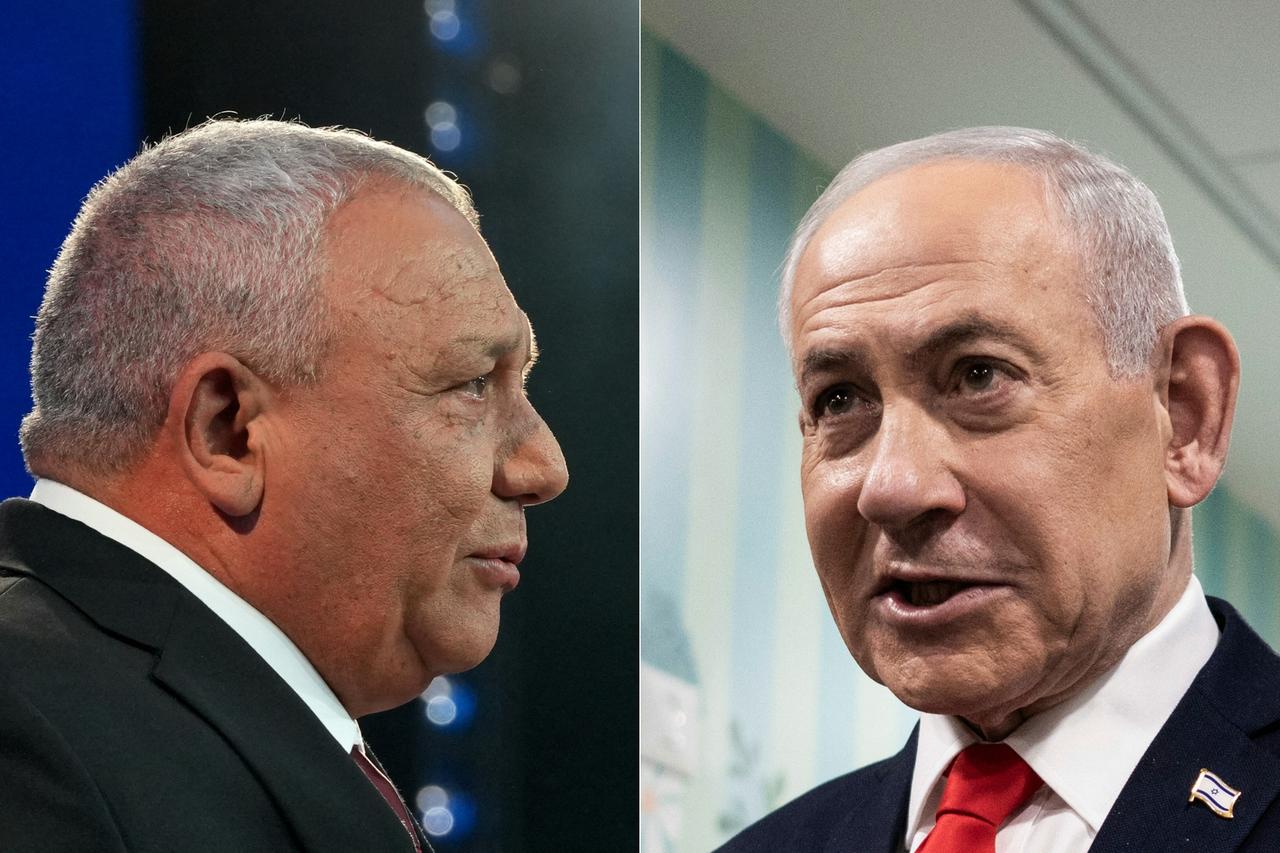


Sources close to Prime Minister Benjamin Netanyahu are promoting a plan for a unity government with Yashar leader Gadi Eisenkot, possibly offering him a rotation as prime minister, despite Eisenkot's pledge not to serve under Netanyahu, The Jerusalem Post reported.
The plan would initially exclude ultra-Orthodox parties so a military conscription law could pass first, according to Likud figures promoting the idea, as Israel's inconclusive election leaves neither bloc with a majority.
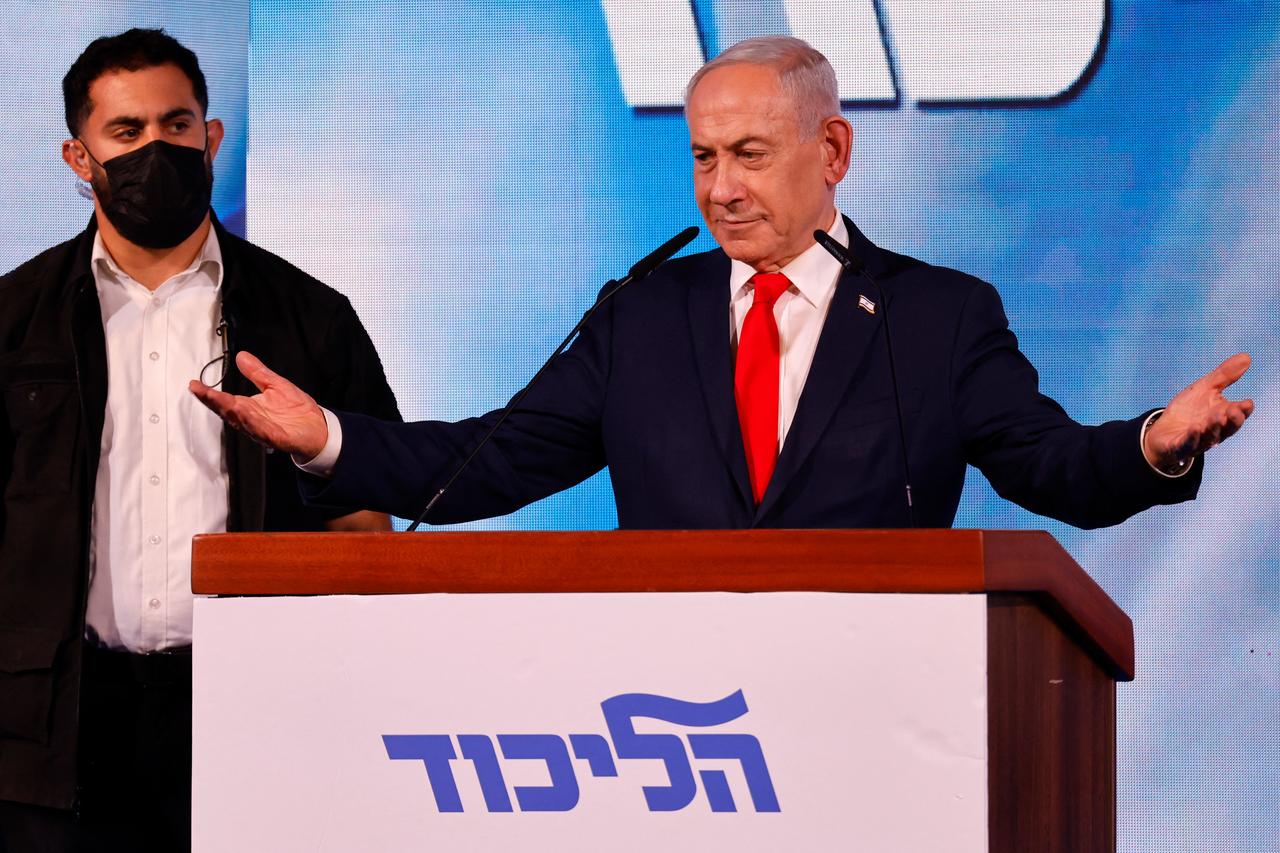
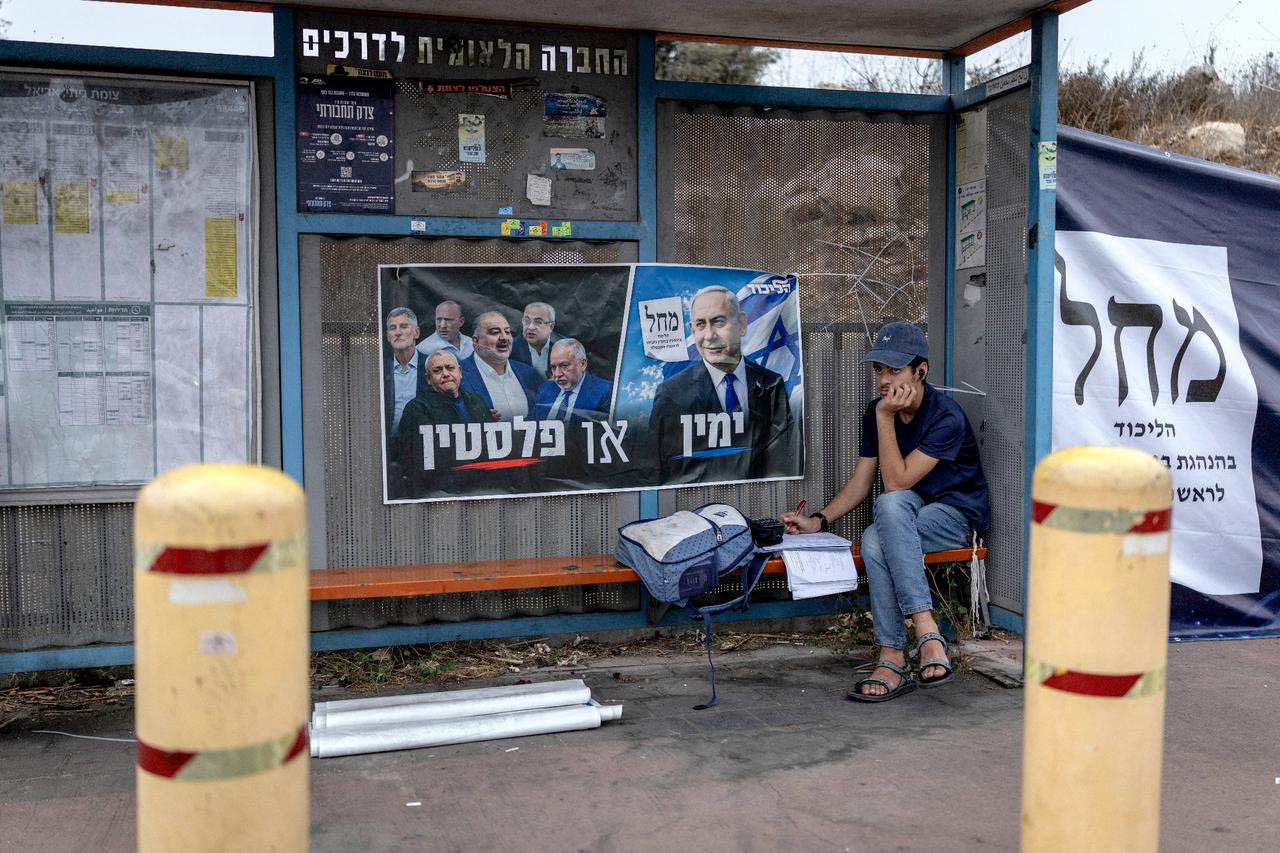
Netanyahu said in his election-night speech in Jerusalem: "We must establish a strong national right-wing government." That same night, figures close to him began briefing reporters on the unity plan.
Those promoting the initiative acknowledge Eisenkot has given no indication he would discuss it.
In one version, Netanyahu would offer Eisenkot the second half of the term under a rotation. Likud officials said Netanyahu would stay until the end of U.S. President Donald Trump’s term, "finish the job in Iran" and lead regional peace initiatives before handing over after about two years.
In another version, Netanyahu would not agree to rotation and would offer Eisenkot a senior ministerial portfolio, according to the Israeli media.
The proposed government would initially include Eisenkot, Itamar Ben-Gvir and Bezalel Smotrich alongside Netanyahu. After passing the draft law, the ultra-Orthodox parties could join, Likud figures said.
Likud officials argue the change bloc has exhausted its electoral potential, including Israelis who flew in from abroad and high Arab turnout that would be hard to repeat.
"Eisenkot will not survive another round and may even lose his position as head of the bloc," sources close to Netanyahu said.
If Netanyahu’s bloc approaches 60 seats, his associates believe recruiting defectors could be "a simpler route," and Likud officials claimed to have identified several potential candidates, the Post reported.
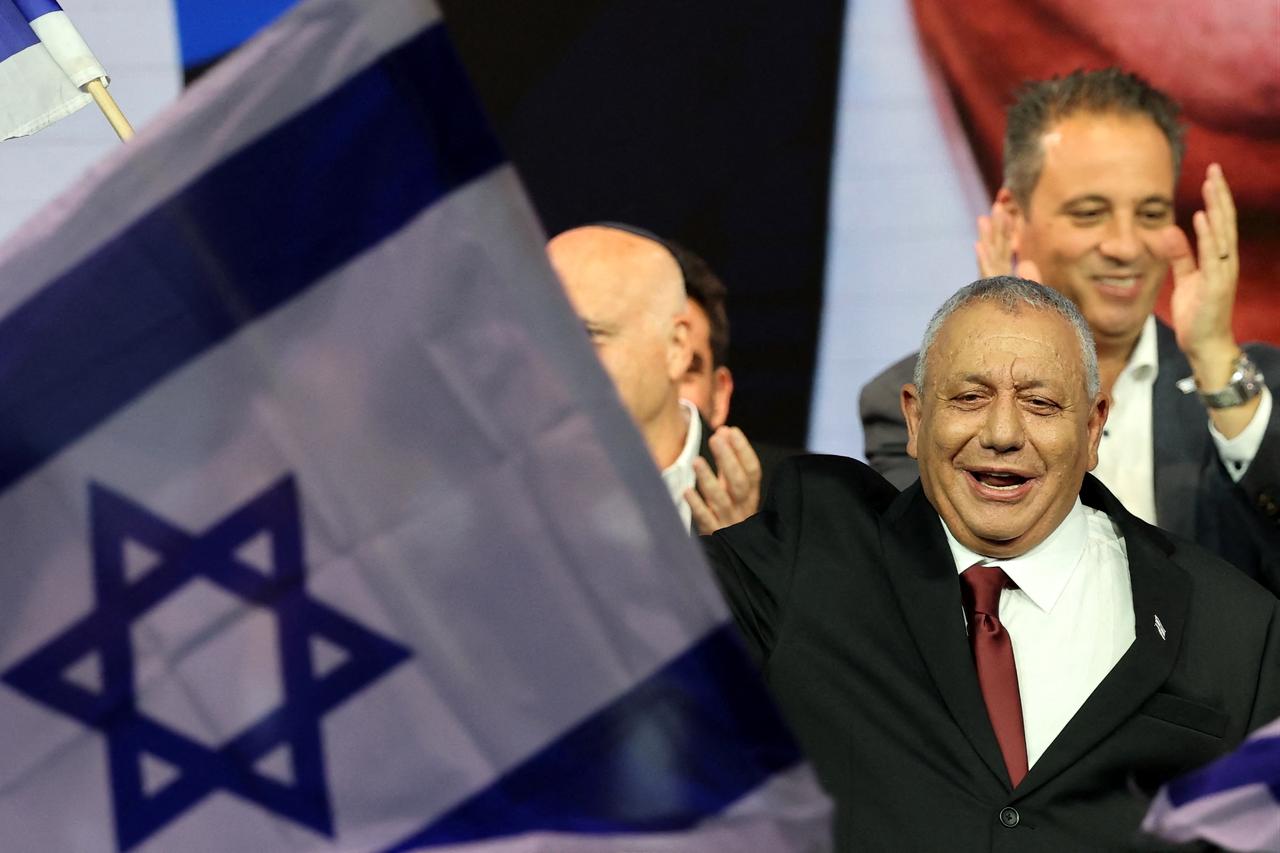

"This would be complete suicide, both morally and politically," sources in the change bloc said, categorically rejecting the idea.
Political figures, including some on the right, are skeptical. They noted Benny Gantz agreed to a rotation only after three elections and during the COVID-19 crisis, and said change bloc voters are now more willing to lift the boycott of Arab parties than to join Netanyahu.
"As long as his voters oppose joining Netanyahu, Eisenkot will not go against their wishes," political sources said.
Yisrael Beytenu leader Avigdor Liberman will neither join Netanyahu nor form a government backed by Arab parties, Channel 12 reported. He has cut contact with Naftali Bennett and Eisenkot and is not answering calls from bloc partners, the broadcaster said.
Liberman does not intend to be the one to cross to Netanyahu’s bloc and prefers that Eisenkot alone do so. His associates believe a security escalation could lead to a political deadlock, so he is choosing to wait.
The Central Elections Committee’s final report will be submitted to the president next week, as talk of a unity government continues.


 Set as preferred source
 Set as preferred source


 2 min read
 1 min read


