Newsletters


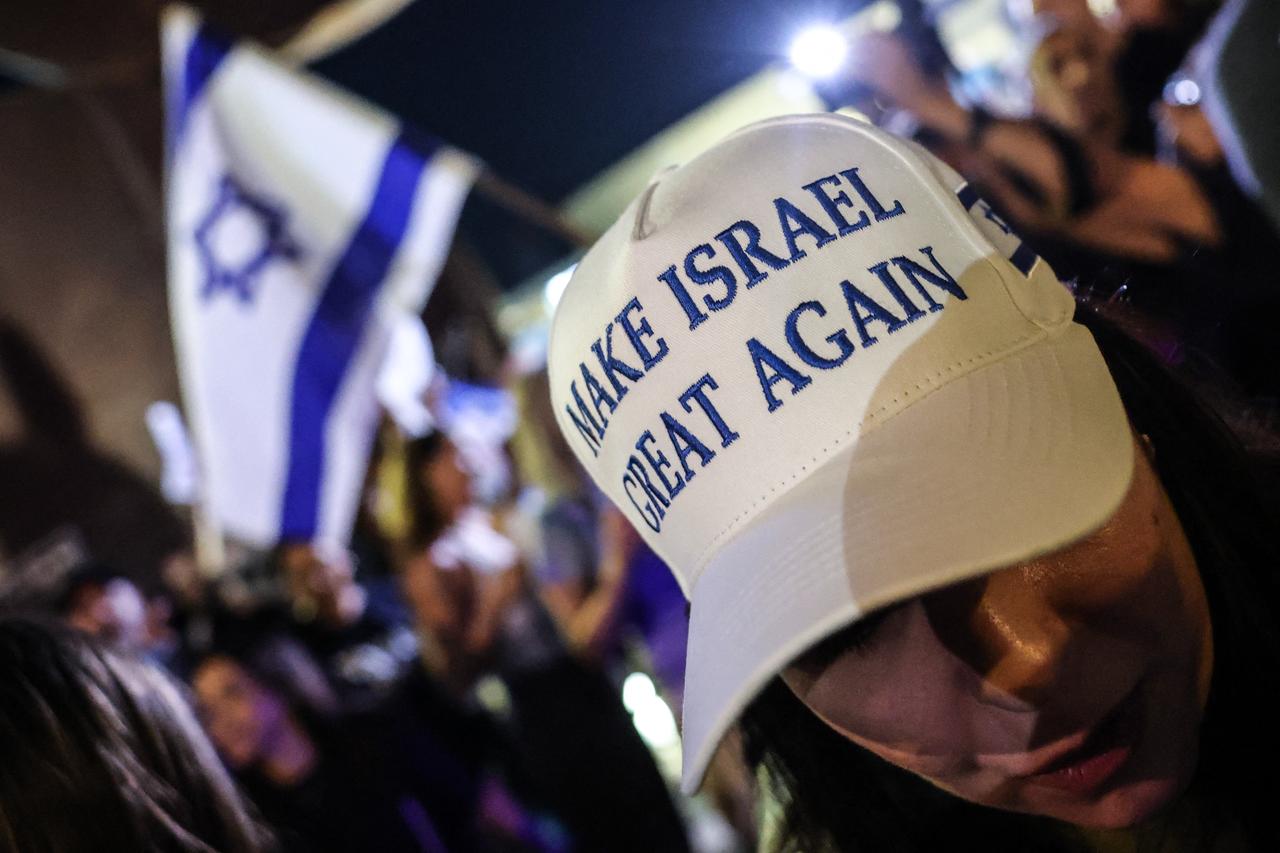


Opposition party leaders in Israel will meet Tuesday after all of them endorsed Gadi Eisenkot as their candidate for prime minister. Incumbent Benjamin Netanyahu, meanwhile, has called for a broad coalition government under his own leadership.
The gathering in Herzliya is the first for the diverse opposition grouping since last week’s close-fought election, which gave neither camp a majority. Eisenkot’s Yashar party said the leaders of the so-called change bloc would meet “to discuss coordinating the bloc’s next steps.”
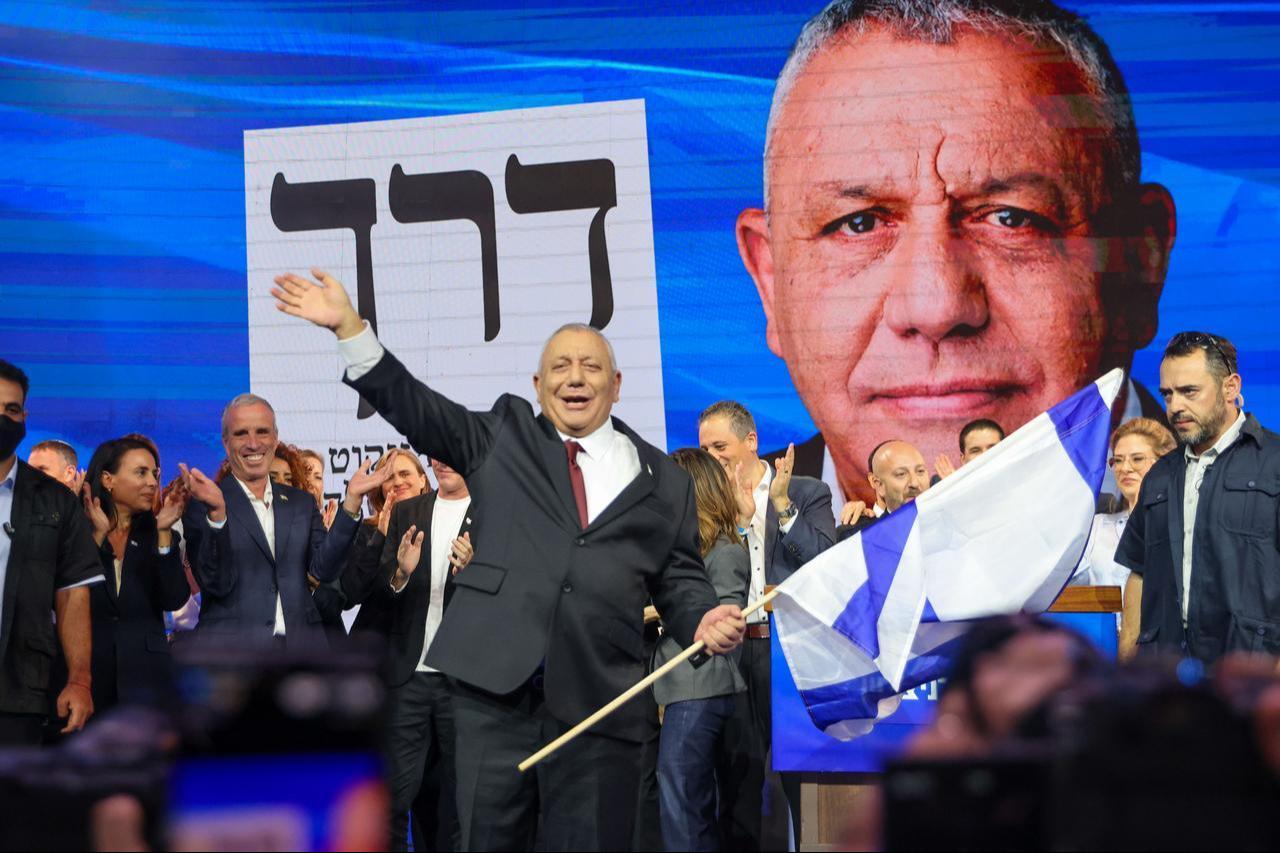

Eisenkot’s bloc won 48 seats, while Netanyahu’s camp secured 53, including 27 for his Likud party. Arab-majority lists won a record 19 seats in the 120-member parliament, where 61 seats are needed for a majority. That result makes them potential kingmakers.
Despite their differences on various issues, every party leader in Eisenkot’s bloc had said by Monday that they would back him to form the next government. The Arab lists have hinted that they may endorse him as well.
On Monday, Netanyahu called for a “broad national government” that excludes the Arab parties. In a statement on Likud’s Telegram channel, he said he should lead the next coalition as head of the largest party.
“A clear majority of the Jewish public chose Likud as the largest party and chose me, as prime minister, to lead the next government,” he said. He added that he wants a government “with our partners and with any party that wishes to join and does not support terrorism.”
Netanyahu ruled out a coalition with Arab-majority lists, alleging that they “support terrorism and deny the existence of the Jewish state.”
Leaders of Arab Israeli parties unanimously condemned the Hamas attack on Israel on October 7, 2023, but did not describe the Palestinian Islamist movement as a terror group.
The leader of the Raam party has recognized Israel as a “Jewish state,” though other Arab leaders have rejected that definition.
In interviews with AFP before the election, the heads of the two Arab-majority lists described a shared objective of bringing down what they called a “racist” government.
Possible support from the Arab lists is one of the main points of contention within the opposition. Yair Golan, the left-leaning leader of the Democrats, has called for a partnership with them. Avigdor Lieberman, the right-wing head of Yisrael Beiteinu, is staunchly opposed.
Eisenkot’s party appears to have ruled out the idea without saying so explicitly. The position of Naftali Bennett’s centre-right Together party is unclear. Few details have leaked about behind-the-scenes negotiations so far.
 1 min read
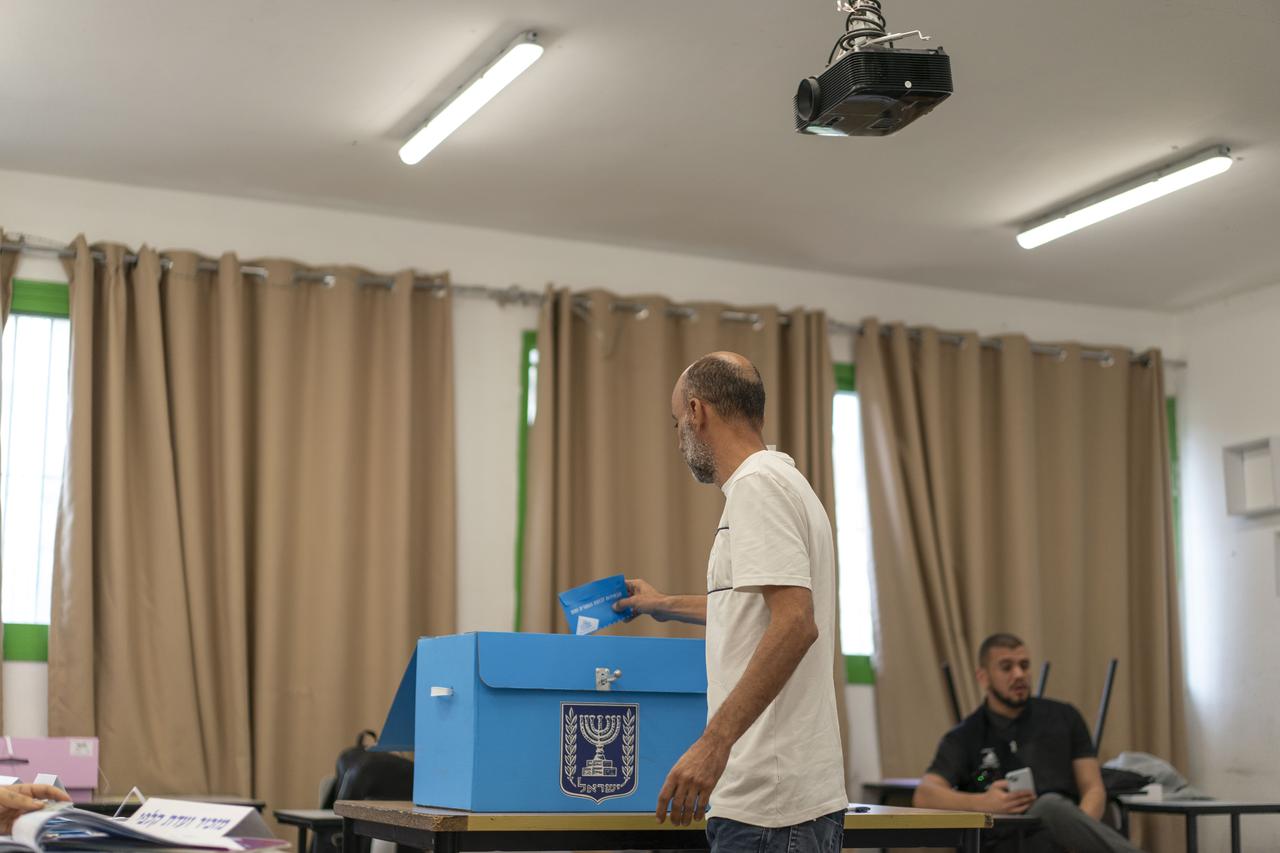
Under established practice, the president asks the candidate with the most recommendations from parties to form a government, taking into account the weight of each party. President Isaac Herzog will begin consultations with party representatives on Wednesday and has seven days, until November 11, to make his choice.
In Netanyahu’s camp, his far-right allies are expected to put his name forward, as is the ultra-Orthodox Shas party, according to media reports. The position of the other ultra-Orthodox party is unclear.
The chosen candidate then has 28 days, extendable by 14 days, to form a coalition. If that fails, the president may pick another candidate, who also gets 28 days.
If the second attempt fails, a group of 61 lawmakers can ask the president to select a third candidate. If no government is formed within 14 days after that, parliament is dissolved and new elections are held.


 Set as preferred source
 Set as preferred source




 1 min read