Newsletters


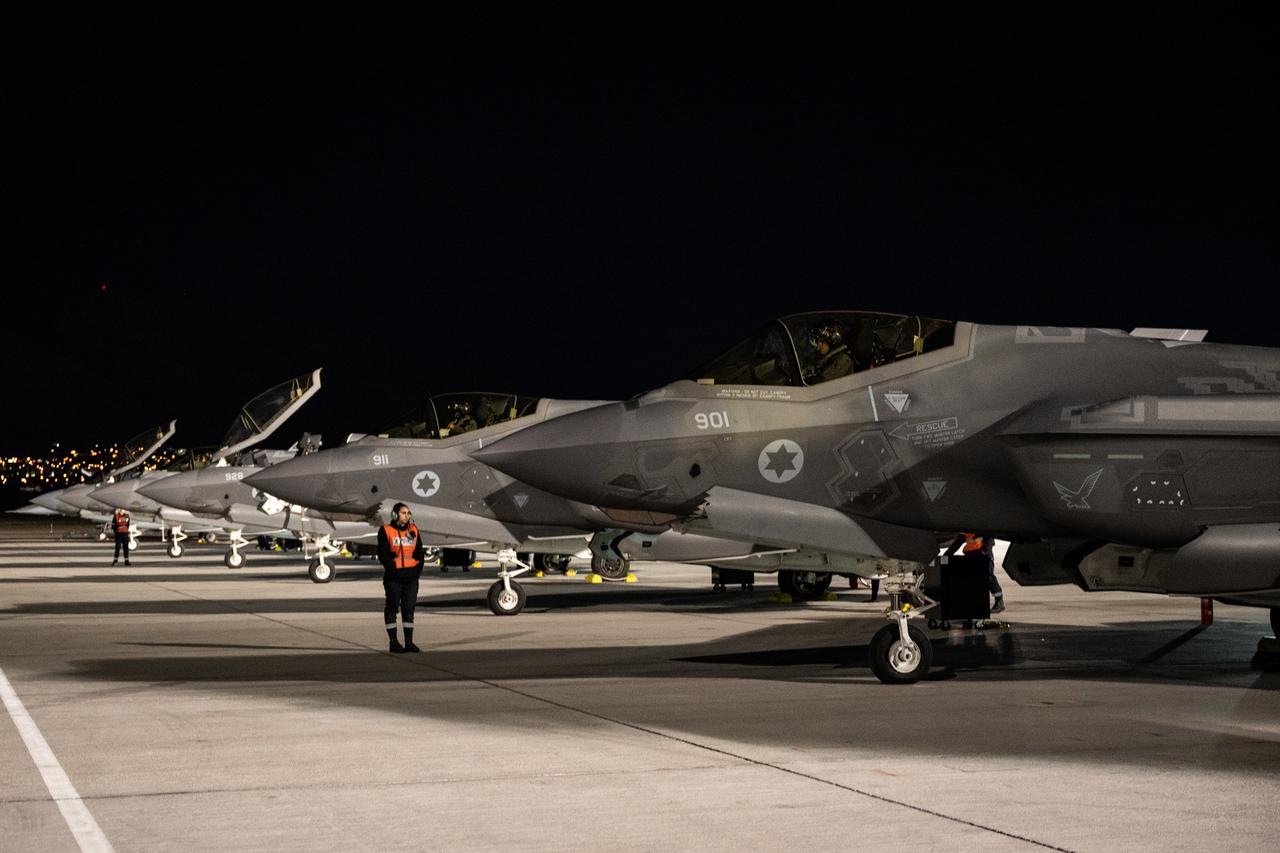


Israel has reportedly completed preparations for a possible resumption of hostilities with Iran, as U.S. President Donald Trump on Saturday identified Pickaxe Mountain as a remaining target.
The Israeli newspaper Yedioth Ahronoth reported that the Israeli military had finalized plans for offensive and defensive operations, while the decision to resume fighting rested with Trump as Washington and Tehran continued negotiations.
Israel's preparations have extended beyond contingency planning. The air force has repeatedly conducted flights involving dozens of fighter jets and refueling aircraft through Syrian and Iraqi airspace toward Iran's borders to rehearse possible attack routes, Yedioth Ahronoth reported, citing unnamed political sources.
The newspaper also reported that 10 U.S. military transport aircraft had arrived at Israeli air bases in recent days as part of an airlift delivering military equipment to the region.
U.S. Central Command chief Brad Cooper presented Trump with options for renewed attacks during a meeting attended by Defense Secretary Pete Hegseth and Chairman of the Joint Chiefs of Staff Dan Caine. No decision has been made on resuming combat, according to the report.
Israeli sources cited by the newspaper questioned whether another air campaign could achieve its strategic objectives, warning that strikes against Iran's nuclear facilities, missile systems and military infrastructure would not necessarily topple its government or change its policies.
They suggested Washington could use the threat of military action to pressure Tehran into accepting an agreement on terms more favorable to the United States. However, any deal that fails to address Israel's concerns over Iran's nuclear program and missile capabilities would leave those disputes unresolved, the sources argued.
The sources also warned that fighting could spread to Lebanon if Hezbollah joined the confrontation again, potentially prolonging the war and straining Israel's air defenses and interceptor missile supplies.
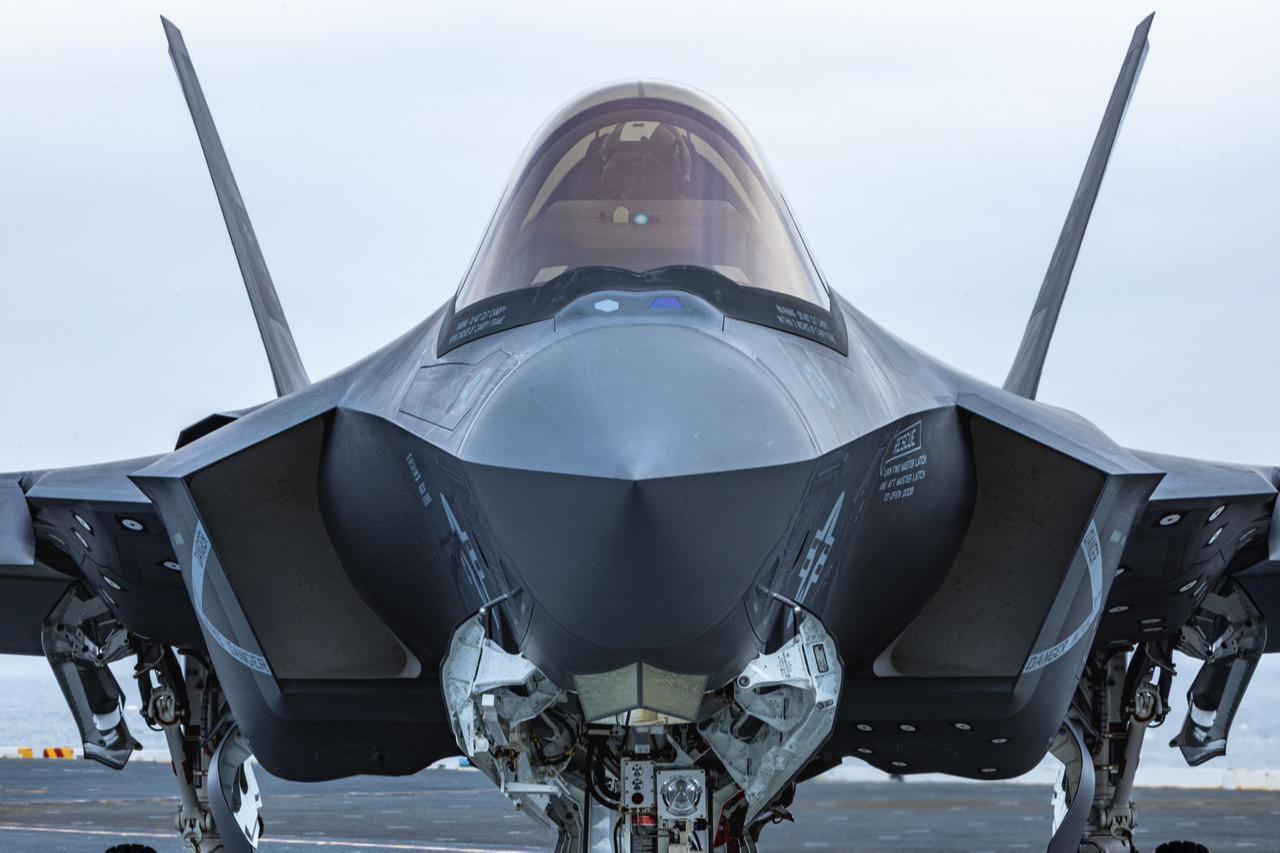

Trump claimed that U.S. forces had already crippled much of Iran's military and nuclear program but still needed to deal with one or two remaining targets.
"We've knocked out their nuclear. We still have to take care of, I would say, one or two sites, but we can do that in 10 minutes," he told reporters at his Florida residence.
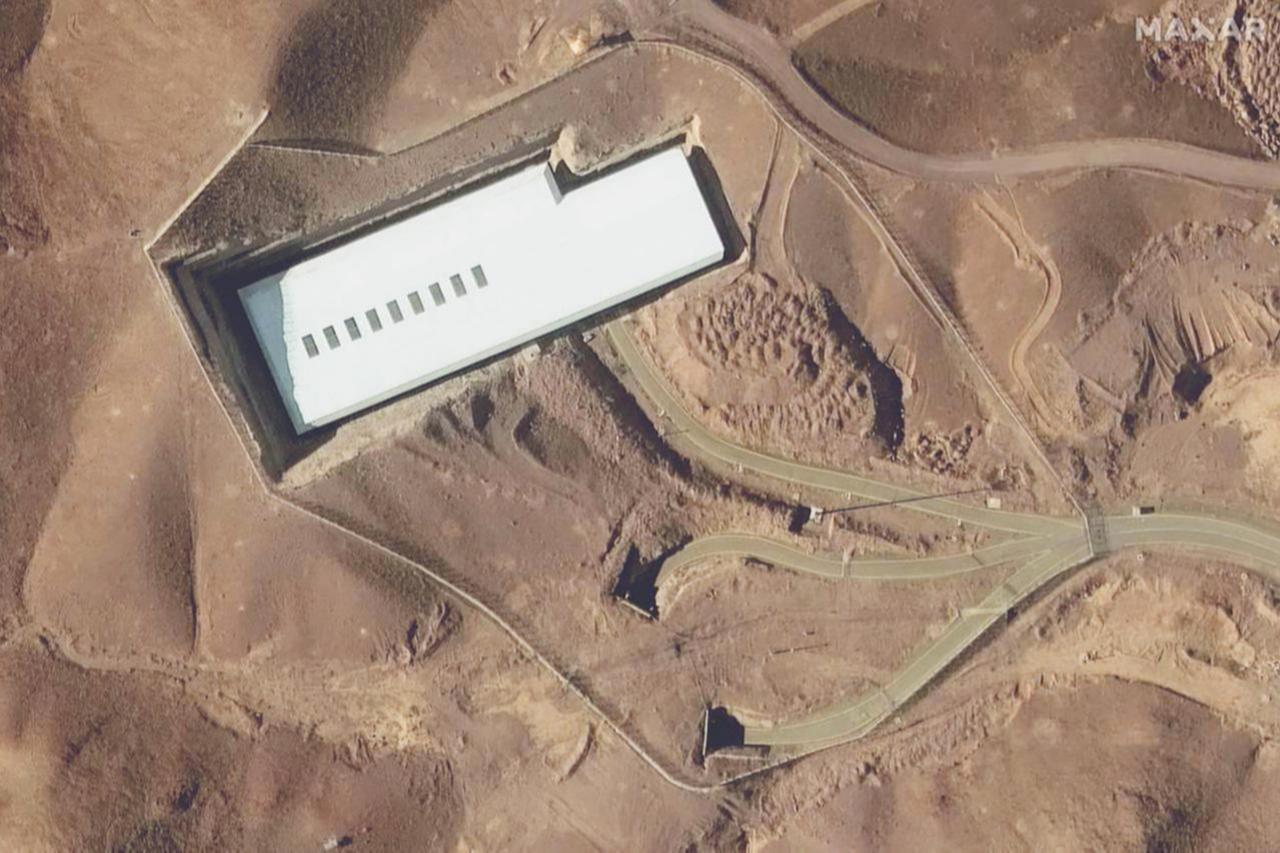
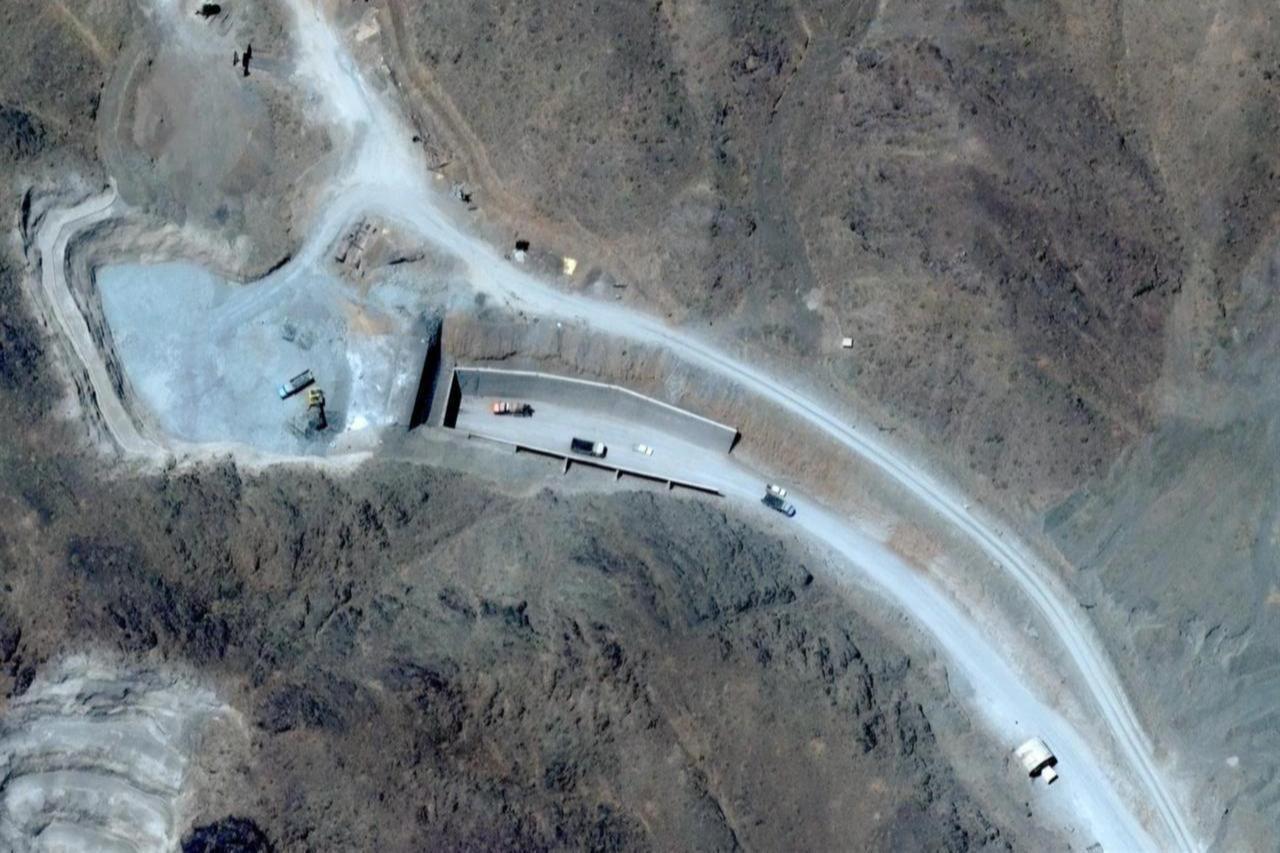
He also singled out Pickaxe Mountain, a suspected underground nuclear complex, as a potential target, adding that the United States could strike it quickly. Iran's government denies that any nuclear work takes place at the site.
Despite his warnings, Trump maintained that Washington was in no rush to launch another offensive because it had already inflicted extensive damage on Iran's military capabilities.
Negotiations with Tehran were "going fine but you know they're not very reliable," he told reporters.
U.S. Secretary of State Marco Rubio said Saturday that Trump had not decided whether to order fresh strikes and that Washington remained open to a diplomatic solution.
Trump had previously warned that an attack could follow this week's U.S. midterm elections. Israeli Prime Minister Benjamin Netanyahu, meanwhile, described the moment as a "historic, one-time opportunity" to topple the Iranian government.
Iran's supreme leader Mojtaba Khamenei warned the United States and Israel against launching another offensive during a meeting with senior military commanders on Saturday, according to a statement.
"Any level or type of threat must be met with an immediate, impactful and geographically unrestricted response," he told the commanders.
Khamenei also ordered the military to update Iran's target list to include "all types of tangible and intangible assets belonging to the American-Zionist enemy."
Diplomatic efforts are continuing alongside the military preparations. Qatari mediators arrived in Tehran on Friday, while U.S. Vice President JD Vance sent a letter to Iran's security chief, Mohsen Rezaei.
Rezaei confirmed receiving the letter in a video broadcast on Iranian television but said he had not yet responded. "Their tone has completely changed," he said, describing the shift as "a good sign" without elaborating.
Araghchi said there were no plans for direct meetings with U.S. officials but indicated that consultations through mediators were continuing.
"Iran's conditions are clear, and consultations regarding them are ongoing among mediators," he told Al Jazeera in an interview.
Rezaei also insisted that Iran would maintain its blockade of the Strait of Hormuz until its demands, including the release of frozen assets, were met.
Qatar and Pakistan have been mediating between the warring parties, but the talks have yet to produce a lasting agreement.
The war began with U.S. and Israeli attacks on Iran on Feb. 28. A ceasefire followed in April, but fighting between Washington and Tehran resumed in July as negotiations stalled.


 Set as preferred source
 Set as preferred source


 1 min read
 1 min read