Newsletters


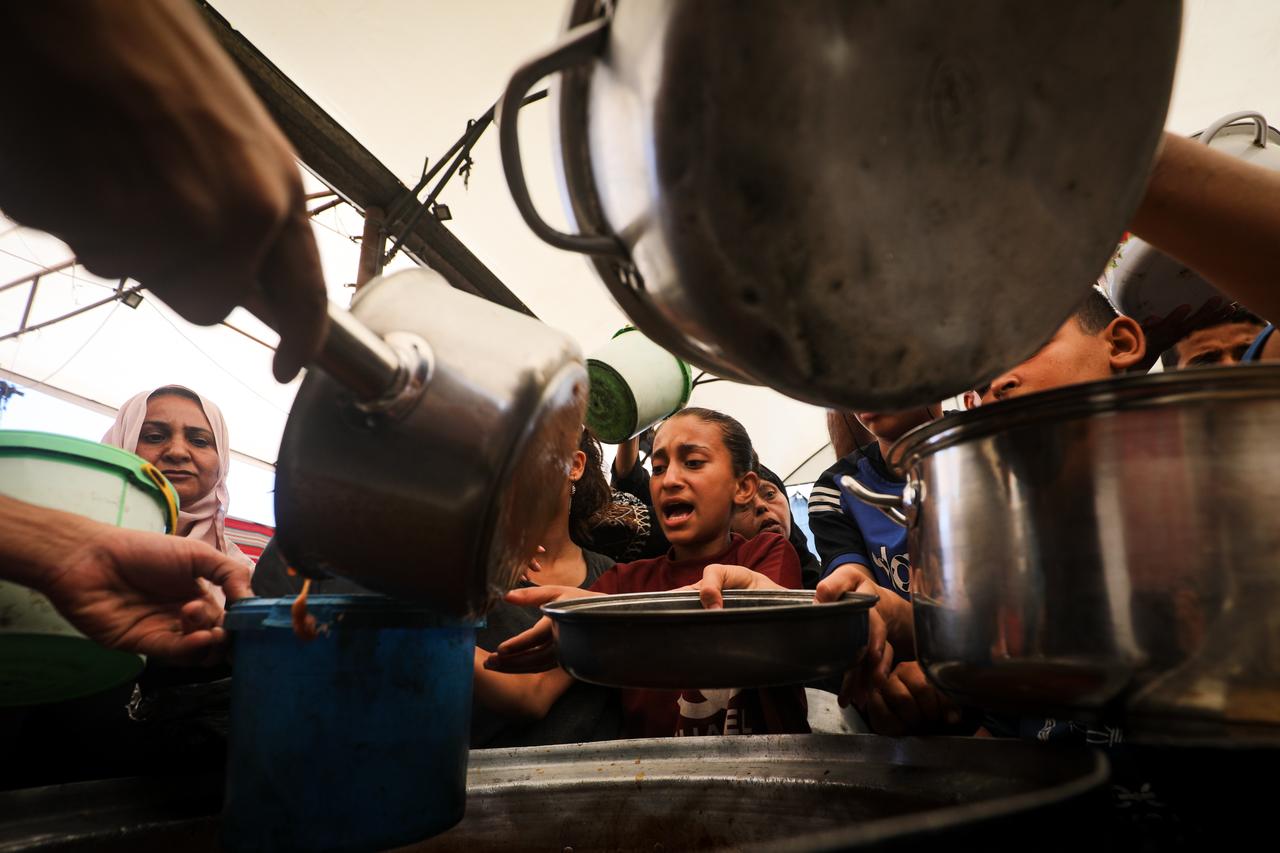


Israeli restrictions covering nearly two-thirds of the Gaza Strip are the main obstacle to humanitarian relief and flood protection efforts, the U.N. said Wednesday.
“Our humanitarian partners stress that the main obstacle is restrictions on access of 65% of Gaza’s land,” U.N. spokesperson Stephane Dujarric told reporters. “The remaining 35% is already overcrowded.”
The warning came as the U.N. Office for the Coordination of Humanitarian Affairs, or OCHA, and partner organizations assessed emergency steps to protect displaced families from winter downpours.
Aid teams inspected three possible relocation areas for temporary shelters for families who choose to leave flood-prone sites near damaged structures at risk of collapse.
Humanitarian teams are also assessing more than 450 existing displacement camps that face severe flood risks and host roughly one-fifth of Gaza’s population, Dujarric said.
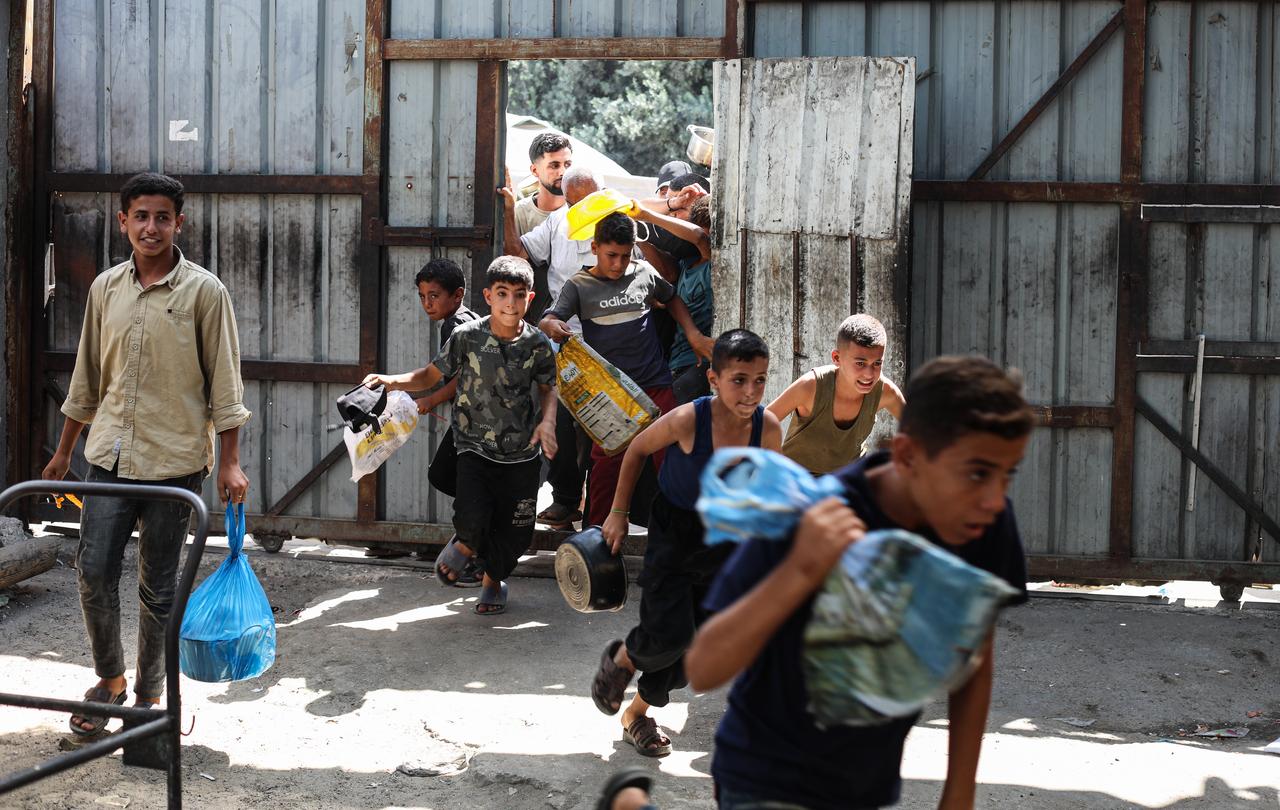

Dujarric said large-scale voluntary relocation requires extensive preparation, including clearing newly identified sites of explosive ordnance before families can move there.
Teams must also level sandy terrain, install water lines, drainage and lighting, open access roads and resolve land tenure issues, he said.
Relief groups are also facing severe logistical bottlenecks because of entry restrictions.
Dujarric said agencies urgently need additional Israeli permits to bring in heavy machinery, spare parts, engine oil and critical supplies, along with funding for emergency fuel and durable materials to repair damaged structures.
The access barriers have also affected health services.
While aid workers are training local staff to treat noncommunicable diseases, shortages of medical supplies continue to severely limit screening and treatment, Dujarric said.
He said major gaps remain in specialized cancer care, including chemotherapy and radiotherapy supplies, while diagnostic systems are being hampered by shortages of generator fuel and mechanical parts.
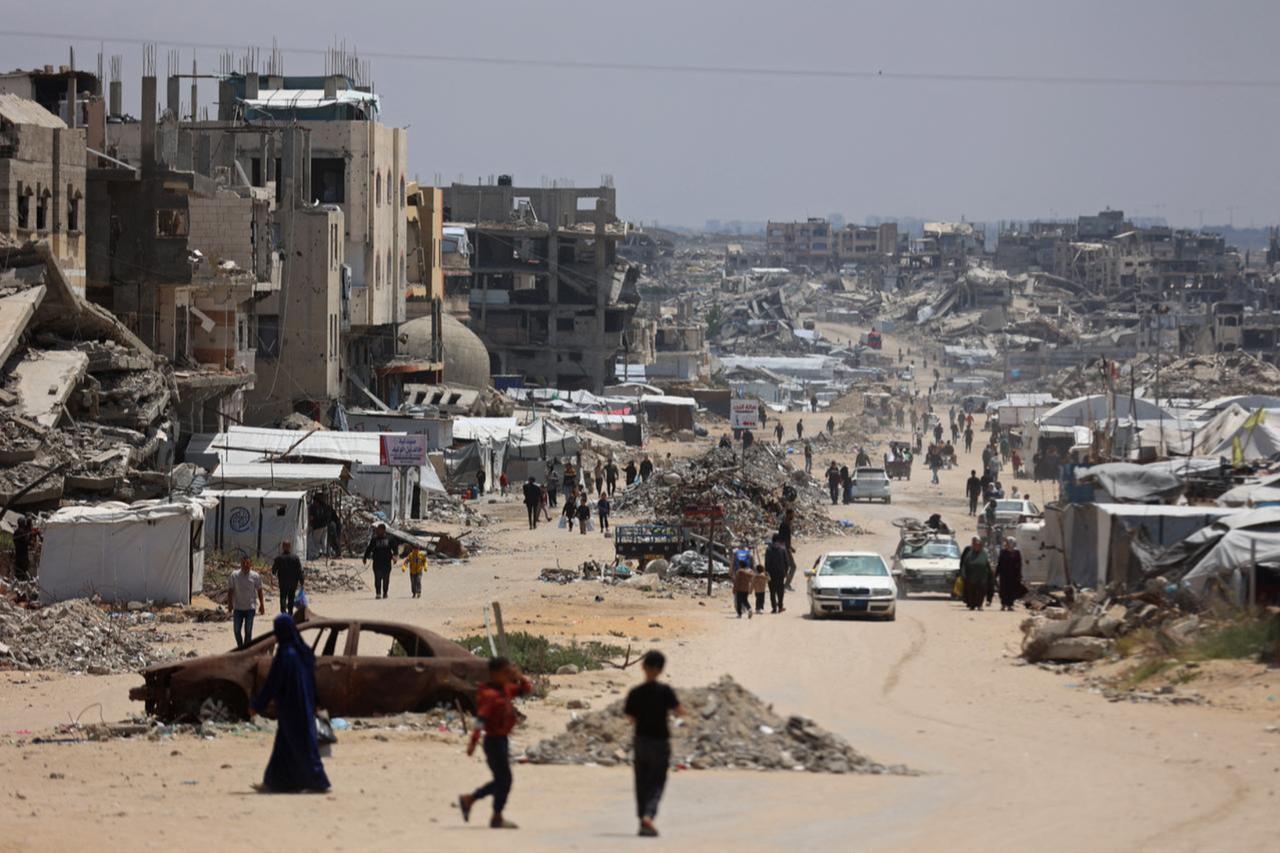
Since Oct. 8, 2023, Israel’s war on Gaza has killed more than 74,000 Palestinians and injured over 175,000, while 90% of the enclave’s infrastructure has been destroyed.
Israeli violations of the October 2025 ceasefire agreement have killed 1,431 Palestinians and injured 5,026 others, Gaza’s Health Ministry said Wednesday.


 Set as preferred source
 Set as preferred source


 1 min read

 1 min read