Sign in
 Newsletters


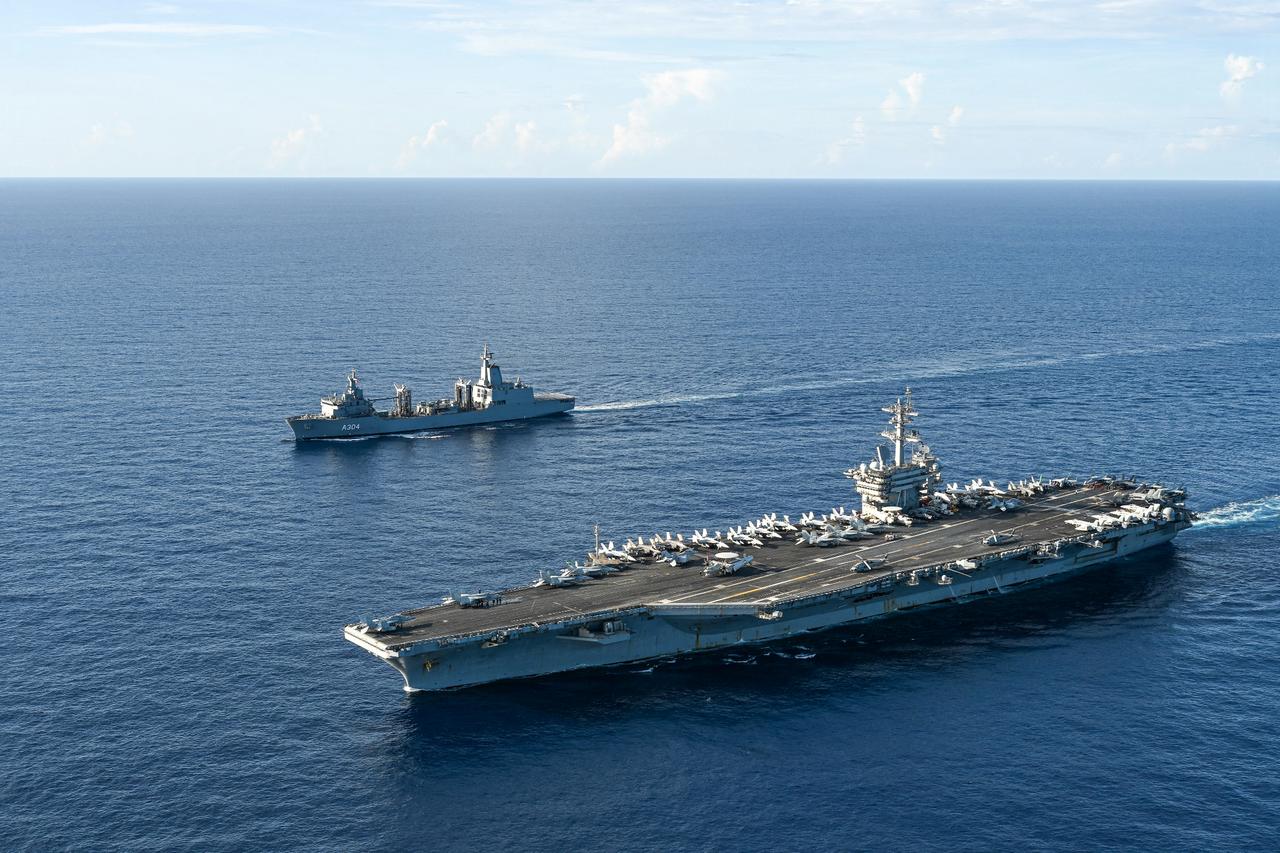


The United States has sent a third aircraft carrier to the Middle East as the war with Iran enters its ninth month, while Vice President JD Vance insisted that President Donald Trump will not let the conflict turn into another prolonged American war overseas.
The USS Theodore Roosevelt is now operating in the U.S. Central Command (CENTCOM) area of responsibility, bringing the number of American carrier strike groups in the region to three, the U.S. military confirmed Monday.
The deployment adds to the presence of the USS George H.W. Bush and USS George Washington, along with more than a dozen destroyers already operating in the region.
"The aircraft carrier is currently operating in the CENTCOM area of responsibility as part of a scheduled deployment," Central Command, which oversees U.S. forces in the Middle East, announced in a post on X.
Questions over how long Washington intends to keep fighting Iran and how much the conflict will cost have intensified, particularly after Republicans suffered major losses in the midterm elections, which Trump and Vance have blamed on the war.
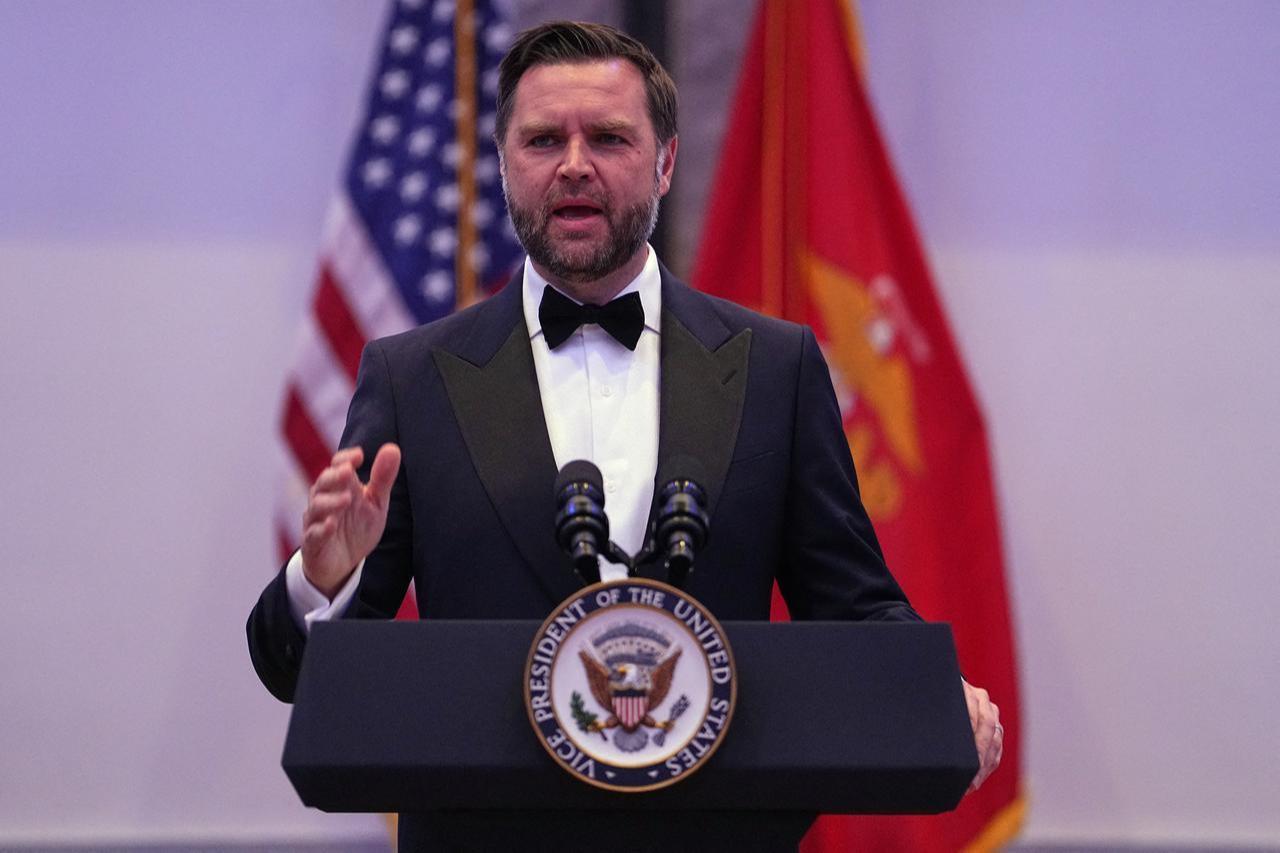
In an interview with Fox News on Monday, Vance dismissed suggestions that he and Trump disagree over the war, asserting that the president intends to bring the fighting to an end rather than keep American forces engaged for years.
He also warned that some foreign policy advocates would continue pressing for further military action regardless of what Trump decides.
"My prediction is that whatever the president ultimately decides to do, there are going to be people who demand more, who want the war to go on indefinitely," Vance said.
He ruled out even a two-year engagement, arguing that the administration had promised voters it would not drag the United States into another lengthy overseas conflict.
"We are not going to allow this to become a 10- or 15-year commitment, or frankly, even a two-year commitment," he said.
"Despite the fact that a lot of neoconservatives and a lot of other people want us to stay there forever, we're not going to stay there forever. We promised we wouldn't," Vance added.
He also predicted that Trump would eventually end the war with "great results" for the American people.
Vance also addressed the political fallout from the war ahead of the 2026 midterm elections, acknowledging that higher gasoline and energy prices had hurt the administration.
"Politically, yes, and I think the president himself has absolutely said this as well. There was a political cost: the higher gas prices, the higher energy prices," he remarked.

The USS Theodore Roosevelt's arrival comes as the United States and Iran continue to trade strikes across the Gulf.
Tehran claimed Sunday that its forces had used drones to attack a U.S. radar system at a helicopter base in Bahrain. Bahrain's military, however, reported intercepting the drones before they could reach their targets.
Iran also launched drones toward Bahrain on Friday, marking the first attacks on Gulf countries since September. U.S. Central Command (CENTCOM) said it shot down two Iranian drones that day, with no casualties or damage reported.
The latest attacks follow the U.S-Israeli strikes on Iran in February that triggered the war and brought several Gulf countries into the conflict.
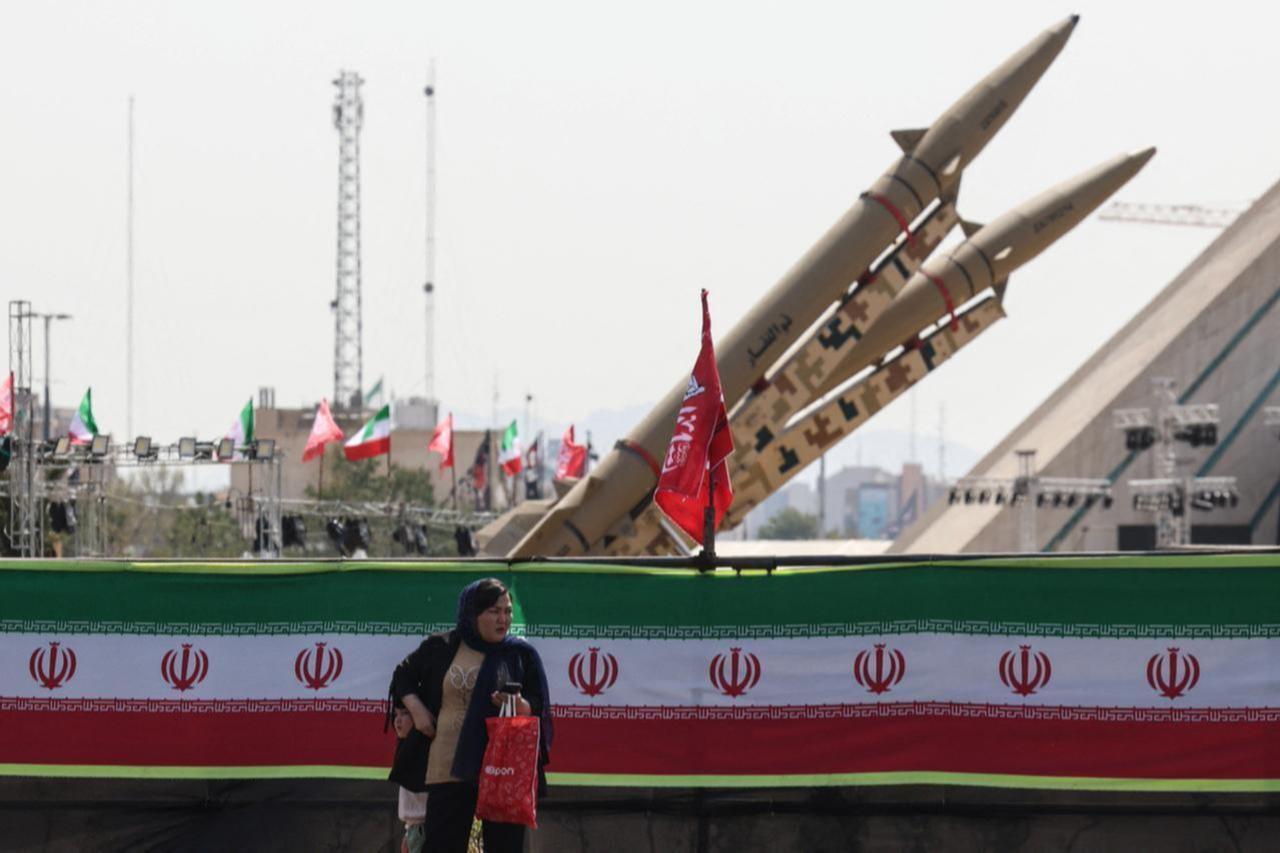
Efforts to negotiate an end to the fighting have made little headway, with Tehran tying the reopening of the Strait of Hormuz to a series of demands on Washington.
Iran wants the release of its assets frozen abroad, sanctions relief and an end to the U.S. naval blockade of its ports. Tehran has blocked the strategic waterway since the war began but has offered to reopen it within two days if Washington accepts its terms.
The strait is a key route for global energy shipments, and its closure has disrupted one of the world's most important oil and gas transit corridors.
Trump has also said he plans to discuss the war with Russian President Vladimir Putin and Chinese President Xi Jinping at a trilateral meeting scheduled for Nov. 19 in Shenzhen, China, on the sidelines of the Asia-Pacific Economic Cooperation (APEC) summit.
The meeting would bring together the leaders of the world's three largest powers for talks on the Iran conflict, nuclear arms reduction and broader international security issues.
The White House has identified nuclear arms reduction and the Iran war as key topics, while Trump has also signaled an interest in discussing trade and economic ties.
Chinese Foreign Ministry spokesperson Mao Ning said the leaders would focus on safeguarding world peace and maintaining strategic stability, although Beijing has yet to release a detailed agenda.


 Set as preferred source
 Set as preferred source


 1 min read
 1 min read