Newsletters


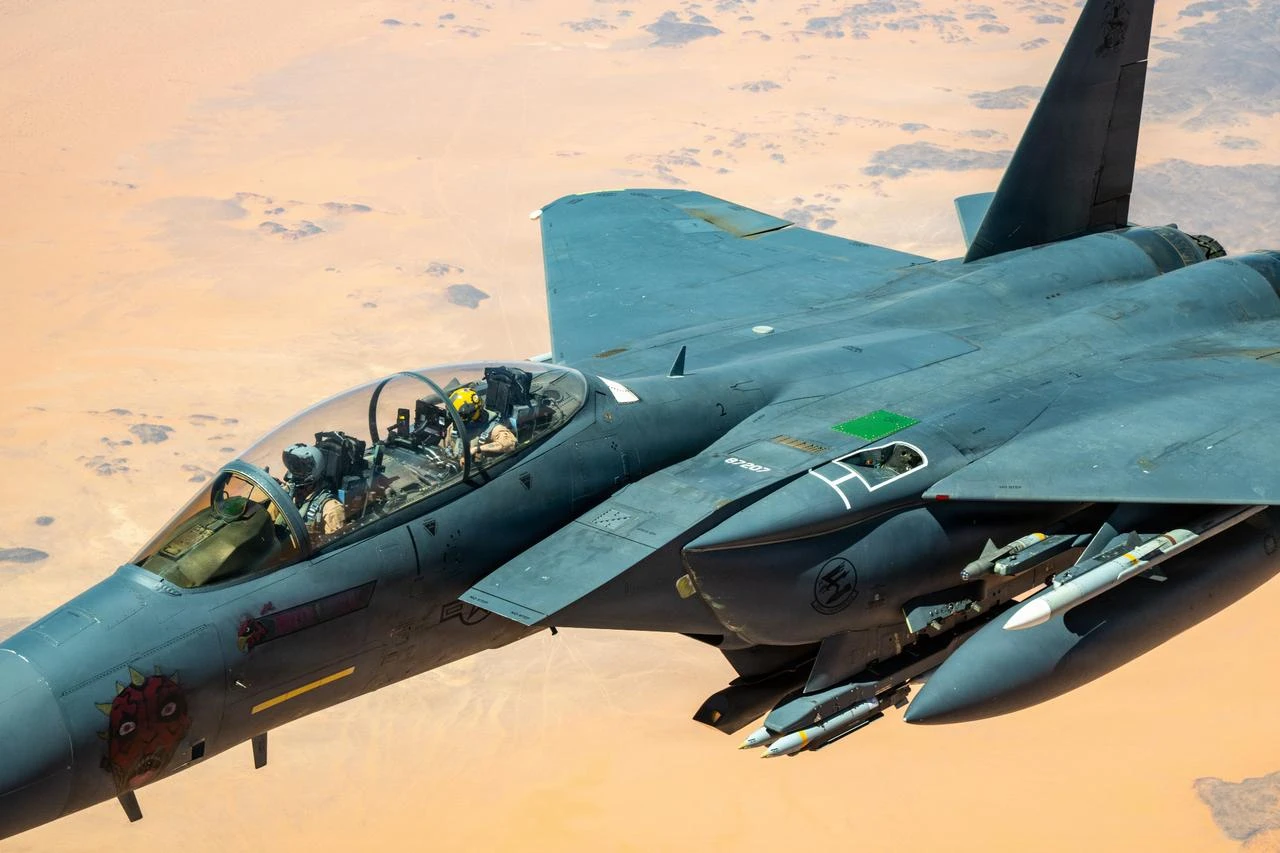


A U.S. military intelligence assessment has concluded that Iran's strategic priority has shifted from its nuclear program to the Strait of Hormuz, according to two U.S. officials familiar with the assessment, NBC News reported.
Military officials have told U.S. President Donald Trump that Washington could attempt to take the strait by force, but that such an operation would be long, deadly and very costly, with no certainty of success, the officials said.
The military's drafted plans for such an operation, should Trump order it, assessed that it would result in large numbers of U.S. troops being wounded or killed, one of the U.S. officials told NBC News.
The official said the risks of a large-scale military operation have been a factor in Trump's discussions with advisers about next steps on Iran.
Three European and two Arab officials from Persian Gulf states told NBC News they share the view that forcing the strait open through U.S. military action would be a drawn-out, risky operation that could result in American warships being hit by cruise missiles or drones.
They said it could also drive up oil prices further, with no guarantee of a clear victory, and that America's European and Middle Eastern allies conveyed this view to Washington earlier in the war.
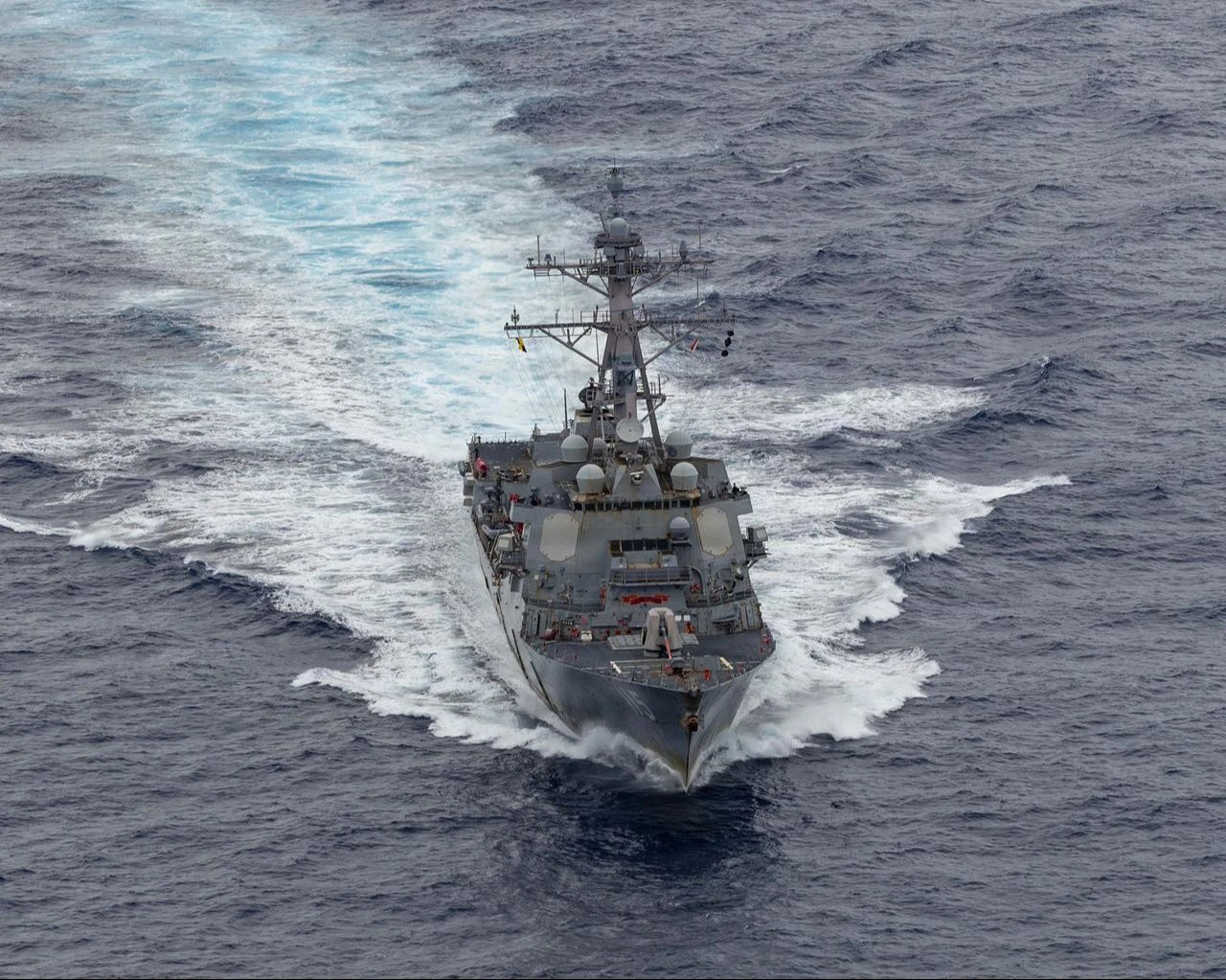

"As the President has stated, the Strait of Hormuz is 'completely controlled by the United States Navy and our Blockade … Nothing gets through to Iran, unless we want it to, and nothing will get through, unless a Deal, or Total Surrender, is accomplished,'" an administration official said in a statement to NBC News.
"Iran does not control it," the official added.
"Any temporary routes will be without any impediments, meaning no approvals or permissions and no tolls or charges. The Strait of Hormuz is an international waterway and no party controls the lanes or the ability to transit through them," the official noted.
A Defense Department spokesperson told NBC News: "The department declines to comment on intelligence-related matters and hypothetical scenarios."
Two of the European officials said Iran believes it holds the upper hand in negotiations through its de facto control of the strait, viewing that as a more powerful leverage than its nuclear program.
Iran and Oman have been negotiating the terms of a potential deal on the strait, with the U.S. on the sidelines, and Iran's view of the strait as an existential and strategic priority could make reaching any deal more difficult.
Trump said Monday that the U.S. Navy controls the strait.
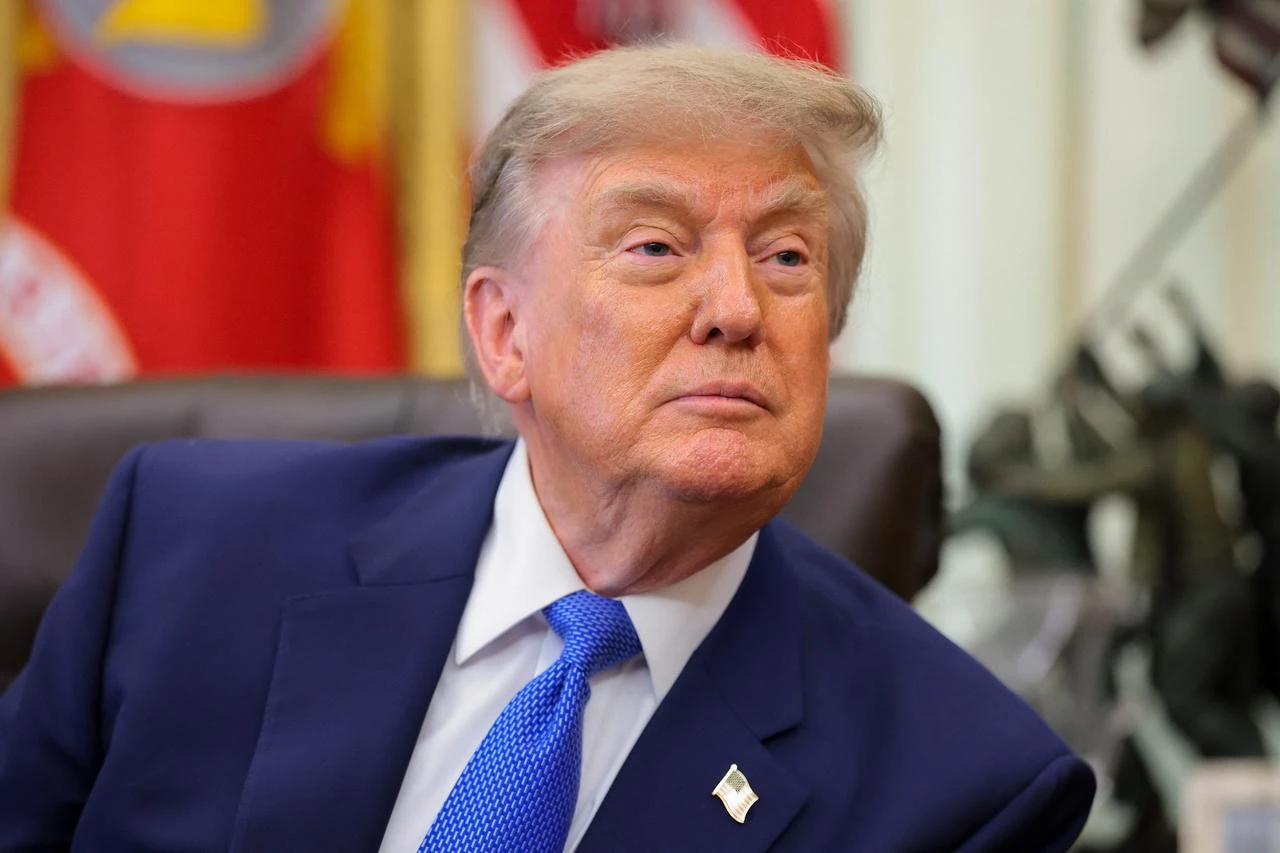
"We have a blockade that's been infallible," he told reporters in the Oval Office, adding, "It's a steel wall."
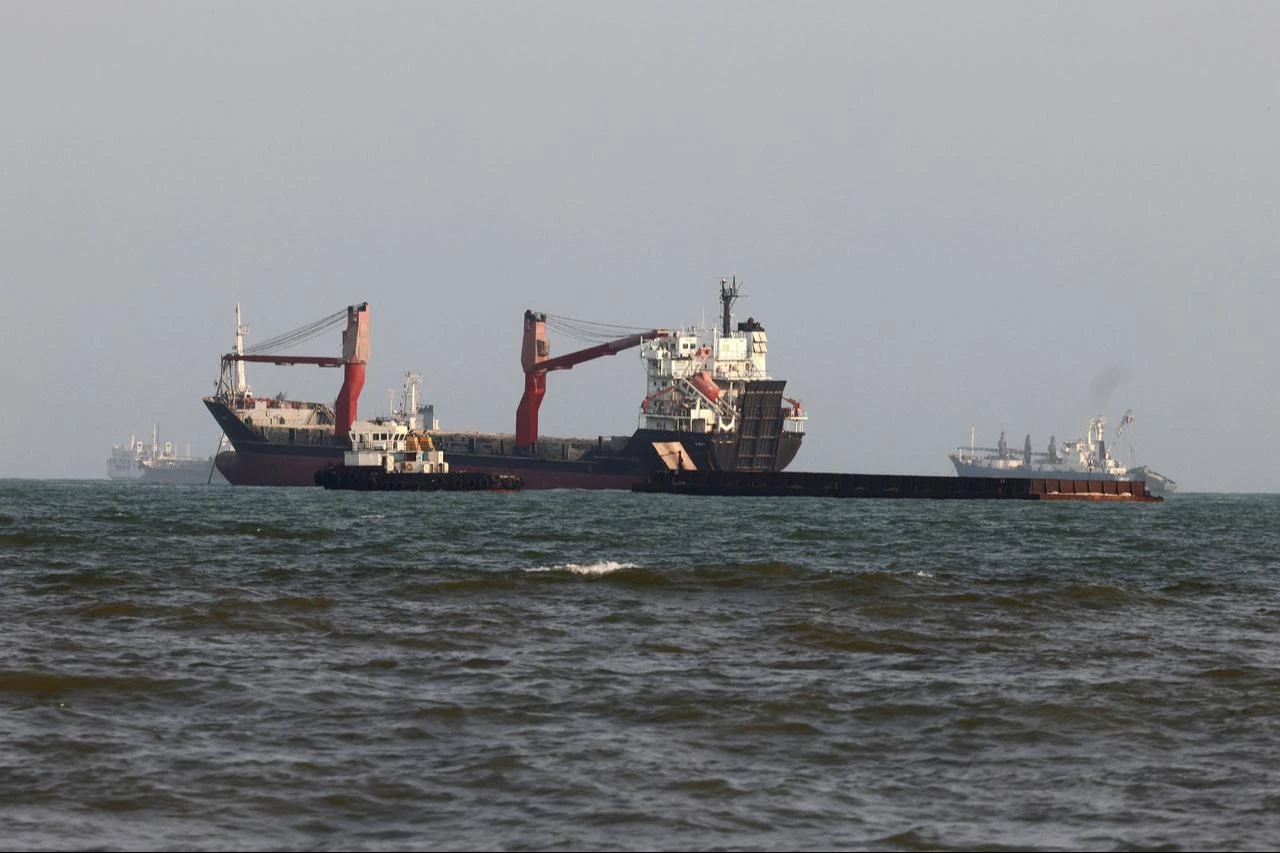
Traffic through the strait has slowed to a trickle compared with pre-war levels. Just 17 ships transited the strait over the weekend, ship-tracking website MarineTraffic said in a report Monday. Before the war, around 100 ships a day passed through the strait, carrying 20% of the world's oil and natural gas.
Negotiations to reopen the strategic waterway appear at an impasse, with Iran introducing new demands that threaten to put a diplomatic resolution out of reach.
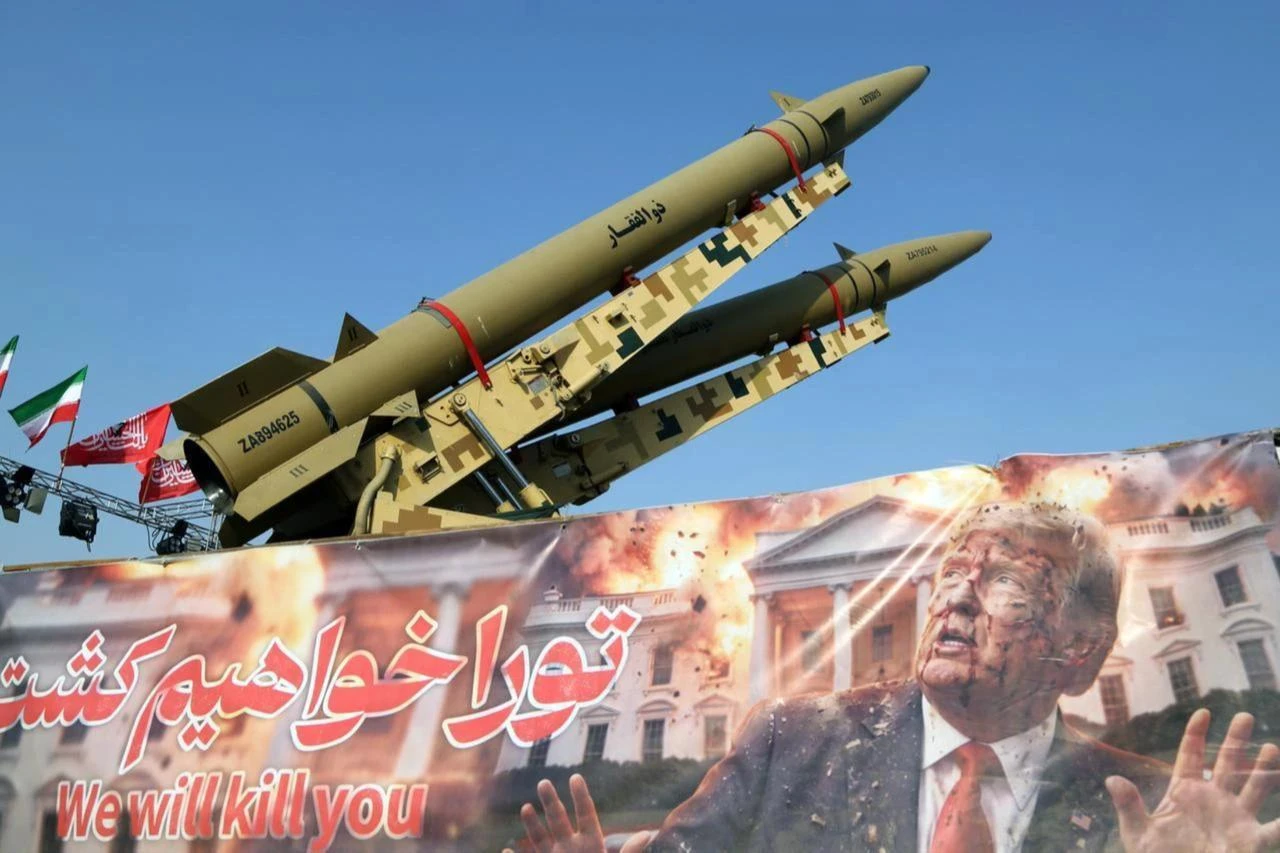
According to Mohammad Bagher Zolghadr, secretary of Iran’s Supreme National Security Council, Tehran insists the strait will remain closed until the U.S. permanently ends the war and completely withdraws its troops from the region.
Iran is also demanding an end to the U.S. naval blockade, the unconditional release of frozen Iranian assets, compensation for war damages, and a cessation of threatening rhetoric or insults to national sanctities.
U.S. President Donald Trump addressed these demands on Monday, telling reporters, "They asked for reparations, you might say, or they asked for money for the damage that we've done." Trump rejected the terms, countering that Iran should instead pay for the destruction it has inflicted on U.S. assets, American troops, and its own citizens.
The prolonged closure of the strait continues to roil the global economy, driving up international fuel prices and the cost of basic consumer goods. Amid the deadlock, hostilities on the water persist. Two U.S. officials confirmed that Iran continues to fire on ships while the U.S. military persists in directing vessels through the waterway.
According to the officials, the Pentagon continues to intercept missiles and drones launched by Iran’s Islamic Revolutionary Guard Corps (IRGC), fueling growing concerns over the sustainability of the U.S. stockpile of interceptors.
The war with Iran is increasingly unpopular among Americans.
A new poll from the Associated Press-NORC Center for Public Affairs Research found that two-thirds of U.S. adults say the conflict has not been worthwhile. That includes the vast majority of Democrats and independents, as well as about 37% of Republicans.
Trump had recently threatened to resume large-scale military operations against Iran but backed off the plan this month, saying the two countries had agreed on the outlines of a deal, including an agreement to open the strait.
Iran later said it was not negotiating with the U.S. As Trump has discussed next steps in the war with advisers, concerns about the Pentagon's dwindling supply of key weaponry have been a significant factor.
Trump said Sunday that the U.S. was only partially negotiating with Iran.
"We are low-keying it," he told Axios in a phone call, adding, "We are only semi-negotiating with them."
The Trump administration has also emphasized in recent days that it would try to exert further economic pressure on Iran, which some former U.S. officials said could be interpreted as a tacit admission that military pressure has failed to push Tehran to make major concessions.
Trump has told his advisers he is not confident Iran would live up to its end of any deal but still wants the U.S. to try to reach one, one of the U.S. officials said.
The European officials said Iran's government has proved more resilient than the U.S. and its allies expected, able to withstand heavy bombing and a naval blockade while retaining a firm grip on power at home, according to NBC News.
"The regime doesn't want a deal," one of the European officials said, adding that internally, the war shifts public focus from economic failures and repression toward foreign adversaries.
"They want negotiations that drag on," the official added.


 Set as preferred source
 Set as preferred source


 1 min read
 1 min read