Newsletters


Lebanese Economy Minister Amer Bisat stated that Lebanon has lost an estimated $2 billion, approximately 7% of its gross domestic product (GDP), since Israel's military offensive escalated on March 2.
Israel launched strikes on more than two dozen villages in southern Lebanon the day after a 45-day ceasefire extension was agreed in Washington, prompting Hezbollah to warn Lebanese authorities to abandon "illusions" of reaching a peace agreement with Israel.
Speaking to Al Jazeera, Bisat said, "The impact has been fairly major. We think of them in terms of multiple challenges. One challenge is the economic impact itself: people losing their jobs, farms not producing, manufacturing companies closing, and tourists not showing up. That impact is very large. We are estimating that during the war, we lost probably $2 billion. That's roughly 7% of the GDP."
He added that 1.2 million people had been displaced in five weeks and that reconstruction would cost billions more.
Al Jazeera's Beirut correspondent noted that the Lebanese government was sheltering 120,000 people, while hundreds of thousands more were on their own.
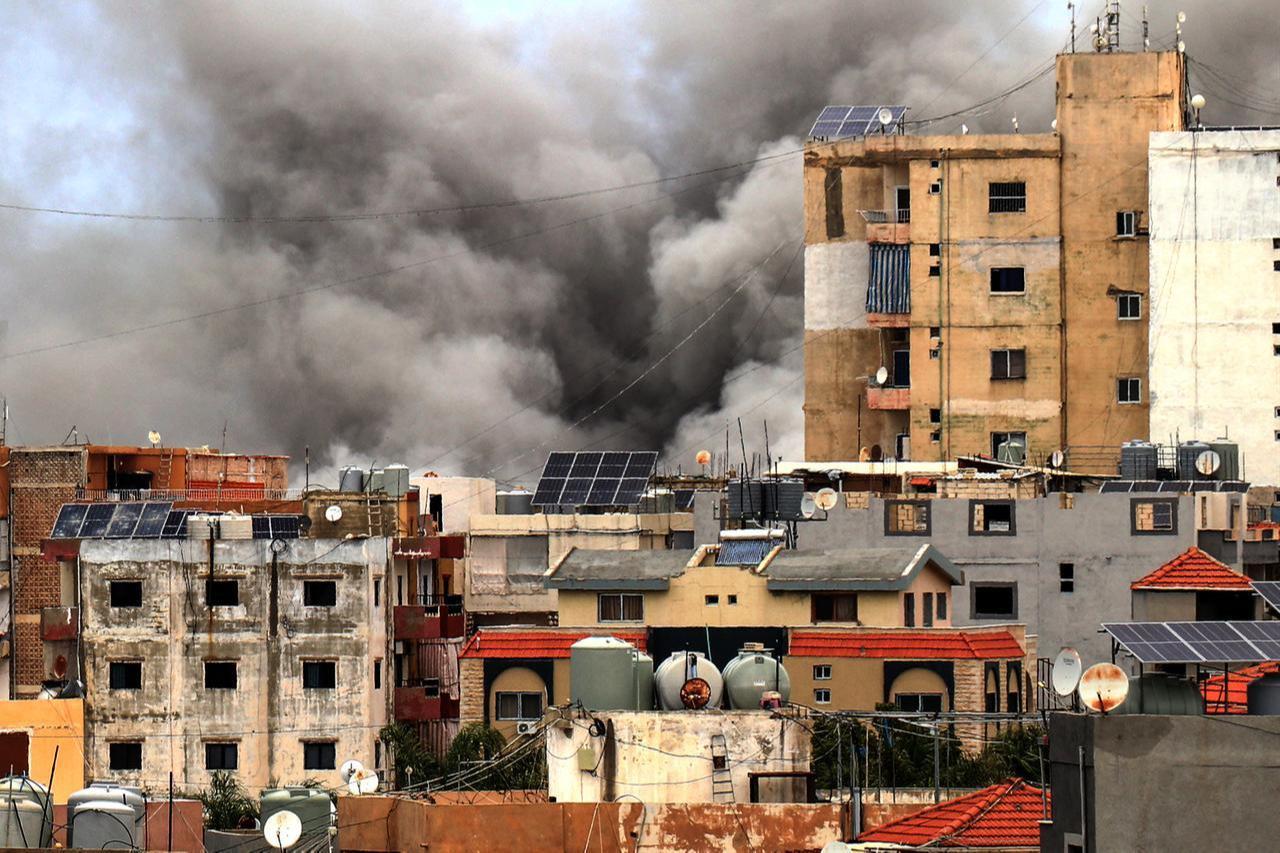

Lebanon's National News Agency reported Saturday that Israeli strikes hit more than two dozen villages, including one more than 50 kilometers (31.6 miles) from the border.
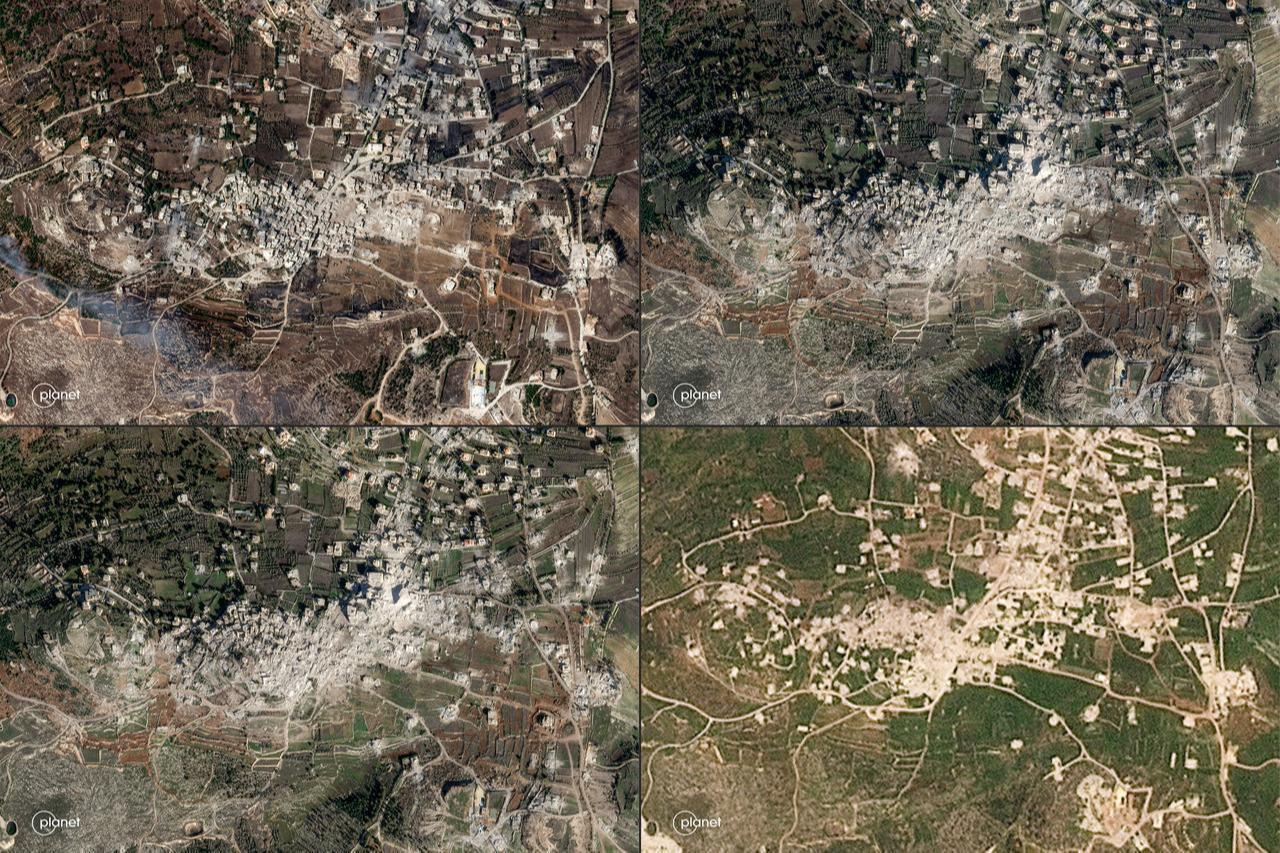
Residents were warned to evacuate nine villages before the strikes, and a new exodus toward Sidon and Beirut was reported. In Tyre, an Agence France-Presse (AFP) correspondent described significant destruction in a neighborhood near the coastal city's ancient ruins.
"They destroyed the entire neighborhood," said Ibrahim Kahwaji, a local resident wounded in the leg.
The Israeli military confirmed Saturday that one of its soldiers died in combat in southern Lebanon, bringing the total losses to 21 personnel since the war with Hezbollah began in early March.
Israeli attacks since the start of the conflict have killed more than 2,900 people in Lebanon, including more than 400 since the April 17 ceasefire took effect, according to Lebanese authorities.
The U.S. State Department announced that the April 16 cessation of hostilities would be extended by 45 days.
State Department spokesperson Tommy Pigott said a "security track" involving military delegations from both countries would be launched at the Pentagon on May 29, and that political negotiations would resume on June 2-3.
The Lebanese delegation said the talks had produced "tangible diplomatic progress" and described the agreement as an effort to "transform the momentum of the current ceasefire into a comprehensive and lasting agreement."
Israeli Ambassador to the U.S. Yechiel Leiter described the talks as "frank and constructive."
U.N. Secretary-General Antonio Guterres welcomed the extension and urged "all actors to fully respect the cessation of hostilities."


 Set as preferred source
 Set as preferred source



 1 min read