Newsletters


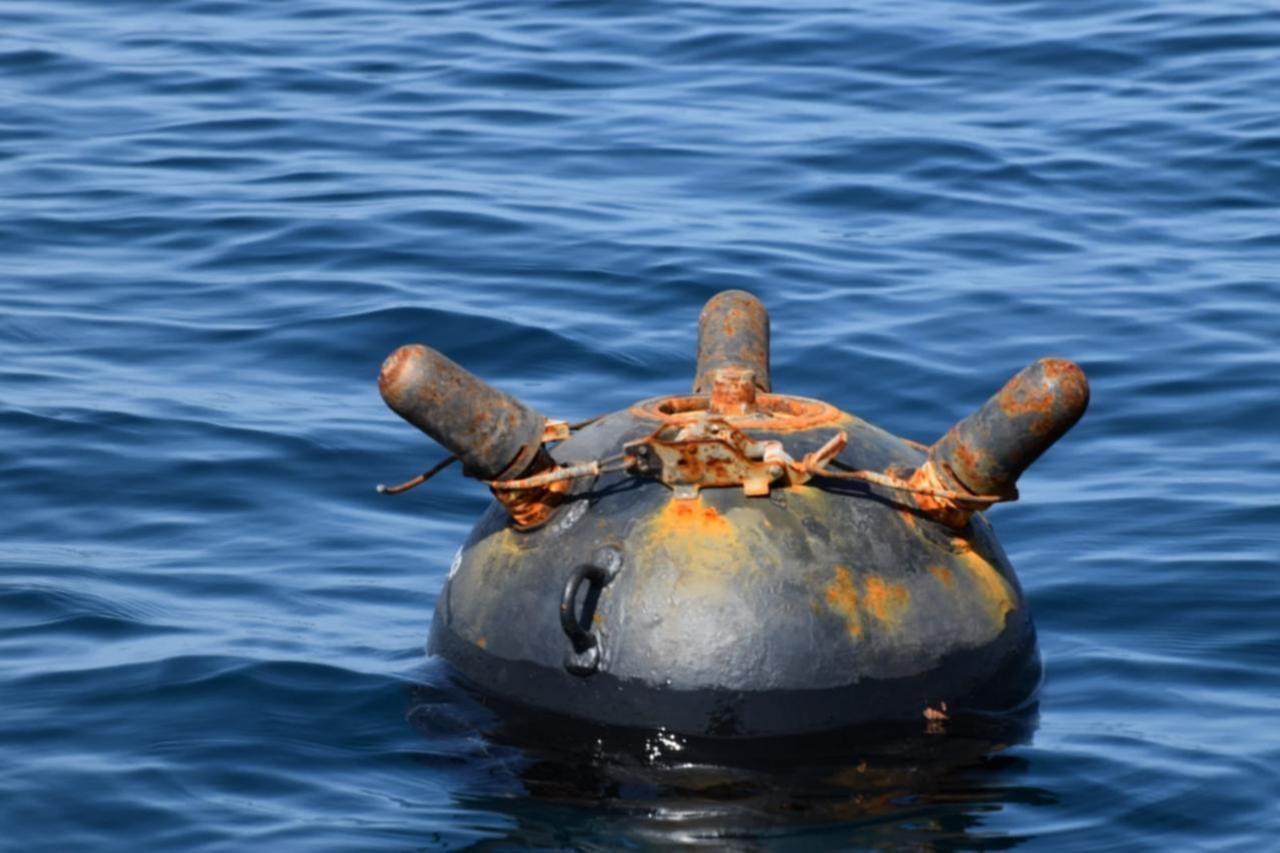


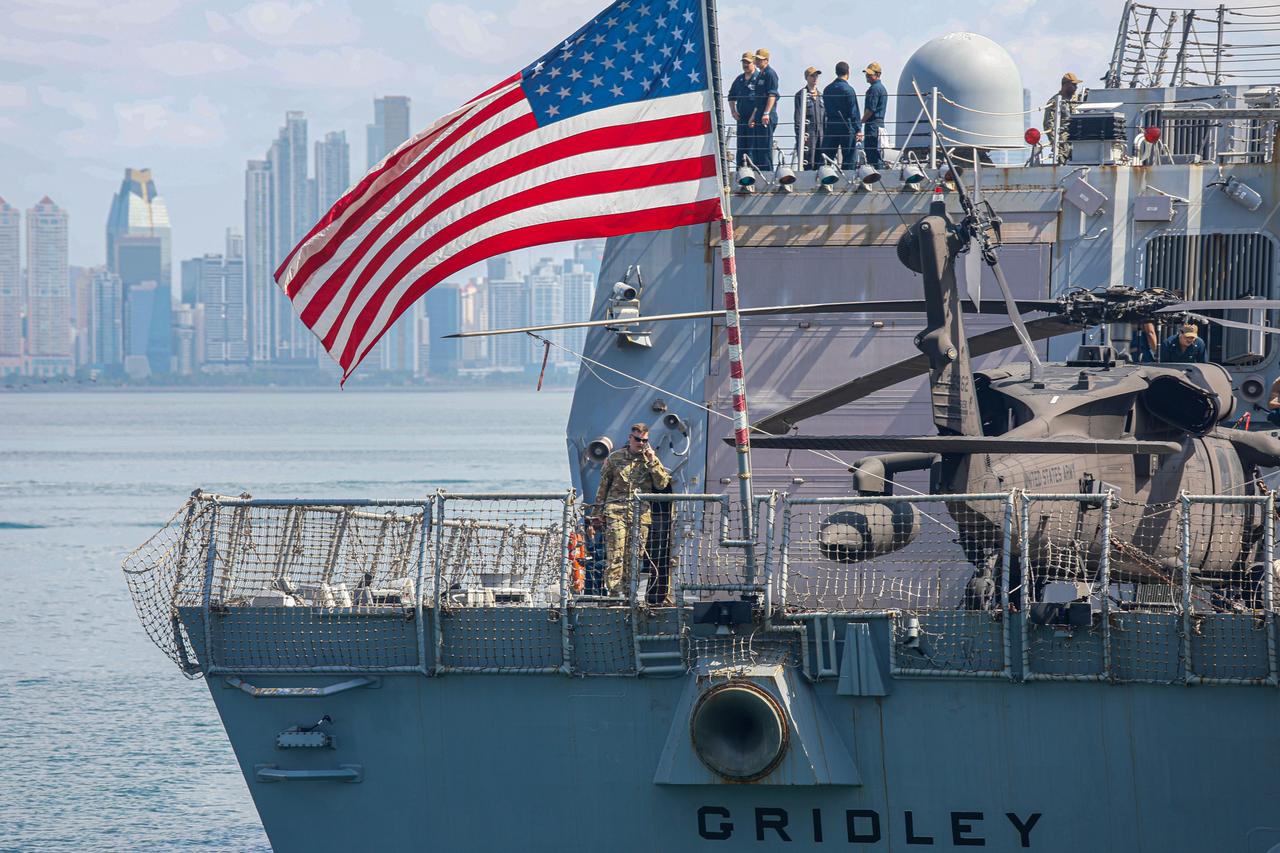
U.S. Central Command announced Saturday that two Navy guided-missile destroyers transited the Strait of Hormuz to begin clearing Iranian sea mines, as the U.S. and Iran offered sharply conflicting accounts of what happened to one of the vessels during the operation.
CENTCOM said the USS Frank E. Peterson (DDG 121) and USS Michael Murphy (DDG 112) operated in the Arabian Gulf as part of a broader mine clearance mission targeting mines laid by Iran's Revolutionary Guard Corps. "Today, we began the process of establishing a new passage and we will share this safe pathway with the maritime industry soon to encourage the free flow of commerce," said Adm. Brad Cooper, CENTCOM commander.
Additional forces, including underwater drones, will join the effort in coming days. The Wall Street Journal, citing three U.S. officials, confirmed the transit as a freedom-of-navigation mission with no issues reported. The vessels were not escorting commercial ships.
Iran's account differed sharply. The IRGC-affiliated Fars News Agency reported that a U.S. destroyer heading from the Emirati port of Fujairah toward the strait reversed course after Iranian armed forces notified the Iranian delegation in Islamabad, which relayed a warning to the U.S. side through Pakistani mediators: the ship would be targeted within 30 minutes if it continued, and the ongoing ceasefire negotiations would be affected.
Iran said the U.S. then ordered the vessel to halt and withdraw. Iranian state television, citing a senior military official, denied that any American vessel had crossed the strait at all.
 1 min read
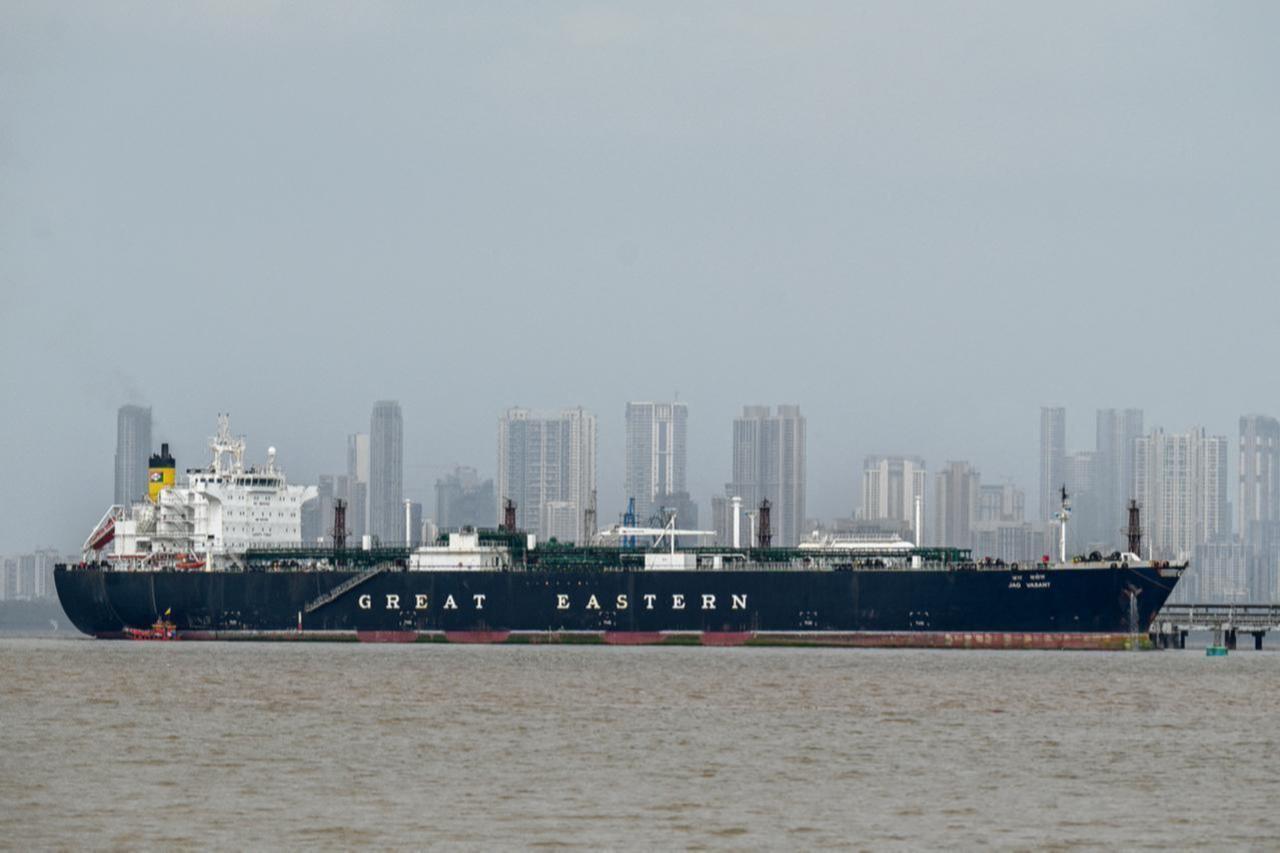
U.S. and Iranian delegations held face-to-face talks Saturday in Islamabad, which was placed under heavy security with roads sealed throughout the capital.
The U.S. delegation was led by Vice President JD Vance, alongside envoys Steve Witkoff and Jared Kushner. Iran was represented by Parliament Speaker Mohammad Bagher Qalibaf and Foreign Minister Abbas Araghchi. Both sides met separately and then in a trilateral format with Pakistani Prime Minister Shehbaz Sharif and army chief General Asim Munir.
Iran presented a 10-point proposal including an end to the war, sanctions relief, and continued Iranian sovereignty over the Strait of Hormuz.
The U.S. submitted a 15-point framework requiring restrictions on Iran's nuclear program and the unconditional reopening of the strait. Araghchi said Iran entered the talks with "deep distrust." Vance warned the U.S. team would not be receptive if Iran tried to "play" Washington.


 Set as preferred source
 Set as preferred source


 1 min read