Newsletters




Lebanese President Joseph Aoun said Saturday that Israel's continuing attacks on southern Lebanon send "a clear message to the negotiation track" and to U.S. efforts to implement the countries' framework agreement, as the death toll from a wave of Israeli airstrikes on the country's south rose to at least nine, including three children.
Aoun criticized Israel's continuing attacks on southern Lebanon, particularly in Nabatieh and the surrounding areas, saying they repeatedly violate the framework agreement with the U.S. and Israel, according to a statement from his office.
"President Joseph Aoun condemned the continuing Israeli attacks on the southern regions, particularly the Nabatieh area and its surroundings, and their repeated violations of the framework agreement, the work of the military coordination group, and international laws protecting civilians, which led to the martyrdom of an entire family from the town of Ansar," the statement said.
"President Aoun considered these violations to constitute a clear message to the negotiation track and to American efforts aimed at implementing this agreement," the statement added.
Aoun also accused Israel of repeatedly violating international laws protecting civilians.
His remarks came ahead of the next round of U.S.-sponsored talks scheduled for early next month in Rome.
Lebanese Prime Minister Nawaf Salam said the seven people killed in the initial Israeli strike on Ansar, including two women and three children, were not military targets, after Israel said it had struck Hezbollah "infrastructure."
"The seven martyrs of the Israeli strike on the village of Ansar are not 'military infrastructure,' and the women and children who were killed are not military targets," Salam said on X.
Salam said the Israeli escalation across Nabatieh, Ansar, Deir al-Zahrani and nearby villages since early Saturday, "accompanied by raids, intense shelling and the terrorizing of residents in their homes, is extremely serious and undermines efforts to consolidate stability in the south."
He said responsibility for dealing with any military infrastructure on Lebanese territory, if it exists, belongs exclusively to the Lebanese state through its army and legitimate institutions.
"Its existence does not give Israel the right to violate Lebanese territory or endanger civilians," Salam said, calling on Israel to halt the escalation.
"The security of our people and their right to live on their land are not subject to negotiation or compromise," he added.
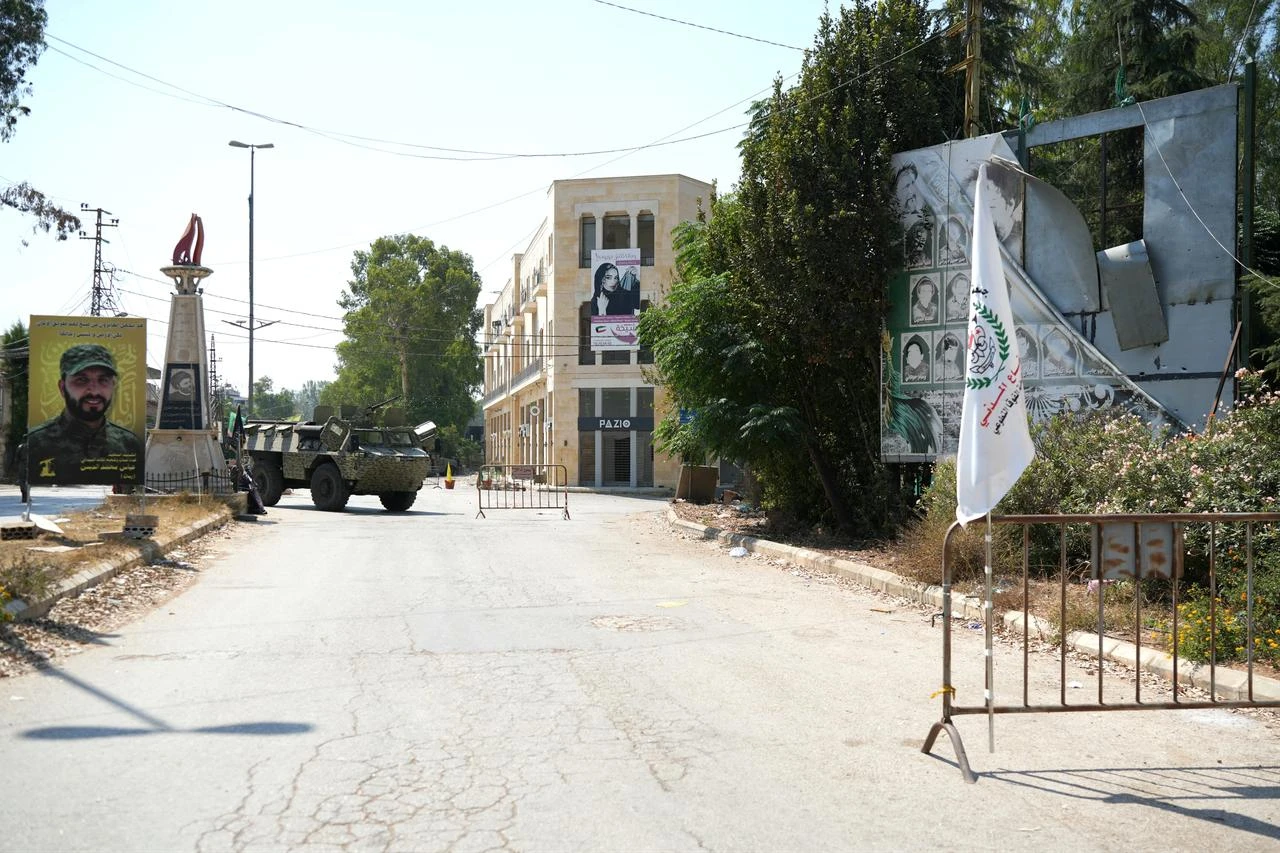

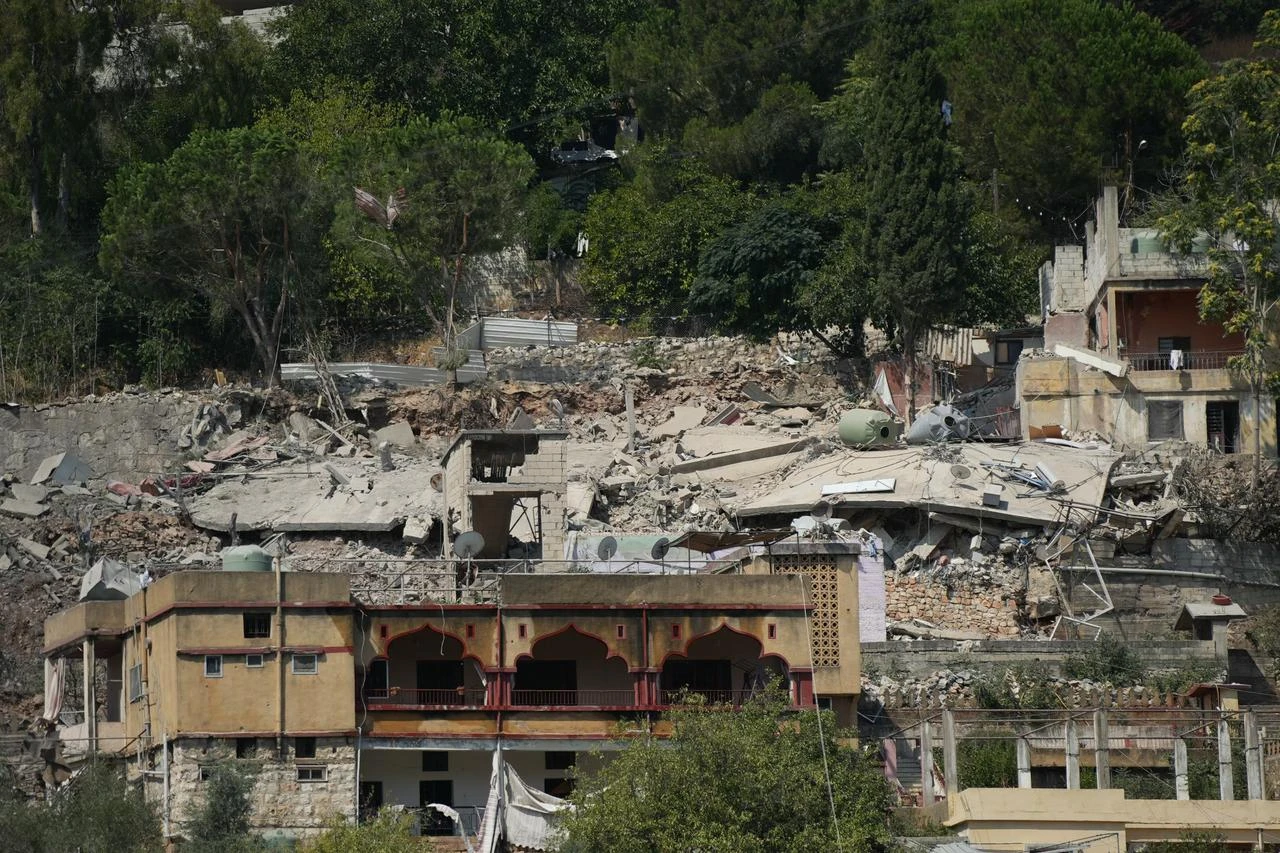
At least nine people, including three children, were killed and 11 others injured in Israeli airstrikes on southern Lebanon early Saturday, according to Lebanon's Health Ministry and the National News Agency (NNA).
Seven people, including two women and three children, were killed and two others injured when Israeli warplanes struck a house on the outskirts of Ansar, in the Nabatieh district, toward the nearby town of Zrariyeh, destroying the building.
The attack on Ansar was the first Israeli airstrike to reach this geographical depth inside Lebanon since a ceasefire took effect two months ago.
Two more people were killed and nine others injured in a separate Israeli airstrike on the town of Deir al-Zahrani in the Nabatieh district, according to a preliminary toll from the Health Ministry.
Israeli warplanes also carried out a series of airstrikes targeting the Ali al-Taher hills on the outskirts of Nabatieh al-Fawqa.
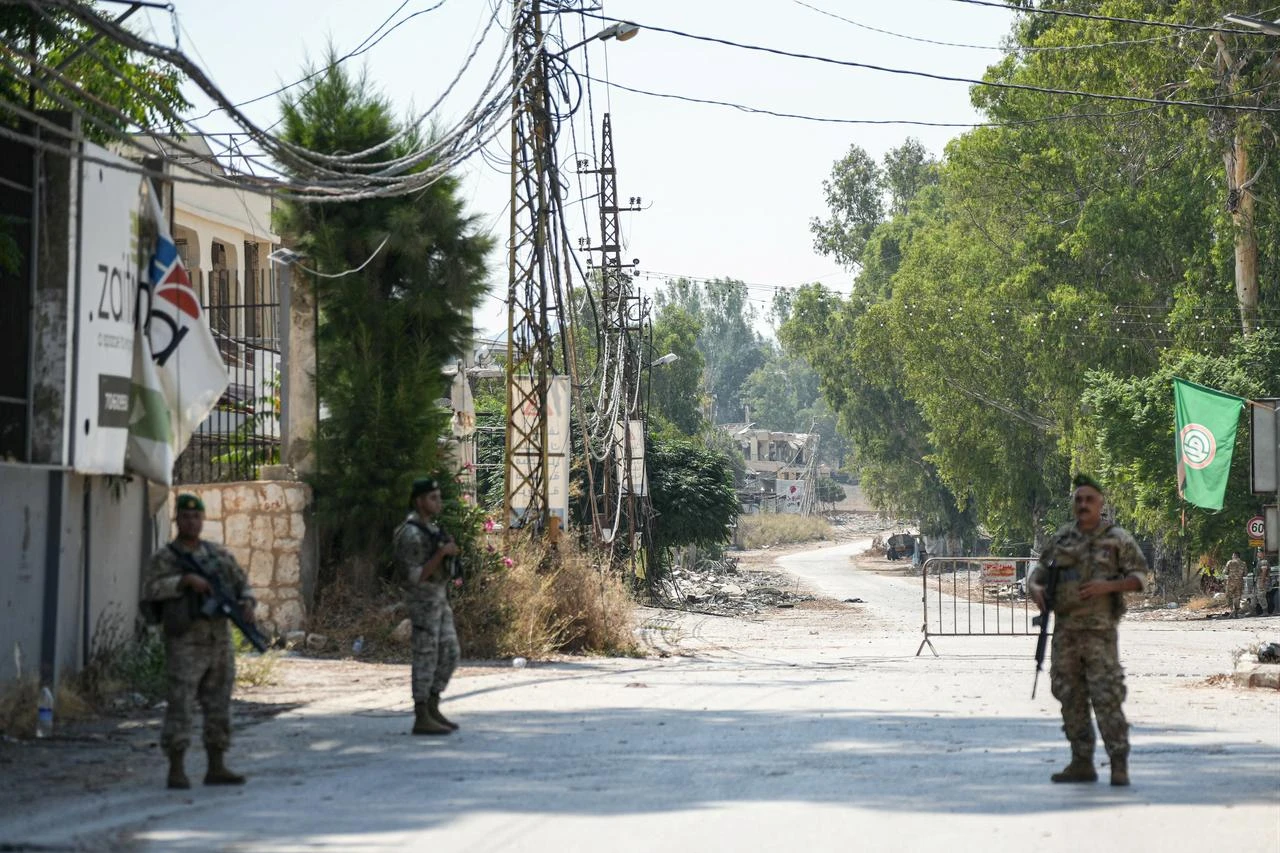
The Israeli army said in a statement that it struck Hezbollah infrastructure in the Nabatieh and Ansar areas of southern Lebanon in response to an action by the group against Israeli soldiers operating on the Ali al-Taher hills.
Despite a framework agreement signed by Beirut and Tel Aviv on June 26 under U.S. sponsorship, Israel has continued its assault on Lebanon, which began March 2 and has killed 4,335 people and injured 12,277 others.
The agreement provides for a gradual Israeli withdrawal from all occupied Lebanese territory in exchange for the deployment of the Lebanese army and the disarmament of armed groups, including Hezbollah.
Israel occupies areas in southern Lebanon, some for decades and others since the previous war between 2023 and 2024; during the current assault, it has advanced more than 10 kilometers (6.2 miles) into Lebanese territory.


 Set as preferred source
 Set as preferred source


 5 min read