Newsletters


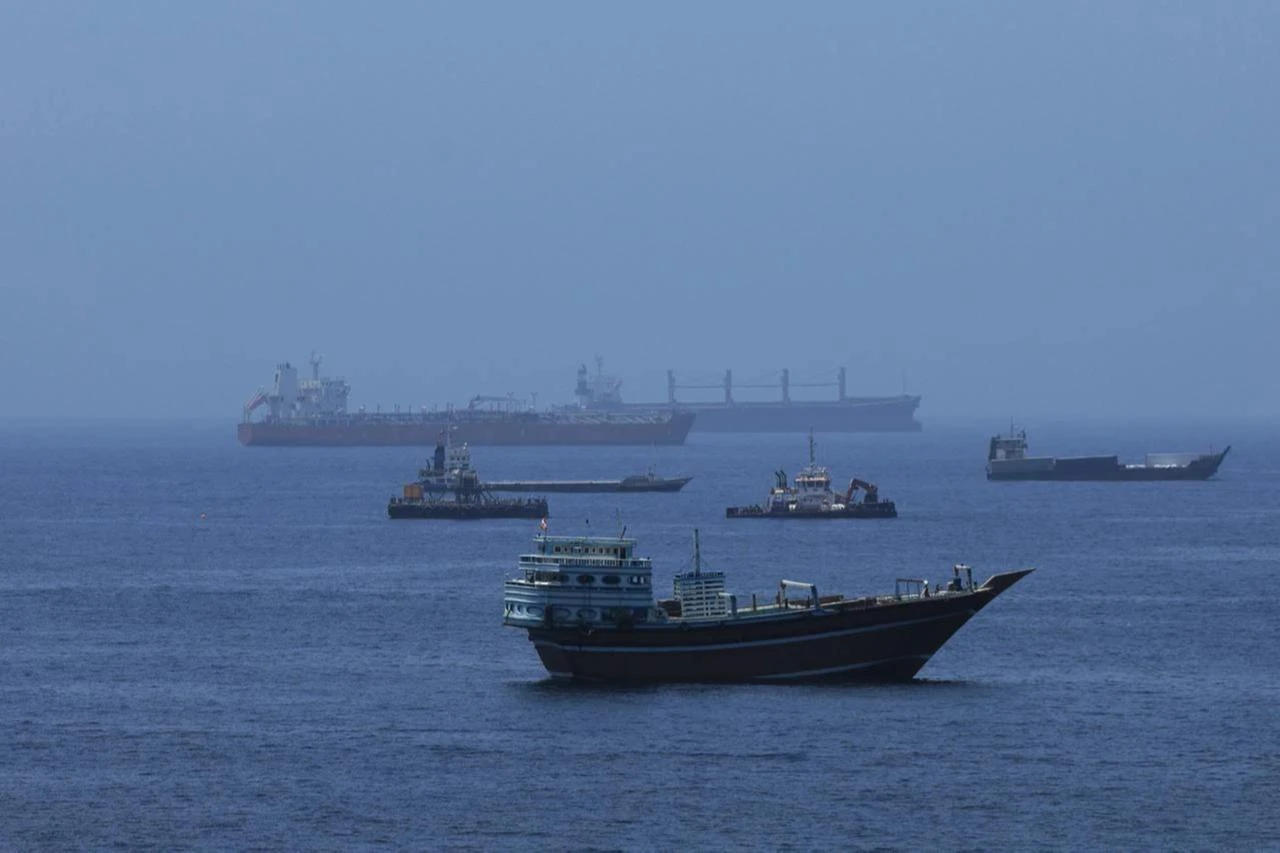


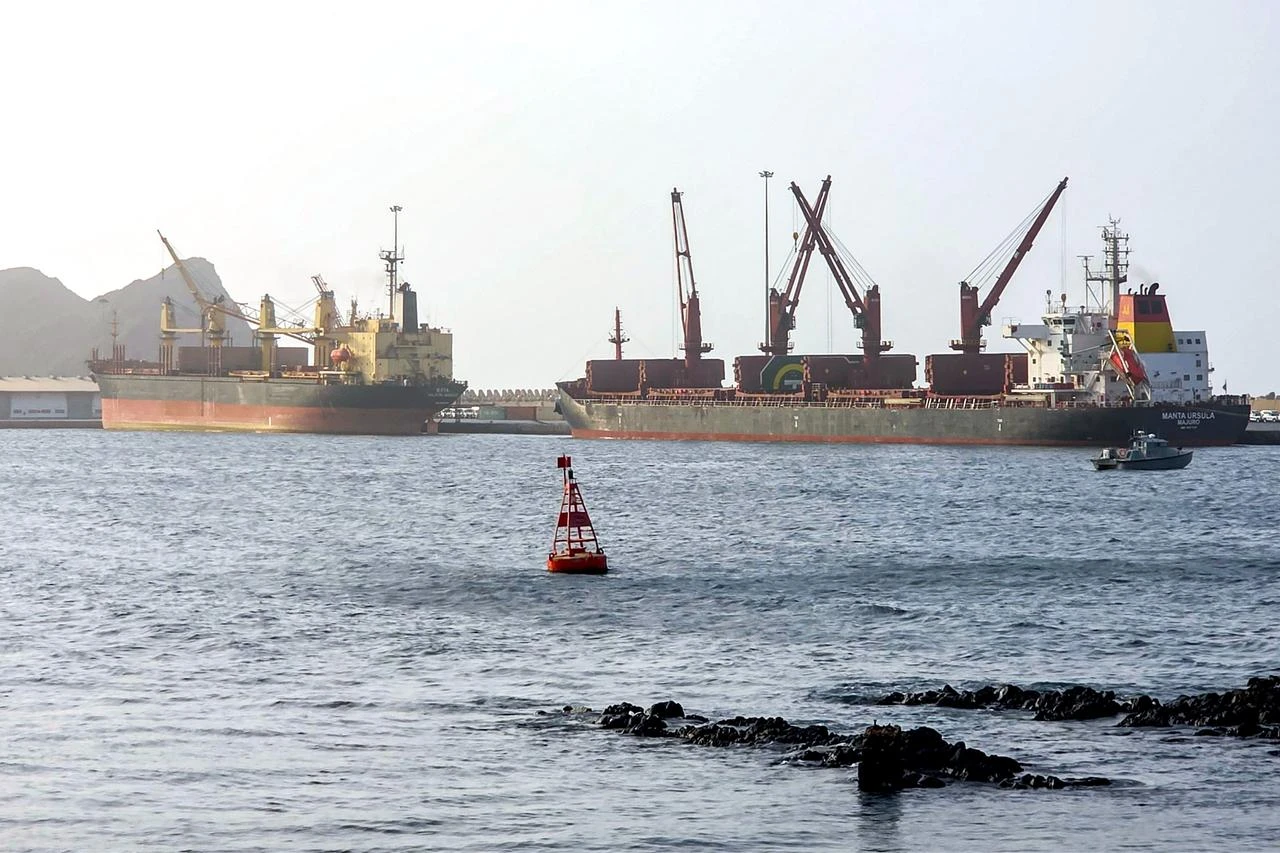
Israeli Energy Minister Eli Cohen said an agreement between the U.S. and Iran would not be in Israel's interest, arguing that continued pressure on Tehran would be preferable as negotiations over the Strait of Hormuz continue.
Speaking to Israel's Channel 14 television, Cohen commented on Iran's ongoing talks with the U.S. concerning the strategic waterway.
"I think from our perspective, it would be better if there is no agreement. We can continue putting pressure on Iran," Cohen said.
Cohen also claimed that Israel had taken steps aimed at weakening the Iranian government.
"We made sure that we planted all the seeds that will lead to the fall of the regime," he said, predicting that the government in Tehran would be overthrown within two or three years.
Israeli media had previously reported that Tel Aviv was continuing preparations for the possibility of launching an attack on Iran without U.S. involvement and that such an option remained under consideration.
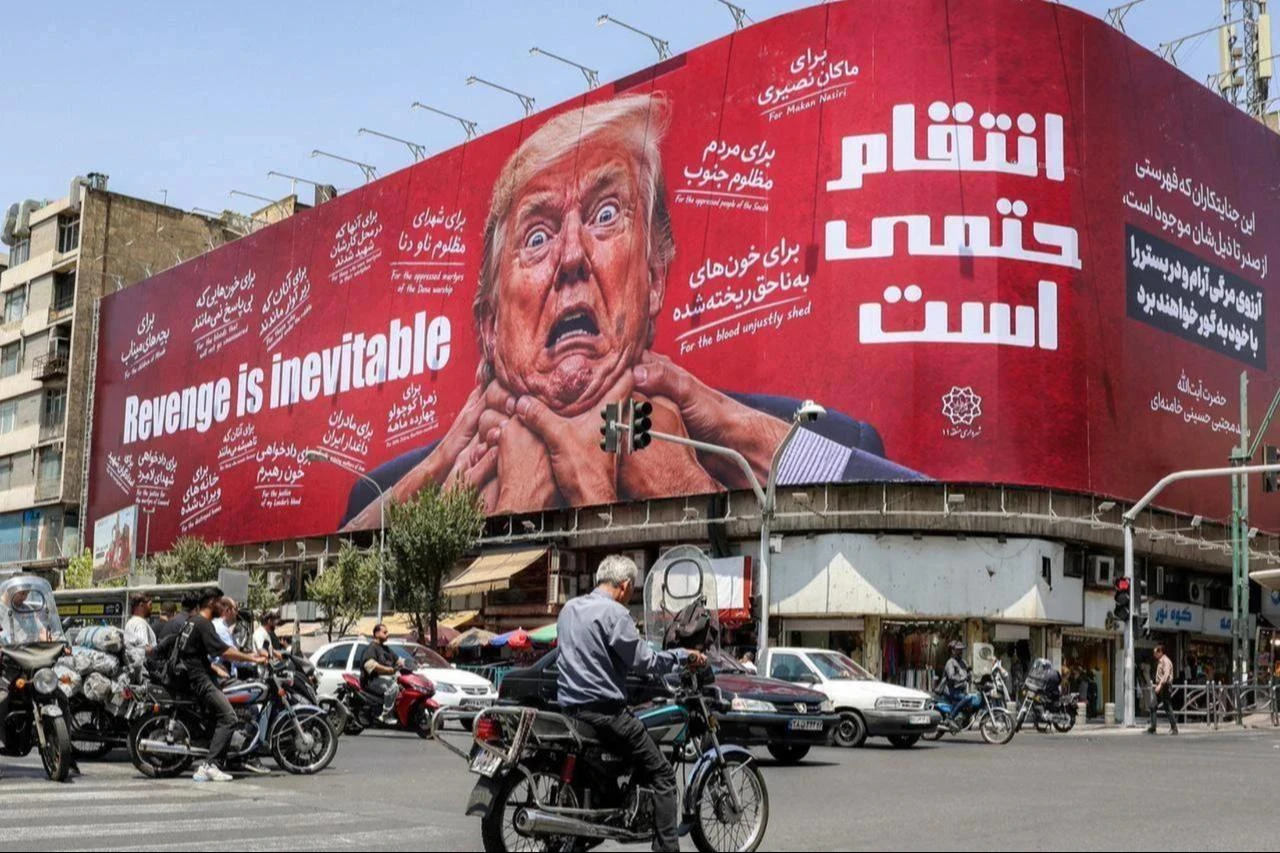

Iran and the U.S. reached an understanding on June 14 through Pakistani mediation.
Under the first phase of the agreement, the Strait of Hormuz was to reopen in exchange for the U.S. releasing frozen Iranian assets. Iran also agreed not to charge fees for vessels passing through the strategic waterway for 60 days.
However, the U.S. did not release Iran's frozen assets after the agreement was signed and instead designated an alternative route through Omani territorial waters for vessels seeking passage.
Iran regarded those steps as a violation of the agreement and subsequently restricted traffic through the strait, striking some vessels that it said had attempted to pass without authorization.
Despite the agreement, tensions between Iran and the U.S. escalated into intense clashes around the Strait of Hormuz on July 8. The fighting continued for approximately two weeks.
Iran later resumed talks with Oman, which also borders the Strait of Hormuz, to establish safe passage routes for vessels using the waterway.
Iranian Deputy Foreign Minister Kazim Garibabadi said on Aug. 5 that negotiations with Oman had entered their final stage.
Garibabadi said the route under discussion would be temporary and was expected to remain in place for between two and four months.
He also said the full reopening of the Strait of Hormuz would depend on the U.S. position.


 Set as preferred source
 Set as preferred source


 2 min read

 1 min read