

 Newsletters


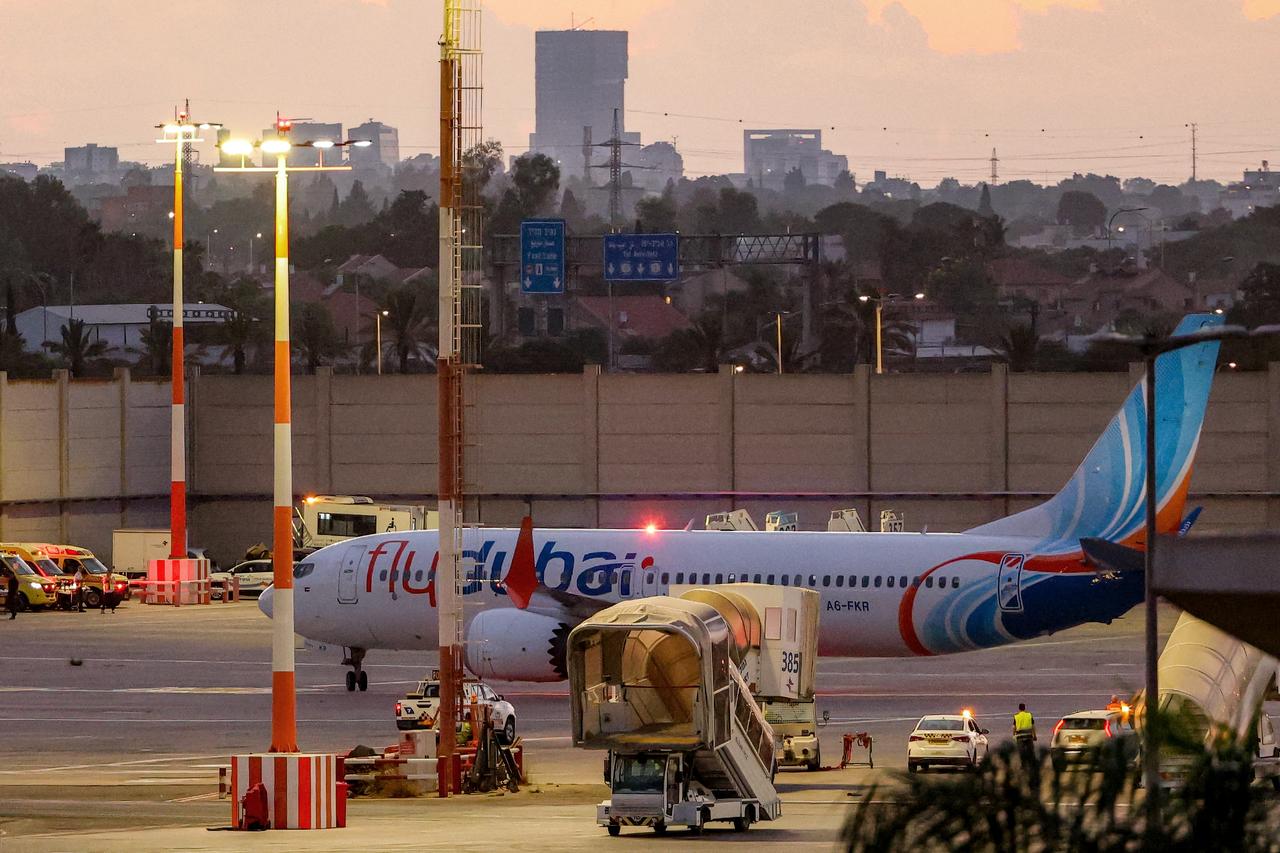


Israeli Foreign Minister Gideon Sa'ar said Wednesday he had spoken by phone with his Emirati counterpart following the emergency diversion of a flydubai flight bound for Tel Aviv, as Israeli authorities continued investigating a violent altercation in the cockpit that forced the aircraft to land in Saudi Arabia.
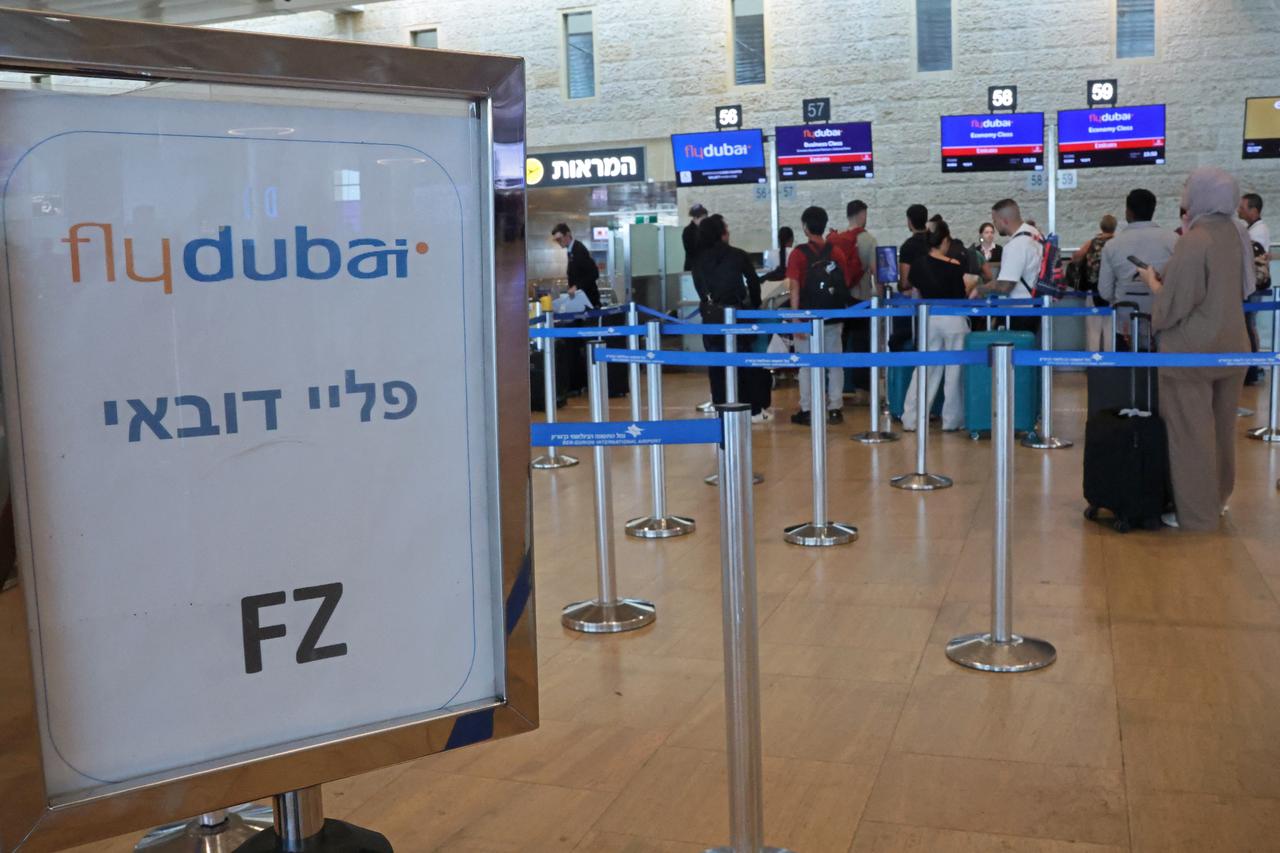
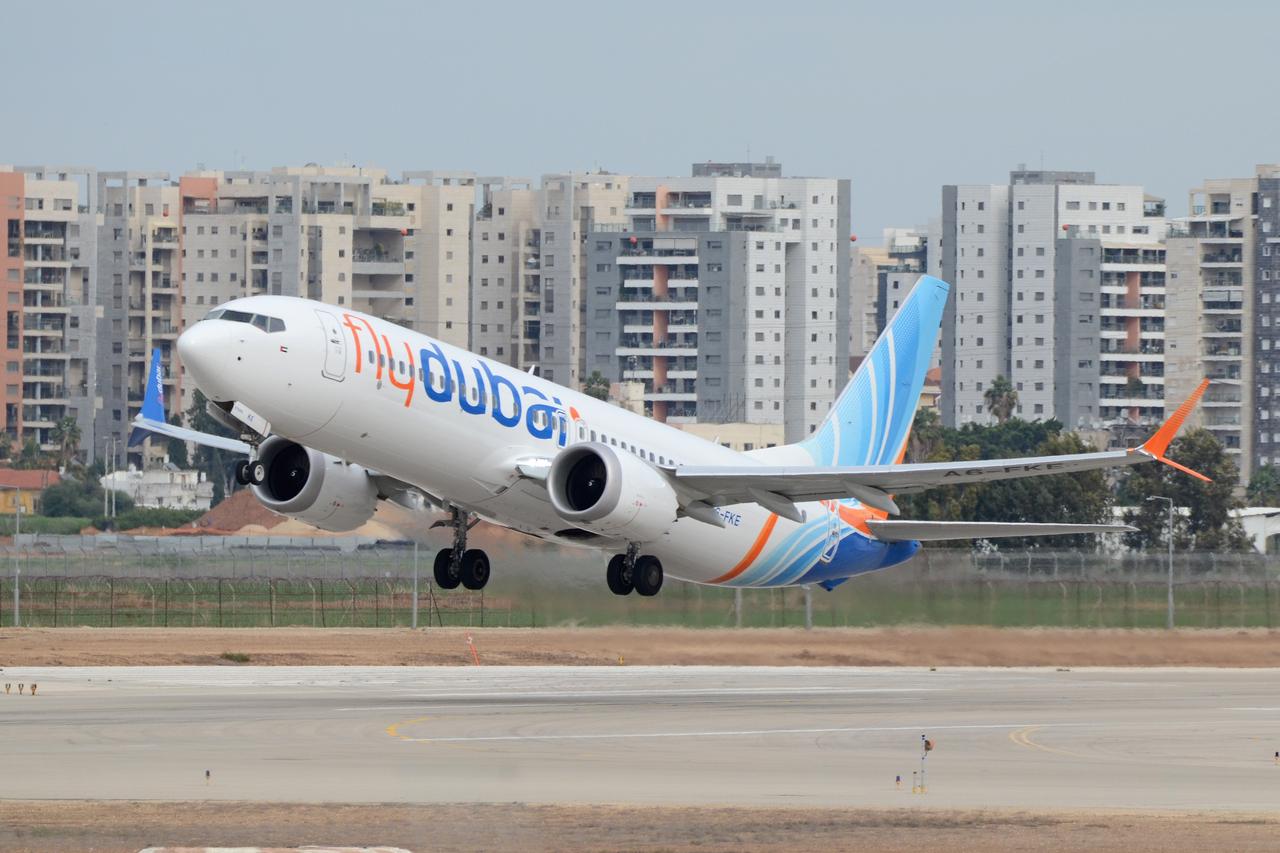
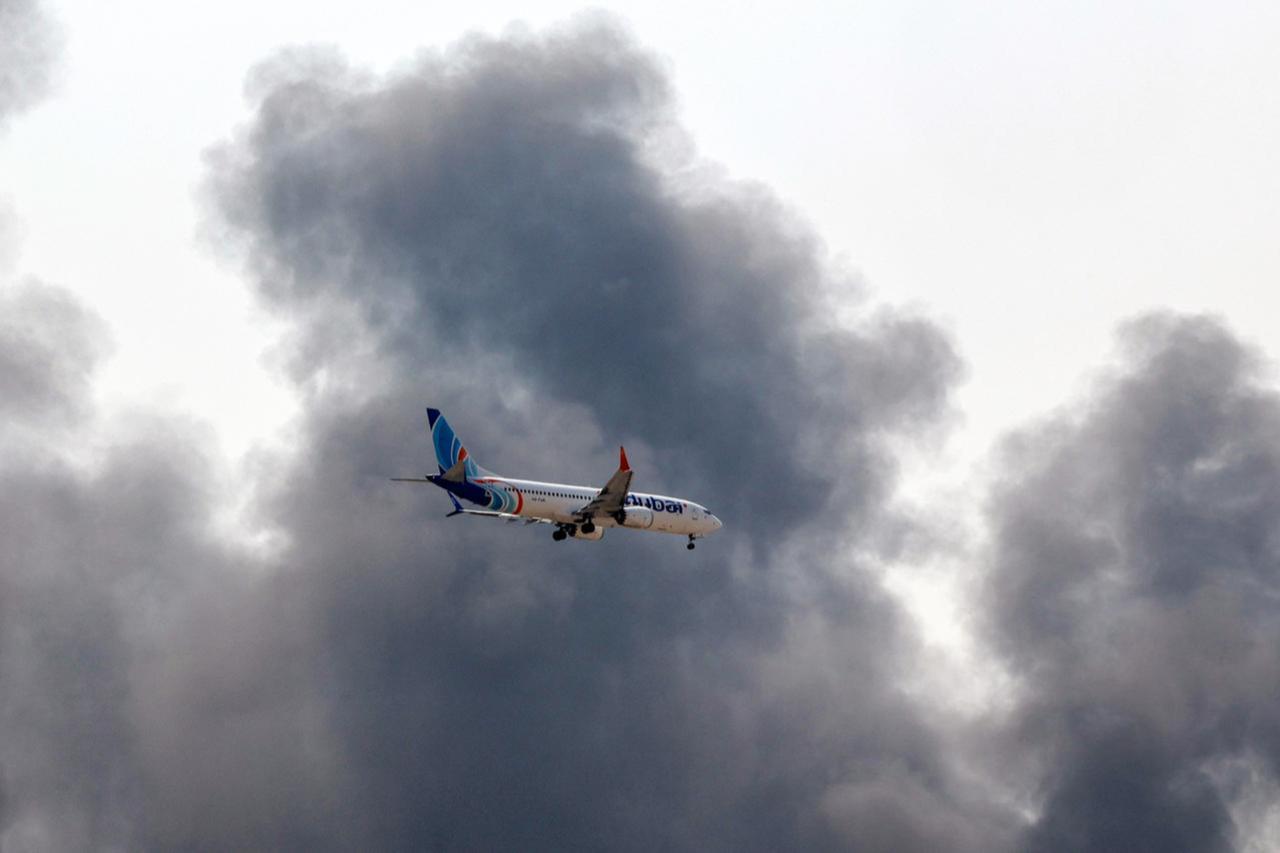
The contact with the United Arab Emirates came hours after flydubai flight FZ1073, a Boeing 737 MAX 8 traveling from Dubai to Tel Aviv with more than 170 people aboard, diverted to Tabuk in northwestern Saudi Arabia after the co-pilot allegedly stabbed the captain and attempted to bring down the plane.
Passengers and crew members subdued him, and a second set of pilots who had been on board to replace the first pair landed the aircraft safely.
Israeli Prime Minister Benjamin Netanyahu described the episode as "a highly severe security incident" and said Saudi authorities would interrogate the co-pilot, whom an Israeli official identified as an Omani national.
The co-pilot was arrested after the plane landed, Netanyahu said, and Israel's Transport Ministry said it would carry out a joint investigation with the country's defense establishment.
Flight-tracking data from Flightradar24 showed the aircraft suddenly dropped nearly 14,000 feet in less than 30 seconds before a first emergency signal was transmitted Wednesday morning.
According to Israeli daily Ynet, the plane transmitted the international general emergency code 7700 roughly 90 minutes after takeoff while entering Jordanian airspace, followed by code 7500, which denotes unlawful interference with an aircraft.
It then reversed course back into Saudi airspace and descended before landing in Tabuk.
Prince Sultan bin Abdulaziz International Airport said its air traffic control center received a distress call from the flight at 8:44 a.m. and declared an emergency ahead of the landing.
Both the captain and first officer were injured and hospitalized, the airport said.
Netanyahu, citing an account from a passenger, said the aircraft "entered a tailspin and began to dive" before passengers and a crew member broke into the cockpit and found the co-pilot "trying to sabotage the plane's systems."
"They saved many lives," he said. "They prevented a heavy disaster." A spokesman for Netanyahu said the wounded captain, covered in blood and lying on the floor, had clicked open the cockpit door release, allowing others to enter.
Yasmin Abukasis, whose daughter Miriam was on board, said her daughter had heard screaming and described a man holding a knife forcing one of the pilots to the floor, with blood everywhere.
In a video filmed aboard the aircraft and circulated by Israeli media, a passenger with blood on his head appealed for help, saying in Hebrew: "We just subdued the terrorists and are preparing to land... All the passengers are safe and well, except for the pilot."

Flydubai said in a statement that the underlying cause of the incident remained unknown and cautioned against "premature speculation," adding that all passengers were safe and accounted for.
The airline has not identified the individuals involved.
Israeli media offered conflicting accounts of the pilots' nationalities and the nature of the confrontation, with some outlets identifying them as Omani and Emirati nationals and others as Russian and Ukrainian.
Two Israeli officials told Reuters that authorities believed the co-pilot may have deliberately attempted to down the aircraft after attacking the captain and that the incident was being assessed as a possible "terror attack," though no official finding on motive had been announced.
A spokesman for the prime minister's office, Doron Spielman, had earlier said the episode was not believed to be a hijacking, calling it instead a "different incident."
Several Israeli ministers characterized the episode as a deliberate attack before any official determination was made public.
National Security Minister Itamar Ben-Gvir said a "terrorist" had intended to crash the plane and kill the roughly 180 Israelis aboard, and called for Israel to intensify military operations in Iran, Lebanon, Gaza and the West Bank.
Finance Minister Bezalel Smotrich said on social media that "the state of Israel must address the intent and not the results," arguing that those responsible should be treated as though the attempt had succeeded.
Spielman told Reuters that Israel would begin vetting the identities of pilots operating flights into the country.
"Every pilot that is going to be flying into Israel, we are going to know the pilots' identities, know who they are, and do some type of security check," he said. Netanyahu ordered tighter security measures for both Israeli and foreign carriers flying into Israel.
Israel scrambled fighter jets amid the initial uncertainty after the emergency codes were transmitted, and Netanyahu and Defense Minister Israel Katz ordered military aircraft prepared to travel to Saudi Arabia to retrieve the passengers.
Flydubai later told Israeli authorities it would instead send a replacement aircraft from Dubai, according to Ynet.
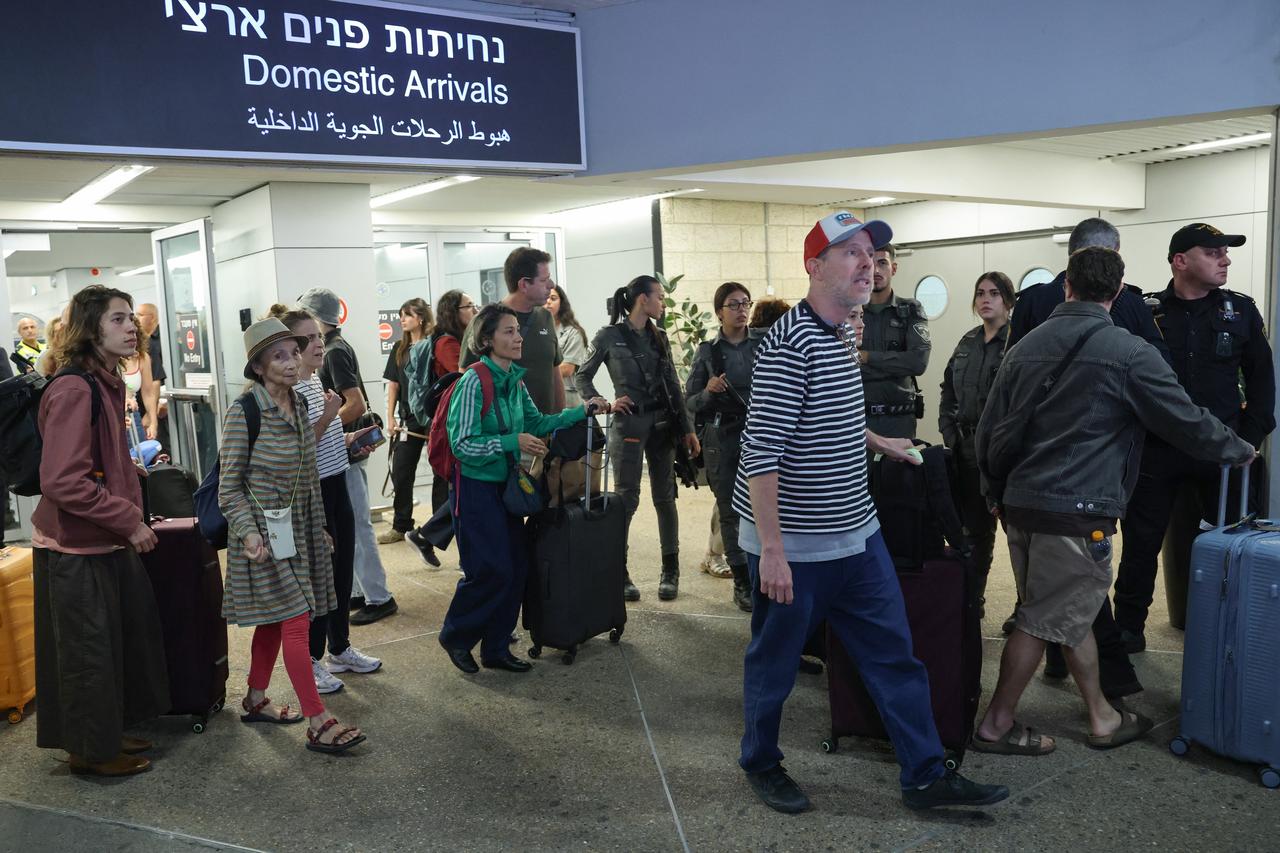
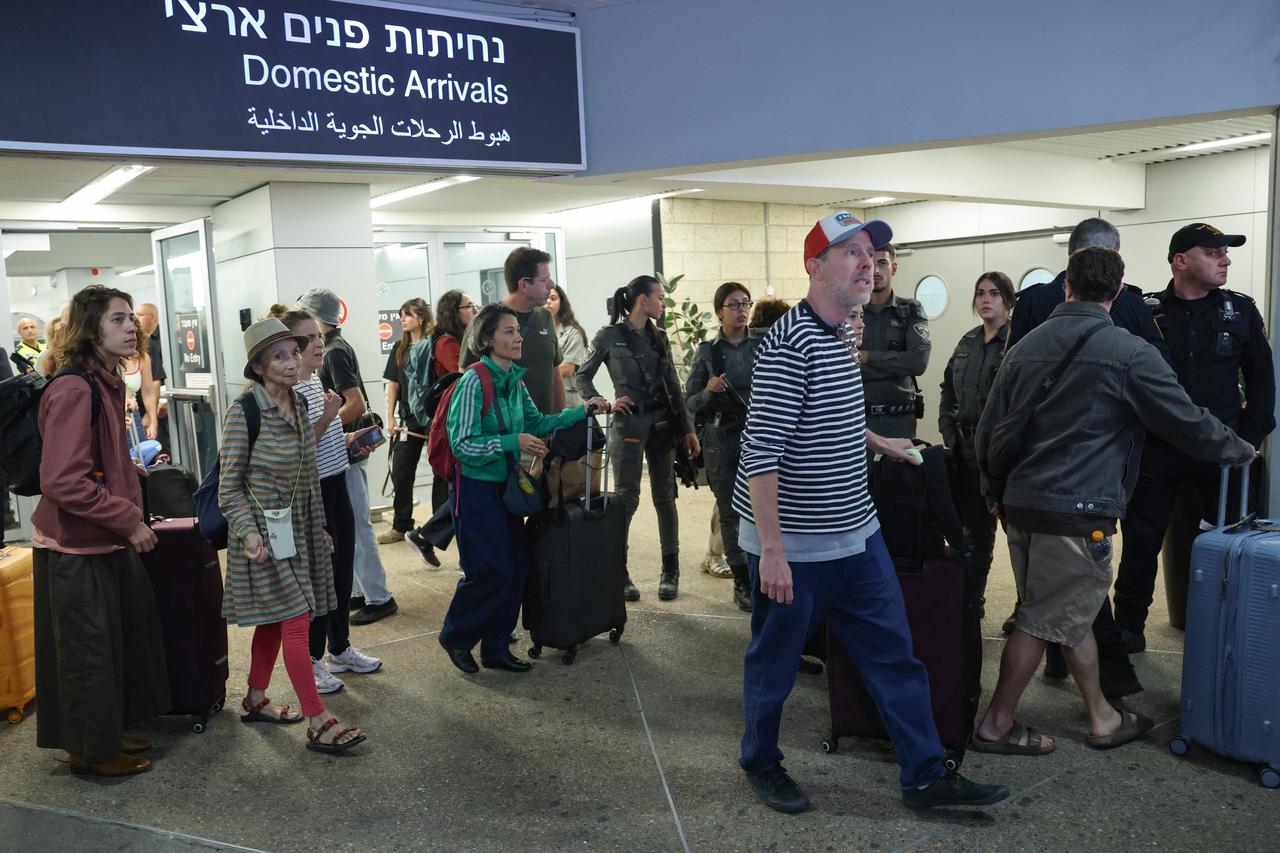
Passengers departed Saudi Arabia after roughly eight hours on the ground aboard the flydubai replacement plane.
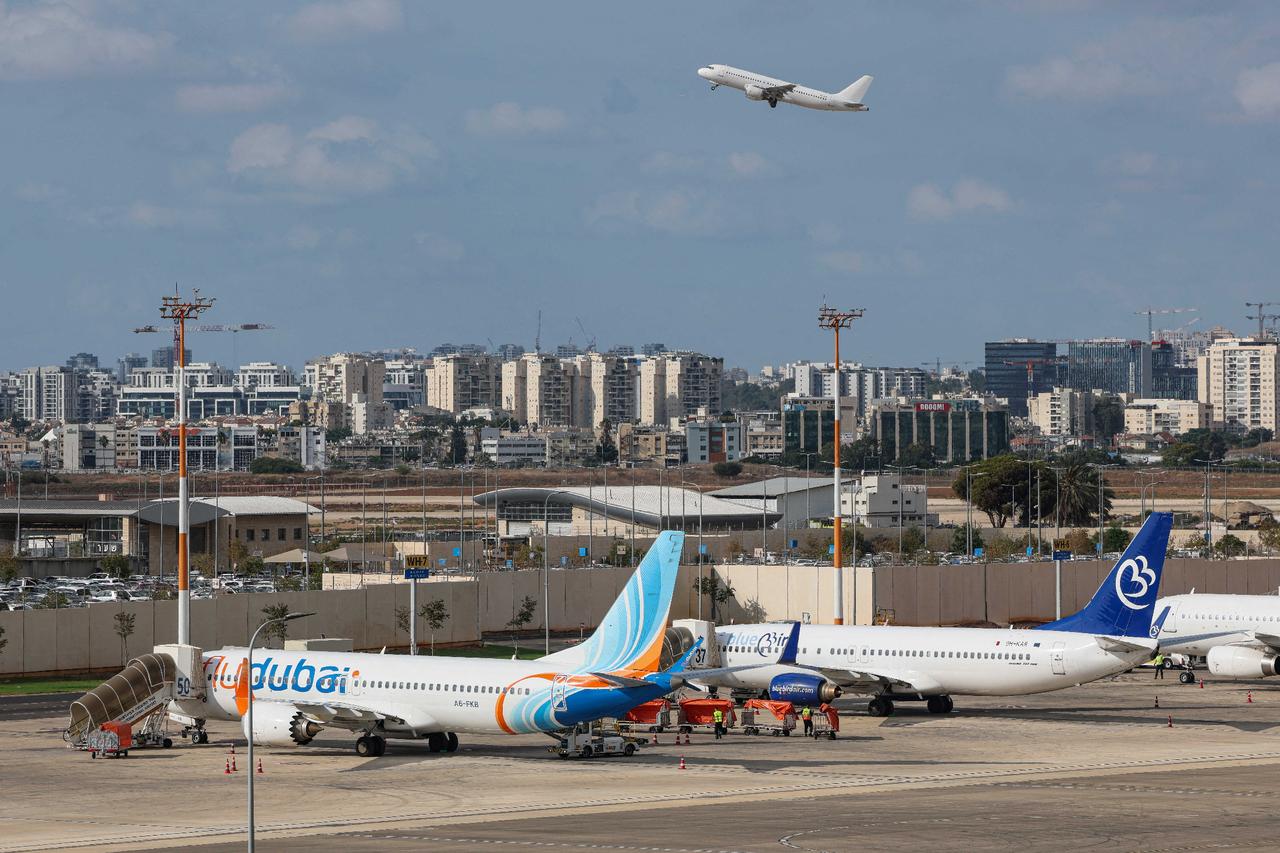
Flydubai operates daily return flights between Dubai and Tel Aviv along a route that normally passes through Saudi and Jordanian airspace, a service popular with Israeli travelers.
Netanyahu met UAE President Sheikh Mohamed bin Zayed Al Nahyan on Sunday during a rare visit to the Gulf country.
Israel and the UAE established diplomatic relations in 2020, and the two countries have since built close security, military and economic ties.
Earlier this year, Israel supplied the UAE with Iron Dome air-defense systems and personnel to operate them, part of increased cooperation after Iran launched attacks on the region following strikes by Israel and the United States.


 Set as preferred source
 Set as preferred source


 2 min read
 1 min read


