Newsletters


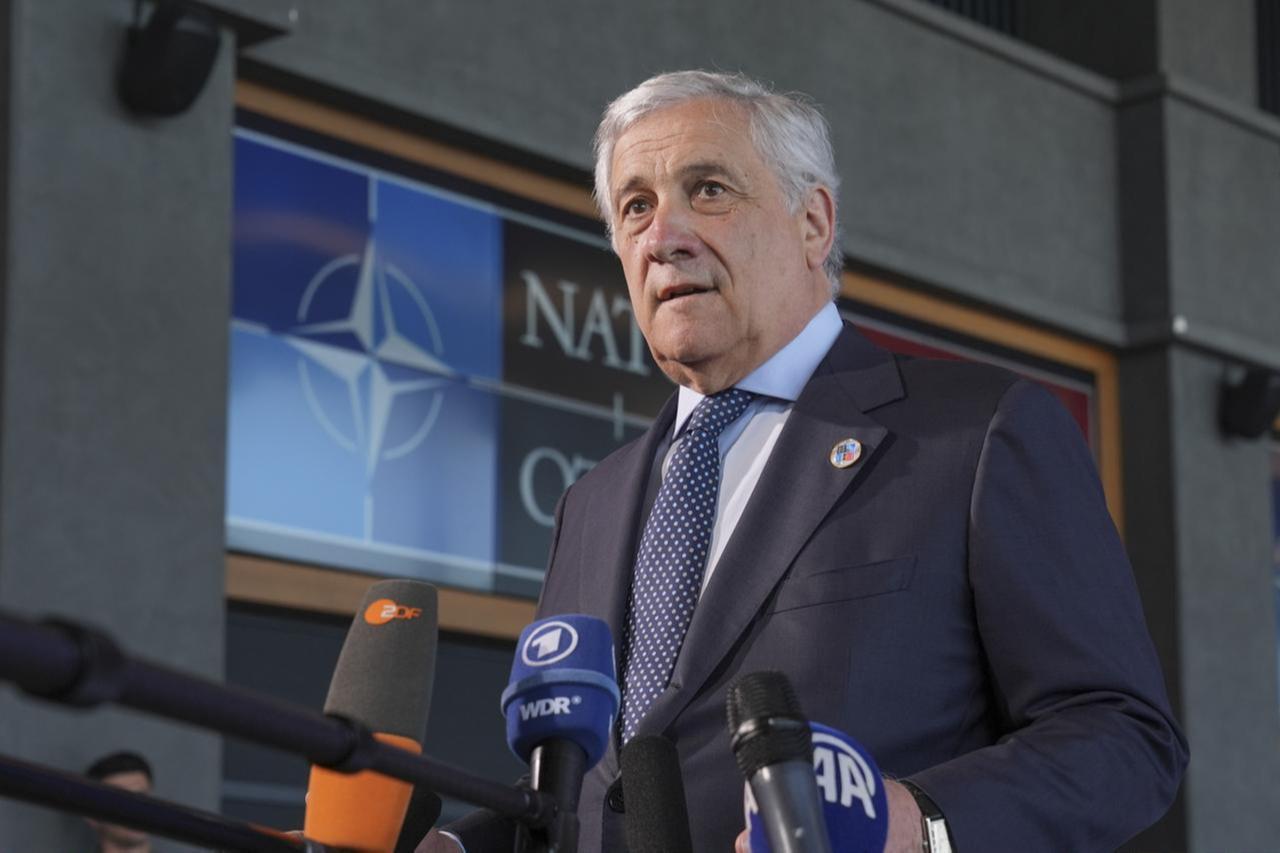


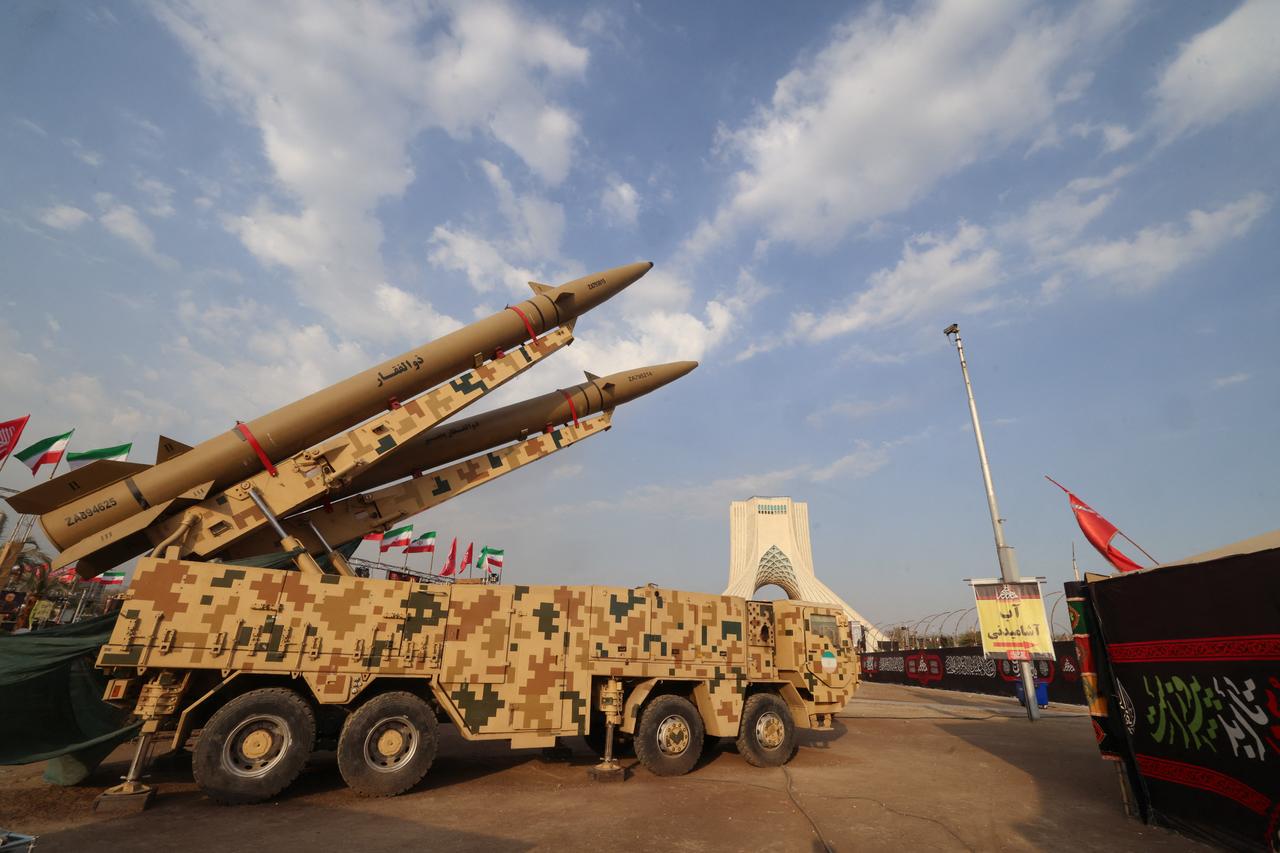
Preventing a resumption of hostilities in the Persian Gulf should be the first goal, Italian Foreign Minister Antonio Tajani stated Friday ahead of a meeting in Istanbul bringing together four European and four regional powers.
There are many signs the war could restart after the U.S. elections, Tajani told state-run Anadolu Agency (AA), as Germany’s Johann Wadephul said the eight countries would not accept Iran and the Houthis holding global trade "to ransom."
Tajani, Italy’s deputy prime minister and foreign minister, spoke to AA before leaving for the Istanbul meeting, hosted by Turkish Foreign Minister Hakan Fidan.
The first-of-its-kind meeting brings together the foreign ministers of the E4 states, Germany, France, the United Kingdom and Italy, and the R4 partners Egypt, Pakistan, Saudi Arabia and Türkiye, Wadephul said. He said it was held on the initiative of Germany and Türkiye.
A separate R4 foreign ministers’ meeting, hosted by Fidan, also began in Istanbul, according to diplomatic sources. Türkiye, Egypt, Pakistan and Saudi Arabia set up the R4 mechanism to support lasting stability and strengthen dialogue on regional issues based on regional ownership.
Tajani praised Ankara’s role in convening the talks.
"The initiative of the Turkish government and Foreign Minister Hakan Fidan is timely and productive. Rome supports the idea of bringing together European countries and regional countries to discuss conflicts in the Middle East," he said.
Tajani said bringing together countries and governments from Europe and the Arab and Islamic world is necessary.
"All the countries meeting in Istanbul today have a common goal: They want to play a leading role in returning to a politics that ends wars and can counter the negative effects of ongoing military conflicts," he said.
"We want to exert pressure on the countries that are today party to conflicts that devastate our region and impoverish our peoples," Tajani added.

Asked what he expects from the meeting, Tajani said work is under way on a final declaration.
"We are currently working on a final declaration expressing the common position of countries that have been working for months for peace in Israel and Palestine, Iran and the Persian Gulf," he said.
"In my view, the first goal should be to prevent the resumption of military hostilities in the Persian Gulf. There are many signs suggesting the war could resume after the American elections. But such a development would be harmful for all of us," Tajani said.
He said the Gulf is going through a critical phase.
"Despite the clear differences between them, the indirect contacts established between Iran and the U.S. in New York and the subsequent mutual presentation of negotiation proposals should be considered a positive step. Diplomacy is the only valid way to reach a sustainable solution. We do not want a full-scale conflict to resume," Tajani said.
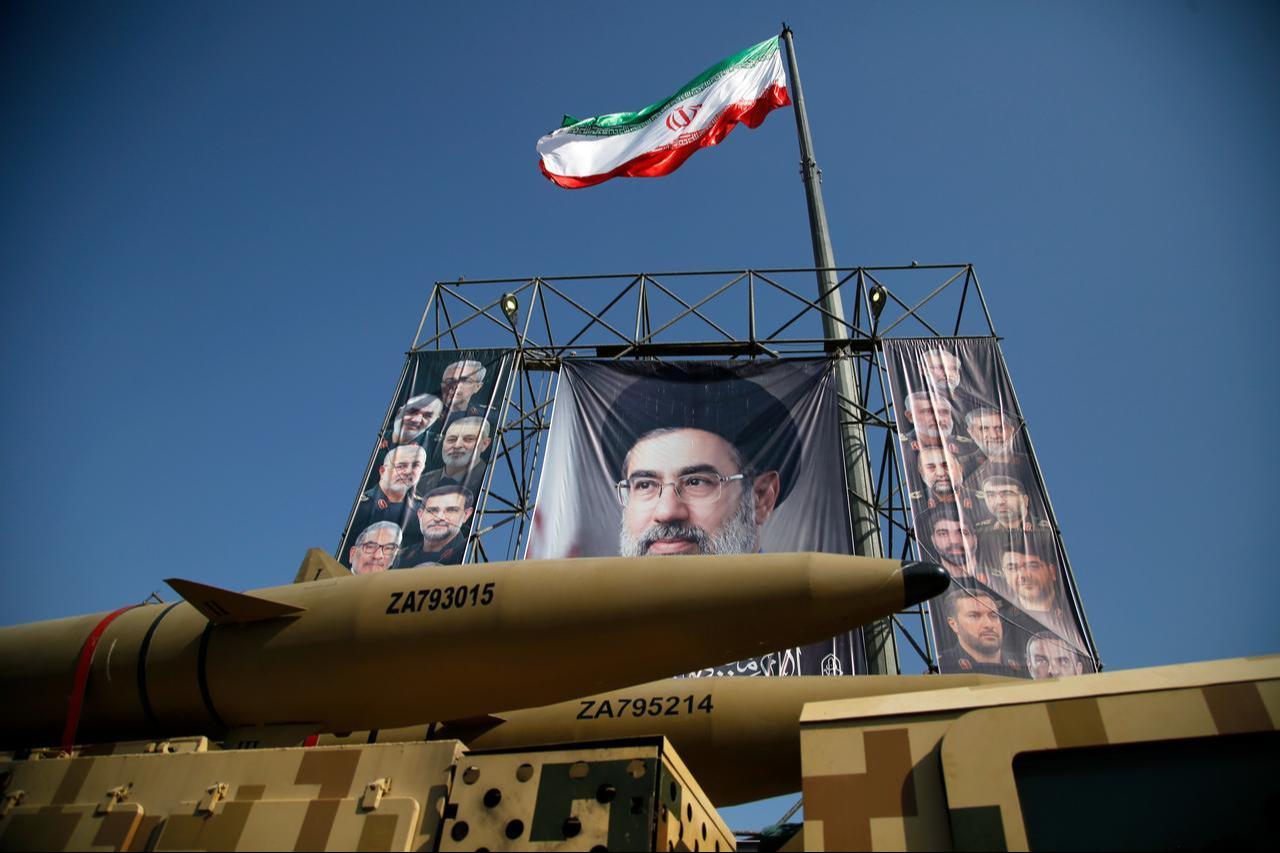
Tajani said the ultimate goal is a comprehensive agreement covering all key issues on the table, including Iran’s nuclear program and freedom of navigation in the Strait of Hormuz.
"We cannot accept concessions on these issues. Transit fees or other restrictions (in Hormuz) are unacceptable. Europe and the international community must remain united on this. We are clearly conveying this message to Tehran and other countries in the region," he said.
He said this is also a strategic interest for the EU, which should therefore play a more active role.
Economic pressure can be a useful tool to push Iran toward a deal, Tajani said. "But it must be supported by credible negotiations and a concrete diplomatic perspective," he added.
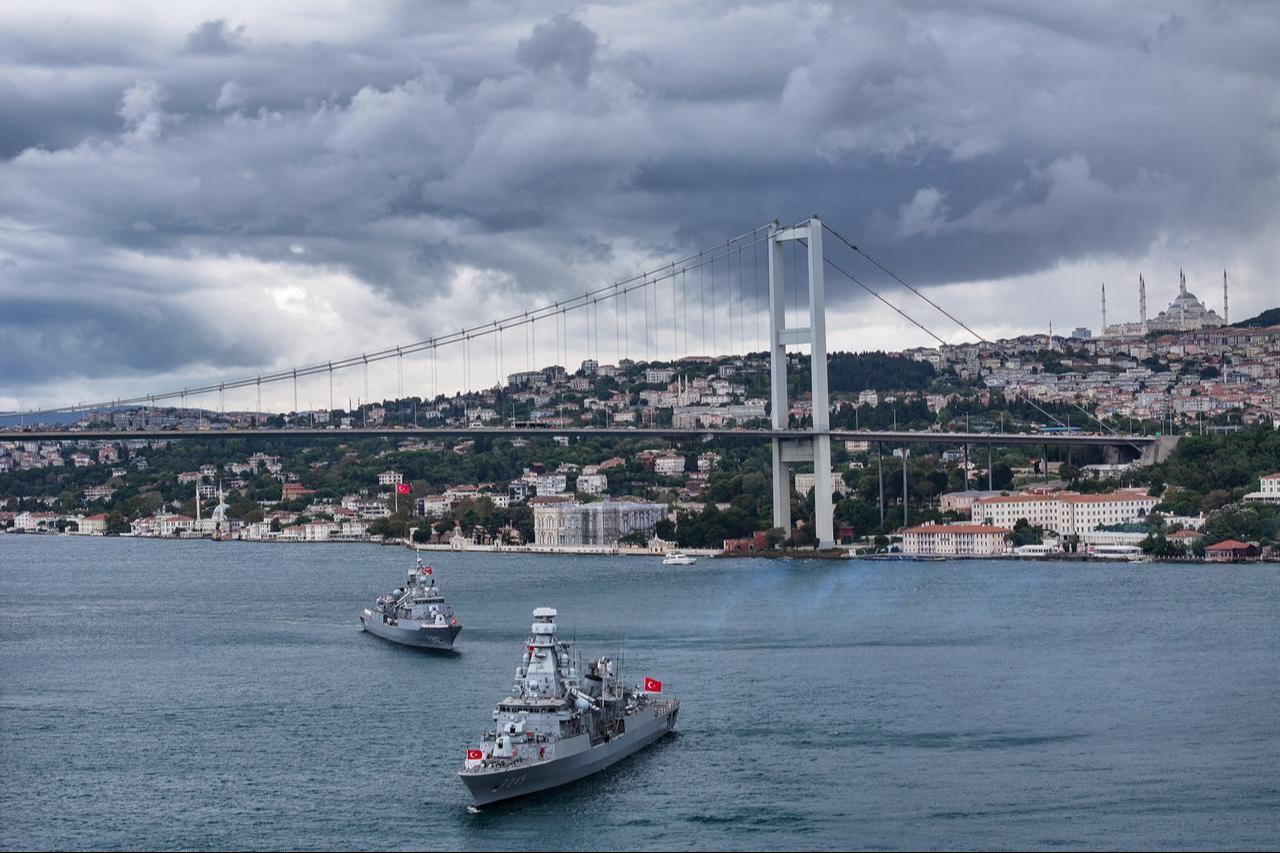
Wadephul said the meeting would focus on safeguarding freedom of navigation in international waters, developments in the Black Sea and other conflicts.
"At our first meeting in this format, we Europeans and the four regional powers want to jointly explore how we can bring movement into the conflicts in the Strait of Hormuz, at the Bab el-Mandeb and in the Black Sea," he said.
"The eight of us are taking a stand together: We will not accept Iran and the Houthi militias holding global trade to ransom and maintaining their stranglehold on the world’s supply of energy and fertilizers," Wadephul said.
"These indiscriminate attacks on free navigation and neighboring countries must come to an end," he said, adding, "For the people in the region, those suffering from hunger or fearing that they are no longer safe even within their own homes, this persistent insecurity is unacceptable."
Attacks on shipping routes are felt in Europe, from gas station prices to supermarket shelves, he said, warning that delays in fertilizer deliveries could raise the risk of famine in some regions.
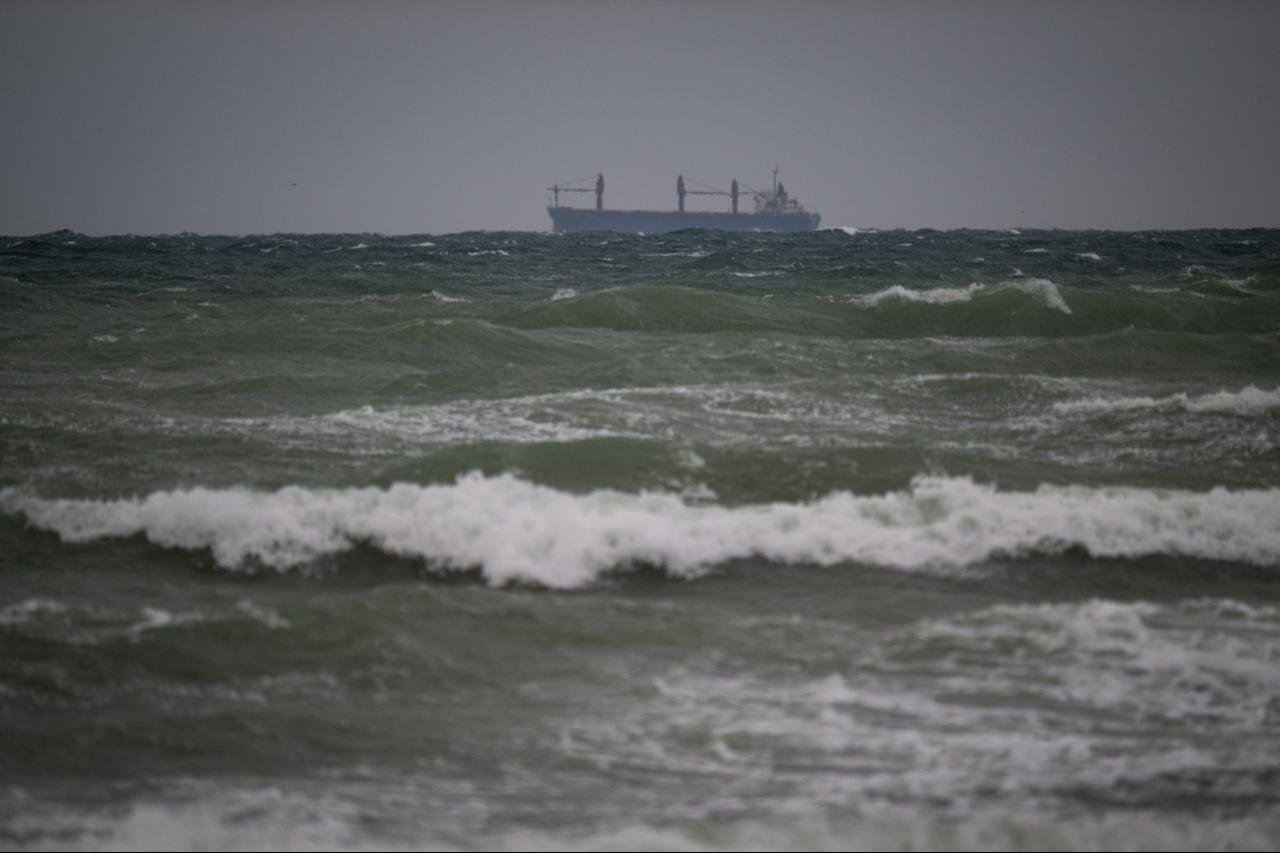
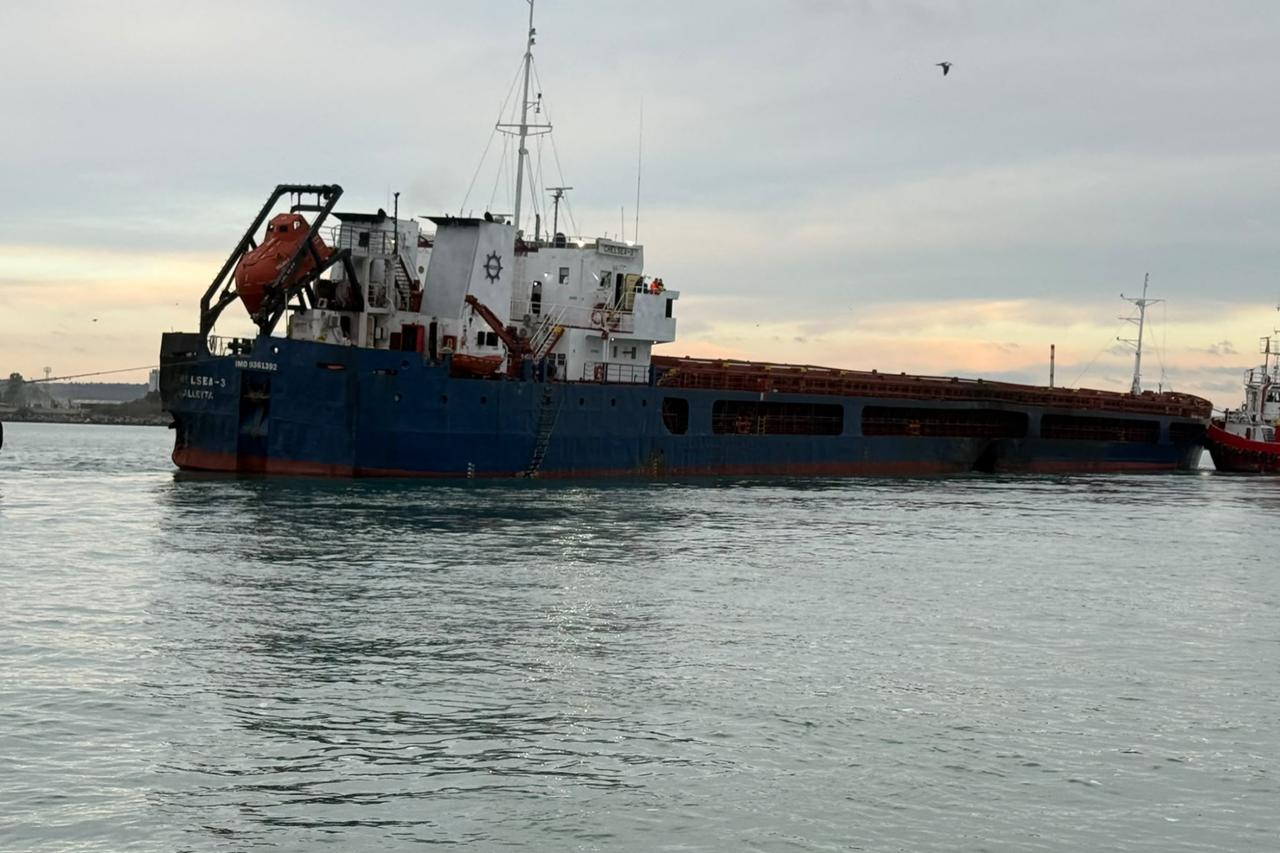
Wadephul also accused Russia of targeting free navigation in the Black Sea.
"By attacking grain shipments, Russia is knowingly risking food shortages in the Global South," he said, adding, "This hits the world’s poorest, whose survival depends heavily on wheat, as well as our partners, such as Türkiye, which is the largest processor of wheat for the global market."
Attacks on civilian ships and port infrastructure since July 2026 have nearly halted Ukrainian grain exports via the Black Sea, which previously accounted for about 30% of global wheat trade.
The Bab el-Mandeb handles about 12% of world seaborne trade, while the Strait of Hormuz carries roughly one-fifth of global oil consumption.
Asked whether the EU and Italy have taken enough steps toward a two-state solution, Tajani pointed to a shared European view.
"Europe has a balanced and reasonable common view, and we all summarize it with the formula ‘two peoples, two states.’ We must persuade important partners such as the U.S. and the most prominent countries of the Arab and Islamic world to come together and create the conditions," he said.
Tajani said Italy is working to preserve the concrete prospect of a future Palestinian state, including by preventing actions that endanger the West Bank’s territorial integrity and political future.
"The escalation in settler violence and the continued expansion of settlements endanger the stability of the region and the possibility of implementing the two-state solution. The government has openly condemned these actions many times, including in joint statements we issued with our partners," he said.
“We are following the course of the election campaign in Israel without interfering in the country’s internal debates. But the election results will reveal to what extent Israel can return with determination to the table of political and diplomatic dialogue,” Tajani said.
He said there is a lack of concrete progress on the ground in Gaza and that progress in implementing Resolution 2803 has been "insufficient."
"There is no alternative to supporting ongoing diplomatic efforts on Gaza. The humanitarian situation in the Gaza Strip remains extremely severe. As winter approaches, uninterrupted continuation of aid to the people of the region must be ensured," he said.
"Italy continues to support the 20-point plan prepared for a comprehensive peace. We hope for more progress in implementing the plan after the elections in Israel," Tajani said.
Italy also supports U.S.-mediated peace efforts in Lebanon, he said, adding that conditions for continued negotiations must be preserved.
"As the mandate of the U.N. Interim Force in Lebanon (UNIFIL) nears its end, our priority is to prevent any security vacuum," Tajani said.


 Set as preferred source
 Set as preferred source


 1 min read
 1 min read