Newsletters


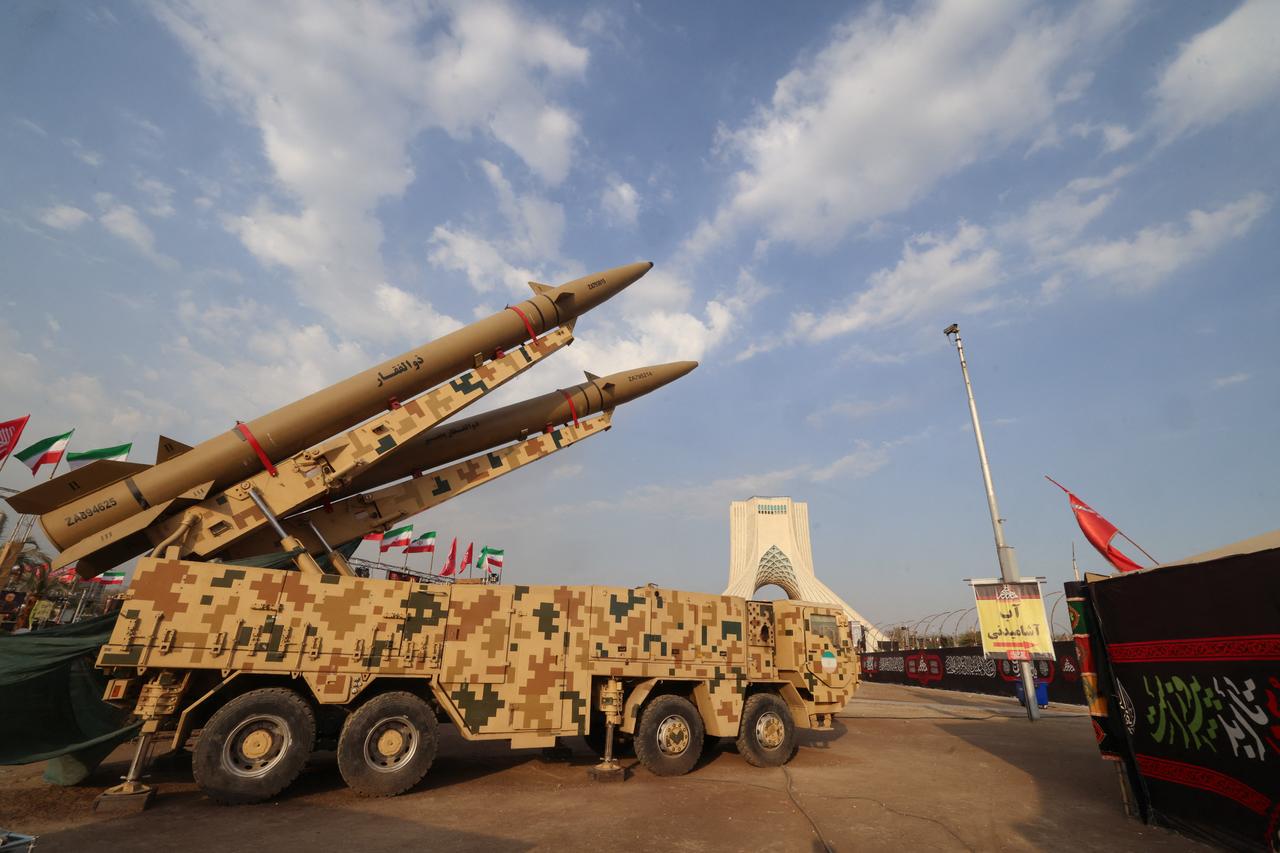


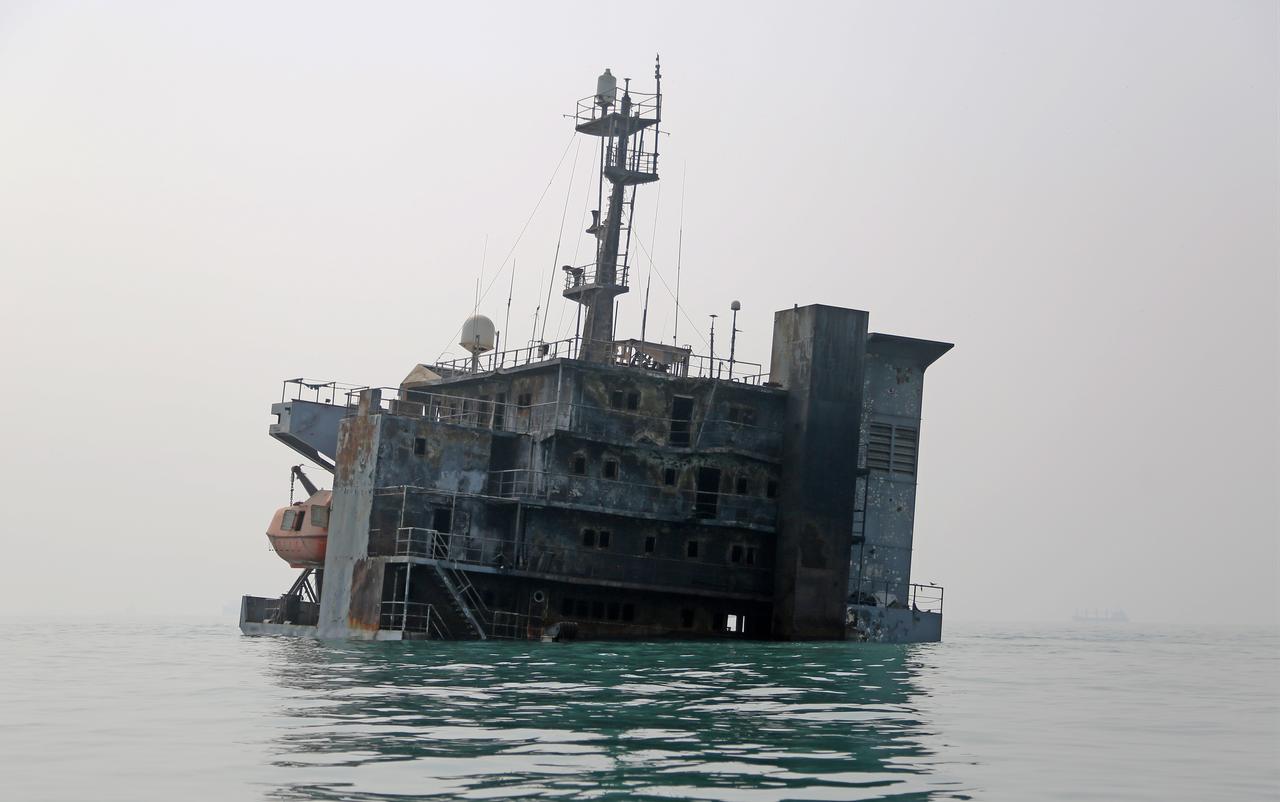
Iran's Islamic Revolutionary Guard Corps (IRGC) on Thursday threatened to strike U.S. bases across the Middle East if the American military keeps escorting ships through the Strait of Hormuz, after claiming it hit four tankers transferring oil in the Gulf and that three more struck mines overnight.
"The U.S. military must know that if this trend continues, the conflict will extend to its bases in the region," the Guard said in a statement on its Sepah News.
"This is a serious warning," the IRGC added.
The Guard's navy said it tracked four ships that had previously used what Tehran calls an "illegal" route and struck them simultaneously while they were transferring oil cargo from ship to ship in the northern-central Gulf, adding that "fires were still burning on the targeted ships."
Three other vessels hit mines west of the Strait of Hormuz overnight, caught fire and were halted, the IRGC claimed. "The insistence of the arrogant U.S. regime on inciting vessels to pass through the illegal mined passage has increased maritime incidents day by day," it said.
The vessels were not identified, and the claims could not be independently verified.

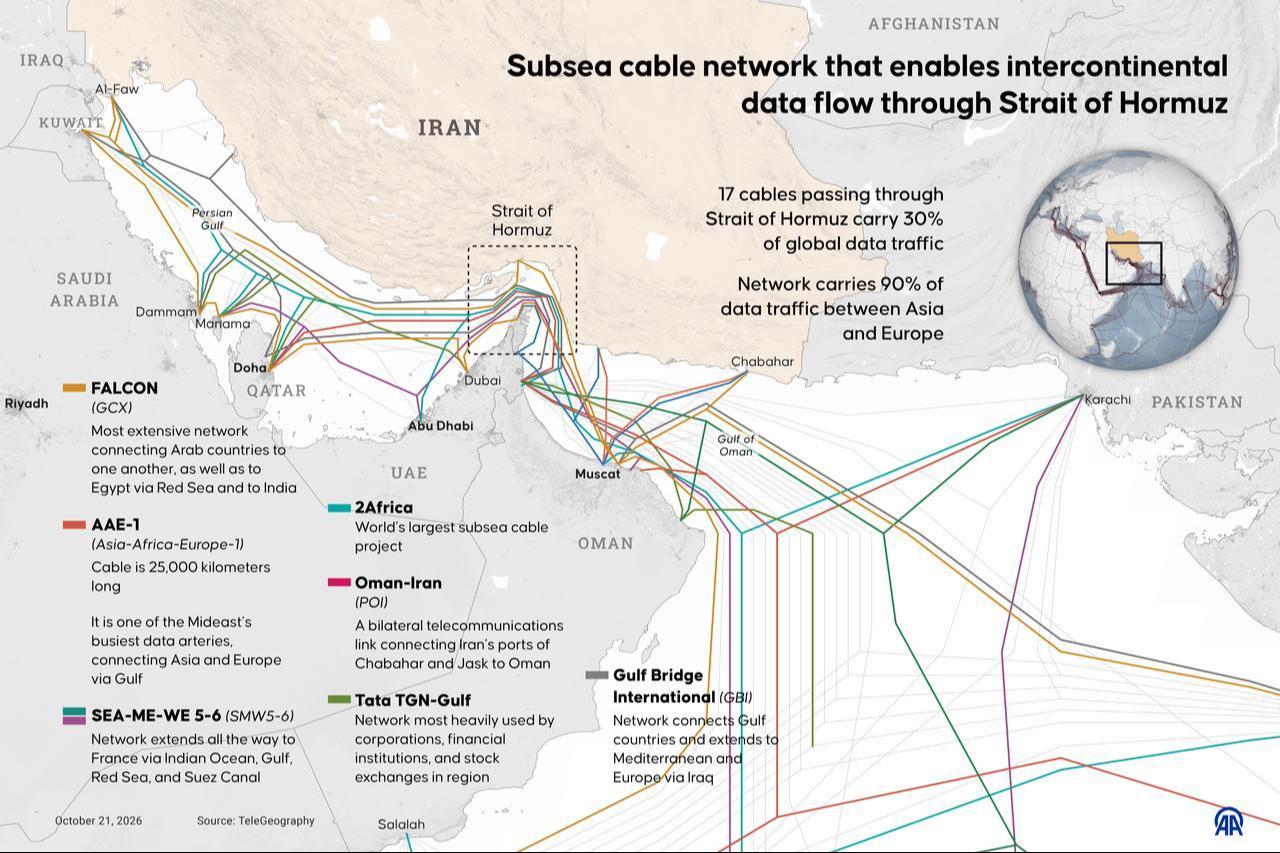
"The U.S. has valuable assets in the region. In case of war, cables, data centers and AI facilities could also come within range. If the conflict starts again, we will have a broader plan,” Mohsen Rezaei, secretary of Iran’s Supreme National Security Council, said, according to Iran's Tasnim.
"The Strait of Hormuz is under Iran’s control and we manage it," Rezaei said.
"Over the past two or three months, we have targeted on average 5 vessels belonging to these smugglers every night," he added, accusing the U.S. Central Command (CENTCOM) commander of leading them with help from UAE military forces.
"Managing Hormuz is a national asset for us and the issue is not merely collecting tolls. The main issue is security," he said.
This is not the first time that the IRGC has threatened to target the subsea cable network in the Strait of Hormuz. On Oct. 20, IRGC spokesman Hossein Mohebbi said, "Seven major internet cables run beneath the Strait of Hormuz," claiming that all internet and commercial data traffic passes through them.
"We just want them to know that new targets will be unveiled. New weapons will be unveiled," he added.
"We have prepared ourselves for asymmetric war and the equipment it requires," Iranian army commander Maj. Gen. Amir Hatami said, according to IRNA. "We have reached good maturity in drones and unmanned systems in general."
"The enemy understands no language but that of force and power," Hatami said, adding the army’s navy has "a strong presence at sea and on the coast" east of the Strait of Hormuz. "In the previous asymmetric war, we fought the enemy with equipment that surprised the enemy because it received very heavy blows."
Iran said it reclosed Hormuz on July 12 after U.S. attacks resumed July 8, while Washington maintains a naval blockade on Iranian ports.
The U.S. and Israel launched a war against Iran on Feb. 28.
Tehran responded with missile and drone attacks across the region and effectively closed the Strait of Hormuz, while Washington later imposed a naval blockade on Iranian ports.
The U.S. and Iran subsequently signed a memorandum of understanding in June concerning freedom of navigation in the strait, but implementation stalled over disagreements related to security in the strategic waterway.


 Set as preferred source
 Set as preferred source



 3 min read