

 Newsletters


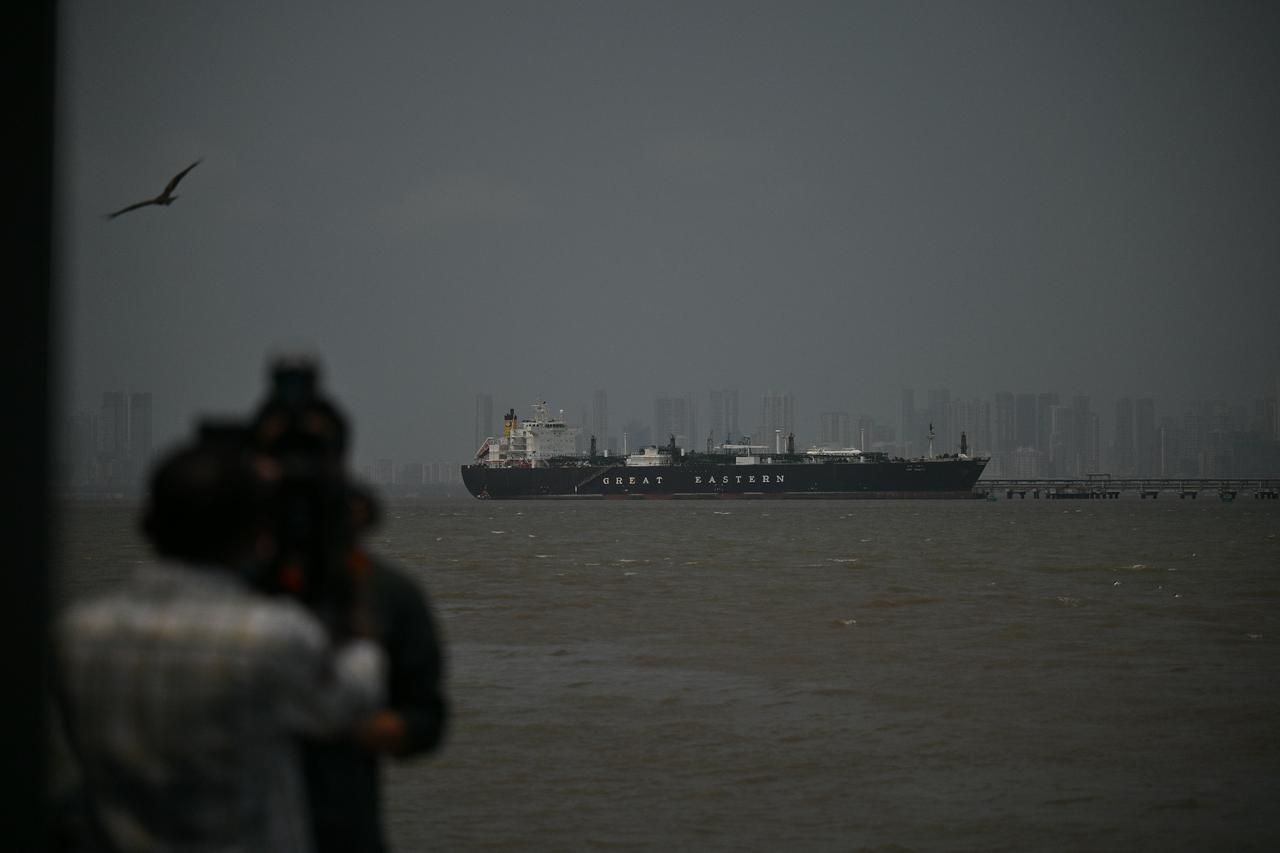


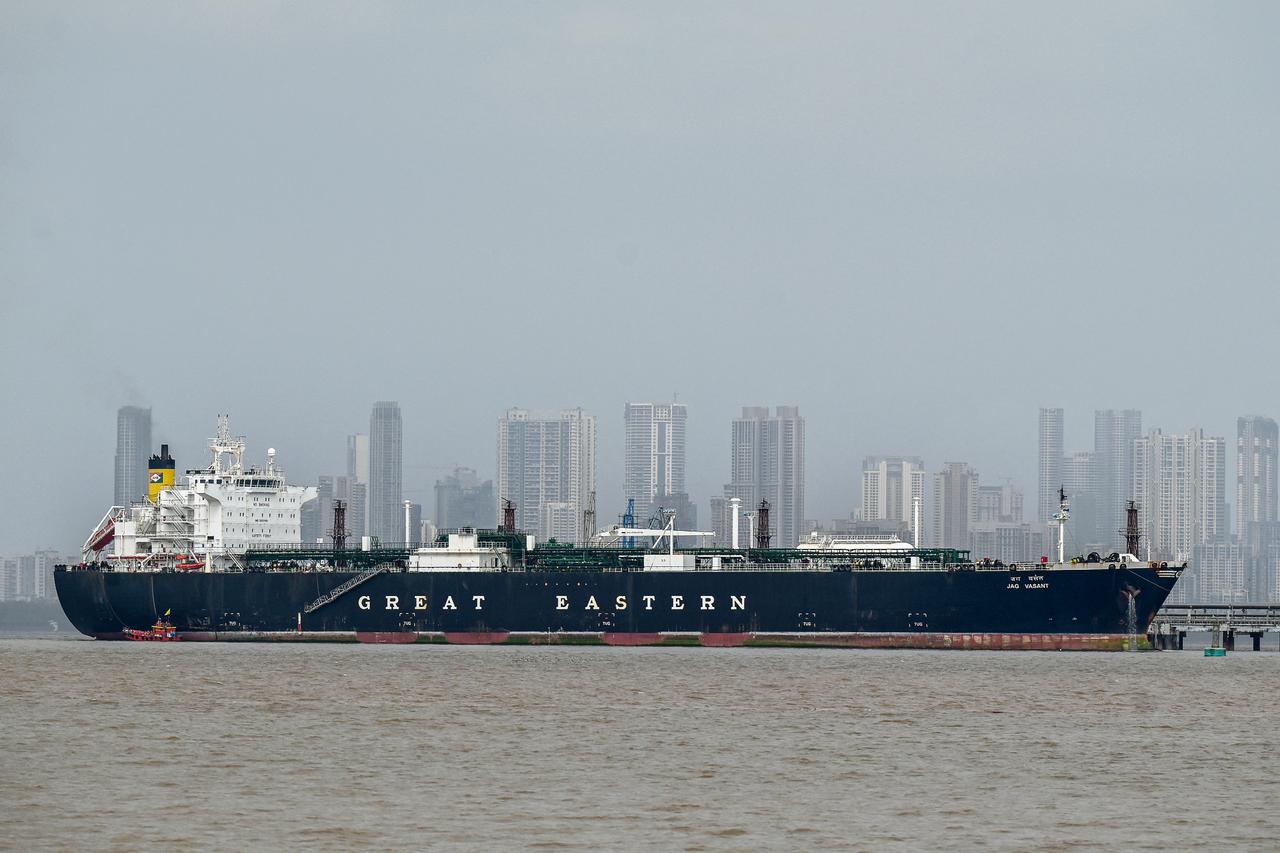
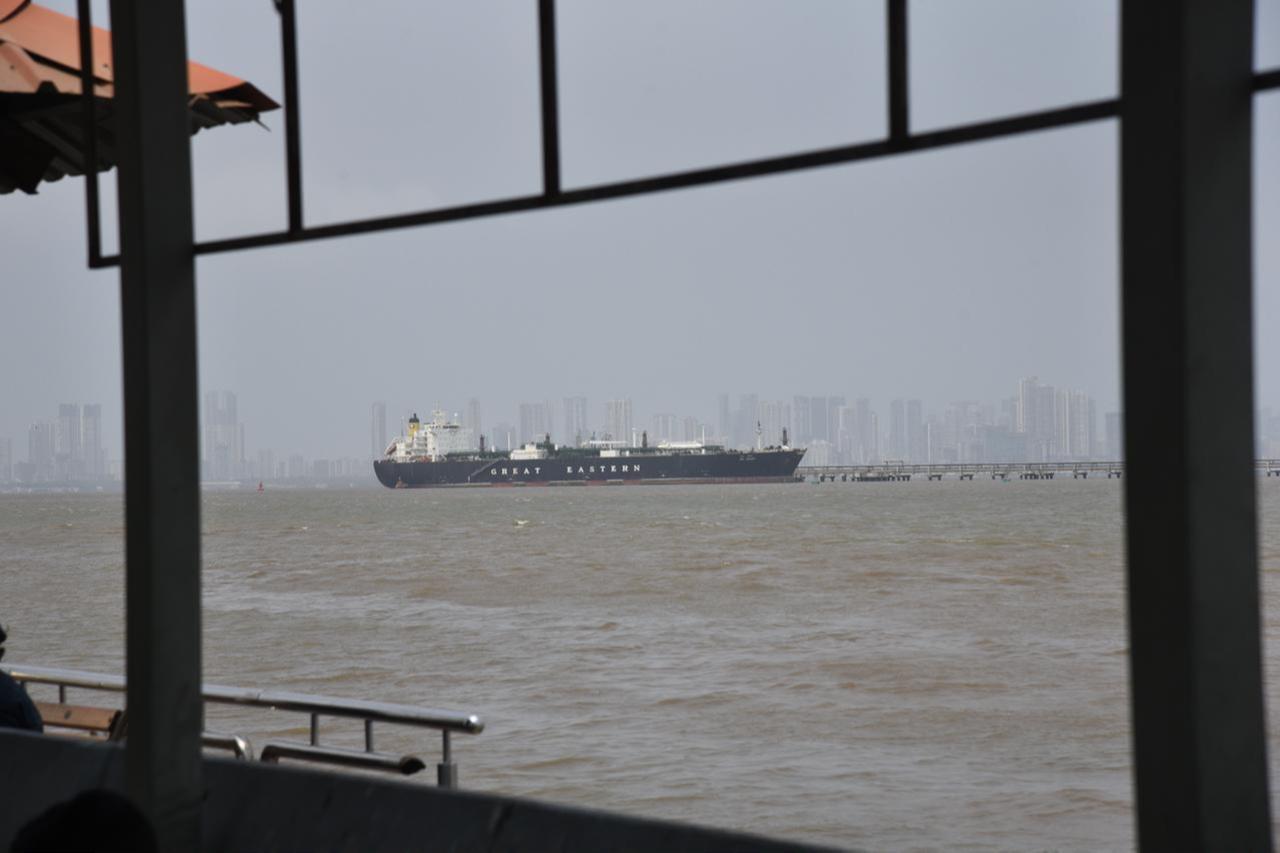
A Japanese shipping firm said Monday that an Indian-flagged tanker owned by its subsidiary had passed through the Strait of Hormuz and was en route to India.
Iran has effectively closed the strait, a critical route for global crude oil and gas, in retaliation for U.S.-Israeli strikes that began on Feb. 28.
The near closure of the key shipping route has led to fuel shortages and rising energy prices globally.
A spokeswoman for Mitsui O.S.K. Lines told Agence France-Presse (AFP) that the LPG tanker Green Asha had crossed the strait.
“Both the crew and the cargo are safe,” she said.
It was the third Japan-linked ship to transit the strait in recent days.
On Saturday, India’s government said the LPG tanker Green Sanvi, also owned by a Mitsui subsidiary, had safely transited the strait.
A day earlier, three tankers, including one co-owned by Mitsui, crossed the strait. Mitsui’s Sohar LNG vessel was the first LNG tanker to cross the strait since March 1.
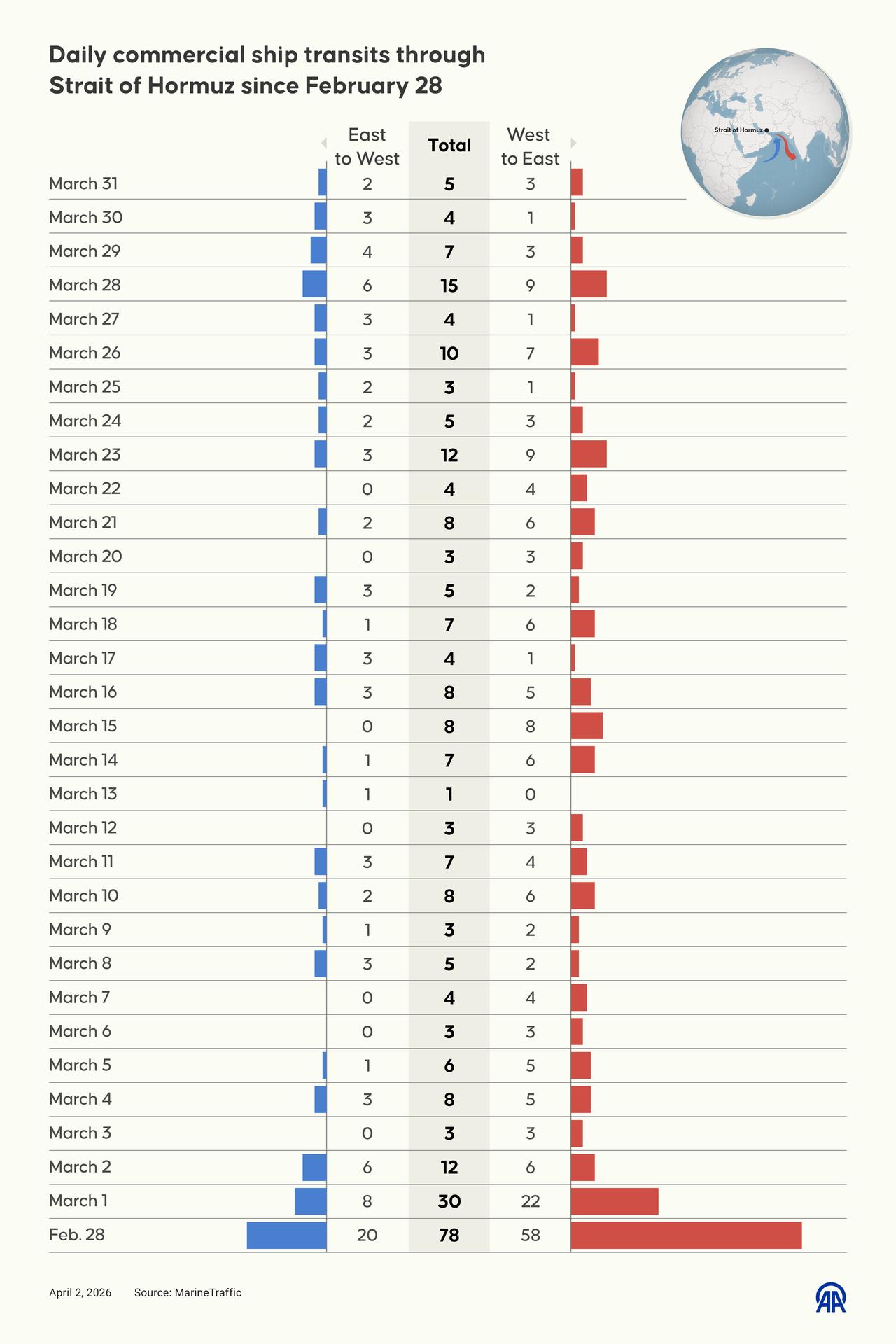

Meanwhile, fifteen ships transited the Strait of Hormuz over the past 24 hours after obtaining permission from Iran, Iranian media reported Sunday.
The semi-official Fars News Agency said the vessels were allowed to pass through the strategic waterway after receiving authorization from Iranian authorities.
The agency said ship traffic through the strait remains about 90% lower than before the United States and Israel launched attacks on Iran in late February.
The few vessels that have crossed the chokepoint since the start of the war have reportedly used an Iranian-approved route through waters near Larak Island, a route shipping analysts have dubbed the “Tehran Toll Booth.”
Hostilities in the region have escalated since the United States and Israel launched a joint offensive on Iran on Feb. 28, killing more than 1,340 people to date, including then-Supreme Leader Ali Khamenei.
Tehran has retaliated with drone and missile strikes targeting Israel, as well as Jordan, Iraq and Gulf countries hosting U.S. military assets. Iran has also restricted the movement of ships through the Strait of Hormuz.
The conflict has disrupted traffic through the Strait of Hormuz, through which roughly 20 million barrels of oil pass daily, rattling global energy markets and pushing energy prices higher.


 Set as preferred source
 Set as preferred source


 1 min read

 1 min read



