Newsletters


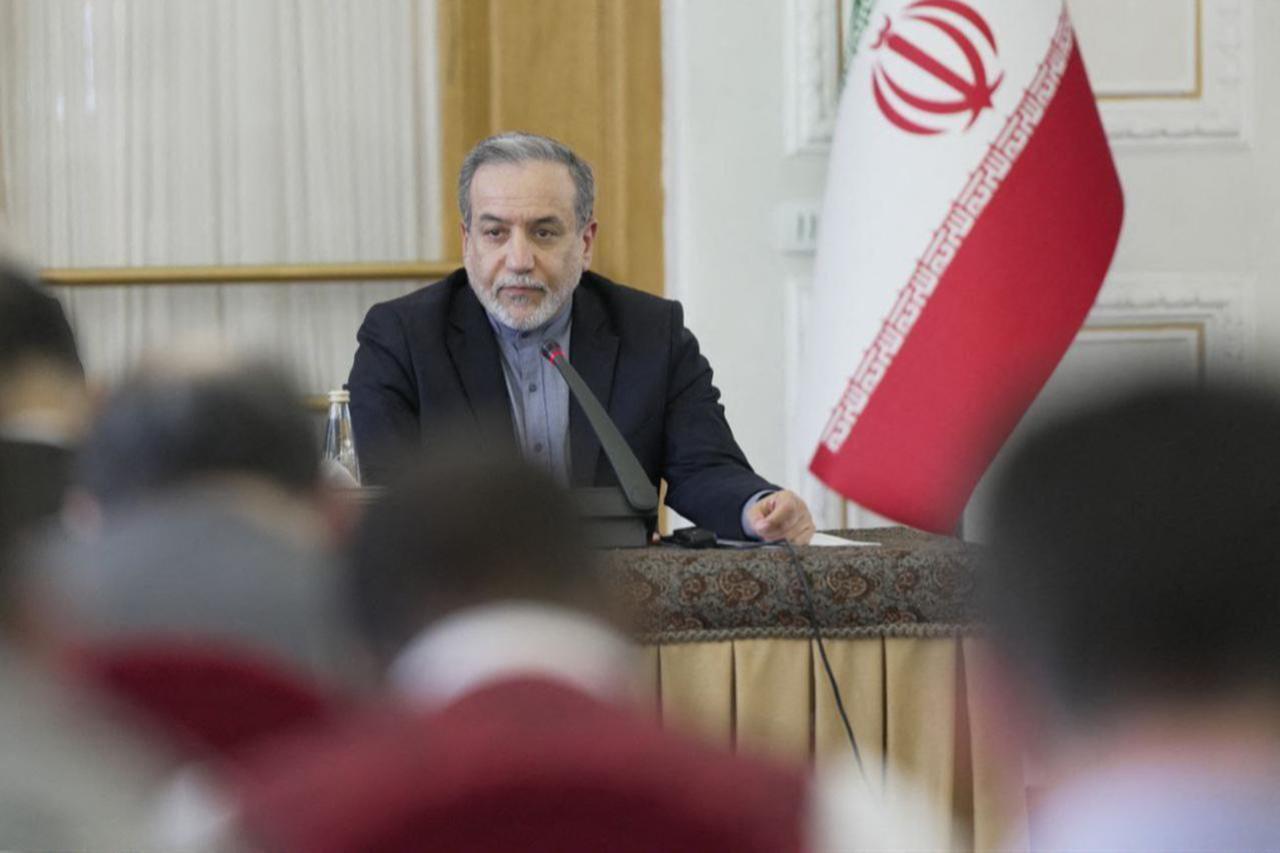


Türkiye, Egypt, and Pakistan have reportedly stepped up efforts to mediate between Iran and the United States. Still, efforts to broker a ceasefire remain deadlocked as Tehran rejects direct talks and key proposals ahead of President Donald Trump’s deadline.
According to the reports, diplomatic traffic intensified over the weekend, with the foreign ministers of Türkiye, Egypt and Pakistan holding calls with Iranian Foreign Minister Abbas Araghchi and U.S. envoy Steve Witkoff.
The outreach aimed to pave the way for talks, yet no breakthrough emerged.
Ankara and Cairo are now weighing alternative venues, including Istanbul, to revive negotiations and pull both sides into the same room, the Wall Street Journal said.
Iran, however, continues to resist, according to reports. Officials have ruled out meeting U.S. counterparts in Islamabad in the coming days and dismissed proposals tied to reopening the Strait of Hormuz in exchange for a temporary ceasefire.
Behind the scenes, mediators are shaping a two-stage framework starting with a 45-day ceasefire, designed to open space for negotiations on a permanent end to the war, Axios reported. The arrangement could be extended if talks require more time.
The plan runs into two hard constraints: Iran’s control over the Strait of Hormuz and its stockpile of highly enriched uranium. Mediators are testing whether limited steps on both fronts could anchor the first phase while pressing Washington to offer assurances that the war would not resume.
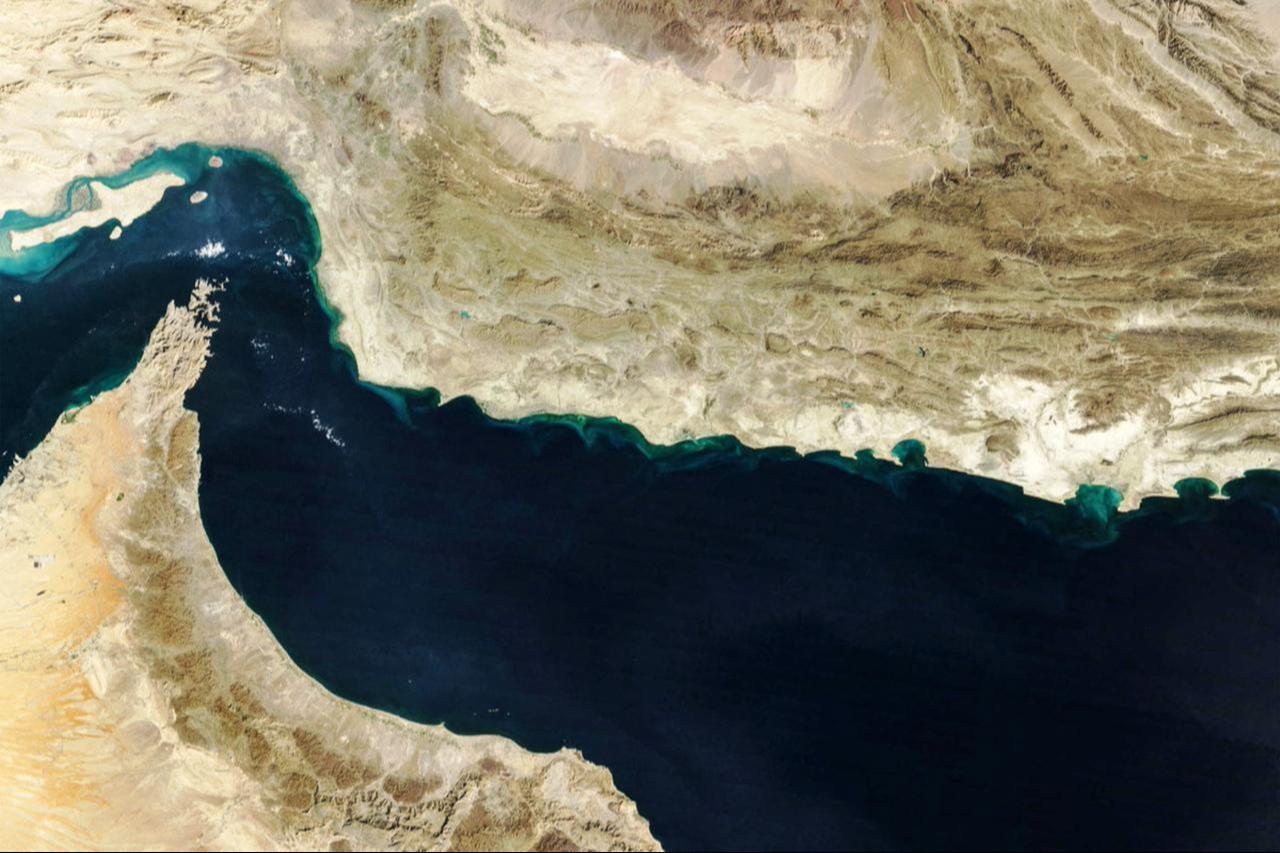

Tehran remains cautious, signaling it will not trade away its main leverage for a short-term pause and warning against a ceasefire that could collapse.
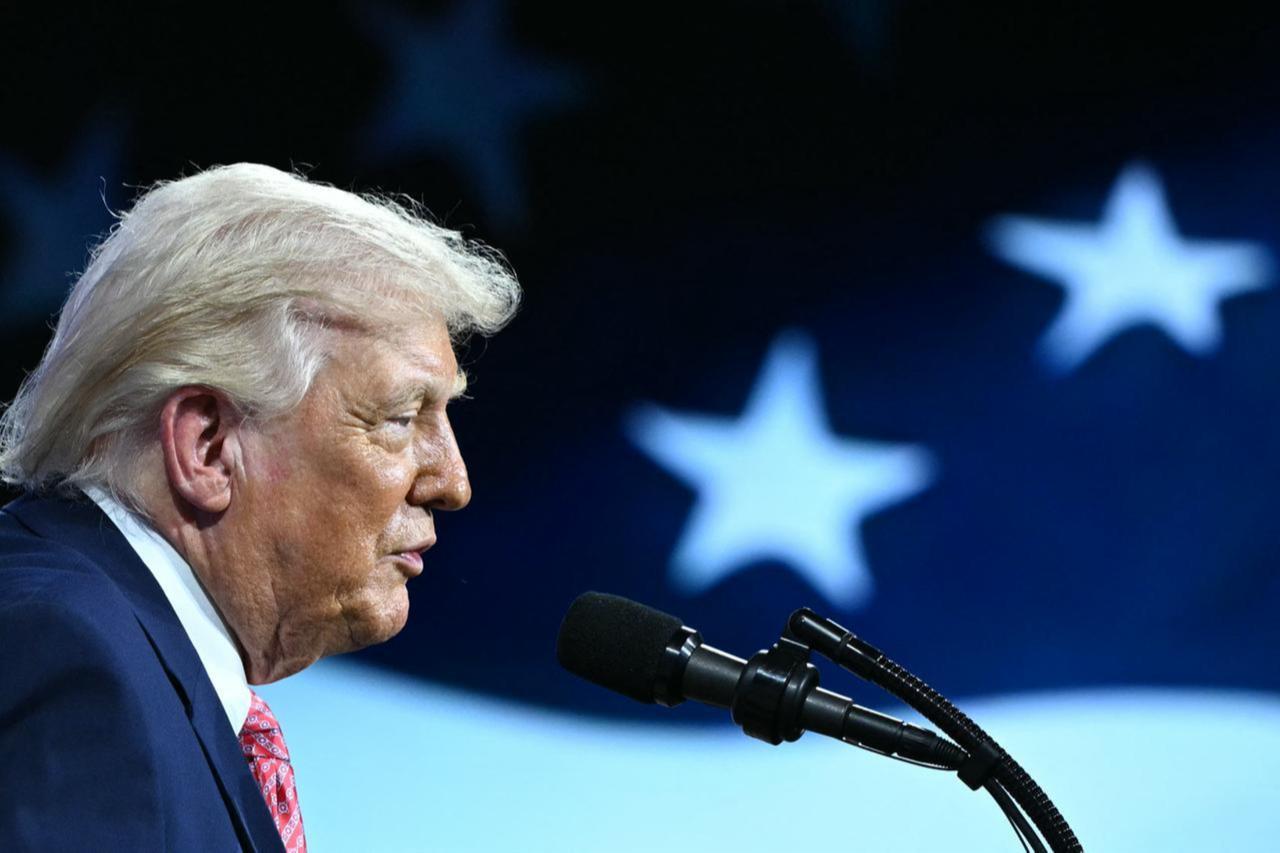
The diplomatic push is now running up against a tight U.S. deadline. Trump recently gave Iran a bit more time, saying a deal is still possible but warning that failure could lead to strikes on key infrastructure.
A collapse in talks could set off a broader regional escalation, including retaliatory attacks on energy and water facilities across the Gulf.
He later sharpened the ultimatum, warning that if Iran does not reopen the Strait of Hormuz by Tuesday evening, it could lose its power plants and other key facilities, while saying the war’s end would be announced "pretty soon."
U.S. and Israeli strikes since Feb. 28 have killed more than 1,340 people, including then-Supreme Leader Ali Khamenei.


 Set as preferred source
 Set as preferred source


 1 min read
 1 min read