Newsletters


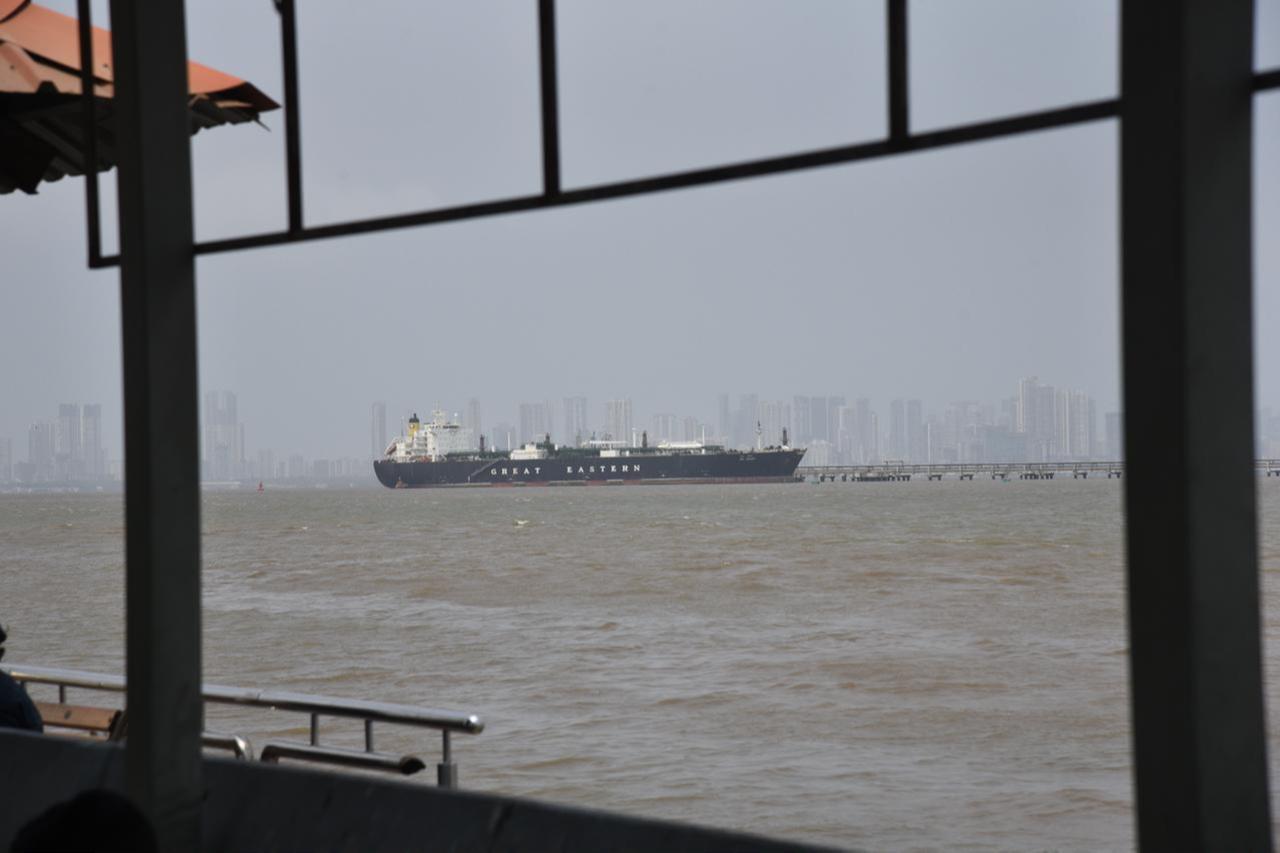


Representatives from Oman and Iran met on Saturday to discuss possible options for allowing ships to pass through the Strait of Hormuz, Oman's foreign ministry said.
Tehran has effectively closed the waterway to most traffic in retaliation for U.S.-Israeli strikes and sought a greater role in supervising maritime movement through the strait.
In a statement, the Omani foreign ministry said experts and undersecretaries from the two countries' foreign ministries presented a number of perspectives and proposals during the meeting and that those ideas would be studied further.
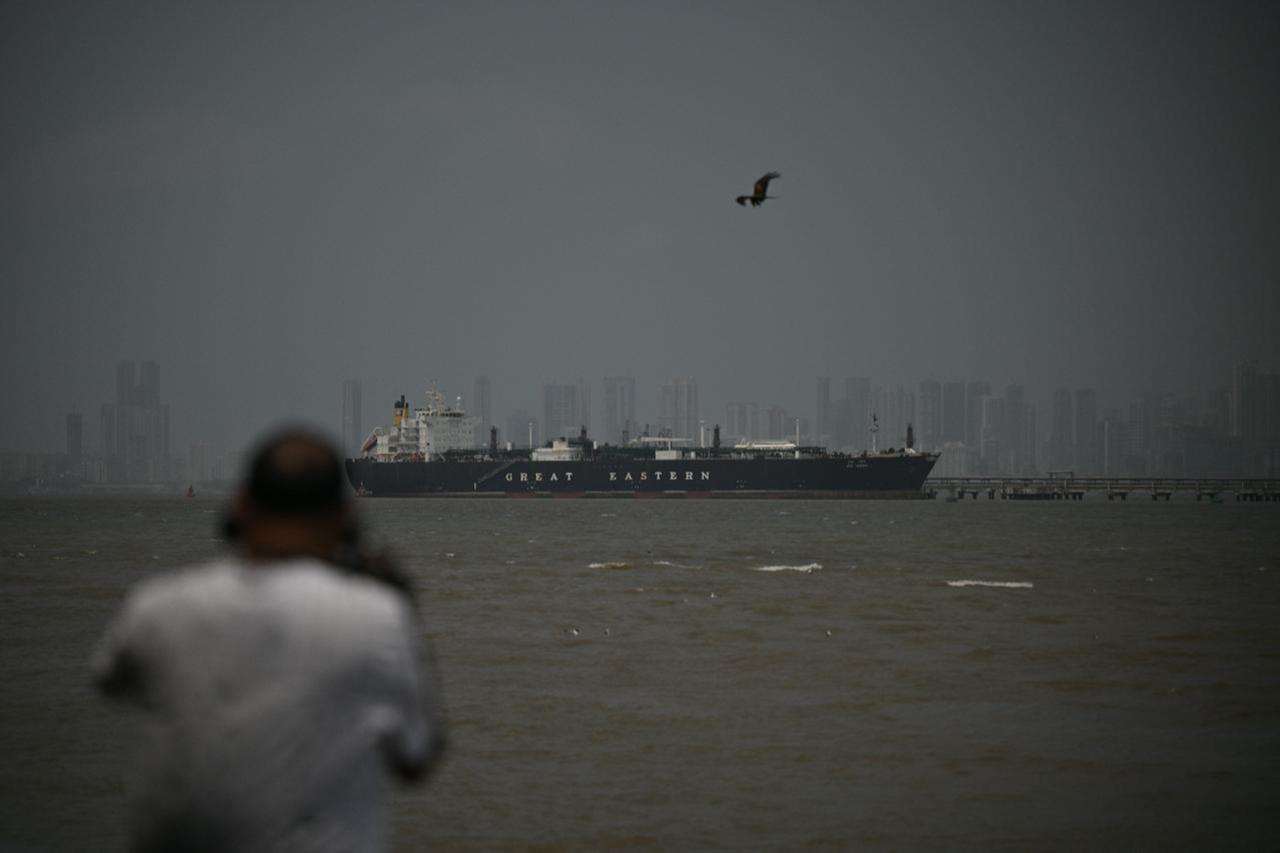
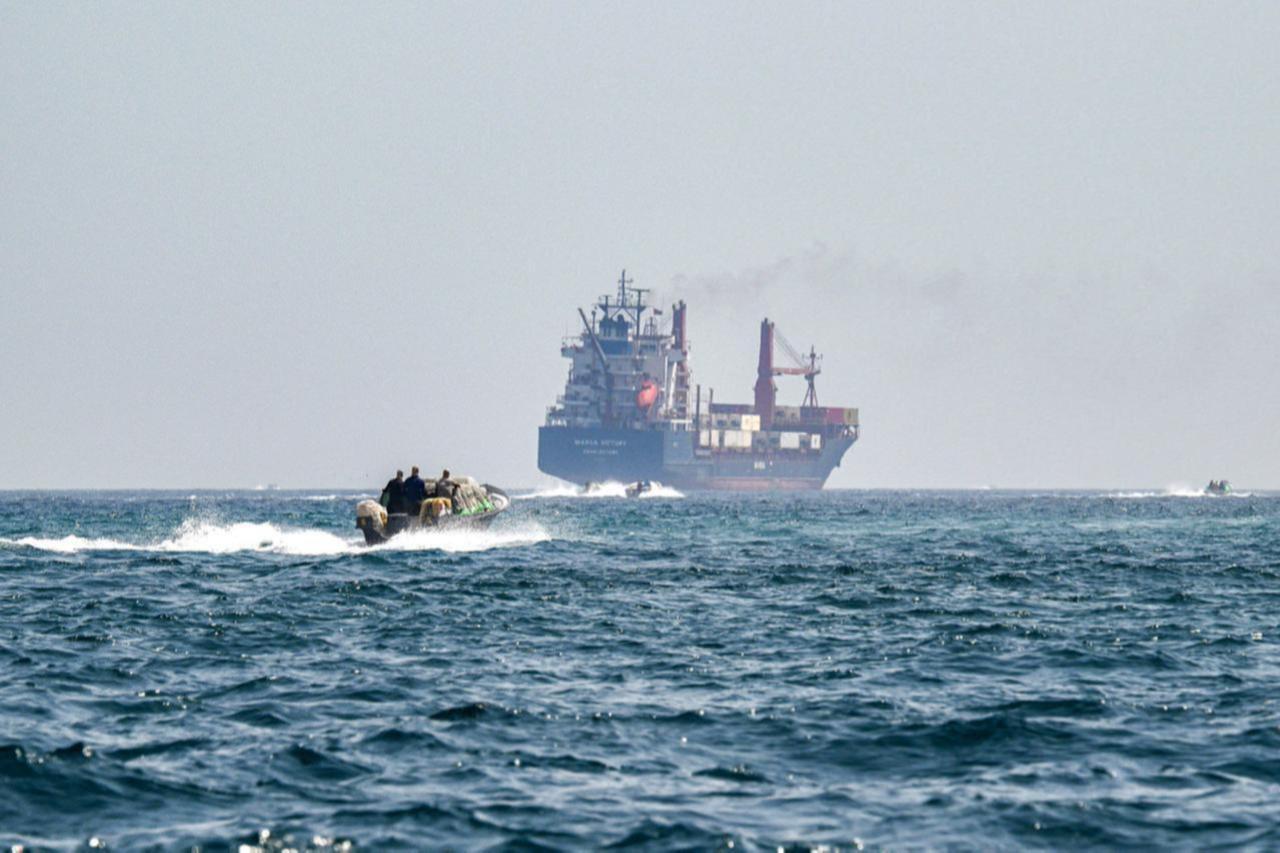
The talks came as some vessel movements were again seen in the strait. On Sunday morning, several tankers, including a Chinese vessel and one that had loaded in Iraq, appeared to have passed through the waterway, according to shipping tracker MarineTraffic.
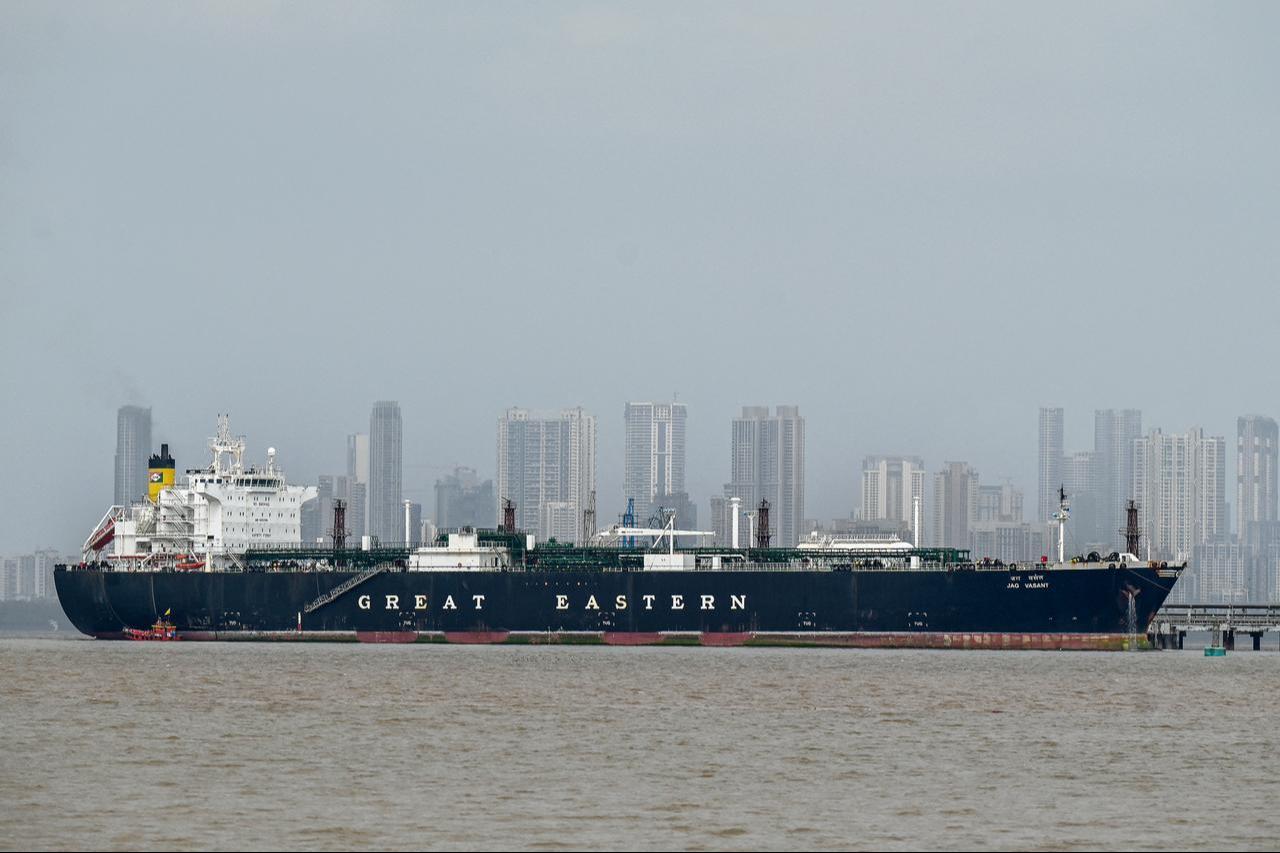

According to the Omani foreign ministry, the meeting focused on "possible options" for allowing ships to pass through the Strait of Hormuz.
The ministry said experts and undersecretaries from both countries' foreign ministries presented a number of perspectives and proposals and that those would be examined further.
The Strait of Hormuz has become a central issue since Iran effectively closed it to most traffic in response to U.S.-Israeli strikes on the country, cutting off around one-fifth of the world's oil supply from global energy markets, according to the text.
Tehran controls the north side of the strait, while Oman controls the south.
On Sunday morning, several tankers appeared to have passed through the strait, according to MarineTraffic. The vessels included a Chinese tanker and one that had loaded in Iraq.
Iran's semi-official Tasnim news agency reported that more than 180 ships had successfully transited the Strait since the outbreak of the conflict.
According to Tasnim, nearly 70% of those transits involved ships owned by Iran or its allies, while countries including China, India, Pakistan and Türkiye had negotiated passage for some of their vessels.
Before the war, as many as 140 ships passed through the Strait each day, according to the United Nations trade division.
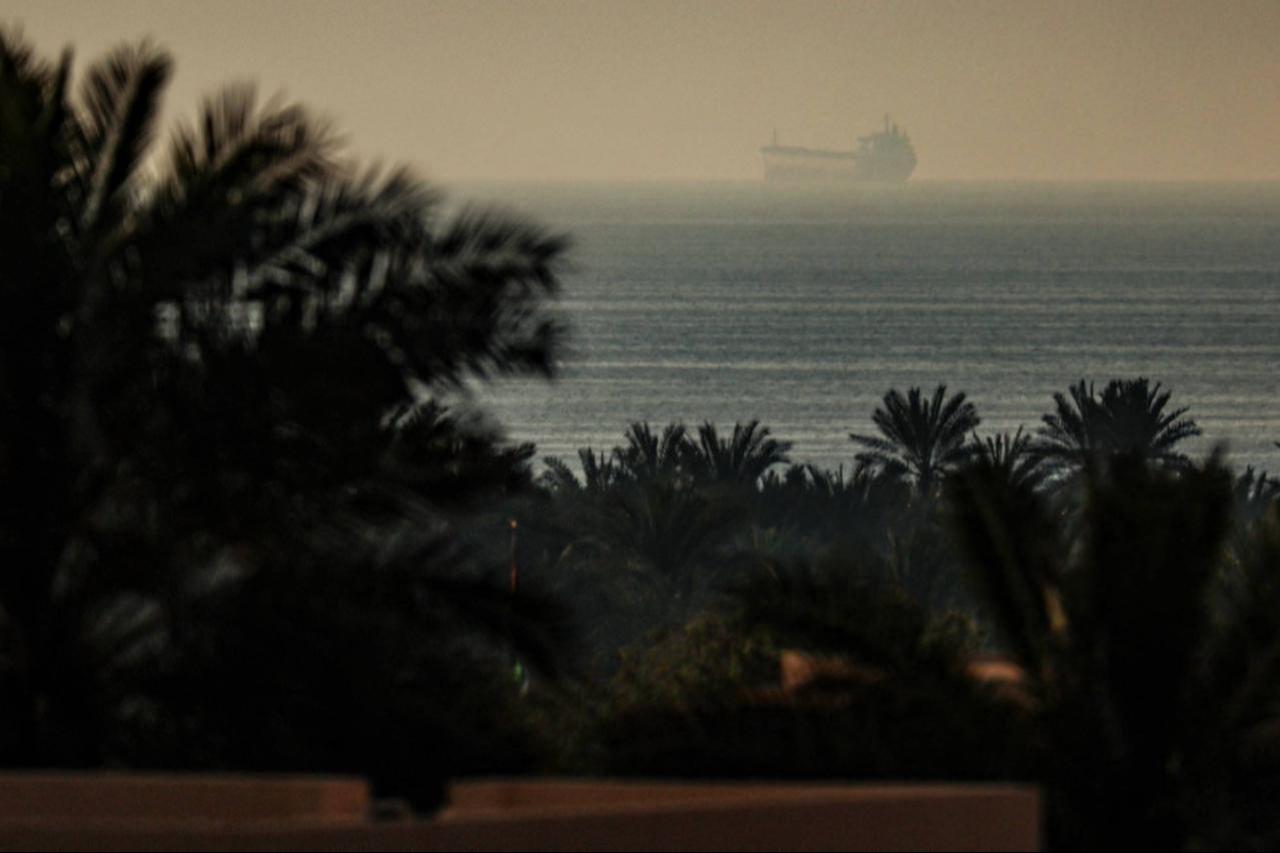
The meeting took place three days after Iran said it was drafting a protocol with Oman to monitor maritime traffic through the strait.
According to the text, Iran argued that ships' passage should take place under the "supervision and coordination" of coastal states, even in peacetime.
Recognition of Iran's sovereignty over the strait is one of Tehran's main demands to end the war, according to the text, which said such recognition would be an anomaly under customary international law.
Earlier in the week, Iran's parliament Security Commission approved a plan to impose tolls on ships passing through the strait and to enforce what a commission member, quoted by state broadcaster, described as "Iran's sovereign role."
The latest meeting between Oman and Iran brought together discussions on possible shipping arrangements as vessel movements resumed in part and Tehran continued to push for a broader supervisory and sovereign role in traffic through one of the world's most important energy corridors.


 Set as preferred source
 Set as preferred source


 1 min read
 1 min read