Newsletters


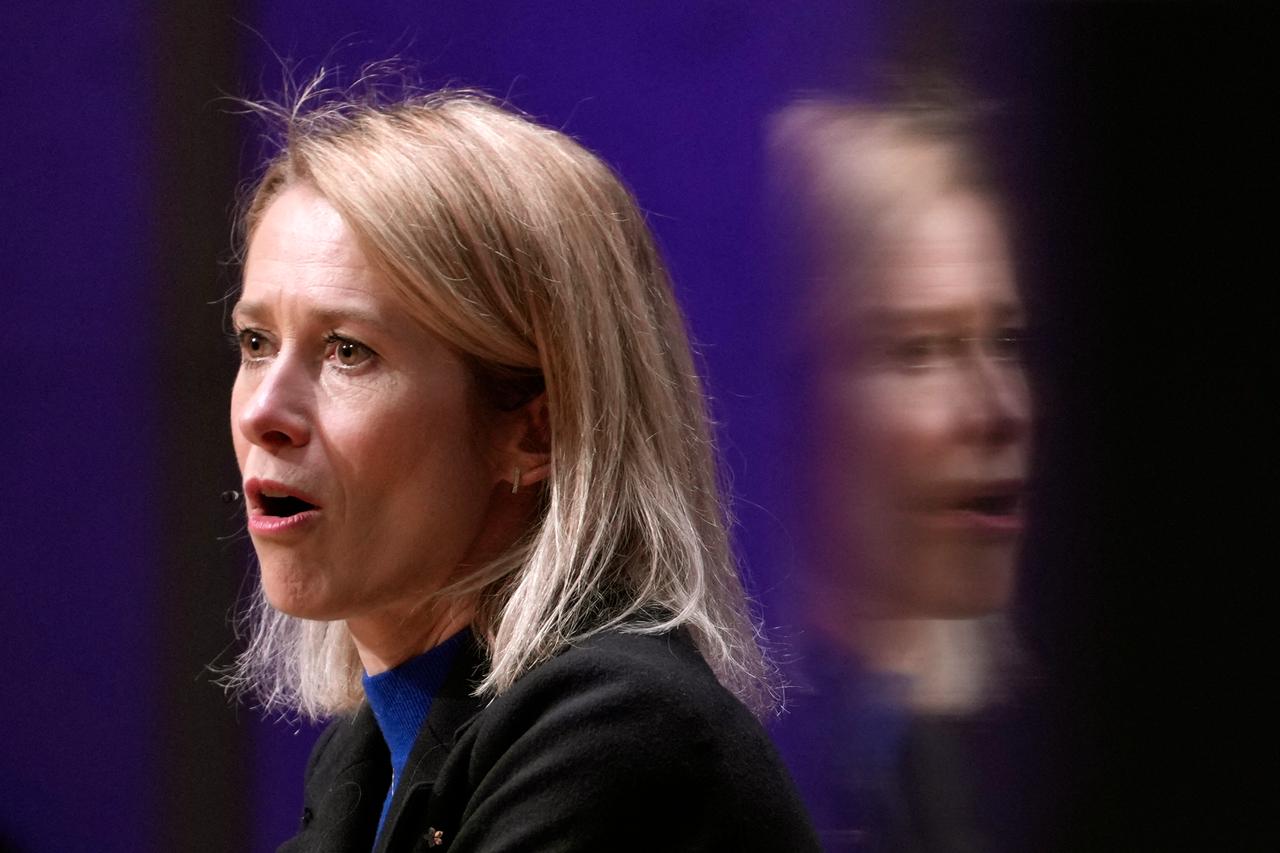


European Union High Representative Kaja Kallas criticized the United Nations for "not delivering as it should" and lacking serious accountability mechanisms.
Meanwhile, the former EU Commissioner Dimitris Avramopoulos warned that Europe "will not survive" unless it increases its strategic autonomy.
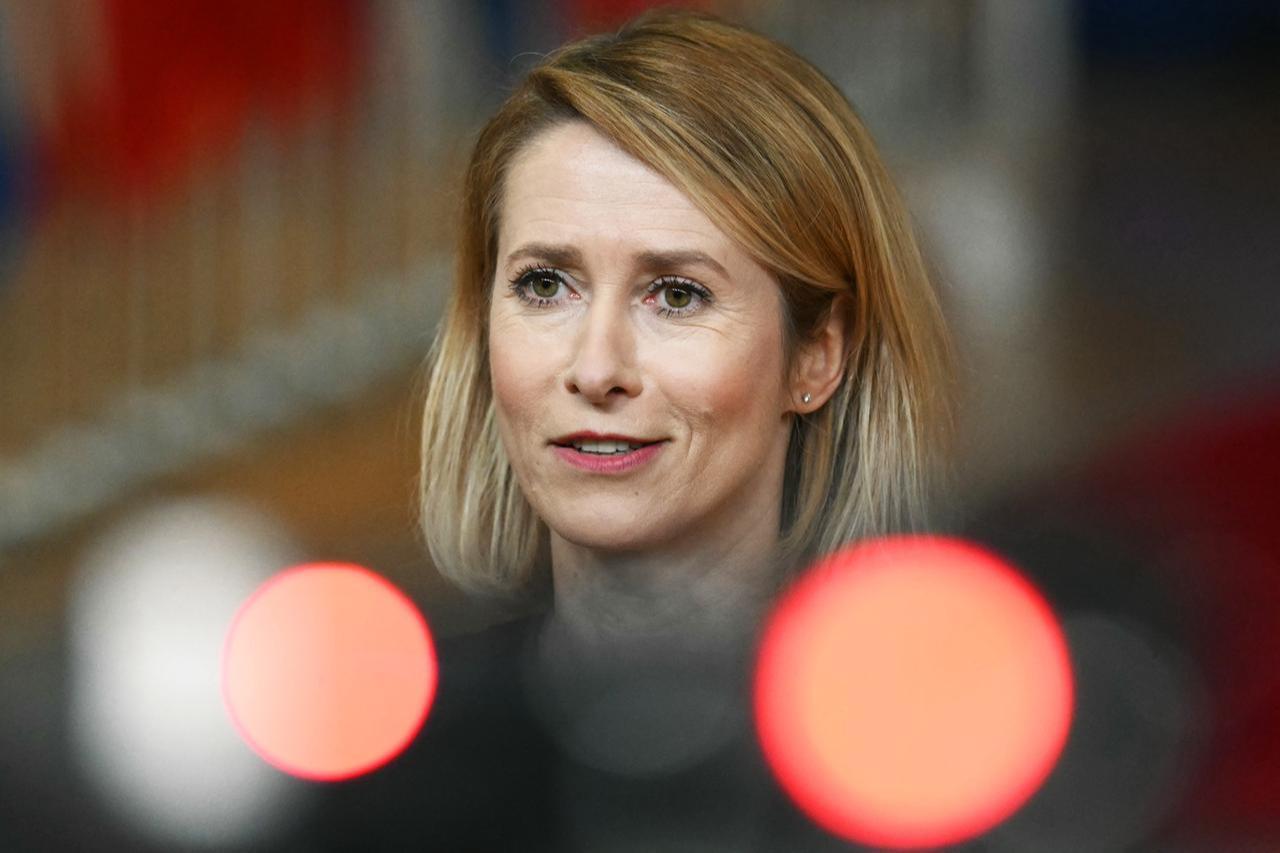

Speaking at the Oslo Security Conference in Norway on "The Transatlantic Partnership Facing a New Normal," Kallas said the rules-based international order is "largely an illusion."
"Frankly, the law of the strong has always prevailed. Those who hold power get what they want. It's as if jungle rules apply, but even in the jungle there is cooperation among animals," Kallas said.
Kallas said the United Nations is "not delivering as it should."
"The U.N. Charter is very good, the principles in it are extremely strong, but the problem is that there is no serious accountability mechanism. It is not clear what happens when the rules are violated," she said.
"There is the Security Council, but if a Permanent Member of the Security Council clearly violates the UN Charter by attacking another country, there is effectively not much that can be done," Kallas added.
Kallas also noted that transatlantic differences did not begin with U.S. President Trump, pointing to "serious continuity and overlap" between different U.S. administrations' policies.
"Therefore, it would be easy but misleading to read this through a single personality or election cycle. We are actually talking about a long-term policy here, and we need to look at it that way," she said.
Kallas emphasized Europe must strengthen its defense capacity in today's world, noting: "We learned through painful experiences how vulnerable excessive dependencies make us in energy, security or other areas. If you are vulnerable, you are weak."
Kallas argued that Russia has shown that nuclear threats "work."
"A perception has been created that when you have nuclear weapons, you can take what you want and walk away without paying a price," Kallas said.
She warned this has whetted the appetite of "countries with an eye on their neighbors' territories" to acquire nuclear weapons, while countries fearing their neighbors conclude: "The only thing that works is this—we should have nuclear weapons too."
The EU High Representative warned that nuclear proliferation would lead to an "extremely dangerous trajectory" for world order.
On NATO-EU relations, Kallas emphasized the importance of complementary rather than parallel structures.
"One must not forget: You have one army, one defense budget. If you are already a NATO member, you cannot build a separate European army alongside it," Kallas said.
"The existence of a European army and NATO as parallel structures would create an authority vacuum, and this is extremely dangerous," she added.
Kallas said strengthening European defense should complement NATO rather than serve as an alternative: "We cannot set NATO aside."
Kallas later announced the EU's current Arctic strategy is now outdated and they have agreed to prepare a new one.
"The issue in the Arctic is no longer limited to the environment — there is also a security dimension and the risks it brings. We want to act together with our Northern partners on protecting the Arctic from a security and economic security perspective," she said.
Former EU Commissioner for Migration, Home Affairs and Citizenship Dimitris Avramopoulos, speaking at a panel in Istanbul titled "Beyond Tension: Rebuilding Strategic Balance in the Eastern Mediterranean," warned Europe faces an existential choice.
"Europe has to make a choice. Will it increase its strategic autonomy? Otherwise, it will not survive. If it continues like this, Europe will be on the brink of collapse," Avramopoulos said.
The former Greek Foreign Minister said Europe cannot survive unless it decides to complete the "European project" by adopting a common defense and foreign policy.
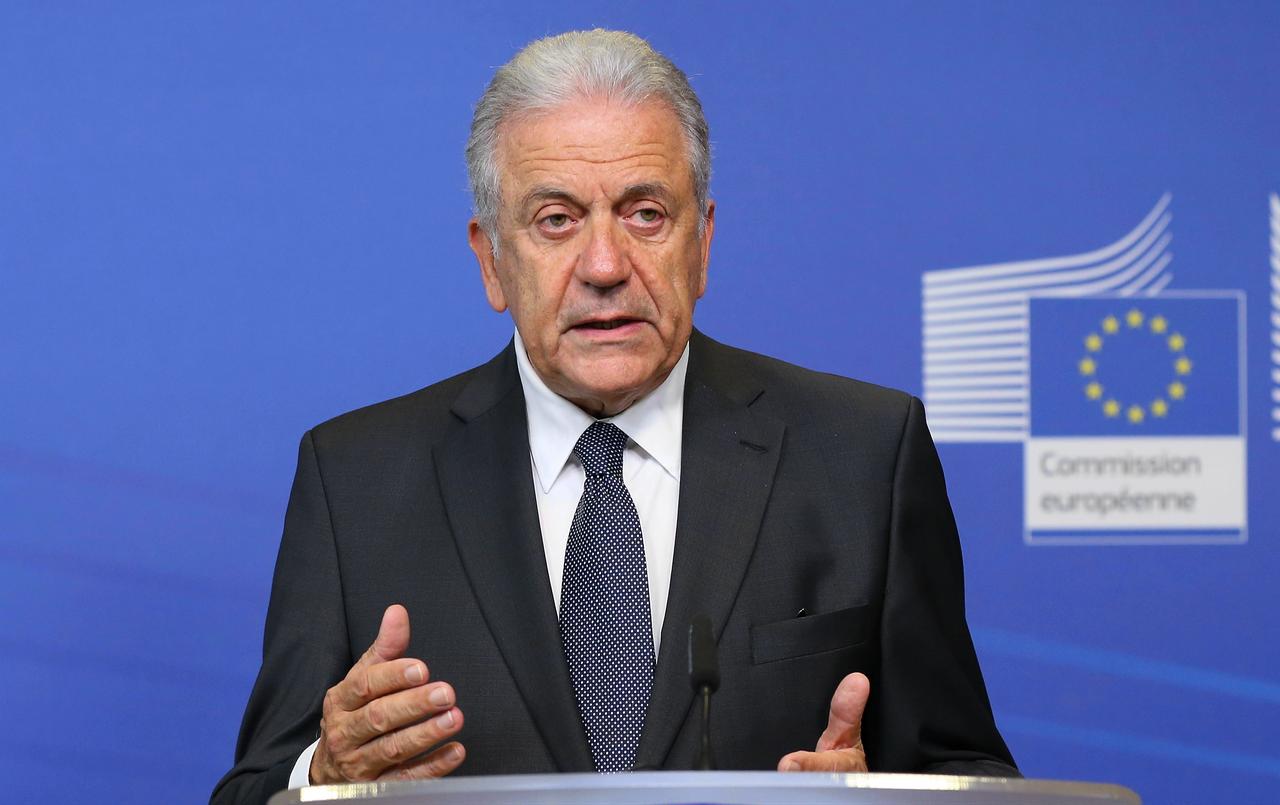
Avramopoulos said the EU-Türkiye-Greece triangle "contains opportunities as well as risks" while long-standing disputes remain unresolved.
"We need an institutionalized de-escalation approach. We need permanent channels for prevention of incidents. We need real-time, direct communication lines. We need protocols on air and sea interactions. We need functional confidence-building measures," he said.
He described EU-Türkiye relations as "selectively functional and politically limited," calling on the EU to avoid a "pronouncing stance that lacks tools and is satisfied only with repeating principles."
Avramopoulos urged Eastern Mediterranean countries to "take their destiny into their own hands," noting the U.S., Russia, China and EU have different approaches to the region.
On Gaza, Avramopoulos said the issue "tests everyone's humanitarian credibility" and requires a "dual commitment containing security for Israel and a credible political and humanitarian horizon for Palestinians."


 Set as preferred source
 Set as preferred source


 3 min read
 1 min read