Sign in
 Newsletters


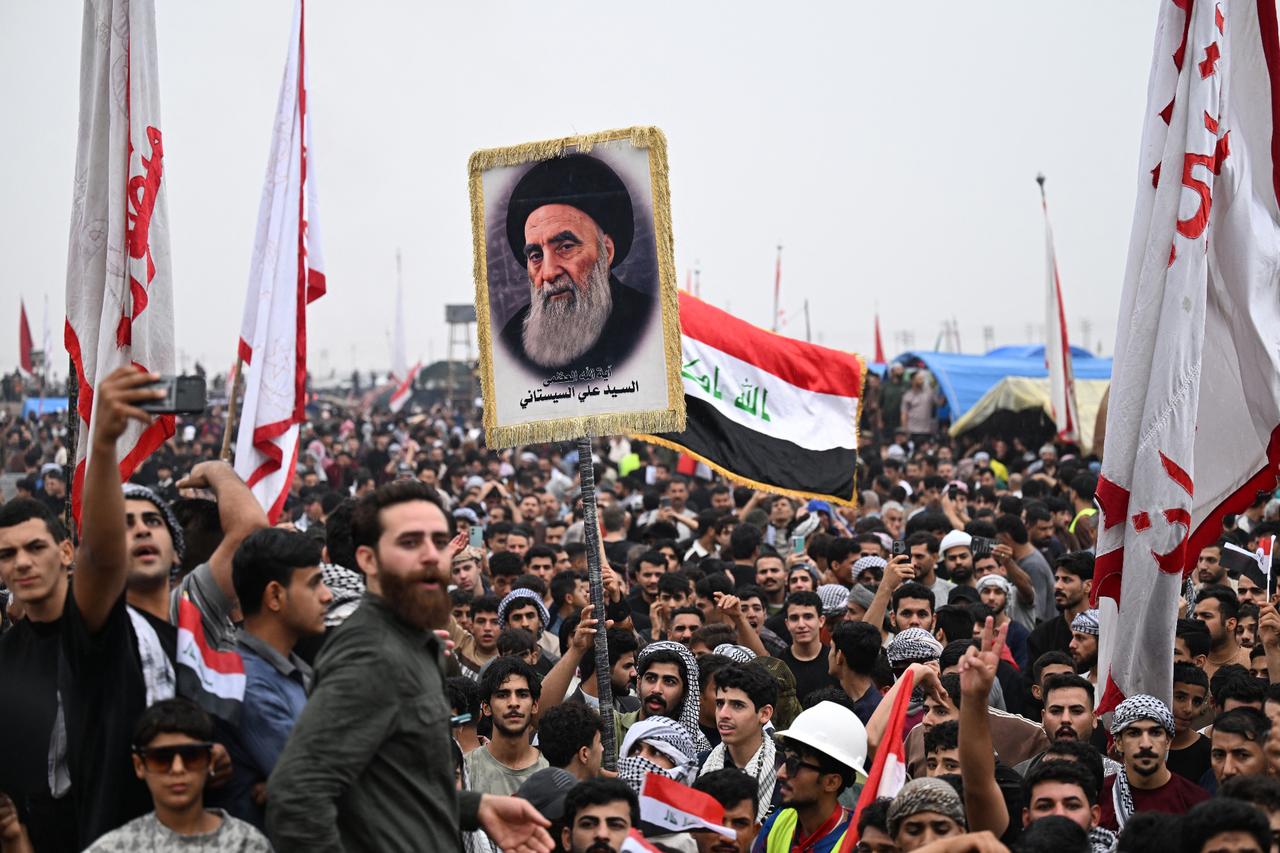


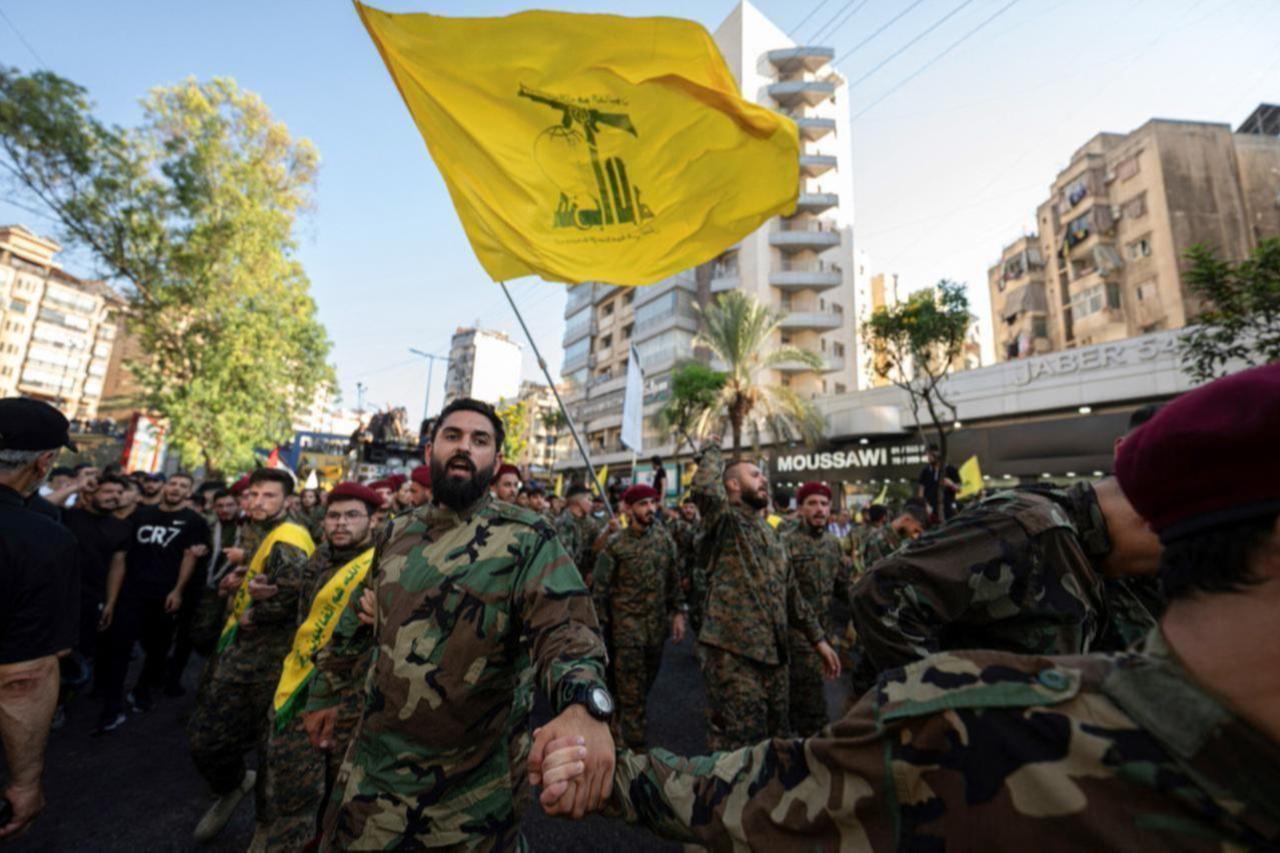
Iraq’s Iran-backed Kataib Hezbollah will not withdraw from its stronghold of Jurf al-Nasr south of Baghdad, a commander said Tuesday, defying a government deadline to leave and let the army enter after an investigation found evidence of oil smuggling.
"That will not happen, not even over our dead bodies," Abu Taleb al-Saidi told Agence France-Presse (AFP) during a press visit to the area, also known as Jurf al-Sakhar.
"I can state decisively and with absolute certainty, that the dream they dream of the Kataib withdrawing from Jurf al-Sakher will not come true, not even over our dead bodies, our blood, our legacy, our wounded and our martyrs," he said.
 1 min read
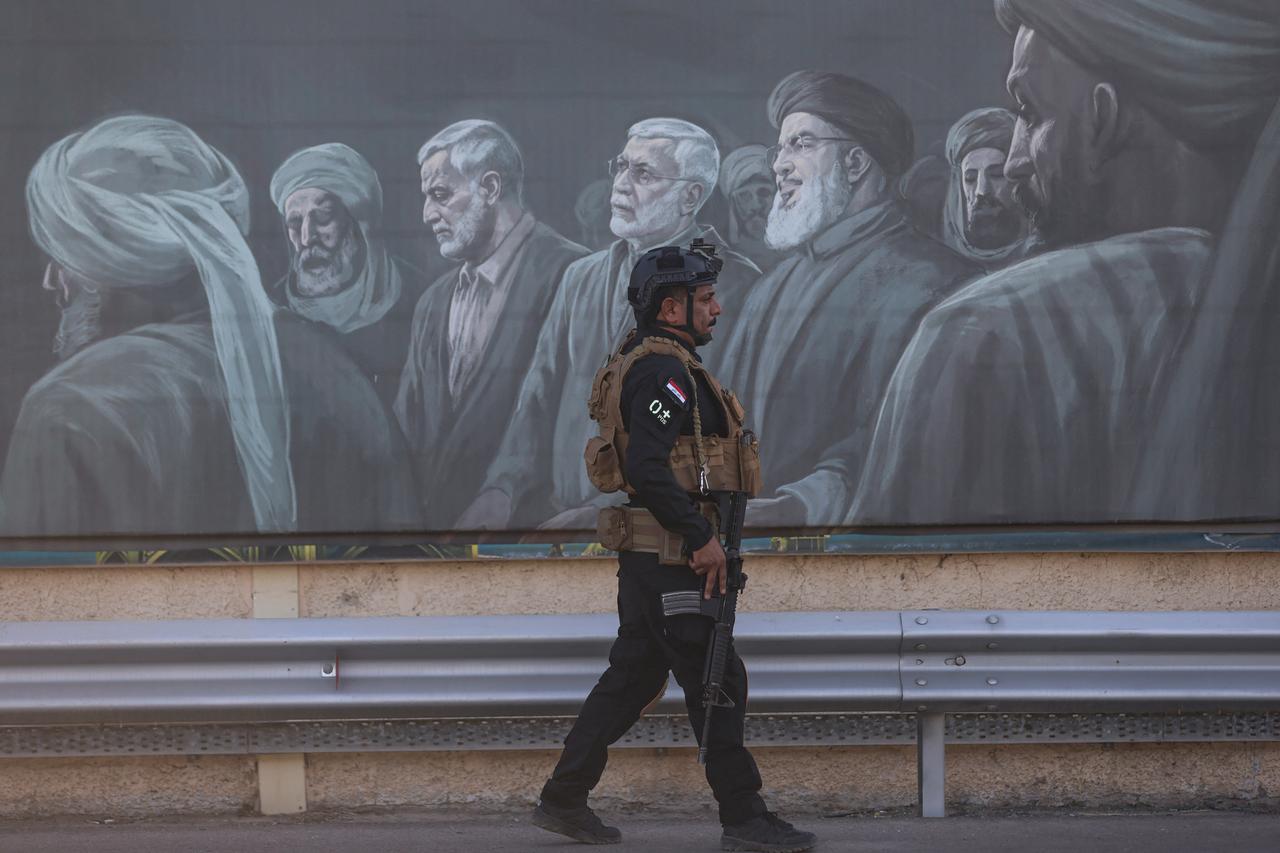
Al-Saidi stressed that the group did not want a confrontation with state forces.
"In our record as Kataib Hezbollah, we do not have any high-level clash with the Iraqi government or the security services," he said, adding, "We and they are extremely keen to avoid bloodshed."
He said there were efforts to turn the crisis over Jurf al-Nasr into a conflict, noting that Popular Mobilization Forces (PMF) and Iraqi security forces fought Daesh together in the area, and said the group would not clash with security forces seeking to enter.
He added that the group holds no seats in the current government.
"Since they were unable in practice to twist our arm with the slogan of surrendering weapons, they resorted to weakening us with the slogan of, Allah forbid, smuggling oil," al-Saidi said, holding U.S. special envoy for Iraq and Syria Tom Barrack responsible for the "escalation."
He said "understandings were reached at the end of September" regarding the group’s weapons, but "the government refuses to make it public." Kataib Hezbollah said Sunday that Prime Minister Ali al-Zaidi’s office was "fabricating lies."
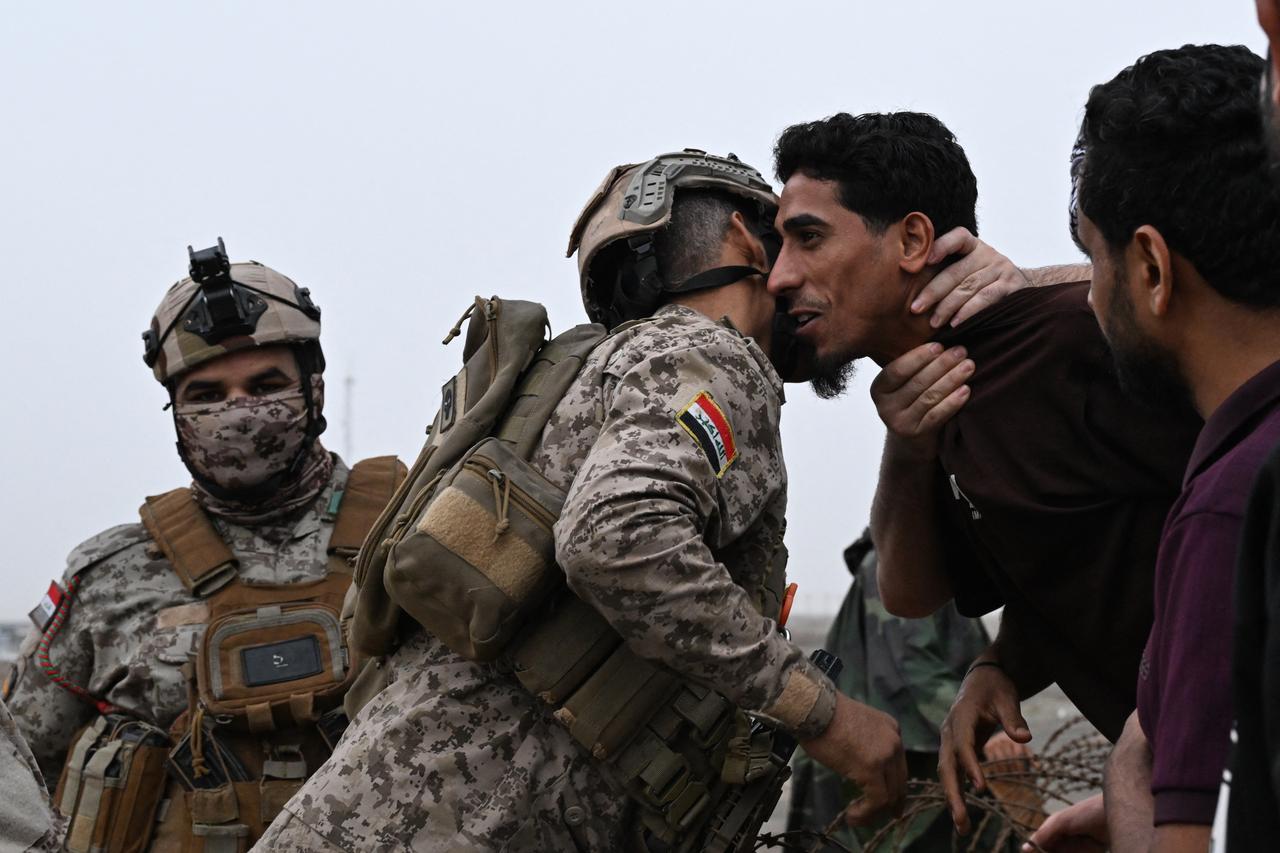

Al-Zaidi on Monday ordered the armed forces to enter Jurf al-Nasr and set a deadline for the group to leave, which a security source told AFP was Friday.
Government spokesman Haidar al-Aboudi said an investigative committee found tampering with pipelines and identified two refineries, a tanker and storage tanks in the area. Al-Zaidi earlier dismissed several security officials over the case.
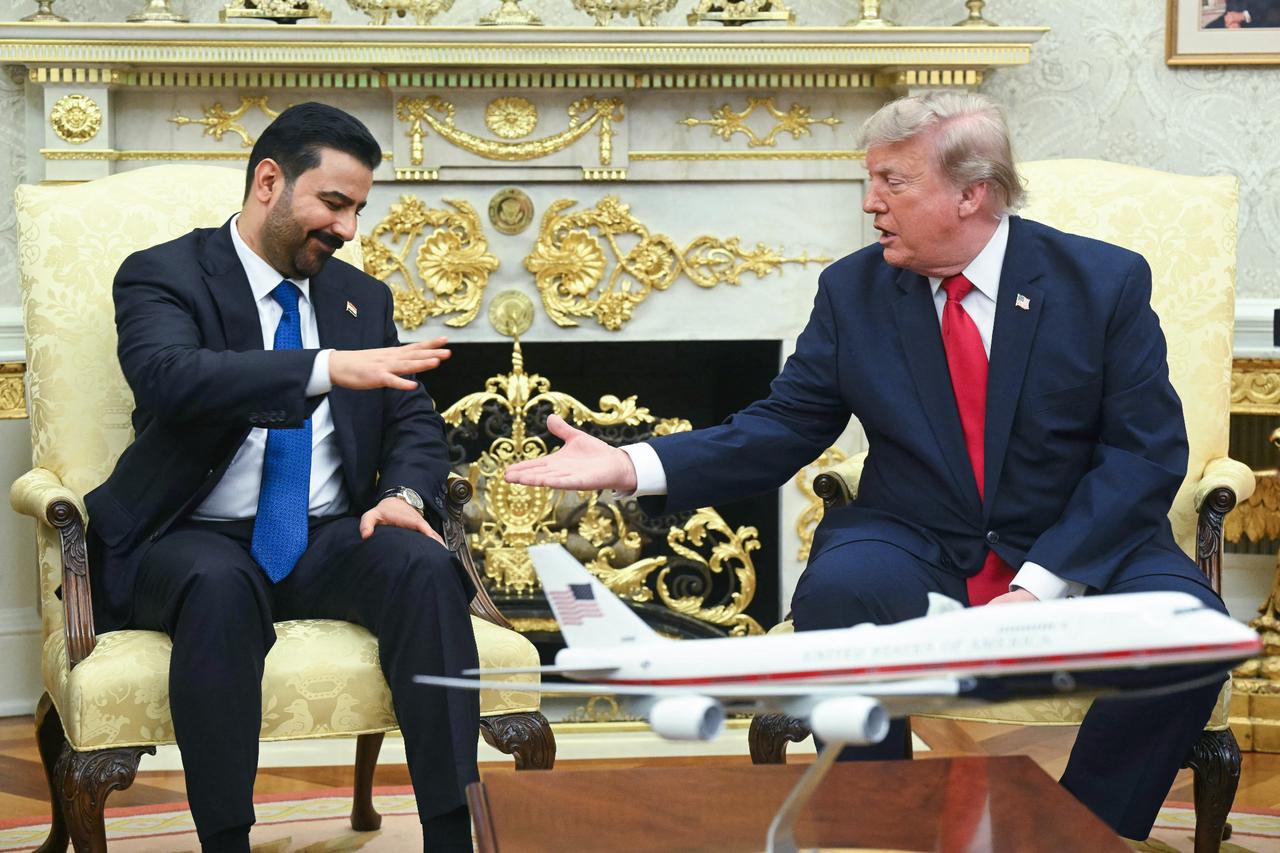
Relations between al-Zaidi, who has pursued closer ties with Washington, and Kataib Hezbollah have worsened, with the group accusing him of corruption and threatening his government.
"It has become personal," a senior Iraqi politician told AFP, adding that political leaders were working to defuse tensions.
Washington designates Kataib Hezbollah a terrorist organization and has pressed Baghdad to rein in Iran-backed armed groups. Jurf al-Nasr has remained under tight security since Daesh was driven out in October 2014, and Kataib Hezbollah and other militias are believed to maintain military facilities, weapons depots and training centers there, as the standoff over Jurf al-Nasr deepens.


 Set as preferred source
 Set as preferred source


 1 min read