Newsletters


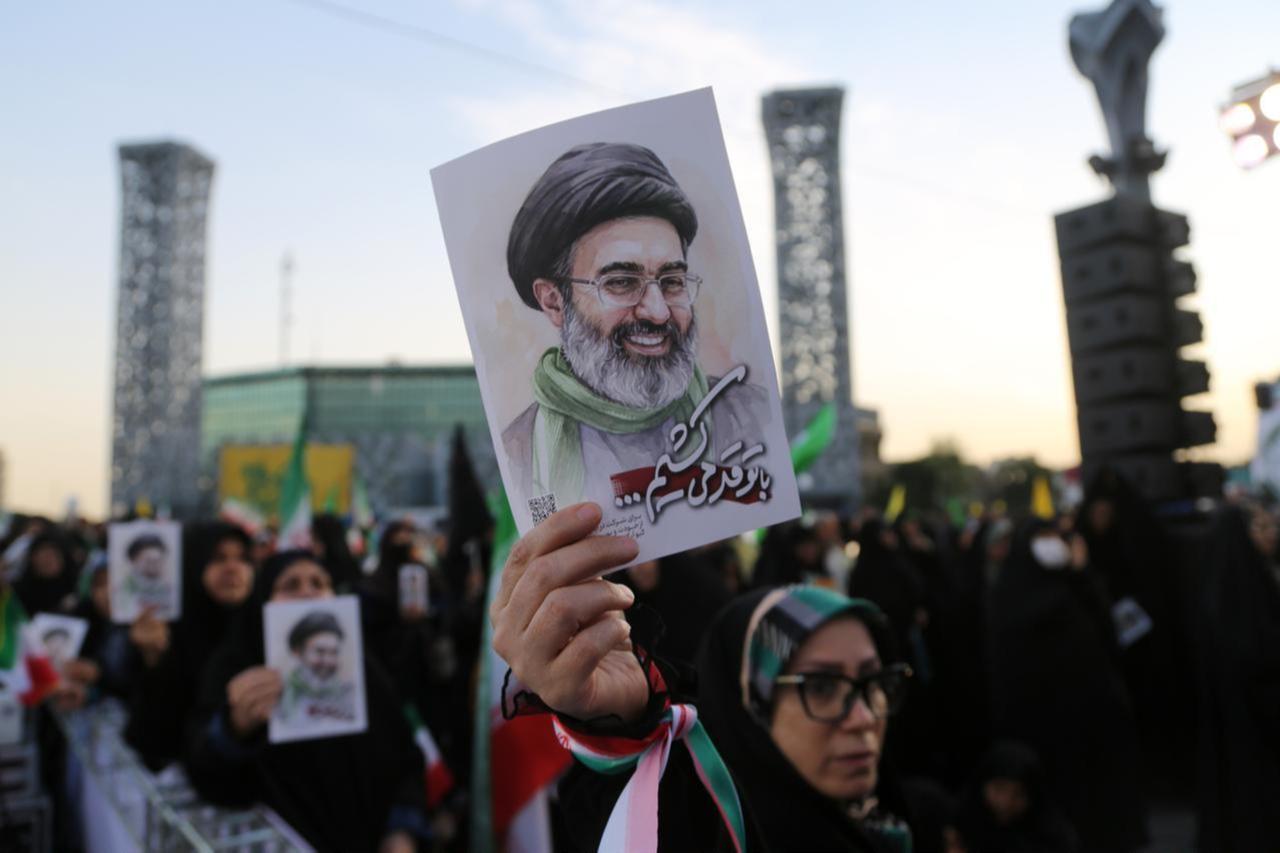


Iran's Supreme Leader Mojtaba Khamenei warned Monday that Tehran is prepared to open new military fronts against its adversaries if the current state of war continues, a threat that arrived hours before U.S. President Donald Trump announced he was calling off a planned attack on Iran at the request of three Gulf states.
In a message published on his official Telegram account, Khamenei said preparations had already been made to activate fronts where the enemy "has no experience and is highly vulnerable." "Activating them will take place if the state of war continues and if it serves our interests," he wrote. The statement stops short of a declaration of imminent action, but signals Iran's intent to broaden the conflict should hostilities persist.
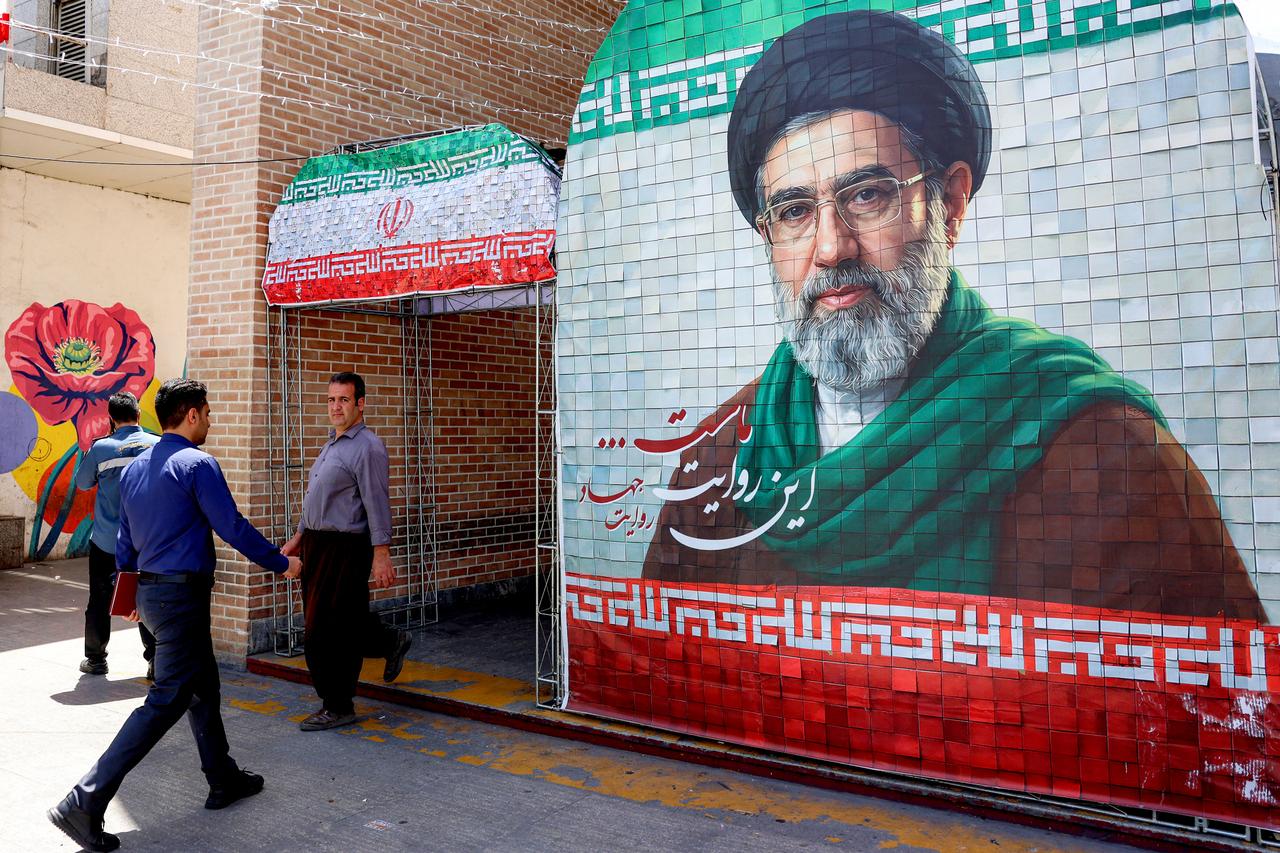
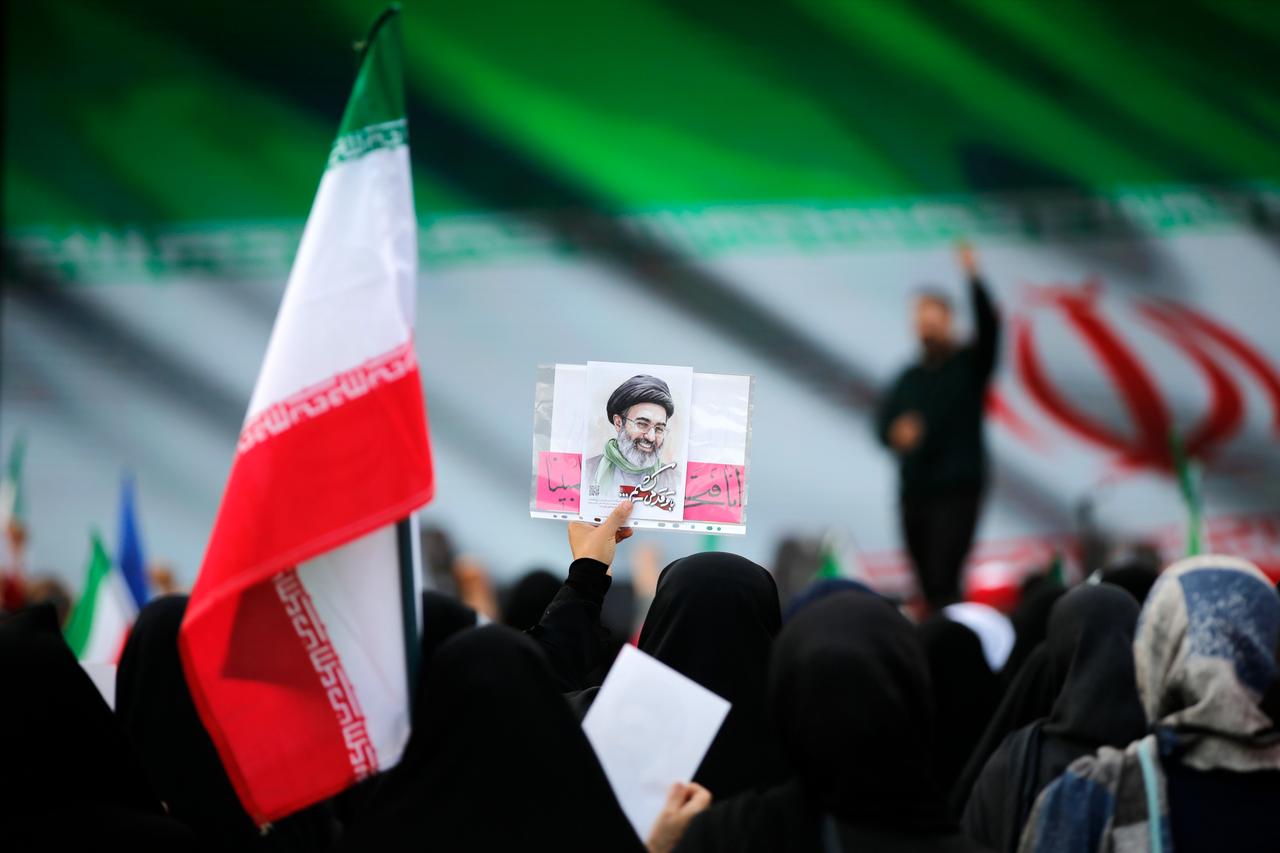
Khamenei, who was elevated to Supreme Leader following the death of his father, Ayatolah Ali Khamenei, in U.S. and Israeli strikes on Feb. 28, has not appeared in public since that date. His statements have been delivered in written form, read aloud on Iranian state television without accompanying video or audio.
Iranian authorities have offered no direct confirmation of his condition, though reports have persisted that he was wounded during the strikes that killed his father. The Revolutionary Guard Corps has continued to assert it is acting on his directives.
The pattern of written-only communications has fueled speculation about the new Supreme Leader's physical state. In the absence of any visual confirmation, the regime appears to be using formal written statements to project continuity and command authority.
The threatening message from Tehran emerged against a backdrop of acute military tension.
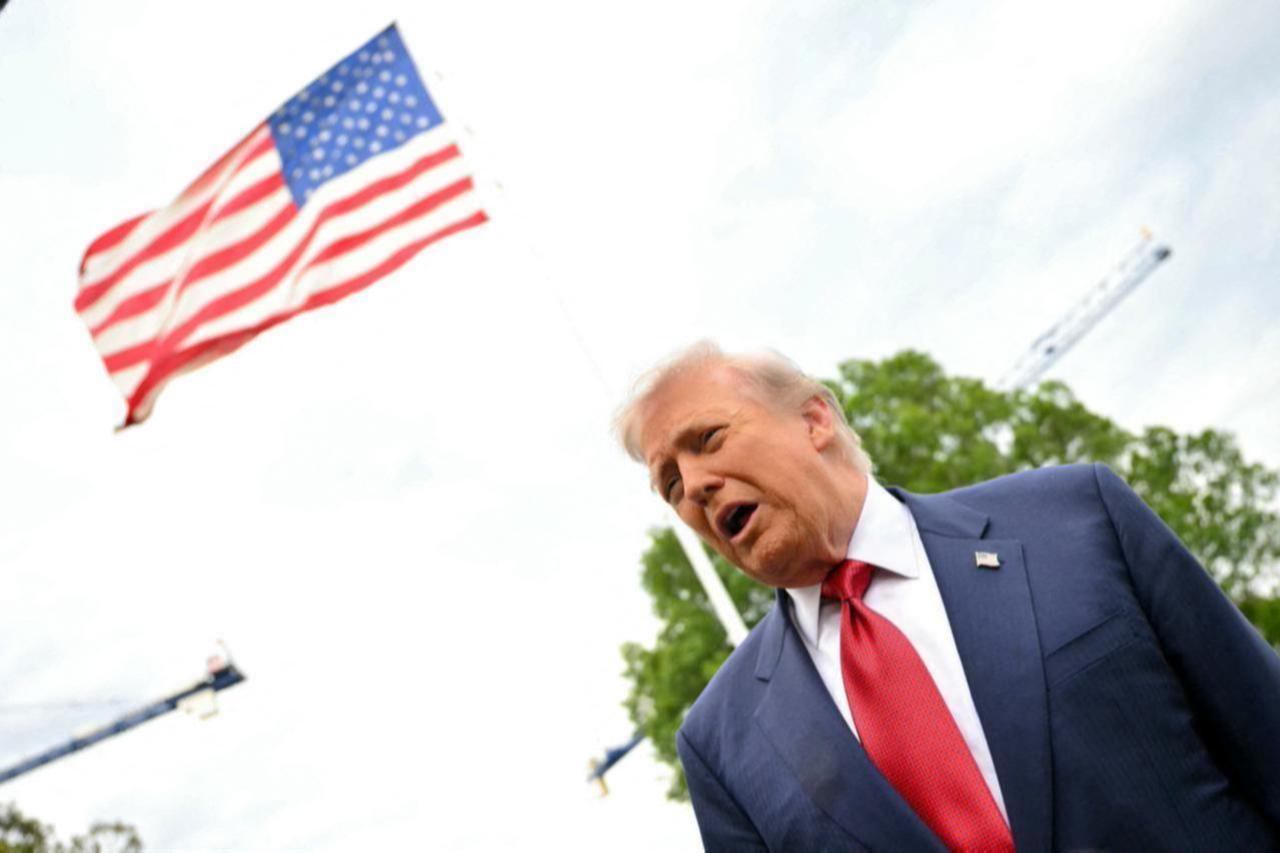
Trump announced Monday that he was canceling a strike on Iran originally planned for Tuesday, citing personal appeals from the Emir of Qatar, Tamim bin Hamad Al Thani, the Crown Prince of Saudi Arabia, Mohammed bin Salman, and the President of the United Arab Emirates, Mohamed bin Zayed Al Nahyan.
According to Trump's post on Truth Social, the three leaders asked him "to hold off" because "serious negotiations are now taking place."
The postponement marks at least the sixth time Trump has extended a deadline or called off a planned strike since the conflict began in late February, according to reporting from Axios. A senior U.S. official had warned earlier Monday that if Iran did not shift its negotiating position, Washington would be forced to pursue talks "through bombs." Iran's Foreign Ministry separately said it had transmitted a response to the latest U.S. proposal through Pakistani mediators, though the White House characterized an earlier Iranian offer as insufficient.
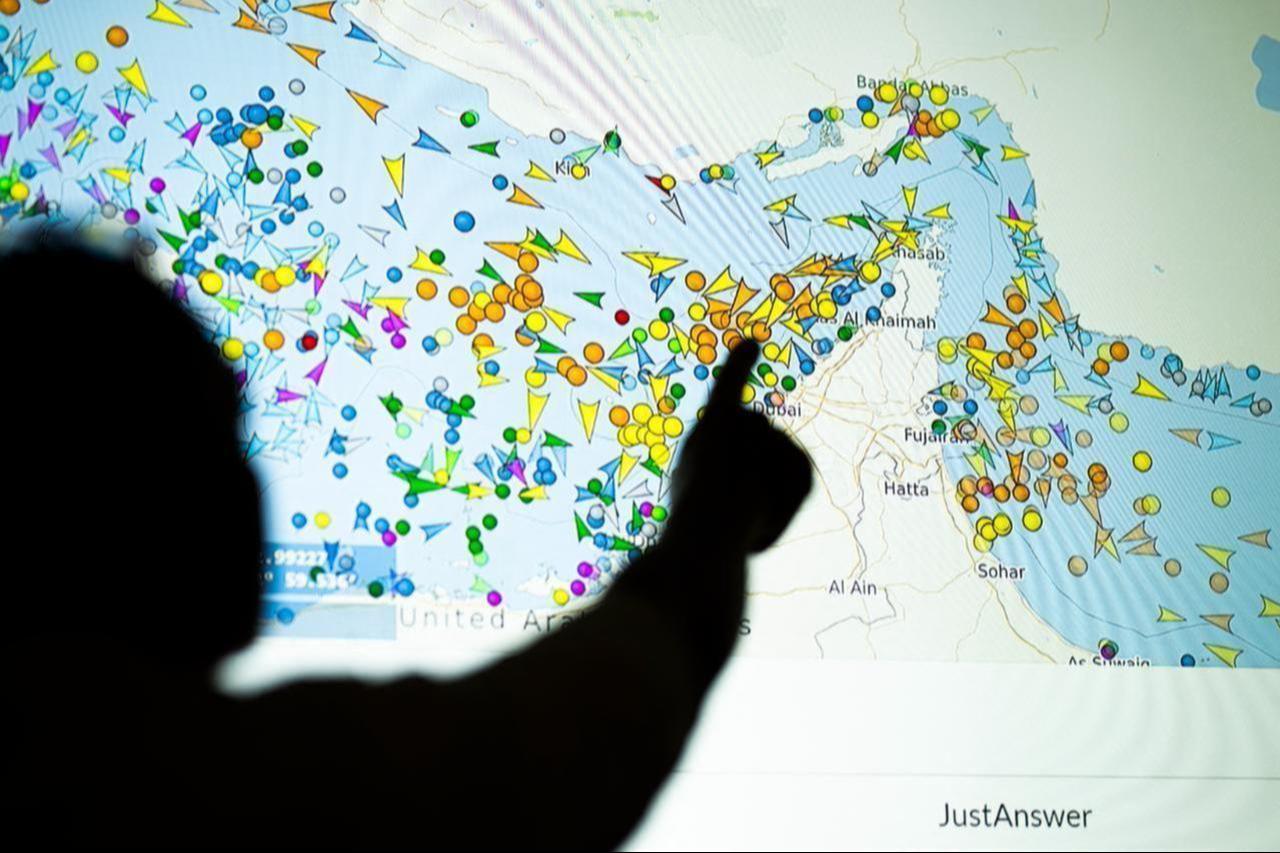

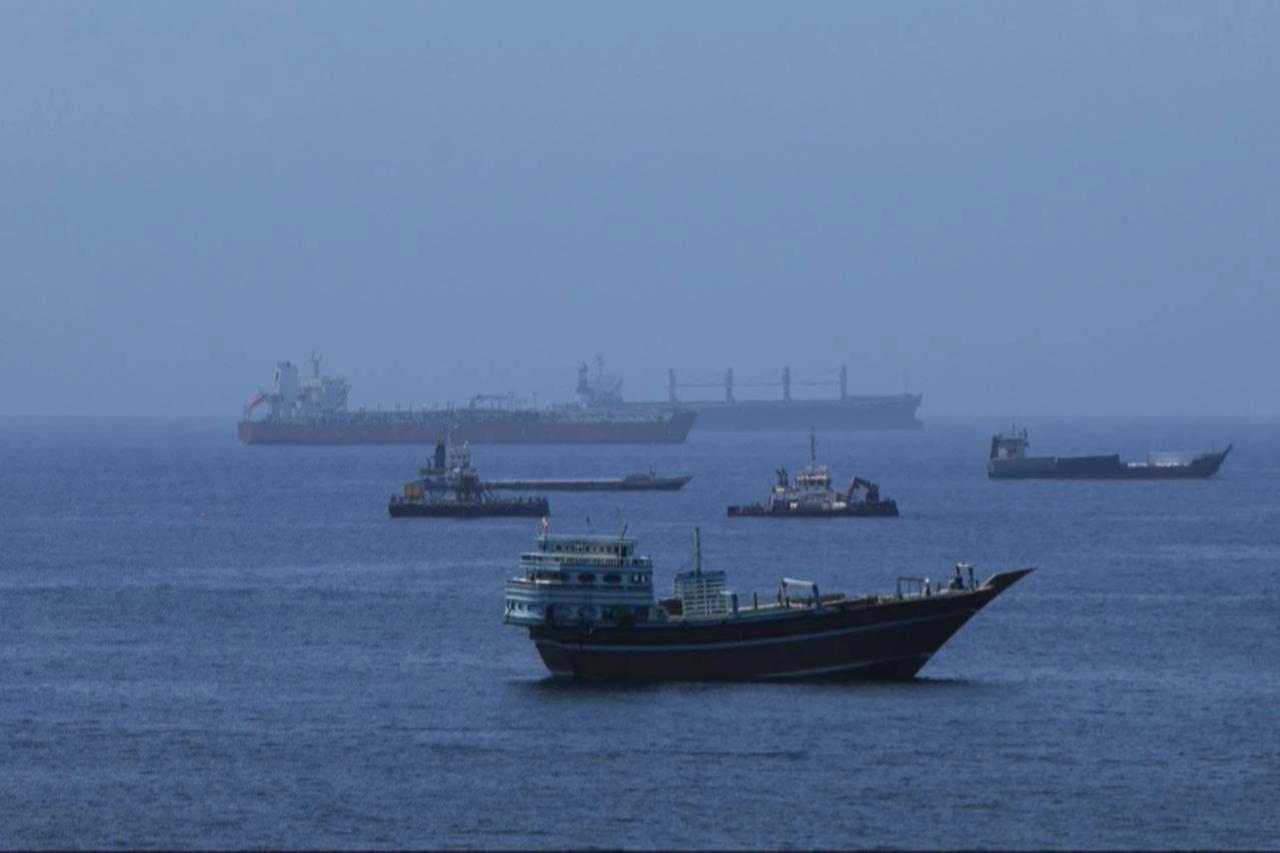
The broader conflict has inflicted severe disruption on global energy markets. The Strait of Hormuz, through which roughly one-fifth of the world's oil and gas supplies normally pass, remains closed.
The International Energy Agency has authorized the release of 400 million barrels from strategic reserves, its largest such intervention on record, in response to what it estimates could be an 8 million barrel-per-day reduction in global supply.
Indirect negotiations between Washington and Tehran, facilitated by Pakistan, have continued intermittently. Iran has conditioned any resolution on U.S. acknowledgment of its right to enrich uranium for civilian purposes, a position the White House regards as a non-starter. The two sides remain far apart on the terms of any potential agreement, leaving the threat of renewed strikes, and the prospect of Iran opening new fronts, as active variables in an already volatile conflict.


 Set as preferred source
 Set as preferred source


 1 min read
 1 min read