Newsletters


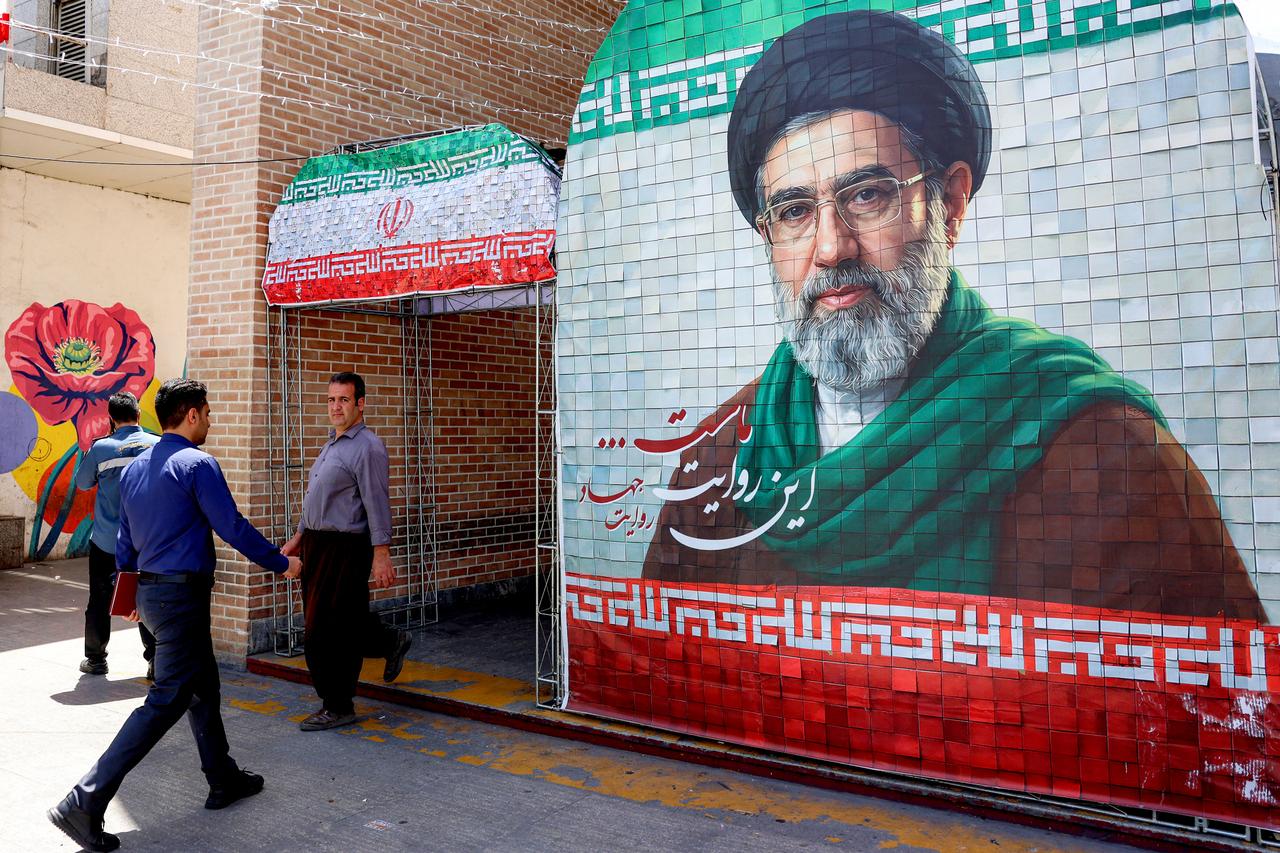


US intelligence assessments indicate Iran’s new Supreme Leader, Mojtaba Khamenei, is helping shape Tehran’s negotiations with Washington while recovering from injuries sustained during the war, according to the report.
Uncertainty remains over how much authority Khamenei currently exercises, but U.S. officials believe Khamenei has continued communicating through trusted couriers and in-person contacts and avoiding electronic means while recuperating from burns and shrapnel wounds, sources told CNN.
Mojtaba Khamenei, son of Iran’s former Supreme Leader Ali Khamenei, was elected as Iran’s new supreme leader in March after his father was killed in joint U.S.-Israeli airstrikes during the conflict.
Iran’s Assembly of Experts formally approved his appointment on March 8, following days of uncertainty over succession inside the country’s leadership structure.
He was also reported to have been injured in the strikes that killed his father and several senior Iranian officials. Multiple reports stated he suffered burns and leg injuries during the attack, while some U.S. media outlets described the wounds as severe and potentially disfiguring.
U.S. President Donald Trump also repeatedly claimed Mojtaba Khamenei had been seriously wounded in the strikes.
According to the report, U.S. intelligence agencies have not visually confirmed Khamenei’s whereabouts. However, sources said he remains isolated while receiving treatment for injuries affecting his face, arm, torso, and leg.
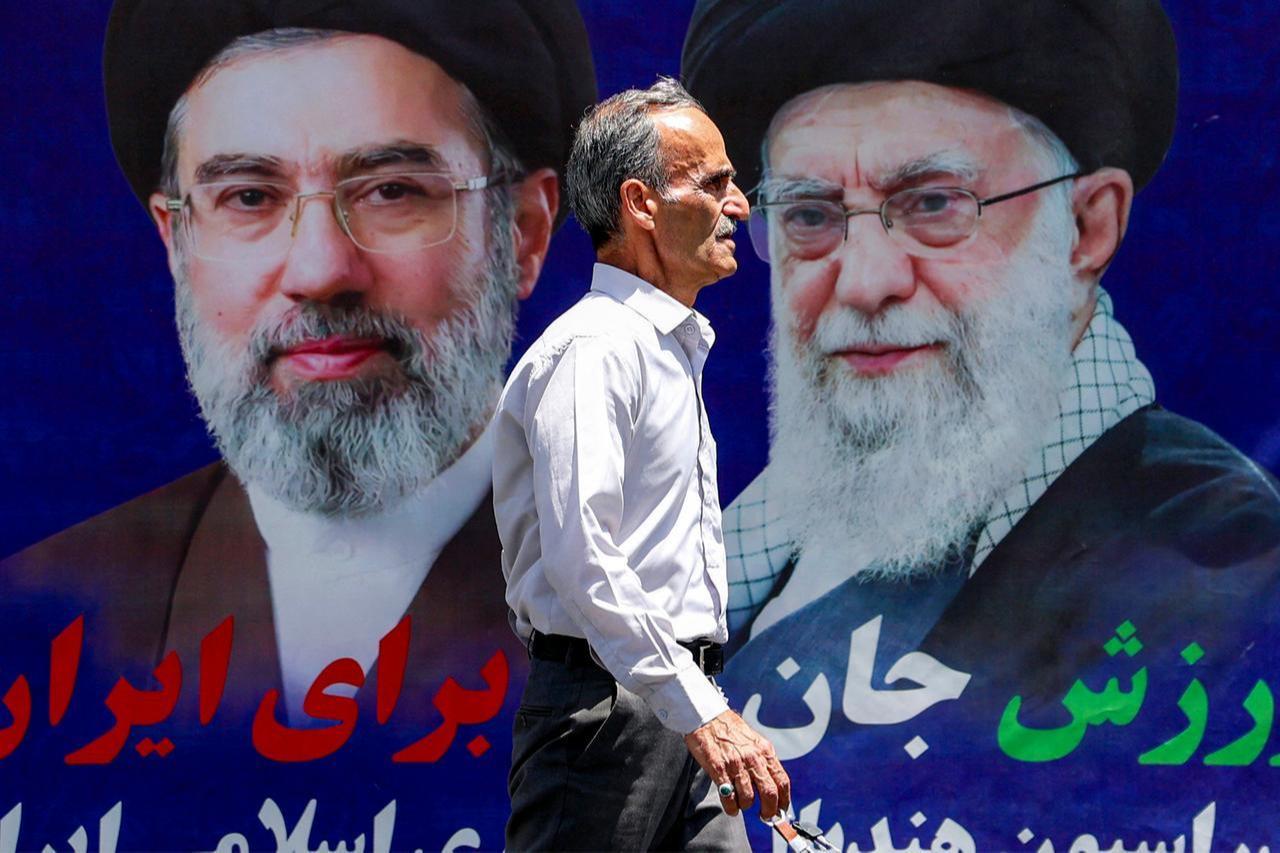

Iranian officials, however, dismissed speculation about his condition. Mazaher Hosseini, head of protocol in the office of the supreme leader, stated Friday that Khamenei’s health had improved and rejected reports questioning his recovery.
Iranian President Masoud Pezeshkian also told state media earlier this week that he held a two-and-a-half-hour meeting with Khamenei, marking the first publicly reported in-person meeting between the new supreme leader and a senior Iranian official since the war began.
The intelligence assessments also indicate that Khamenei remains somewhat removed from day-to-day decision-making, with senior Islamic Revolutionary Guard Corps officials and Parliament Speaker Mohammad Bagher Ghalibaf overseeing much of the government’s routine operations.
The report suggested Washington has struggled to identify which Iranian officials currently possess enough authority to negotiate a final settlement.
U.S. President Donald Trump said Friday that Washington was awaiting Tehran’s response to its 14-point proposal aimed at ending the conflict and reopening the Strait of Hormuz.


 Set as preferred source
 Set as preferred source


 1 min read
 1 min read