

 Newsletters


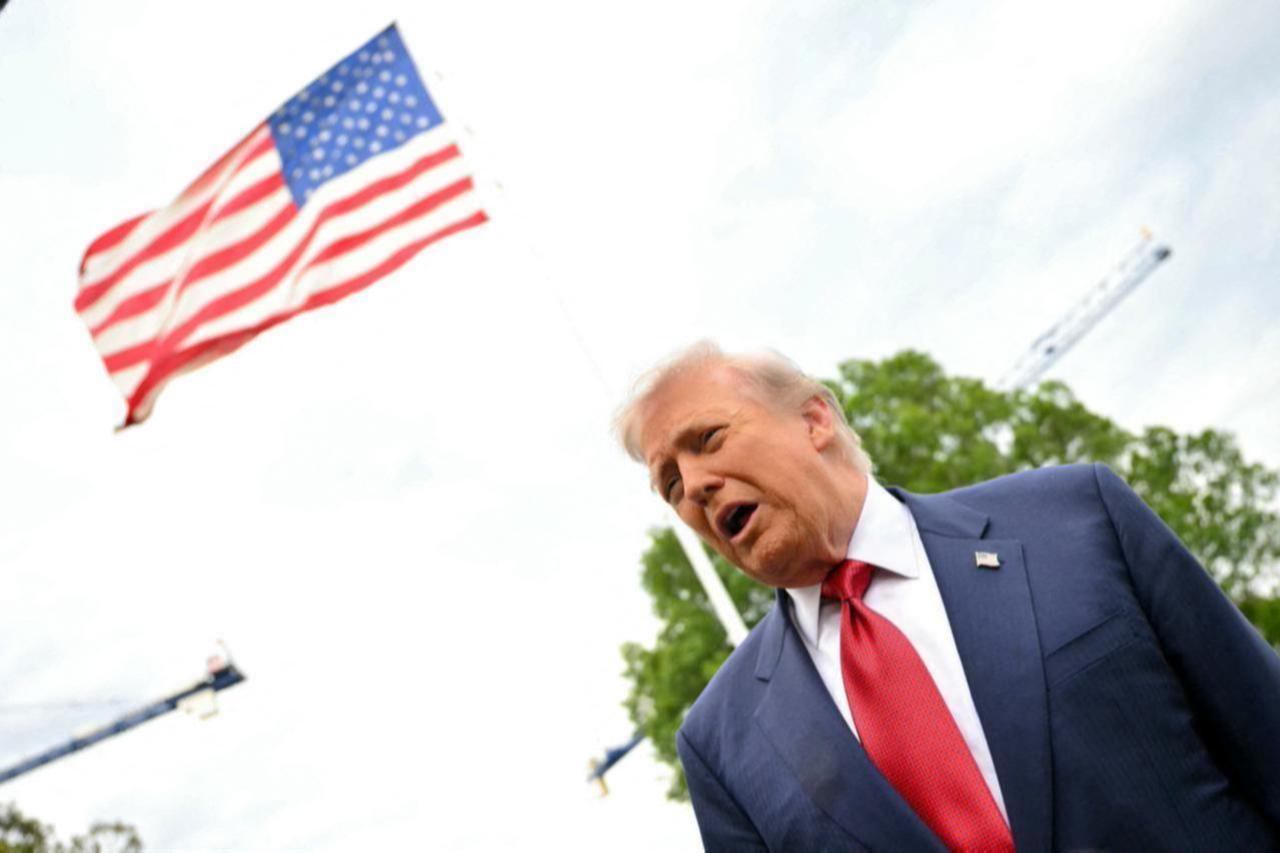


U.S. President Donald Trump announced Monday he had called off a military strike against Iran that had been scheduled for Tuesday, saying Gulf state leaders had urged him to stand down as diplomatic talks with Tehran gain momentum.
Trump disclosed the postponement on his Truth Social platform, writing that he would "hold off on our planned Military attack of the Islamic Republic of Iran, which was scheduled for tomorrow." He said the leaders of Qatar, Saudi Arabia and the United Arab Emirates had asked him to delay, citing "serious negotiations" underway between Washington and Tehran.
The announcement came hours after Iran said it had formally responded to a new U.S. proposal, and days after Trump issued a series of escalating public warnings, including a late Sunday message declaring the "clock is ticking" and that "there won't be anything left" of Iran if no deal was reached.
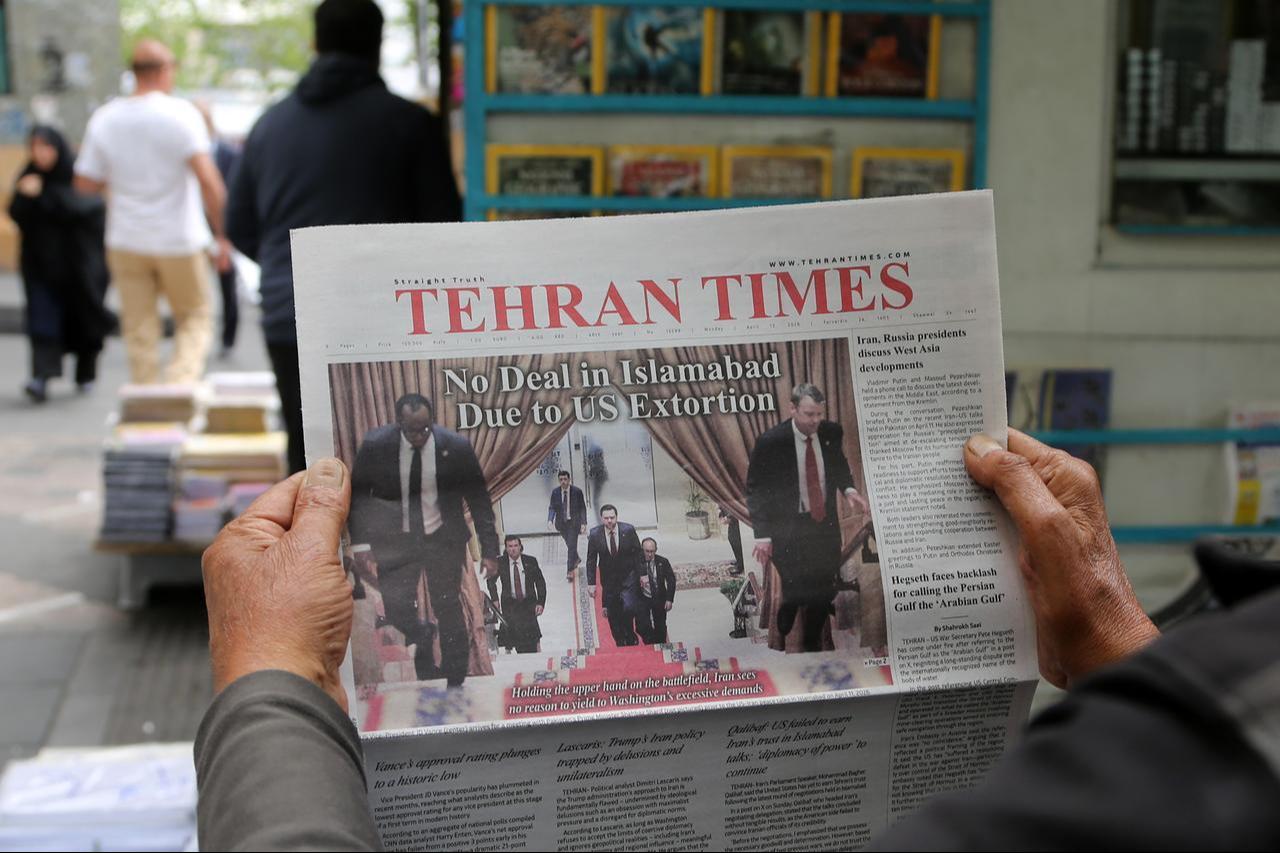

The contours of the U.S. proposal were reported Sunday by Iran's Fars news agency, which said Washington had presented a five-point framework. Among its demands: that Iran limit its nuclear activity to a single operating site and transfer its stockpile of highly enriched uranium to the United States.
Iran's conditions, according to Fars, include continued Iranian control over the Strait of Hormuz, the narrow waterway connecting the Persian Gulf to the Arabian Sea through which a significant share of the world's oil supply passes. Tehran has kept the strait largely closed since hostilities began. Trump has said reopening it is a non-negotiable element of any agreement.
On Monday, the Persian Gulf Strait Authority, a body Iran established to manage the waterway, announced it would begin posting real-time operational updates on X.
Iranian President Masoud Pezeshkian struck a defiant tone in a post on the same platform, writing that "dialogue does not mean surrender" and that the Islamic Republic "will not retreat in any way from the legal rights of its people and country," while affirming Iran's readiness to negotiate "with full strength."
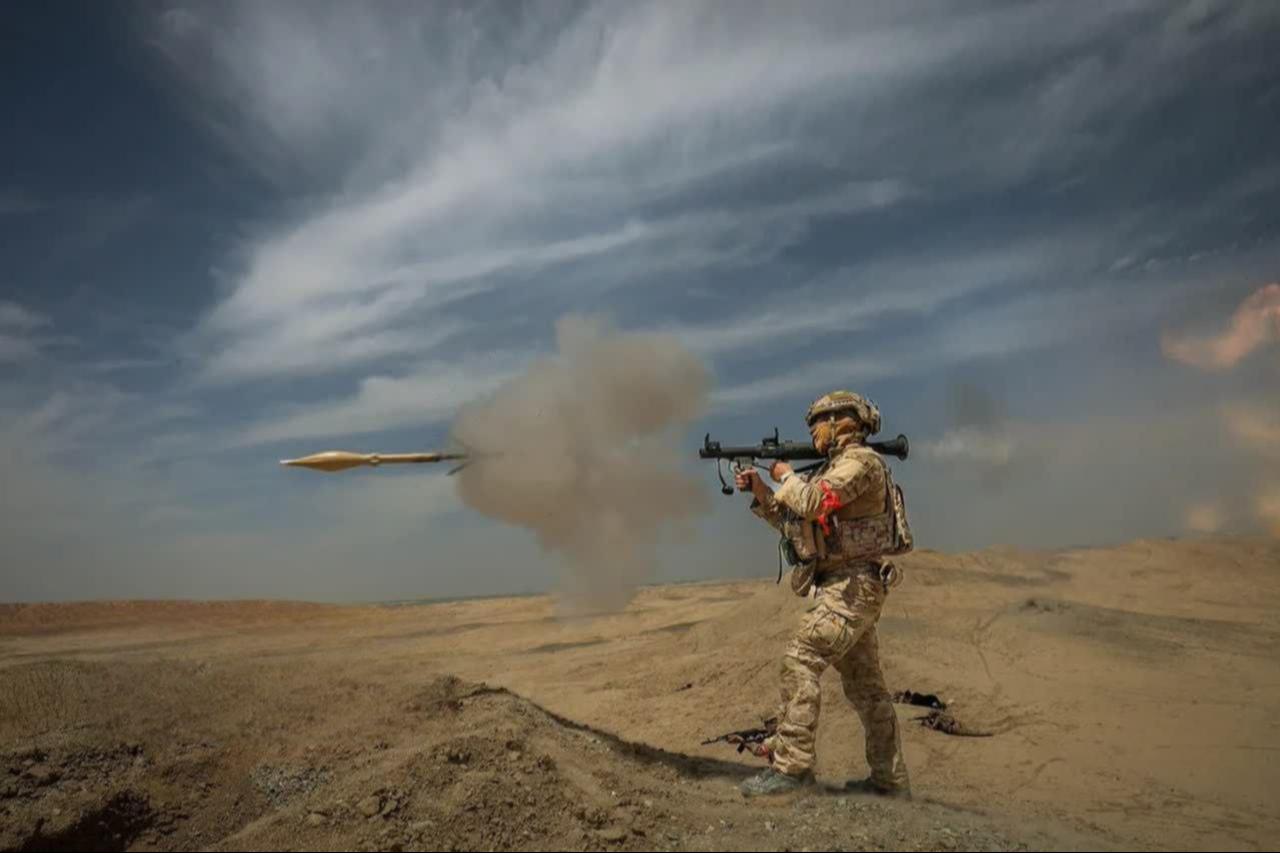
The conflict began in late February when U.S. and Israeli forces launched coordinated strikes against Iran, drawing the two sides into a war that has unsettled the broader Middle East and contributed to rising global energy prices. A fragile ceasefire was reached in April, but progress toward a lasting settlement has been slow. The two sides have held only one formal round of talks, in Pakistan, since the ceasefire took effect.
Trump, who has struggled to break the diplomatic impasse, warned Monday that despite the postponement he had instructed the U.S. military to "be prepared to go forward with a full, large scale assault of Iran, on a moment's notice, in the event that an acceptable Deal is not reached."
The intervention by Qatar, Saudi Arabia and the UAE marks a significant moment for the Gulf states, which have positioned themselves as indispensable intermediaries in the standoff. Their collective appeal to Trump, and his public acknowledgment of it, underscores the diplomatic weight the three countries carry as both U.S. security partners and neighbors with direct exposure to any regional escalation.
Trump said the Gulf allies believe a deal is achievable, with the central requirement being that Iran agree to forgo nuclear weapons entirely, a demand he rendered in his characteristic style as "NO NUCLEAR WEAPONS FOR IRAN!"


 Set as preferred source
 Set as preferred source


 2 min read
 1 min read



