Newsletters


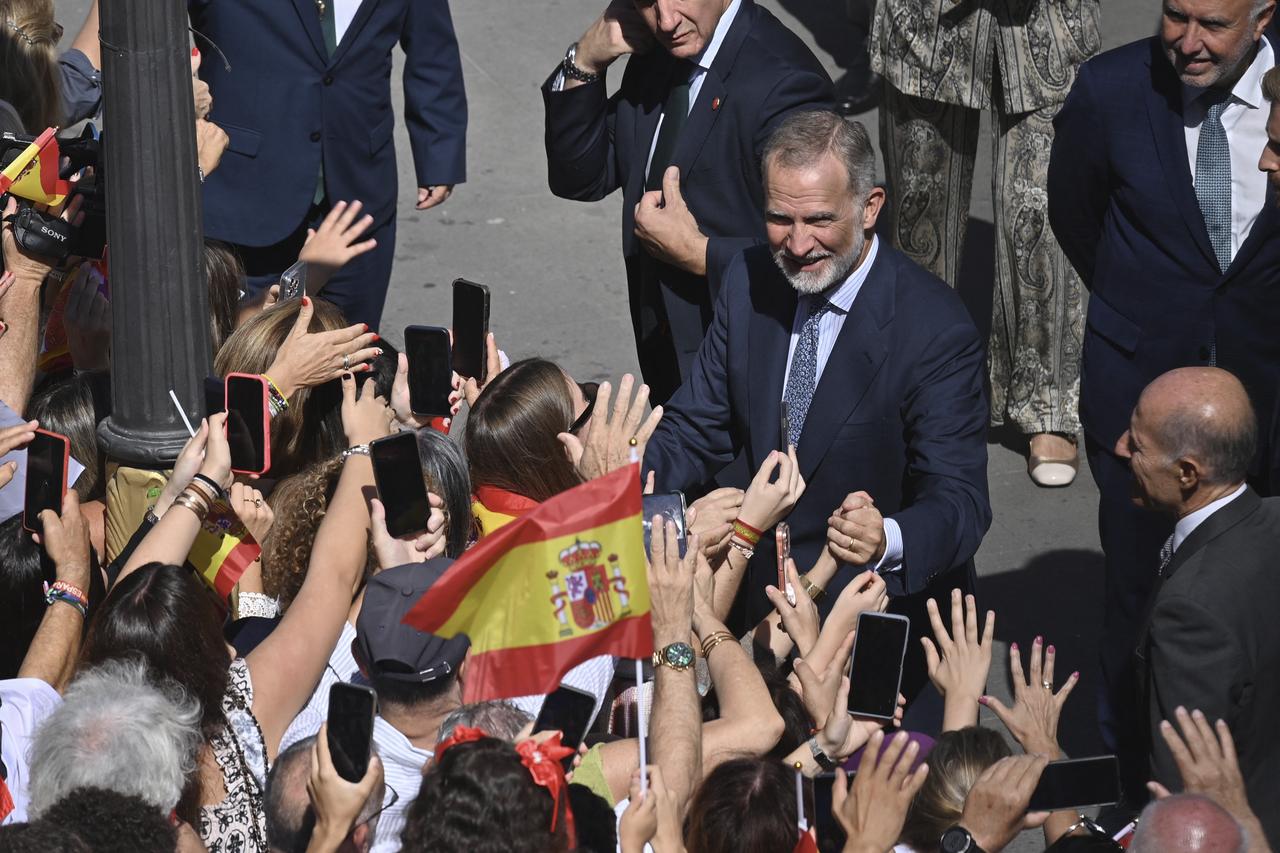


Spanish King Felipe VI on Tuesday said Ceuta and Melilla were "an inalienable part" of Spain as he made a landmark visit to the North African territories claimed by neighboring Morocco.
The monarch, who rarely makes political interventions, emphasized Spain's need to "maintain good neighborly relations" with Rabat after July's unprecedented migrant surge into Ceuta strained historically delicate ties.
"Ceuta and Melilla are an inalienable part of the political and national reality that is Spain. The sovereignty and territorial integrity of our country are not negotiable," Felipe said.
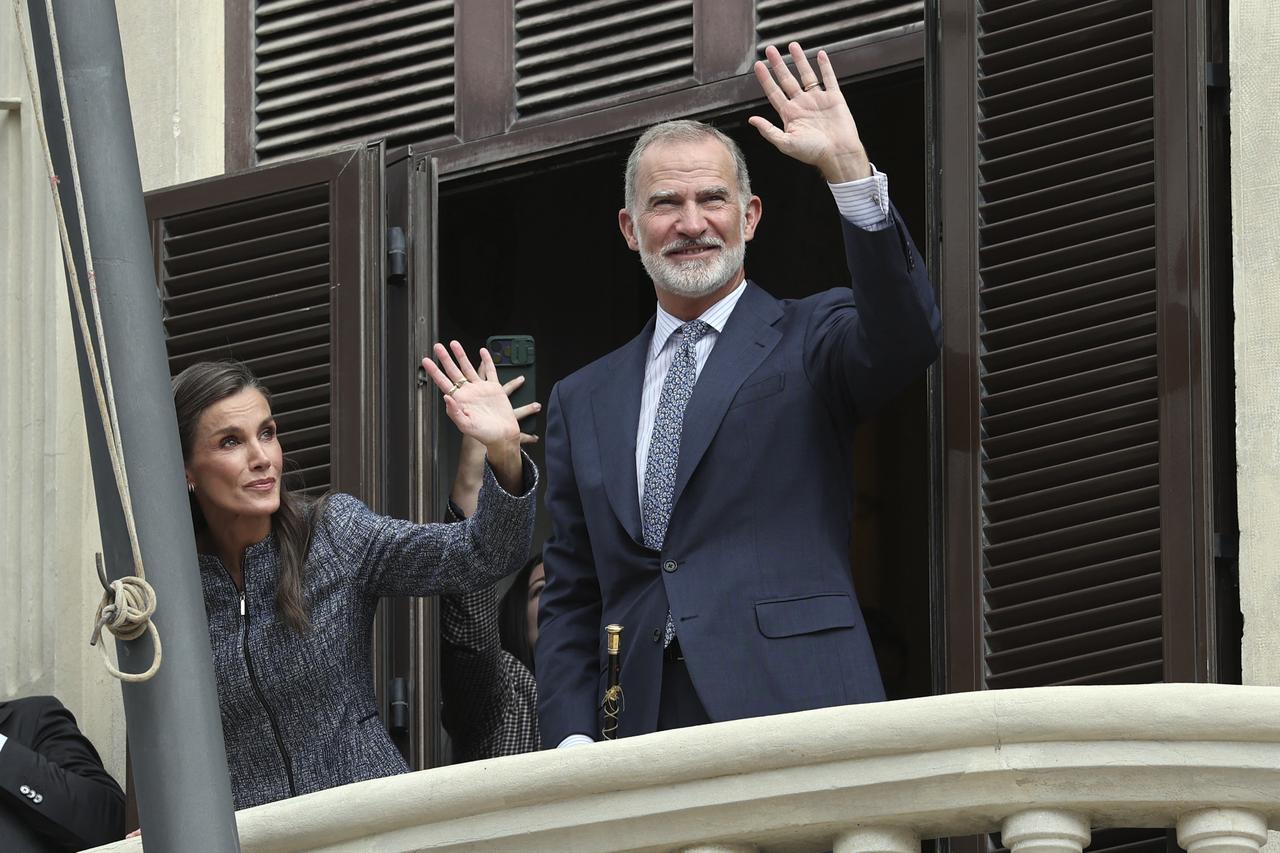
Spain and the European Union have "the will and the responsibility to maintain good neighborly relations with the Kingdom of Morocco", Felipe added during a visit to Ceuta with Queen Letizia.
Their stay in Ceuta on Tuesday was the first royal visit since 2007, when a diplomatic crisis erupted with Morocco. A trip to Melilla is scheduled for Wednesday.

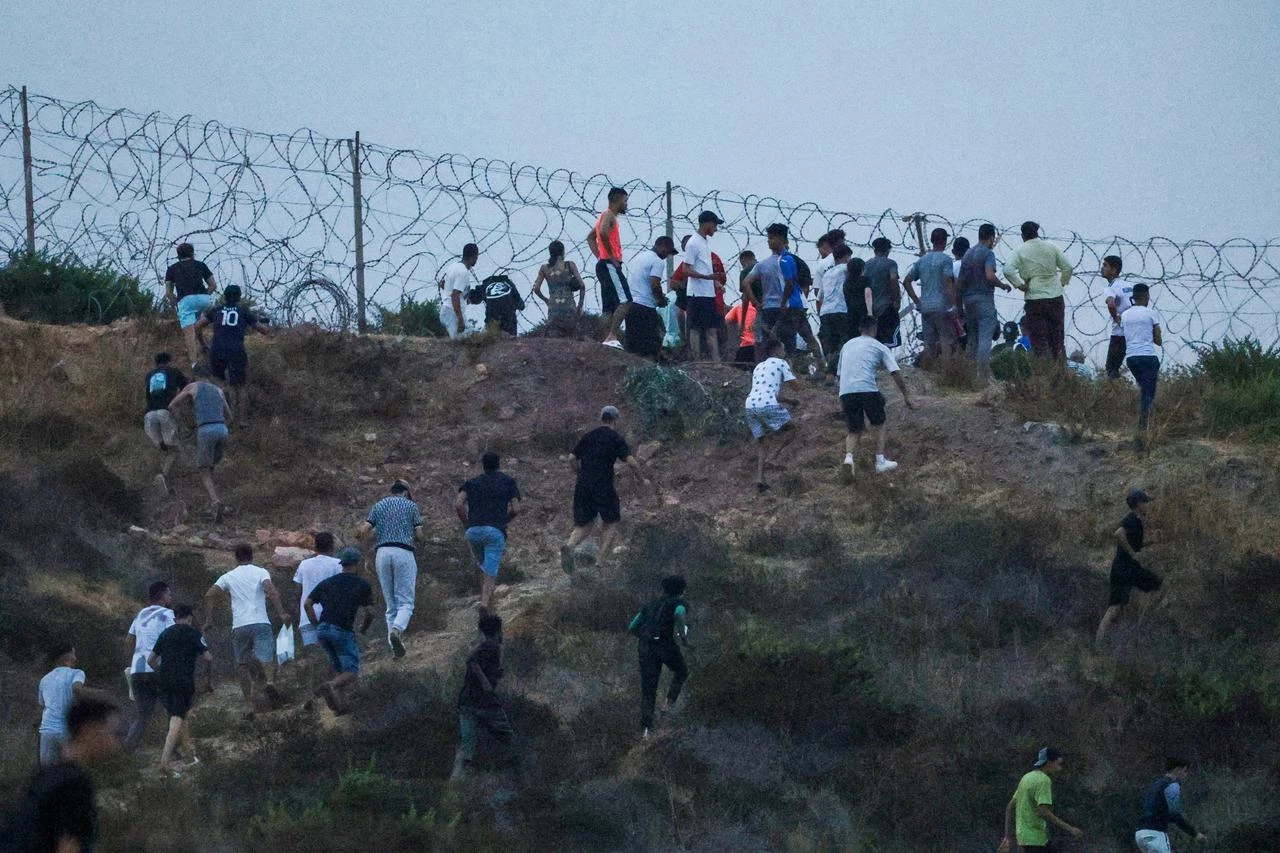
More than 70,000 migrants streamed into Ceuta, a small city of around 80,000 inhabitants, in an unprecedented surge on July 30-31. Scores died.
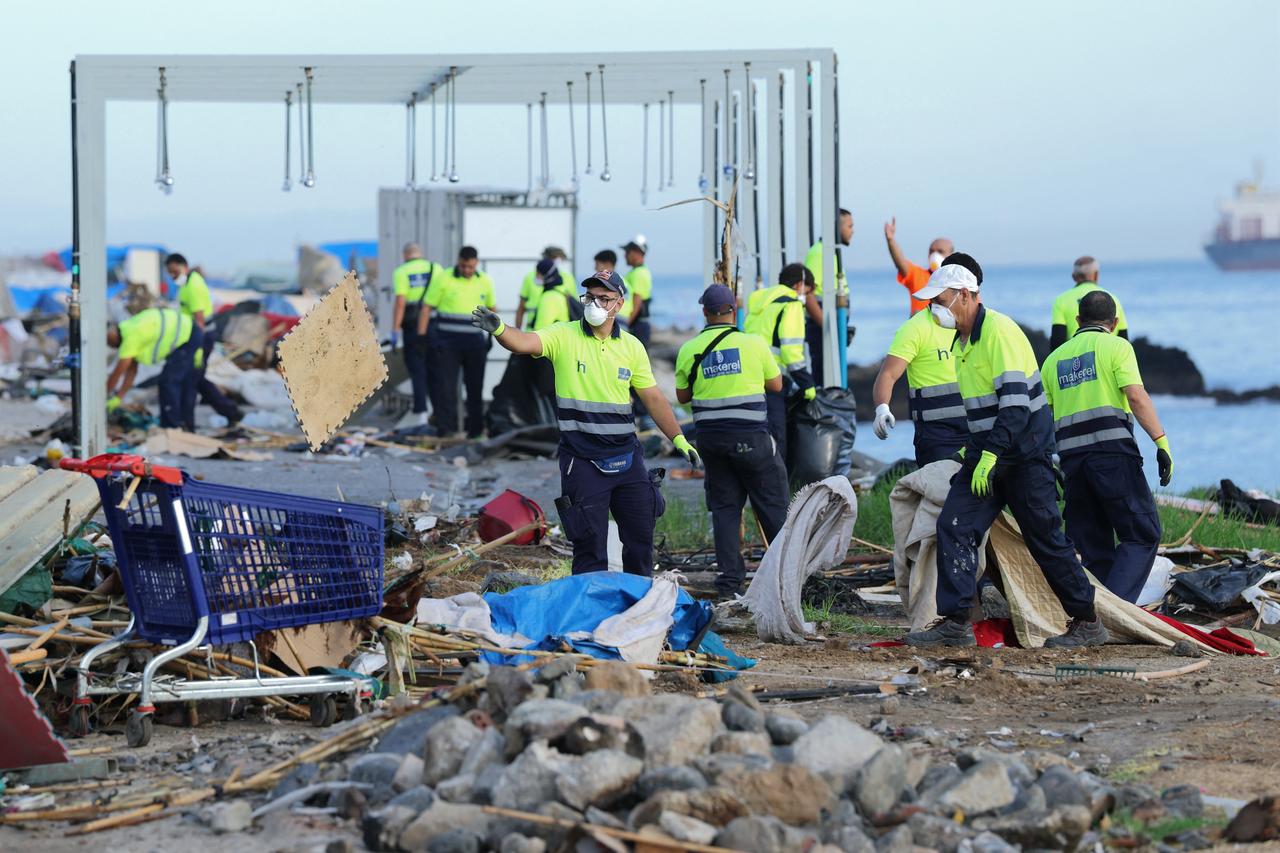
Most returned to Morocco in the hours that followed, but thousands have remained for weeks in often dire conditions, sleeping rough in the streets or on the beach.
The crisis has angered locals and damaged Socialist Prime Minister Pedro Sanchez before a Nov. 29 general election in which migration will feature prominently.
Rumors have swirled over who instigated the rush, with the Spanish right accusing Morocco of orchestrating it for political motives. Rabat and Sanchez have denied those claims.
Moroccan King Mohammed VI broke his silence on Friday, condemning “the irresponsible statements made by certain political and media circles and their blatant instrumentalization of the situation,” in apparent reference to Spanish criticism.
He told parliament that his country’s partnership with Spain “is a sovereign choice and a voluntary commitment, which cannot be subject to any pressure or threat, nor to any form of blackmail.”
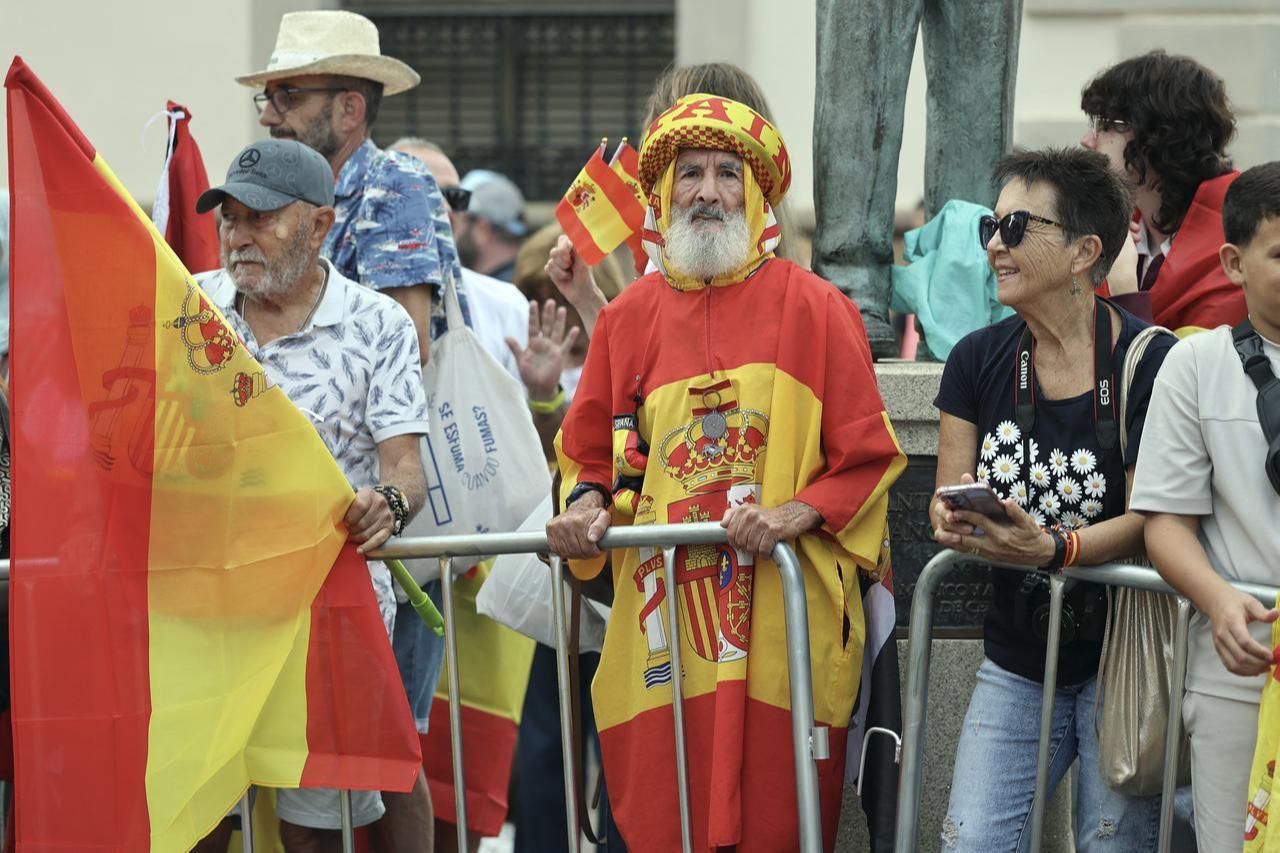
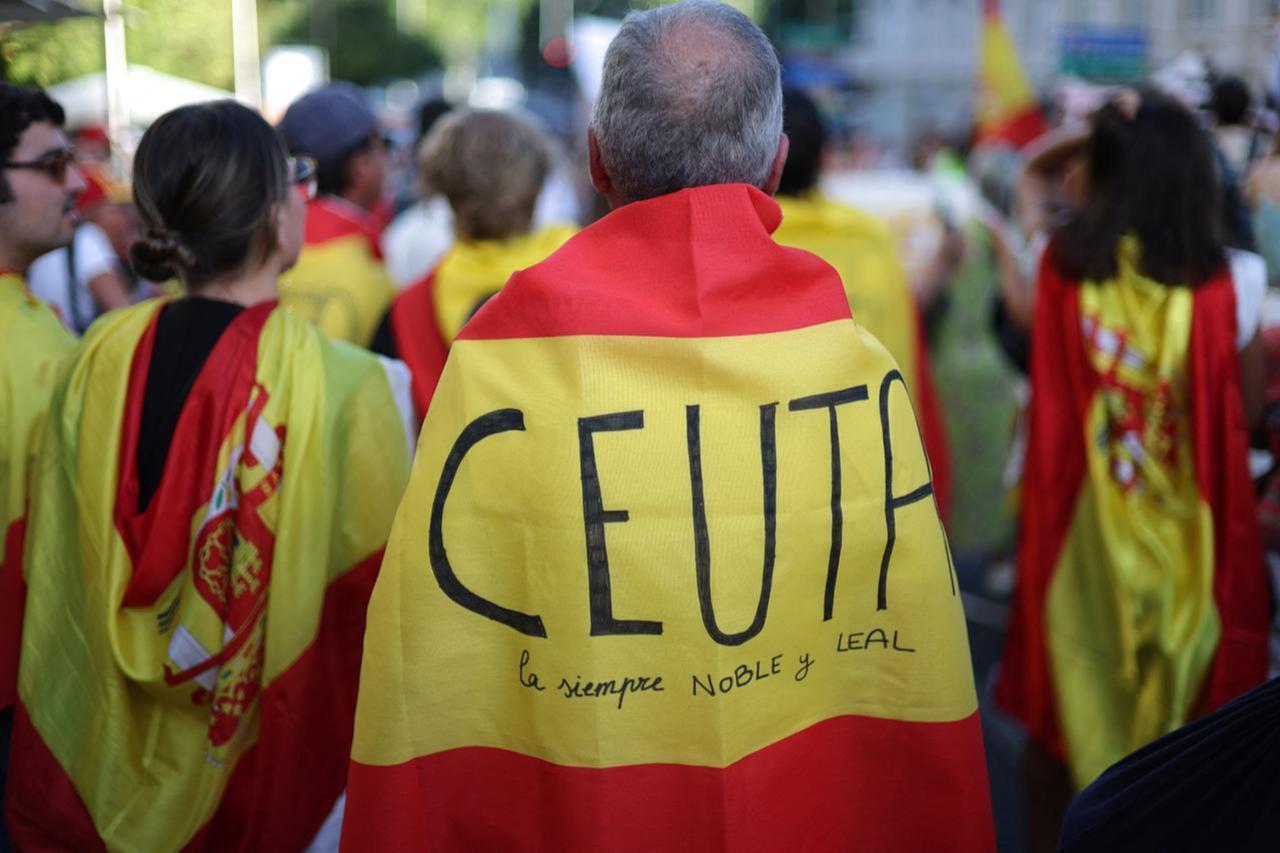
“Cheering crowds waving Spanish flags earlier lined Ceuta’s streets to greet the monarchs, who stopped to shake hands and exchange words with them en route to city hall for a meeting with local authorities.
Cristina Carrasco, a 50-year-old civil servant who waited all morning to see the royals, told Agence France-Presse (AFP) that “it was a pleasure and a source of pride” to have shaken hands with Felipe.
“We all told him, ‘Don’t forget us,’ and he said, ‘No, we won’t forget you,’” recounted Carrasco, who felt “grateful and proud” about a visit that “we deserved.”
Karima Mohamed, a 33-year-old shop worker whose two children attend a school the monarchs visited on Tuesday, said the trip showed that “Ceuta is Spanish and that we are Spanish.”
The royals also traveled to a cemetery to pay tribute to the migrants who died, mostly by drowning as they tried to swim around a border barrier.
Felipe and Letizia observed a silence in front of their tombs and met representatives of Ceuta’s Muslim, Christian, Jewish, and Hindu communities.
The authorities have set up thousands of places in temporary shelters and cleared the main camps on the beaches, but some migrants continue to live on the surrounding hills and roam the streets.
Ana Maria Diaz, a 69-year-old pensioner, said the king should have come earlier to see the makeshift migrant encampments, which remain in place.
“You don’t see it here, but if you go to the outlying neighborhoods... it’s terrible,” Diaz, who was holding a Spanish flag, told AFP.
The government insists it must respect international law by assessing whether the migrants are entitled to asylum, while hundreds of unaccompanied children cannot be summarily deported.


 Set as preferred source
 Set as preferred source


 1 min read
 1 min read