Newsletters


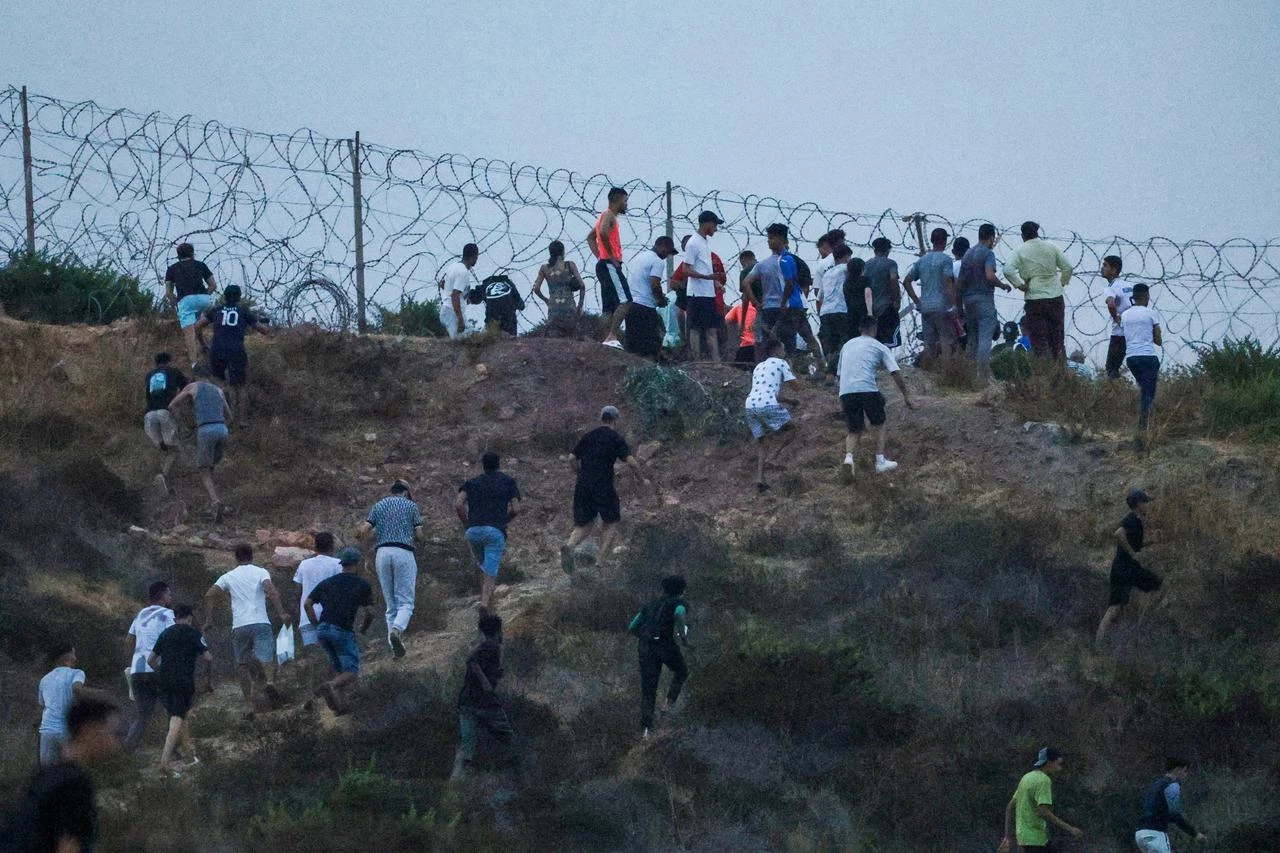


Spain and Morocco reinforced the border around the Spanish enclave of Ceuta on Friday after tens of thousands of migrants crossed by land and sea, leaving at least 18 people dead and triggering diplomatic disputes across Europe.
The Spanish interior ministry estimates that about 49,000 people entered Ceuta in a single day and at least 19 bodies were found in the water. A Spanish police source separately told Agence France-Presse (AFP) that around 40,000 migrants had crossed in recent days and that 18 people had died attempting to reach the enclave.
The crossings appeared to slow Friday after Moroccan authorities deployed water cannon trucks, pushed crowds back and strengthened security around the border fence.
Spanish Prime Minister Pedro Sanchez and Interior Minister Fernando Grande-Marlaska were due to visit the Tarajal crossing, while Madrid deployed troops to reinforce security.
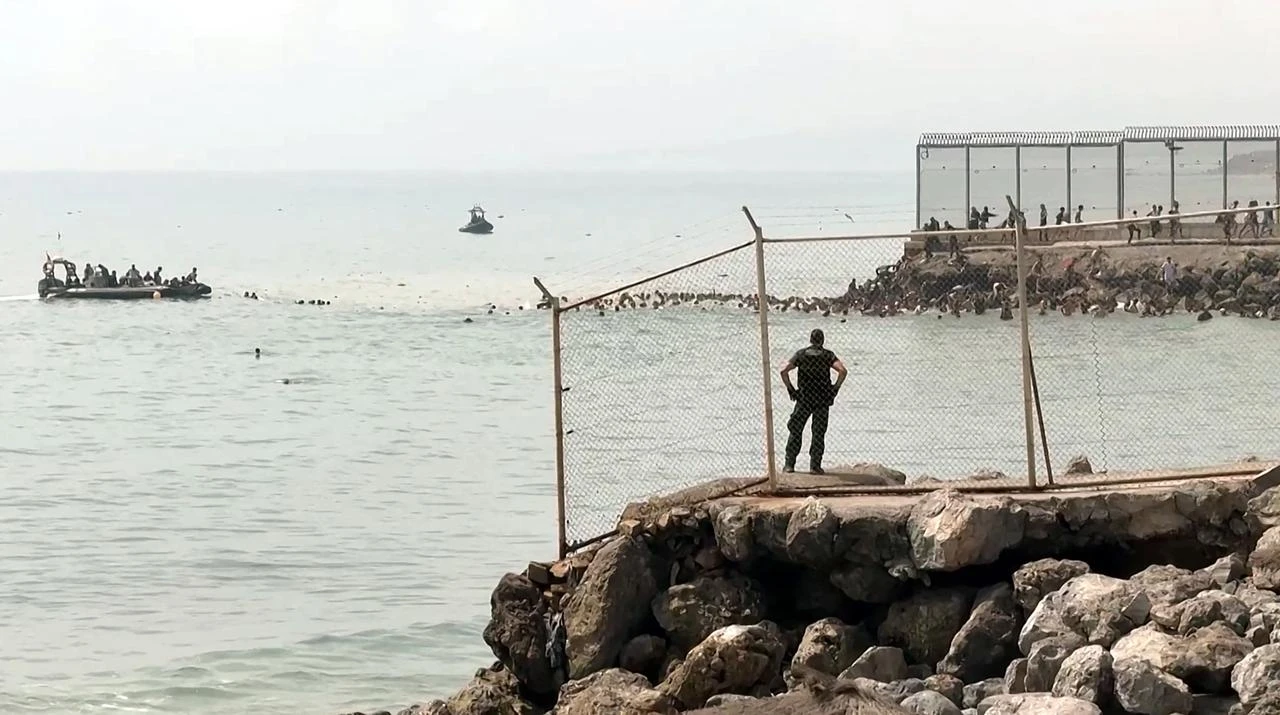

The burned remains of a bus and seven cars could be seen near the border after clashes between security forces and crowds.
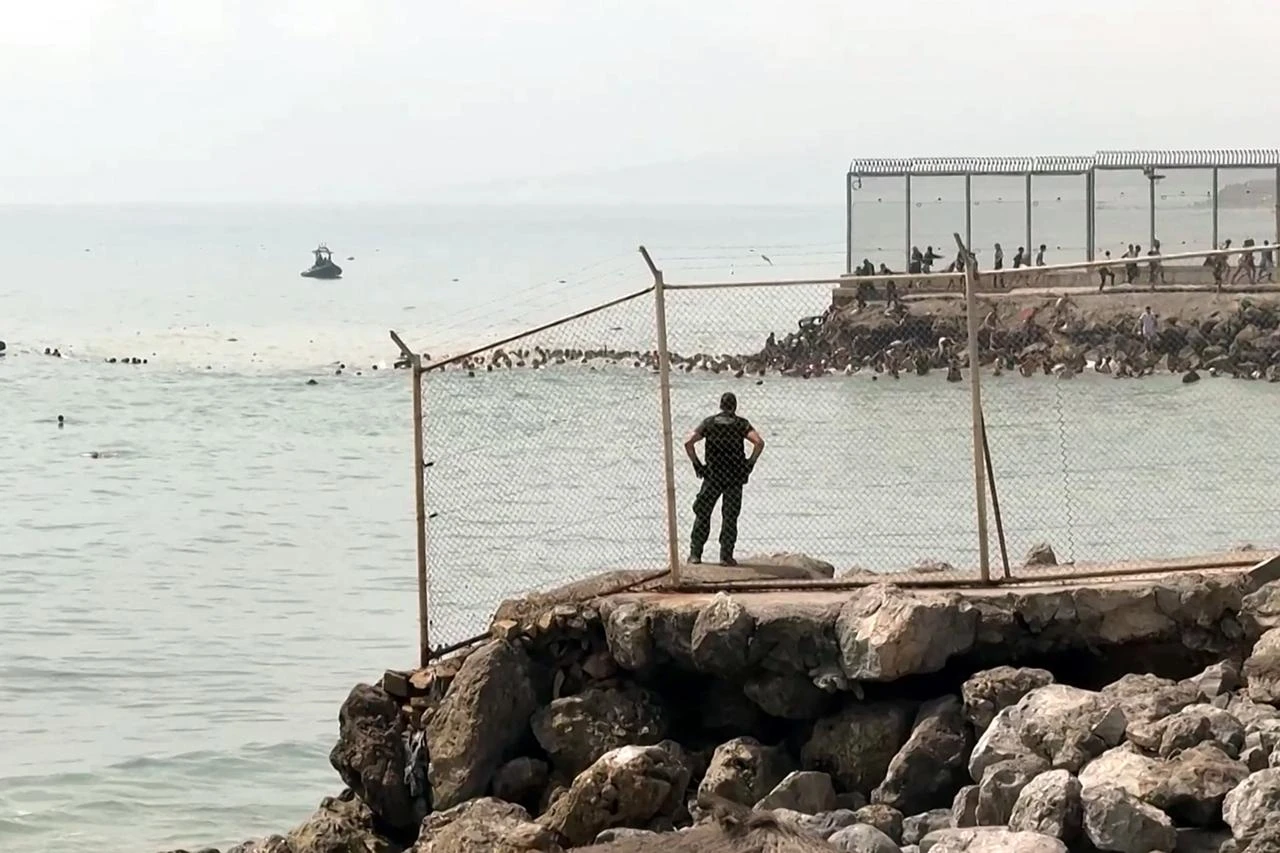
AFP reporters saw hundreds of men, women and children swimming around the border barrier, using flotation rings and clothing during the dangerous crossing before abandoning them in Ceuta.
“There was a steady stream of people all night long,” a police source said, adding that migrants were still arriving early Friday.
Some migrants walked through Ceuta thanking Spanish police and shouting, “Bye bye Morocco, hello Spain.” Officers directed some arrivals toward the local migrant reception center.
Spain’s Guardia Civil association AUGC said too few officers had been deployed along the fence during Thursday’s surge, leaving them unable to stop the crossings.
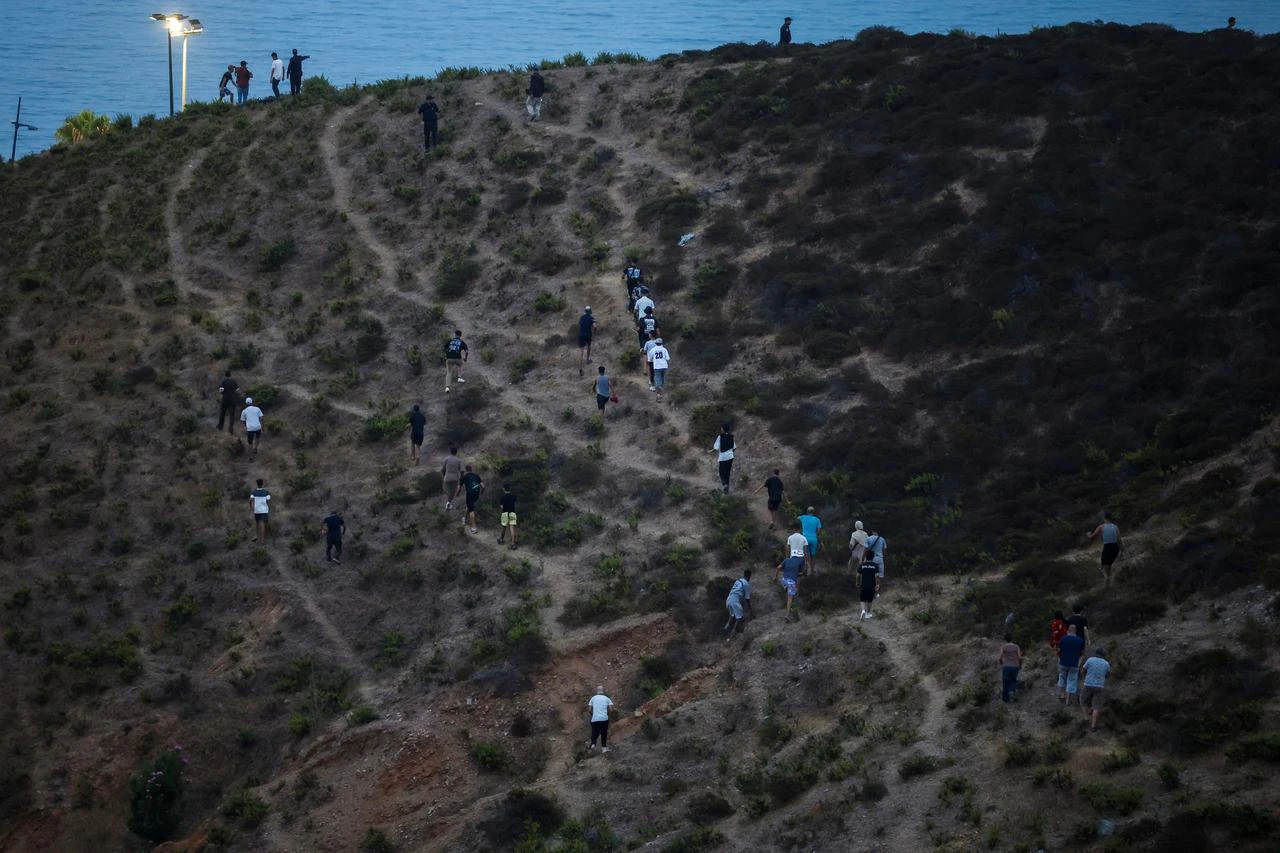
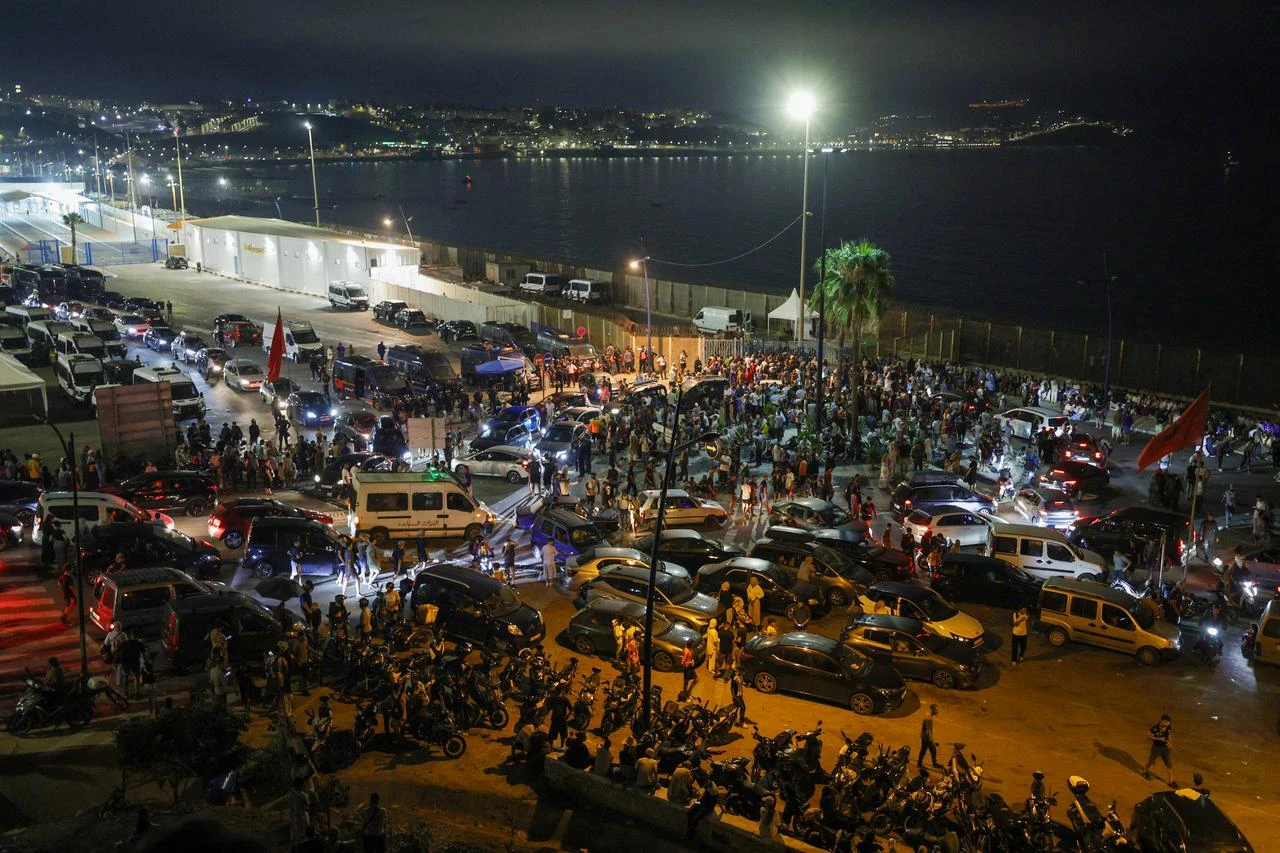
On the Moroccan side, thousands gathered in the border town of Fnideq despite a reinforced security presence that prevented most attempts. Groups moved along the coast searching for routes around the fence, while some prepared to swim.
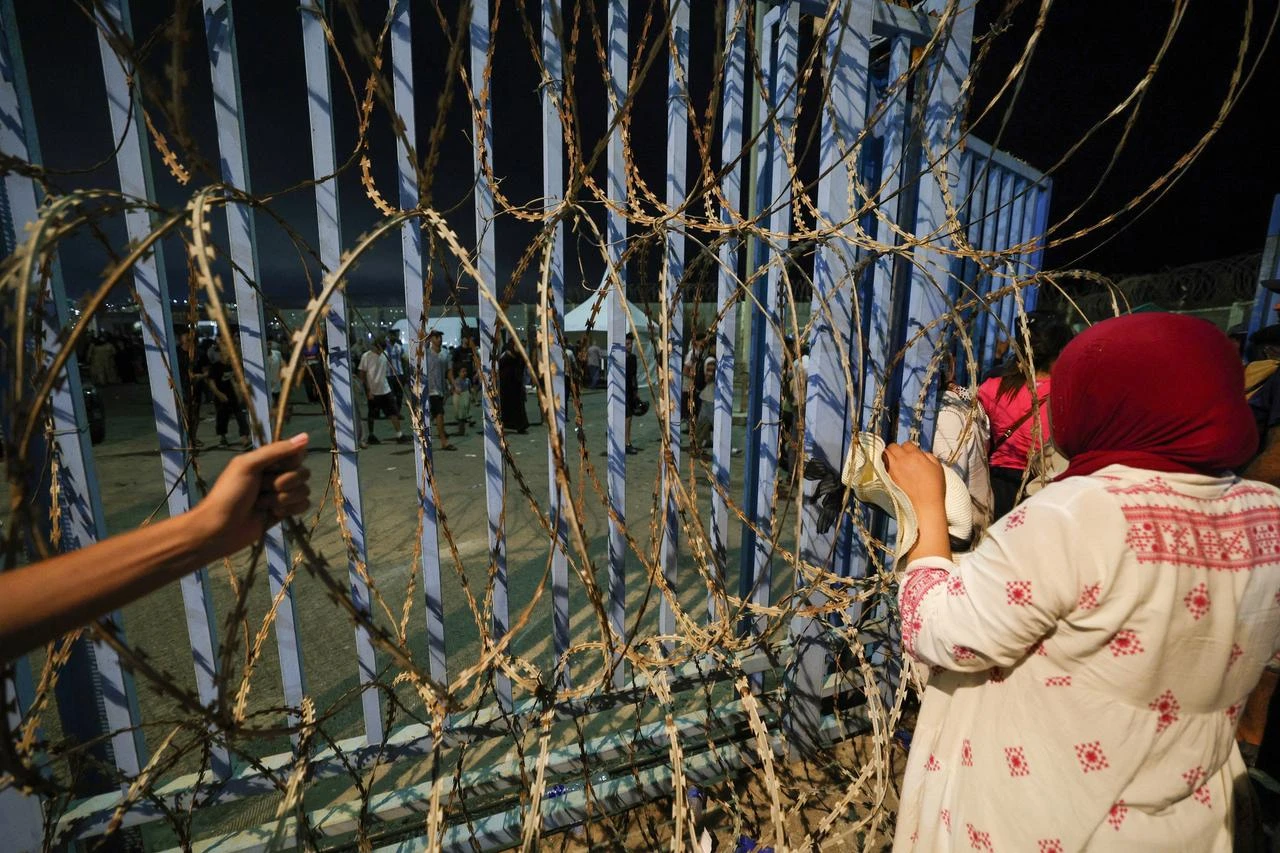
“I was late,” said Brahim, 32, who traveled from Tangier hoping to cross through the gate but found it effectively closed.
Those seeking to enter Ceuta included women and children from Morocco and sub-Saharan African countries.
Moroccan authorities had not issued an official statement, but an official told AFP anonymously that the two countries had discussed the crisis.
Local migrant organizations said Ceuta lacked sufficient resources and called for migration policies that protected the dignity and rights of migrants and refugees.
Spanish authorities said they would seek to return people who entered illegally as quickly as possible while complying with court rulings and respecting migrants’ rights.
Territorial Policy Minister Angel Victor Torres said a recent Supreme Court decision may have contributed to the surge.
The court ruled earlier this month that migrants intercepted at sea while trying to reach Ceuta or Melilla could not be immediately returned under special “border rejection” rules.
Torres said the government had responded immediately and would eventually return migrants within the legal restrictions.
Spain’s Socialist government says it remains firm against illegal crossings but argues that immigration strengthens the economy. It has also offered a mass amnesty under which hundreds of thousands of people sought citizenship over the past year.
Ceuta and Melilla are the European Union’s only land borders with Africa. Ceuta covers 18.5 square kilometers and has between 80,000 and 85,000 residents, while Melilla has about 85,000.
Both cities regularly face attempted crossings, but nearly 50,000 arrivals in one day appeared unprecedented. Spain described the situation as its biggest migration crisis since at least 2021.
The crisis divided European governments, with Italy threatening measures affecting the Schengen border-free area.
Italian Prime Minister Giorgia Meloni said Italy was prepared to take extraordinary measures, including suspending Schengen arrangements with Spain, to defend its borders and citizens.
Italian Foreign Minister Antonio Tajani said the scenes in Ceuta showed that Spain’s decision to grant citizenship to more than 500,000 irregular migrants was “profoundly wrong” and encouraged human trafficking.
Spanish Foreign Minister Jose Manuel Albares called Tajani’s remarks “inappropriate” and said Spain expected “solidarity and not partisan demagoguery.” Madrid said it would summon the Italian ambassador.
France announced tighter checks along its border with Spain.
Two senior officials in U.S. President Donald Trump’s White House also used footage of the crossings to reiterate their opposition to immigration.
Migration remains politically sensitive across Europe, where right-wing parties have gained support since the 2015 crisis, when more than 1 million people crossed the continent, many fleeing the war in Syria.
In 2021, more than 10,000 migrants reached Ceuta over two days after Morocco loosened border controls during a diplomatic dispute with Spain.
The dispute began after Spain allowed the leader of the Polisario Front, a Sahrawi independence movement, to receive medical treatment.
Polisario guerrillas fought Morocco over Western Sahara’s independence, with Algeria supporting the group.
The crisis ended in 2022 after Madrid abandoned its long-standing neutrality and supported Morocco’s autonomy plan for Western Sahara, damaging relations with Algeria.
Sanchez visited Algiers on July 20, the first visit by a Spanish prime minister in four years, signaling a thaw in relations.


 Set as preferred source
 Set as preferred source


 1 min read
 1 min read