Newsletters


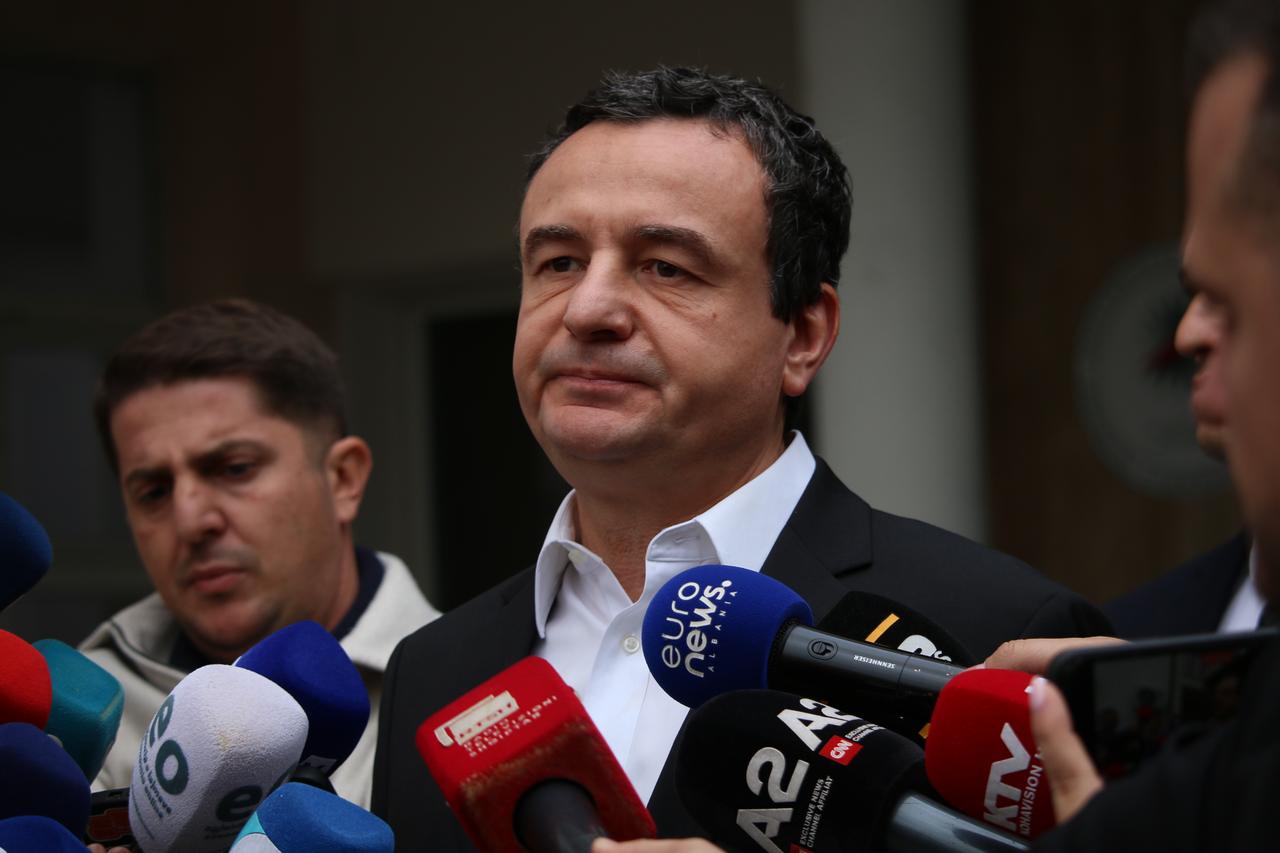


Kosovo has begun accepting migrants the United States wants to deport, Prime Minister Albin Kurti confirmed Thursday, as his government confronts mounting criticism from the Trump administration and political instability at home.
In a television interview with Kosovo’s Kanal10, Kurti said that “one or two” of the individuals whom the U.S. seeks to expel had already arrived in the country.
“We are accepting those whom the United States does not want on its territory,” Kurti said. “If I’m not mistaken, one or two of them are here.”
Kurti offered no details on the nationalities of the migrants or the conditions of their transfer.
The move follows a June agreement under which Kosovo consented to receive up to 50 individuals detained by U.S. immigration authorities before their deportation to their countries of origin. Kosovo joins a growing list of third-party nations, including Eswatini, Ghana, Rwanda, and South Sudan, participating in Washington’s efforts to scale up deportations under President Donald Trump’s aggressive immigration policies.
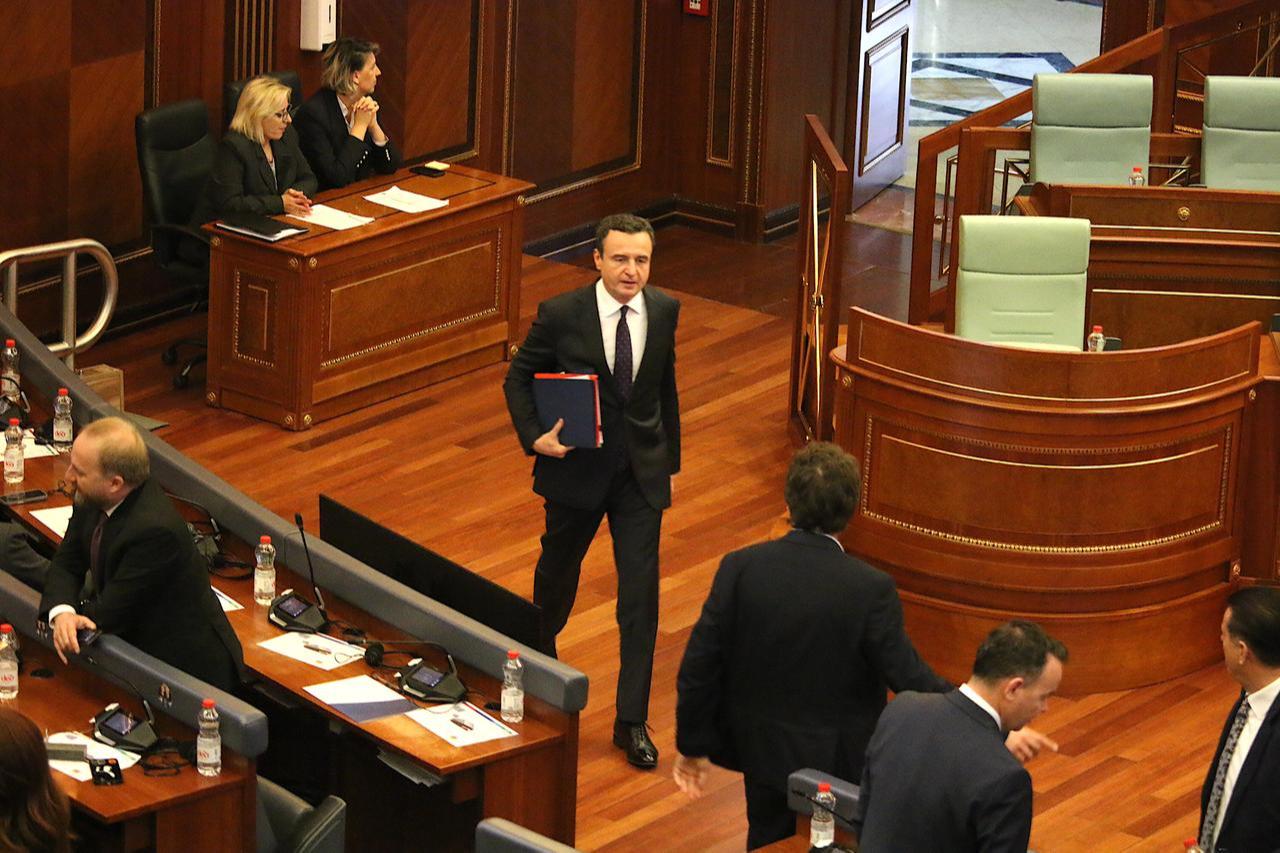

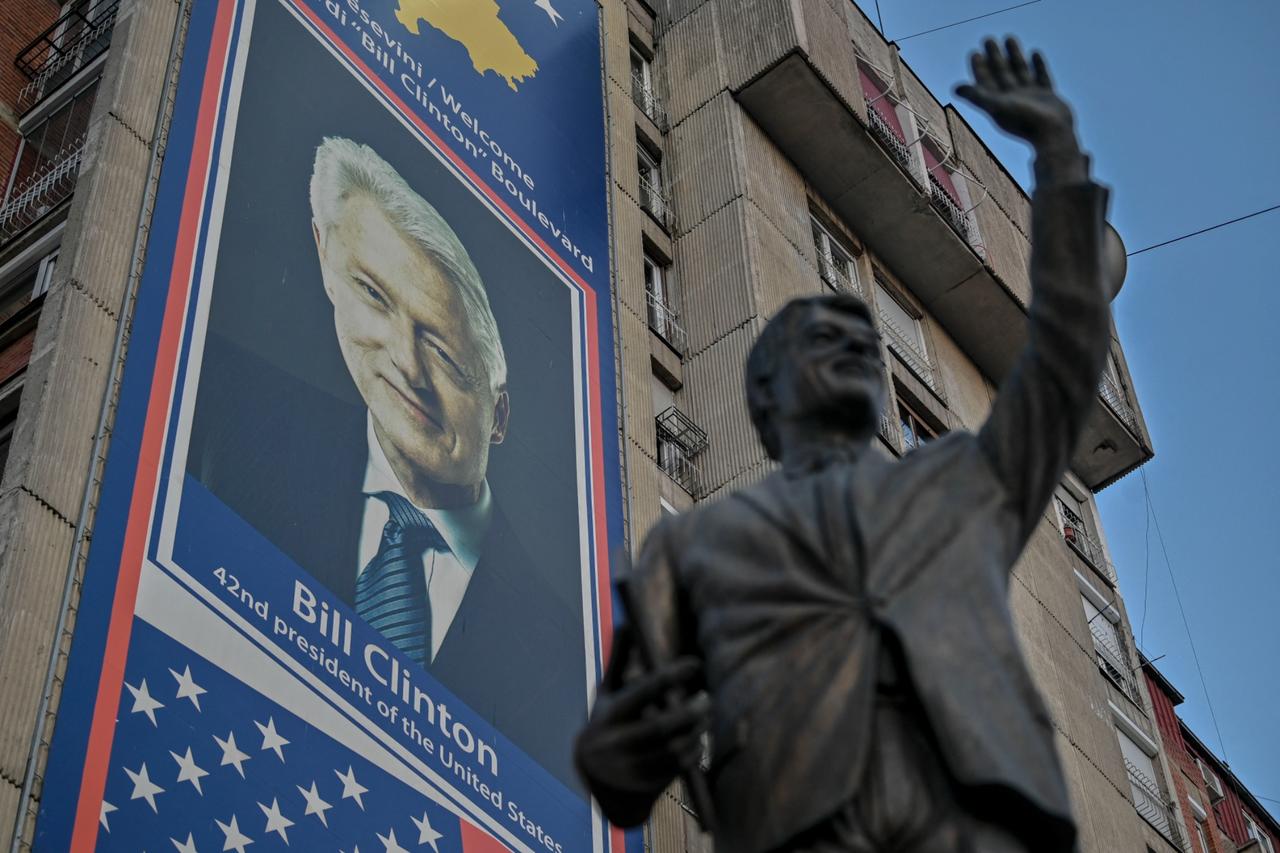
Kosovo, a staunch U.S. ally since it declared independence from Serbia in 2008, has historically enjoyed strong bipartisan support in Washington. However, relations between Prime Minister Kurti’s government and the Trump administration have frayed in recent months.
The White House has criticized Kurti for what it described as “divisive” policies, particularly targeting Kosovo’s ethnic Serb minority. Last month, the U.S. accused Kurti’s ruling party of “undermining the stability” of Kosovo by preventing a Serbian political party from registering for the upcoming elections on Dec. 28.
Kurti, who won a second term in February, has since failed to form a government, triggering the need for early elections.
Despite tensions with Washington, Kosovo’s government has continued to pursue agreements aimed at deepening ties with Western countries. The government has framed the migrant deal with the United States as part of its longstanding gratitude toward its most powerful international backer.
When the arrangement was signed in June, the government said it represented “eternal gratitude” for U.S. support, particularly during the 1999 war and the 2008 independence push.
Kosovo has also signed a separate €235 million ($250 million) agreement with Denmark to host 300 Danish prisoners in a Kosovo prison starting in 2027. In exchange, Denmark will invest in Kosovo’s correctional infrastructure over the next decade.
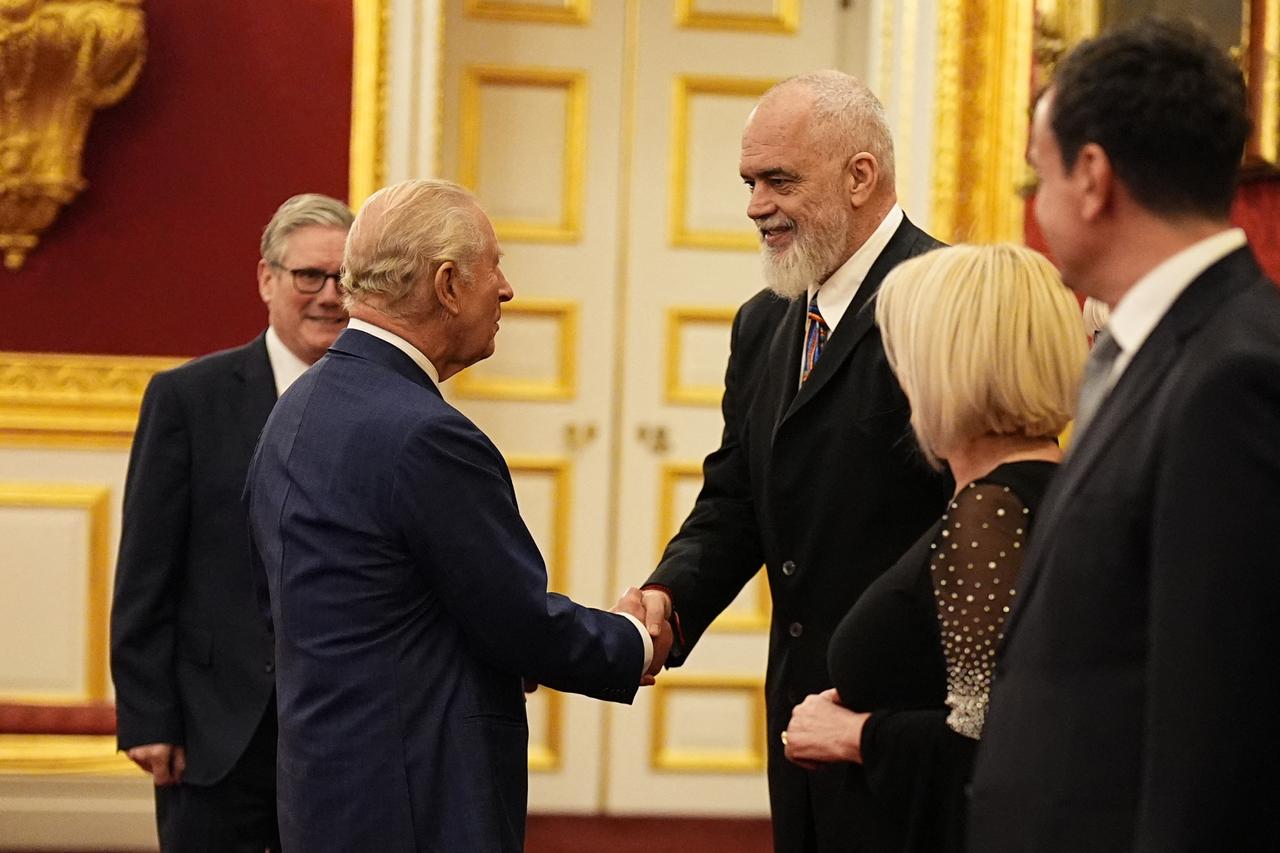
Officials have also expressed interest in negotiating similar deportee agreements with the United Kingdom, as part of a broader strategy to position Kosovo as a trusted partner in international migration management.
Kosovo’s participation comes as Western countries increasingly view the Balkans as a destination for rejected asylum seekers and third-country migrants.
On Monday, the European Union passed new policy measures allowing member states to send migrants to so-called “safe third countries”, even if they are not the individuals’ home nations. Human rights organizations have warned that the policy may violate the European Convention on Human Rights by exposing asylum-seekers to inadequate protection.
The Trump administration, meanwhile, has continued deporting hundreds of people to Central America, with some reportedly sent to detention centers in El Salvador, including a facility notorious for harsh conditions.


 Set as preferred source
 Set as preferred source


 1 min read
 1 min read