Newsletters


Kosovo's former president Hashim Thaci was sentenced to 25 years by a tribunal in The Hague on Wednesday for war crimes, the court said in a long-awaited verdict likely to spark outrage in the Balkan country.
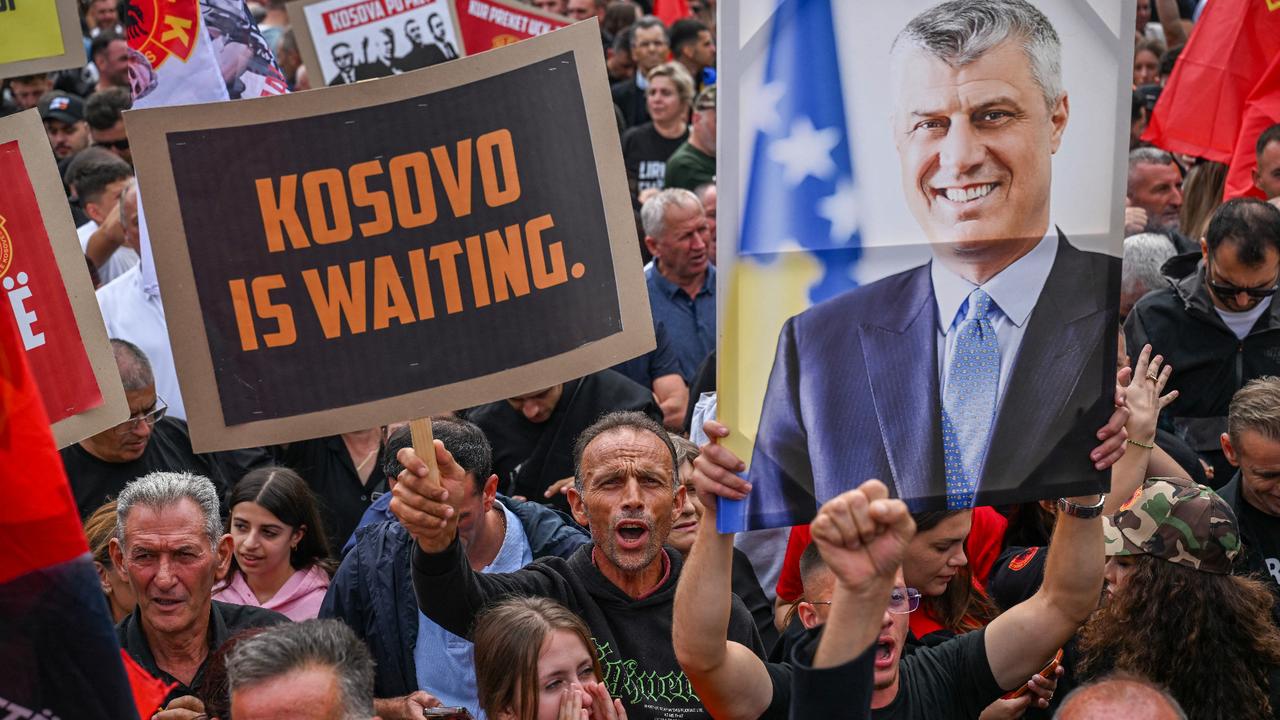
Judges found Thaci, who stood trial alongside three other former leaders, guilty of illegal arrests, torture, murder and cruel treatment carried out by fighters under his command.
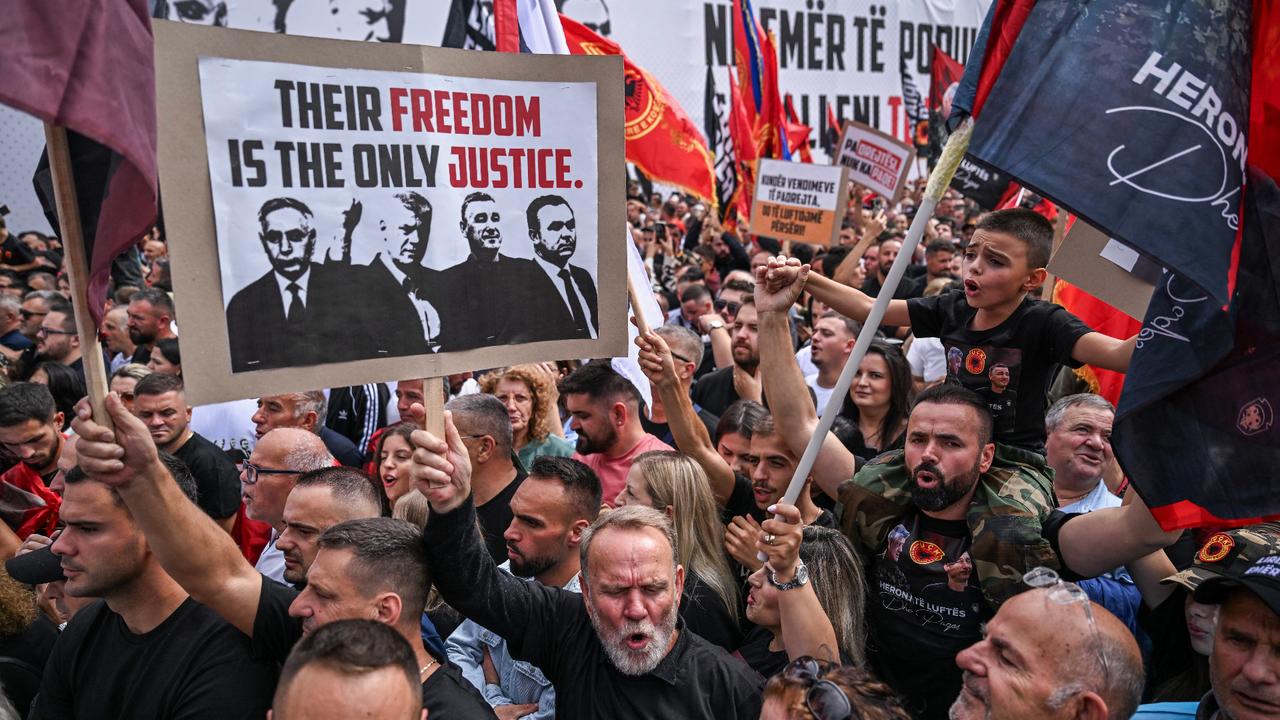
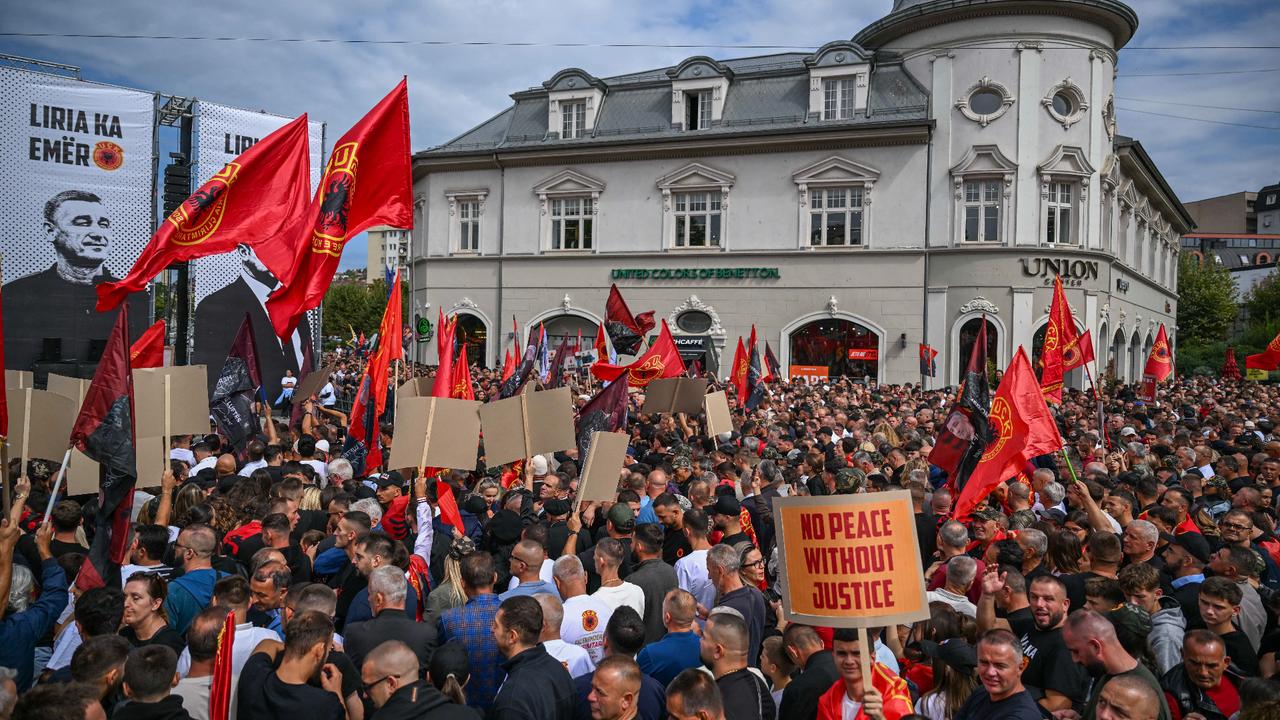
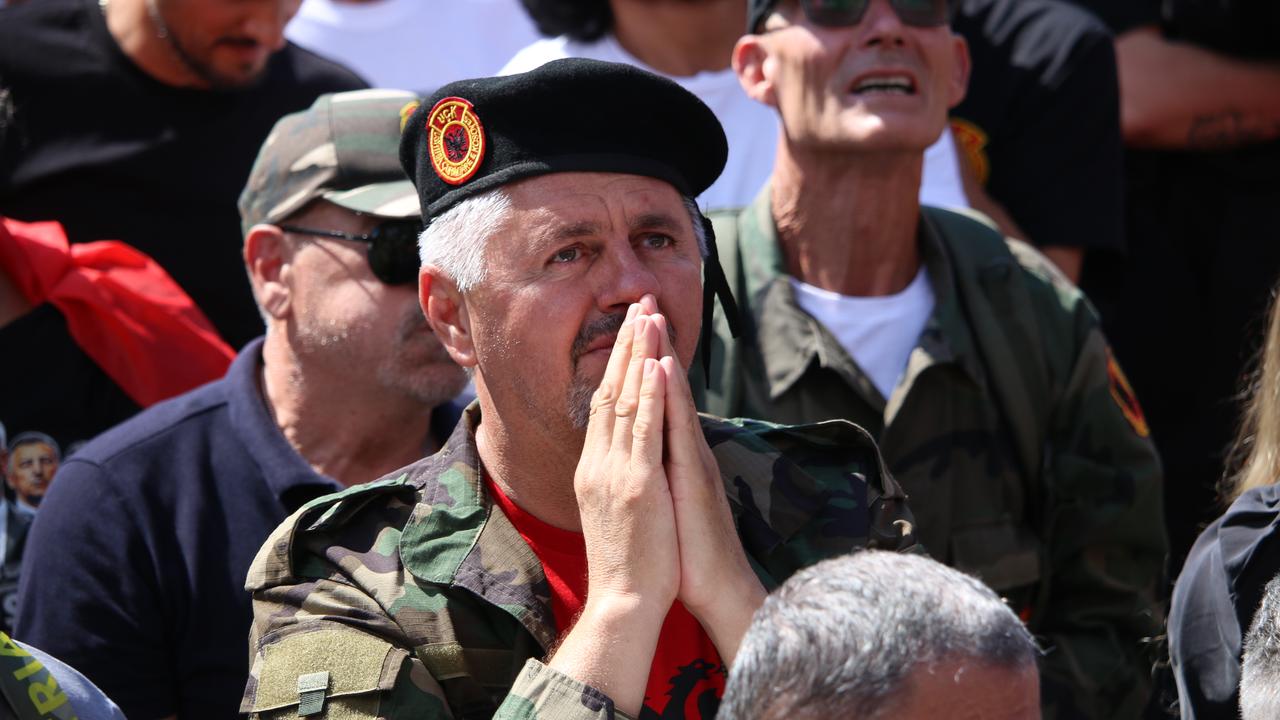
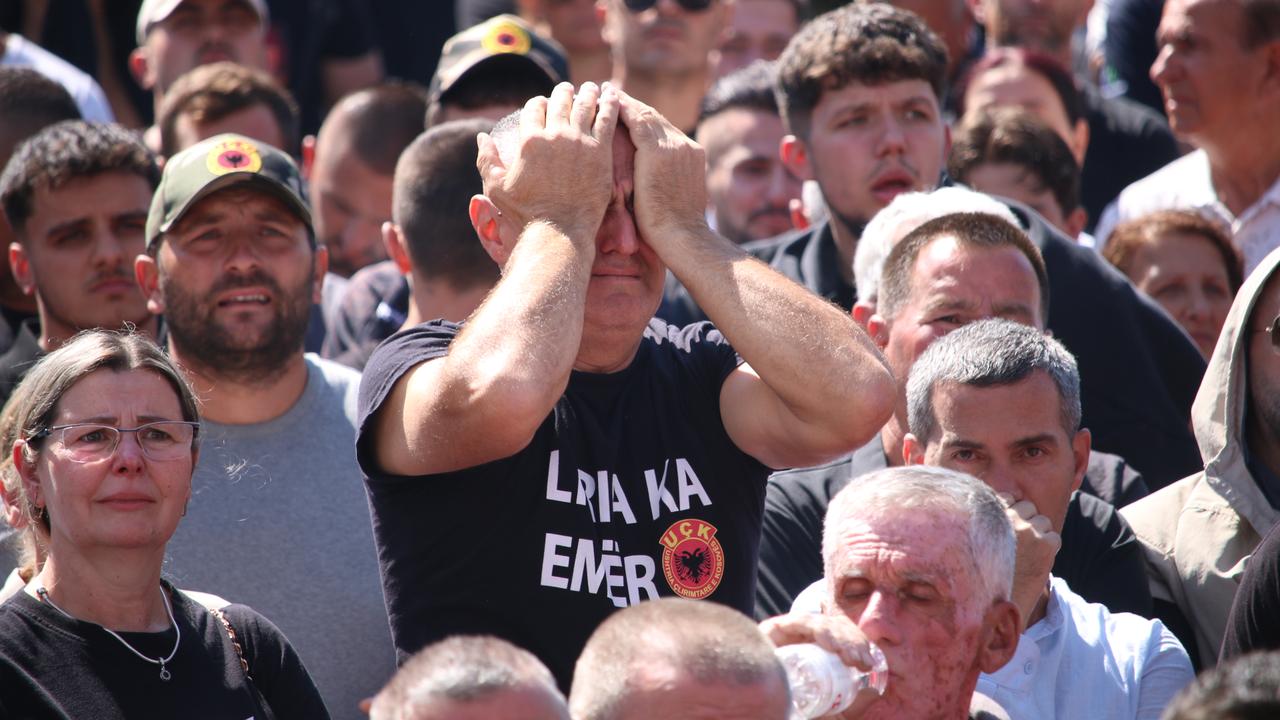
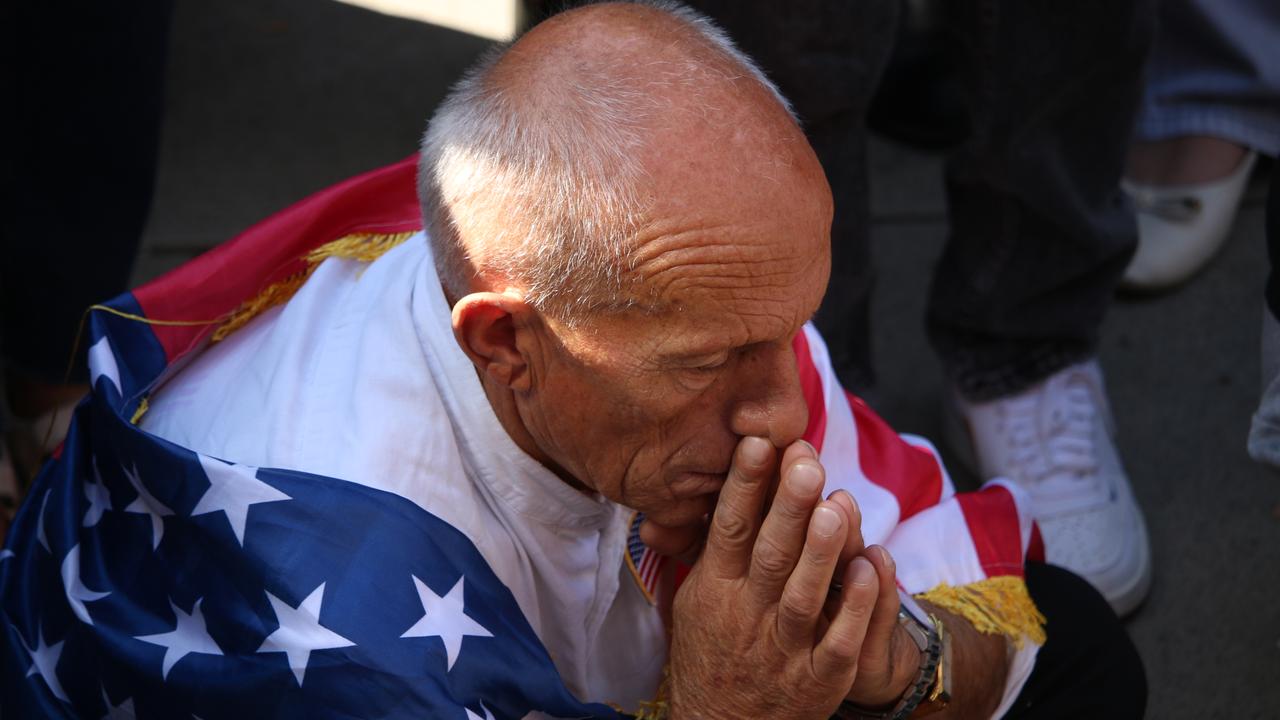
In Kosovo's capital, a large crowd gathered to watch the sentencing live on large screens, following a man many view as a hero. As the verdict came down, the crowd fell silent, with many appearing stunned, after weeks of preparation by his supporters for his possible acquittal.
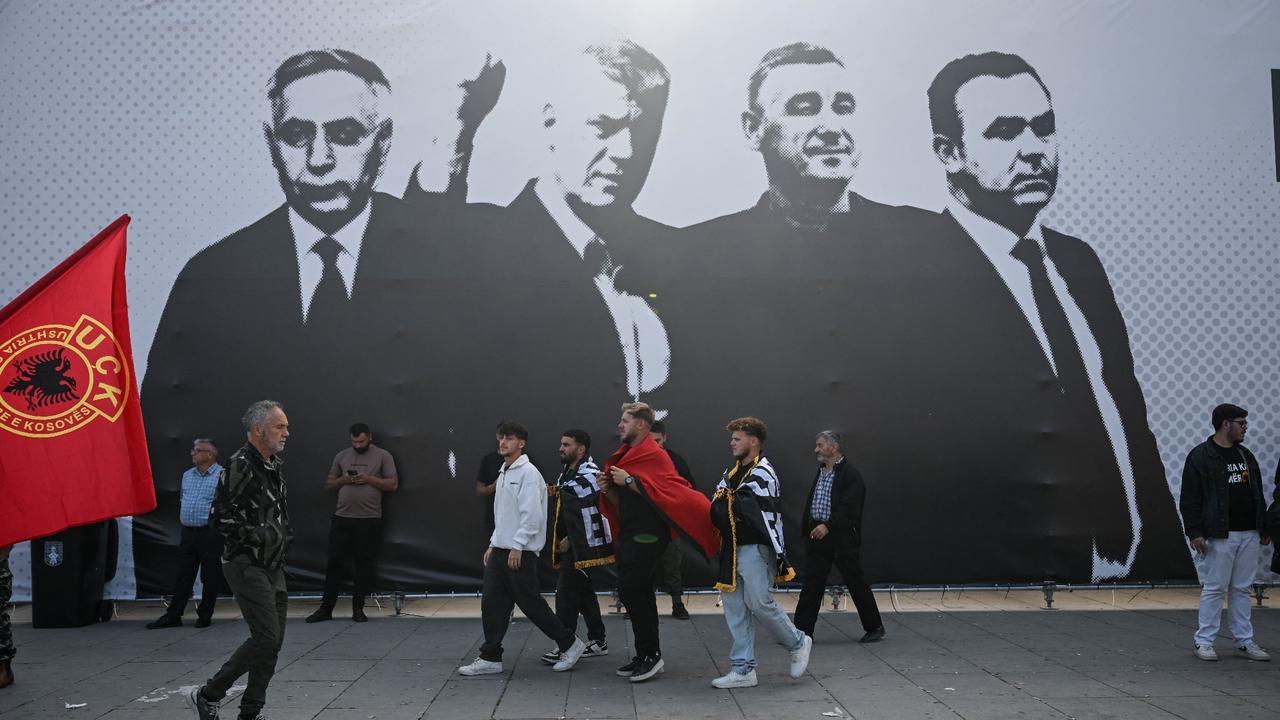
Thaci's fellow former Kosovo Liberation Army (KLA) figures, Jakup Krasniqi, Rexhep Selimi and Kadri Veseli, were also convicted and sentenced. Krasniqi received 25 years in prison, Selimi got 13 years and Veseli 18 years.
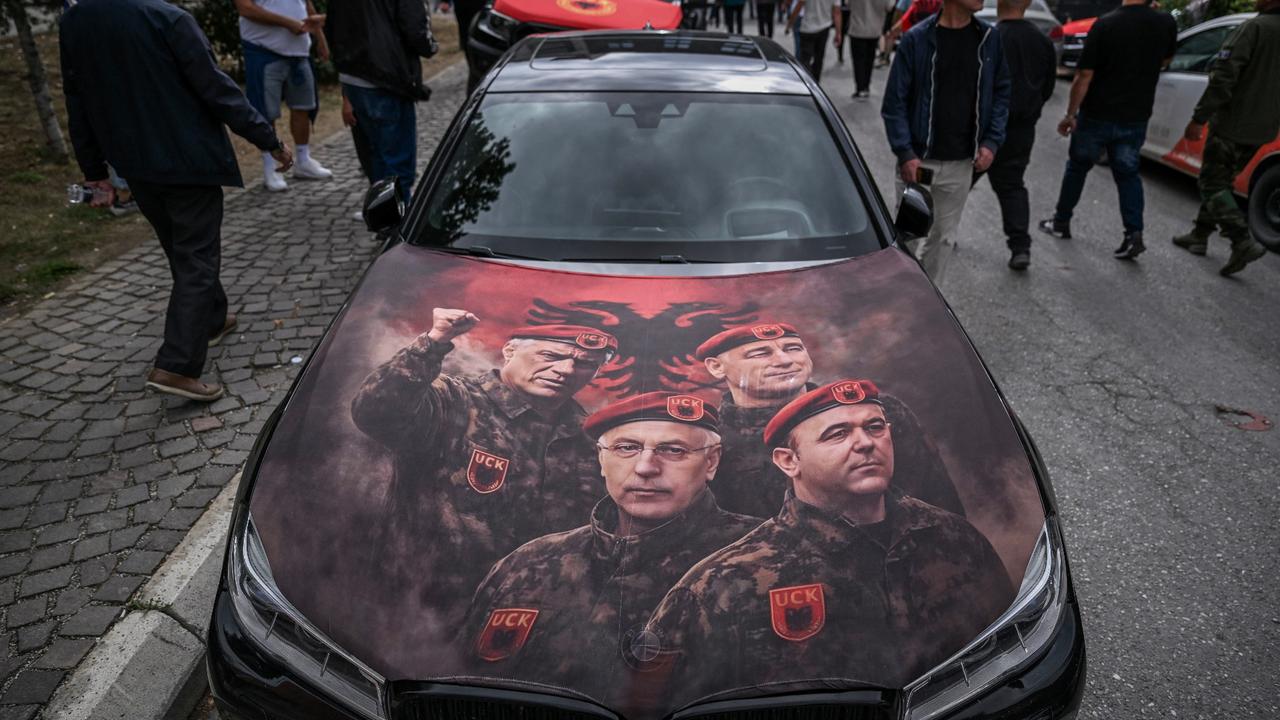
The court determined that all four bore criminal responsibility for the arbitrary detention and torture of hundreds of people and 96 murders. But it acquitted them of charges of crimes against humanity.
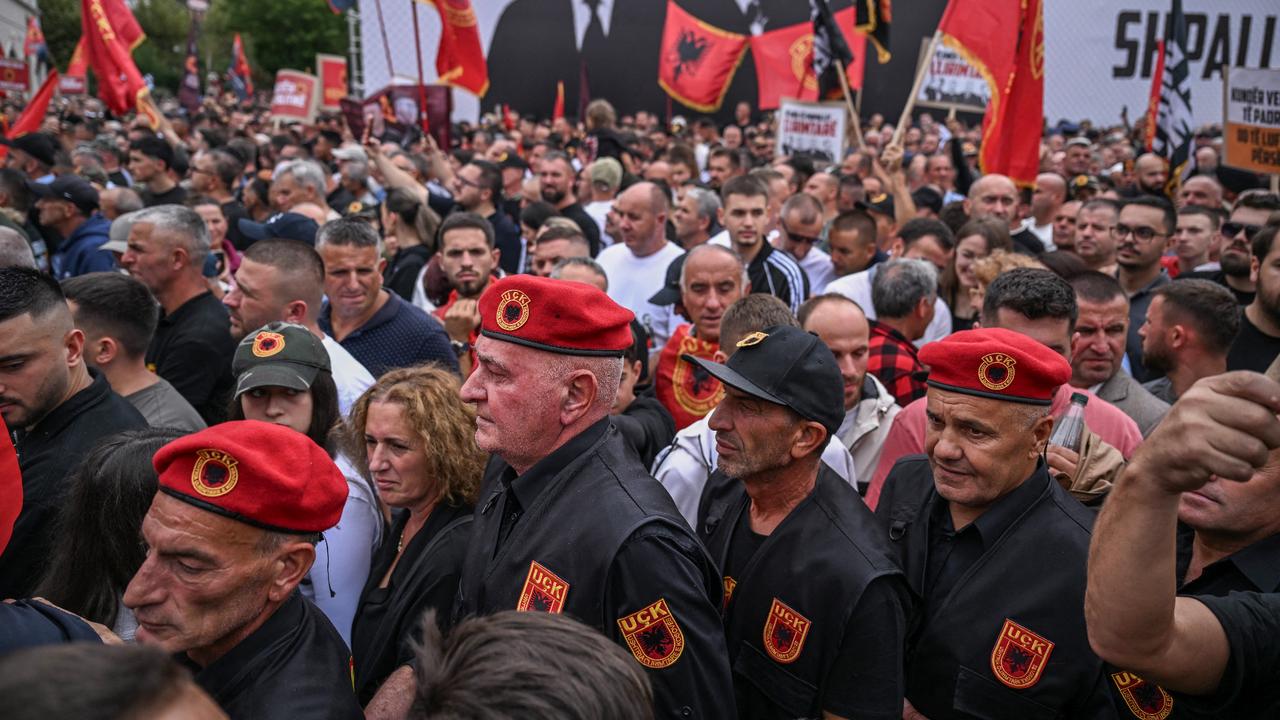
Judges also said Thaci, Veseli, Selimi and Krasniqi had "contributed significantly" during the Kosovo conflict to a common criminal purpose targeting perceived opponents of the KLA's political and military goals.
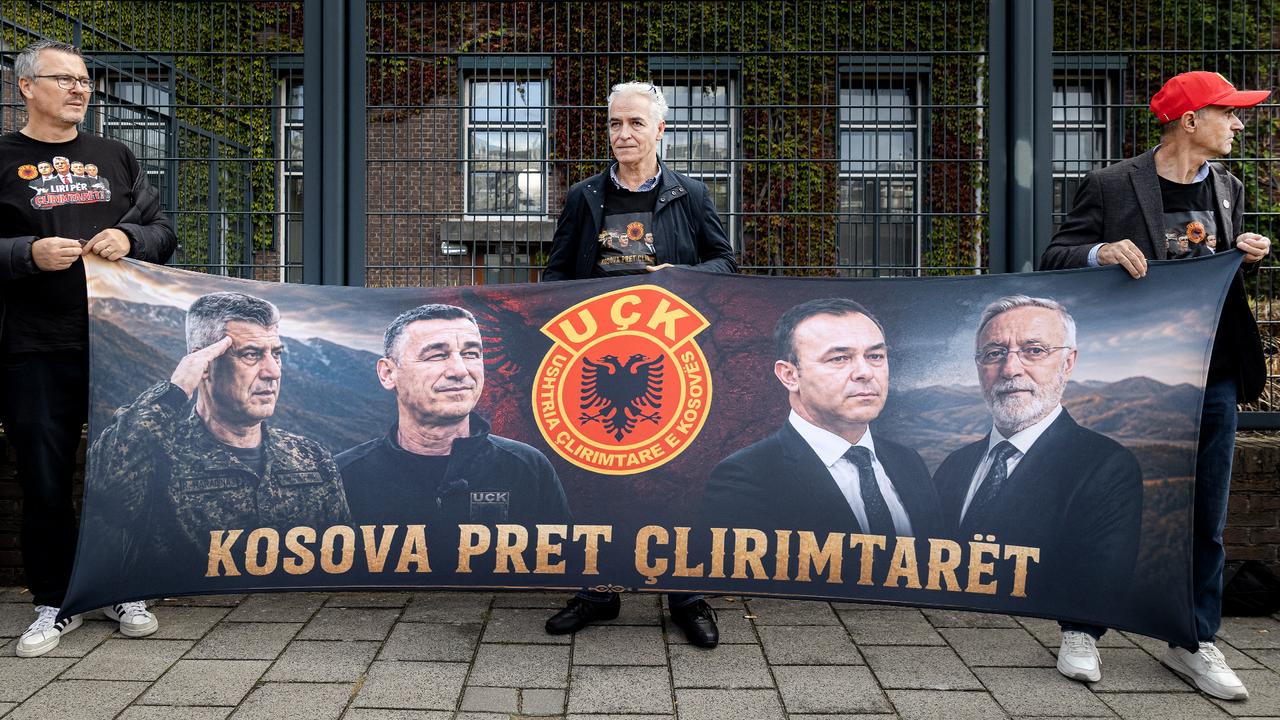
Thaci resigned as president and surrendered to the court after his 2020 indictment. He has remained in detention in The Hague since then, with time served counted toward his sentence. For many inside Kosovo, Thaci and the KLA symbolize its independence movement. After the war, he remained a central political figure and played a key role in its 2008 declaration of independence.
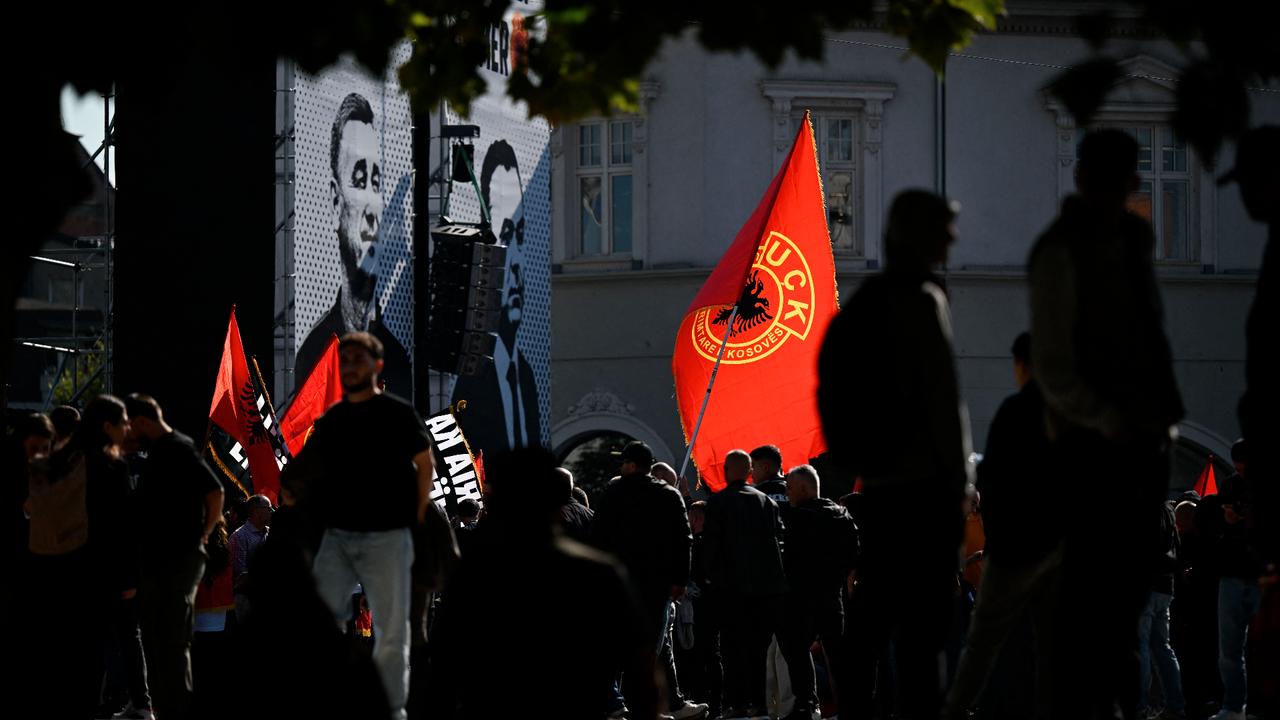
Throughout the trial, images of the 58-year-old, who also served as prime minister, regularly appeared on huge billboards around the country. "A terrible judgment for Kosovo, for our liberation war. It is a sad, unjust, undeserved decision," Kosovo Foreign Minister Glauk Konjufca told reporters outside the court.
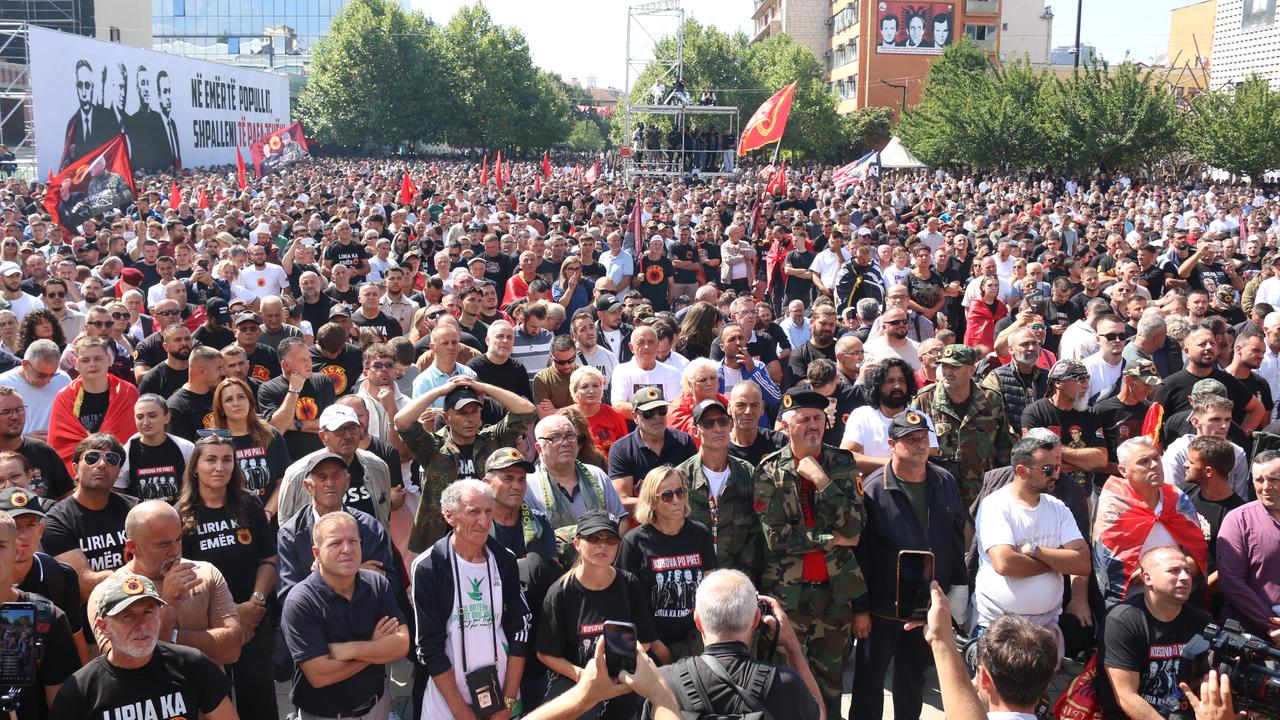
Expectations of a possible release of Thaci and his co-accused drew huge crowds for a rally over the weekend, and on Wednesday, hundreds gathered in the capital ahead of the verdict as clocks ticked down to the decision. But once it became clear the former president would remain in custody, the square emptied within minutes.
More than 10,000 Kosovars, most of them ethnic Albanians, were killed, and over 1 million people from different ethnic groups were forced from their homes during the 1998-1999 Kosovo War, which ended with a NATO ground and air campaign against the Federal Republic of Yugoslavia, formed by Serbia and Montenegro.
Kosovar Albanians formed the KLA in the 1990s to resist Yugoslav forces and establish Kosovo as an independent state. After the war ended, the KLA was disbanded, and its commanders and fighters joined the country's newly formed security institutions.
Kosovo unilaterally declared independence from Serbia on Feb. 17, 2008, though Serbia still considers Kosovo part of its own territory.


 Set as preferred source

 2 min read