Newsletters


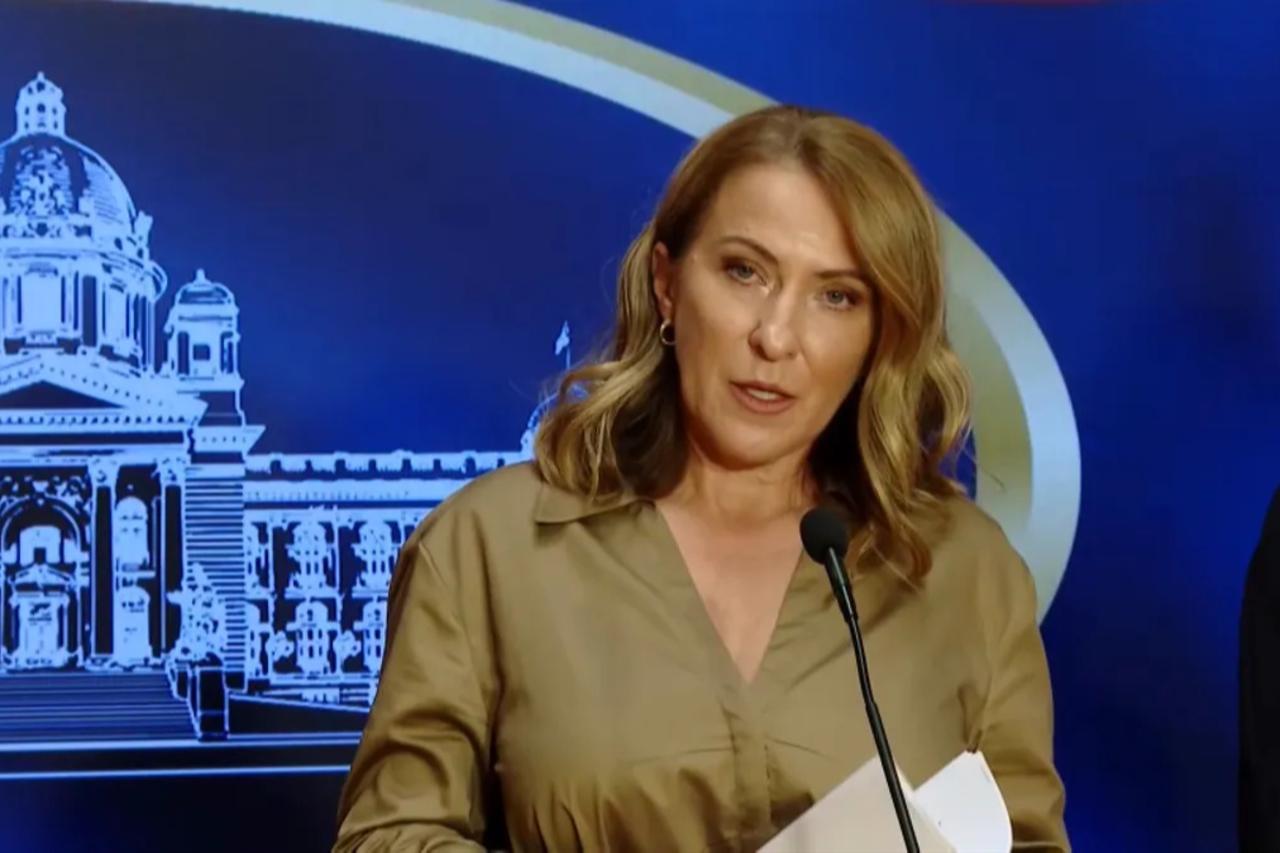


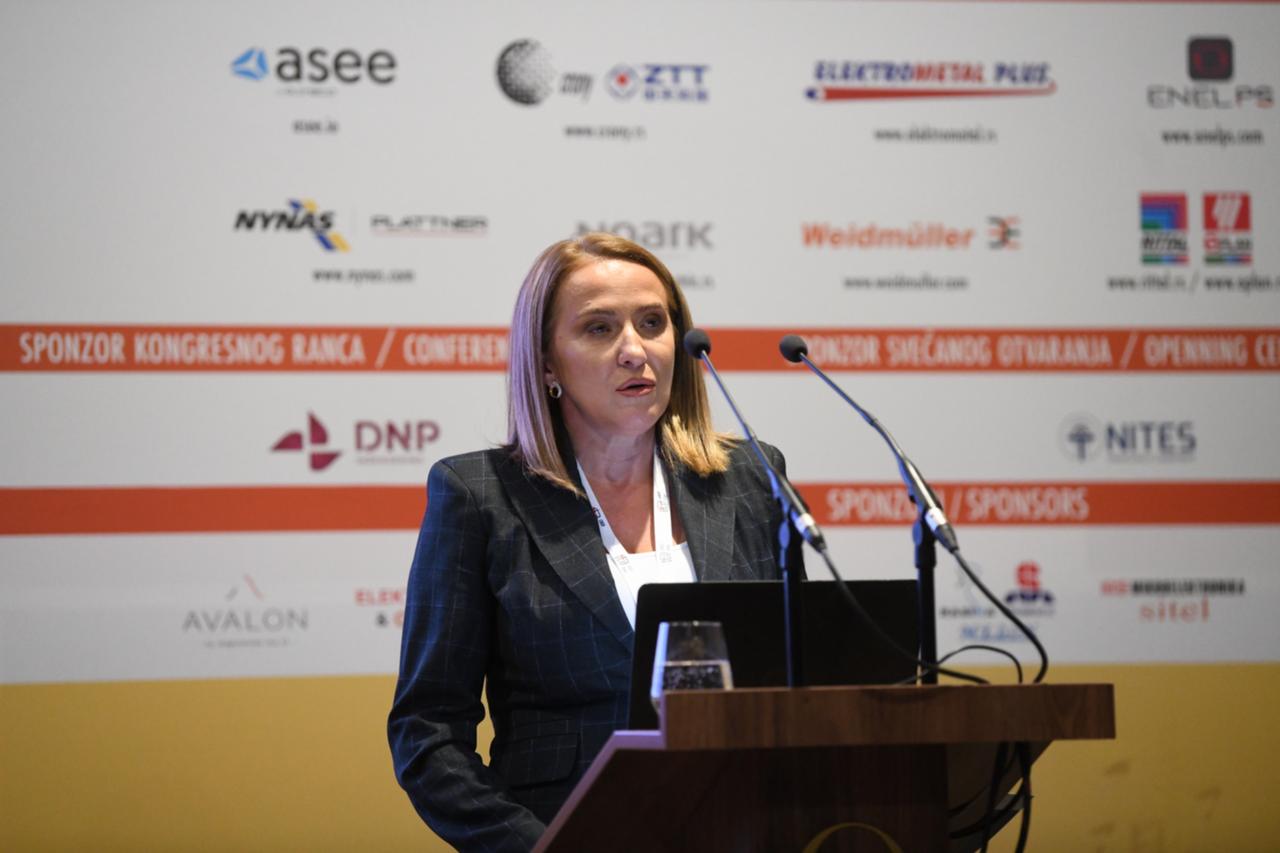
Kosovo declared Serbian Public Administration and Local Self-Government Minister Snezana Paunovic persona non grata Tuesday after she said she "would have ethnically cleansed Kosovo" if she had been in power during the Kosovo war.
Kosovo Interior Minister Xhelal Svecla announced the decision, saying he had signed it and forwarded it to the country's competent institutions.
Svecla said Paunovic's rhetoric showed the "continuity of a state policy that for many decades has produced violence, crimes and attempts to eradicate Albanians from their homeland."
"As Kosovo's interior minister, today I issued a decision through which I declared Snezana Paunovic persona non grata, undesirable, with a permanent ban on entering or transiting through the Republic of Kosovo," Svecla wrote on social media.
"The era when Albanians were oppressed, massacred and ethnically cleansed has come to an end once and for all," he added.
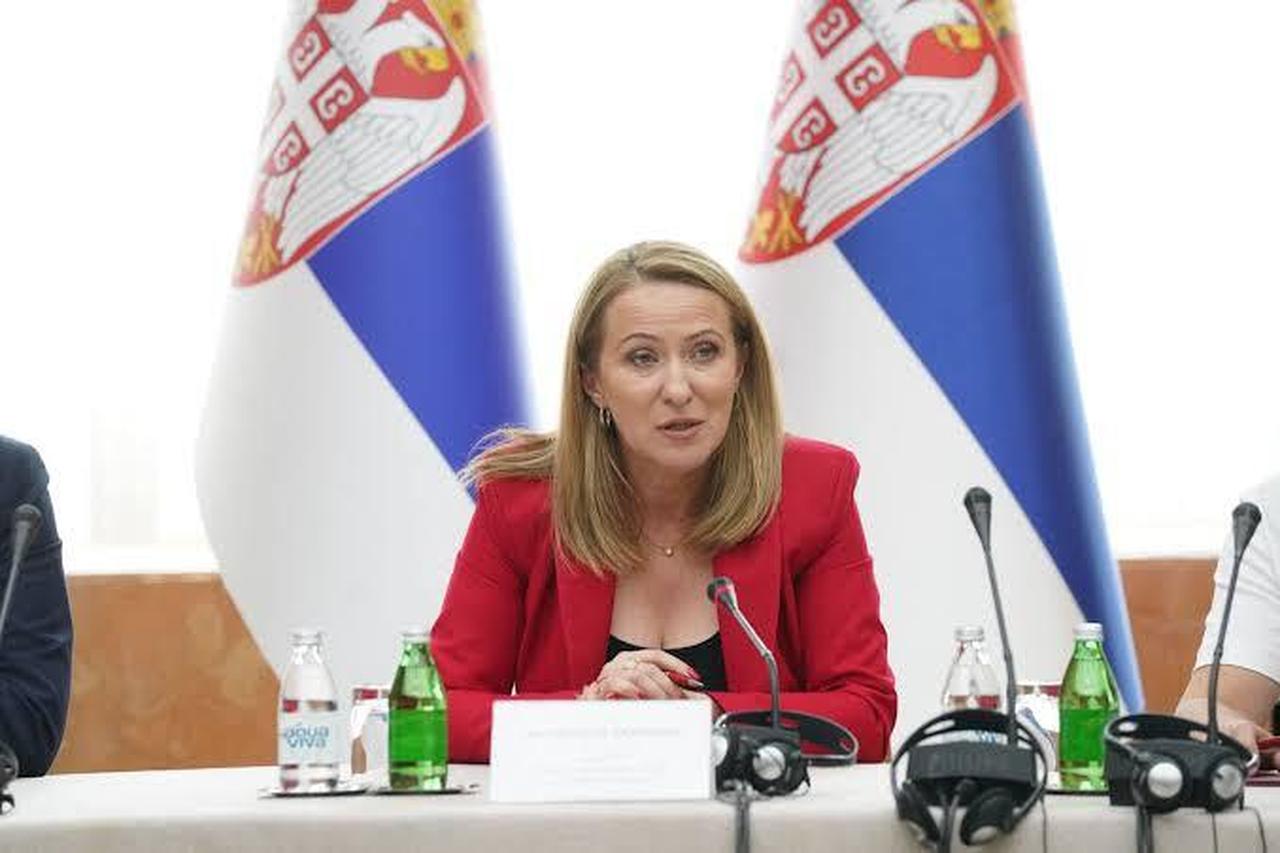

Svecla said Kosovo is a sovereign and democratic state with strong institutions that protect the constitutional order, territorial integrity and security of every citizen.
"Any attempt to revive the ideologies of ethnic cleansing or to threaten the Republic of Kosovo will be met with a firm, legal and institutional response," he said.
Paunovic made the remarks Monday during an interview with a Belgrade-based television channel.
"If I had been in Milosevic's place in 1998, I would have ethnically cleansed Kosovo," Paunovic said. "And this is the harshest qualification I have ever said. Not in the way they want to liquidate us, but in such a way that they do not feel part of Serbia and go to their mother country."
Her statement also drew reactions from senior European Union officials.
Speaking at a European Commission press briefing in Brussels, spokesperson Anitta Hipper said the EU would not comment directly on individual remarks but reiterated the bloc's position.
"There is no place in Europe for rhetoric justifying and advocating for ethnic cleansing," Hipper said.
Following the backlash, Paunovic issued a statement claiming that propaganda was being waged against her and arguing that she had merely made an "analysis," while maintaining the position reflected in her remarks.
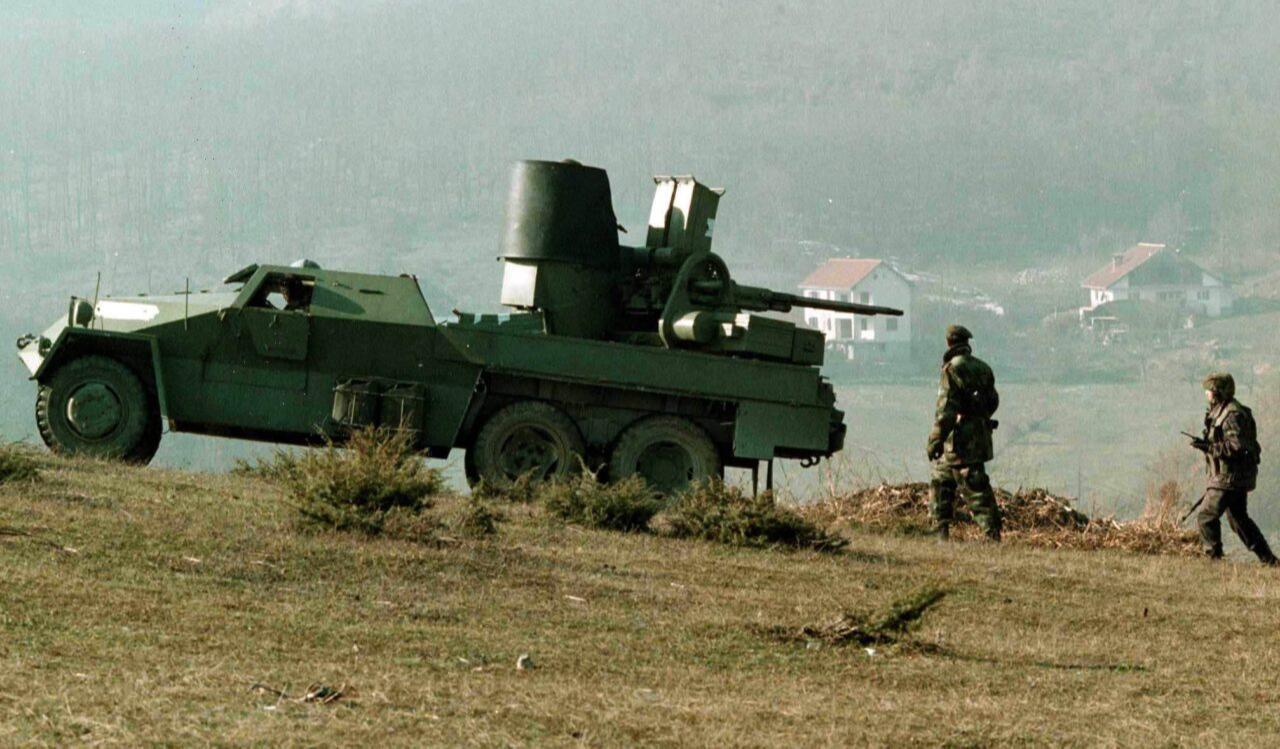
Paunovic has long been known for her hardline stance on Kosovo.
In 2022, while serving as deputy speaker of the Serbian Parliament, she called for the arrest and removal of Shaip Kamberi, the only ethnic Albanian member of Serbia's parliament. Kamberi later disclosed her remarks in a Facebook post.
During a parliamentary debate on the Kosovo-Serbia dialogue, Paunovic said: "If we made a mistake by releasing Albin Kurti from prison, let's not make the same mistake by not arresting Shaip Kamberi. If that is not possible, then we should remove him from here."
Kosovo's Minister for Labor, Family and the Values of the Kosovo Liberation War Andin Hoti said Paunovic's latest remarks showed that Serbia had not freed itself from what he called its genocidal ideology.
"Your ideological father, Milosevic, tried the same thing in Kosovo, but ended up before international justice, while Serbia left Kosovo with its tail between its legs," Hoti said.
"The response of the people of Kosovo, the Kosovo Liberation Army and the democratic world is well known. Kosovo remained free. Milosevic ended up as a war criminal and today he lies in the ground," he added.
Hoti said anyone calling for ethnic cleansing today was not only a threat to Kosovo but also evidence that Serbia had not broken with "Milosevic's genocidal ideology."
The Institute for Crimes Committed During the War said "coming to terms with the past remains a prerequisite for building trust and lasting peace in the region."
"The statement by Snezana Paunovic, a minister in the government of Serbia, who said that if she had been in the place of Slobodan Milosevic, she would have 'ethnically cleansed Kosovo,' brings renewed attention to the continuity of a discourse linked to the policies responsible for the war, ethnic cleansing and crimes against humanity committed in Kosovo," the institute said.
The institute said crimes committed during the 1998-1999 war were the subject of international judicial proceedings in which senior political, military and police leaders of Milosevic's regime were found guilty of crimes in Kosovo.
Milosevic, who led Serbia during the Kosovo conflict, died in detention in The Hague in 2006 while on trial before the International Criminal Tribunal for the former Yugoslavia on charges including genocide, crimes against humanity and war crimes.


 Set as preferred source
 Set as preferred source


 1 min read

 1 min read