Newsletters


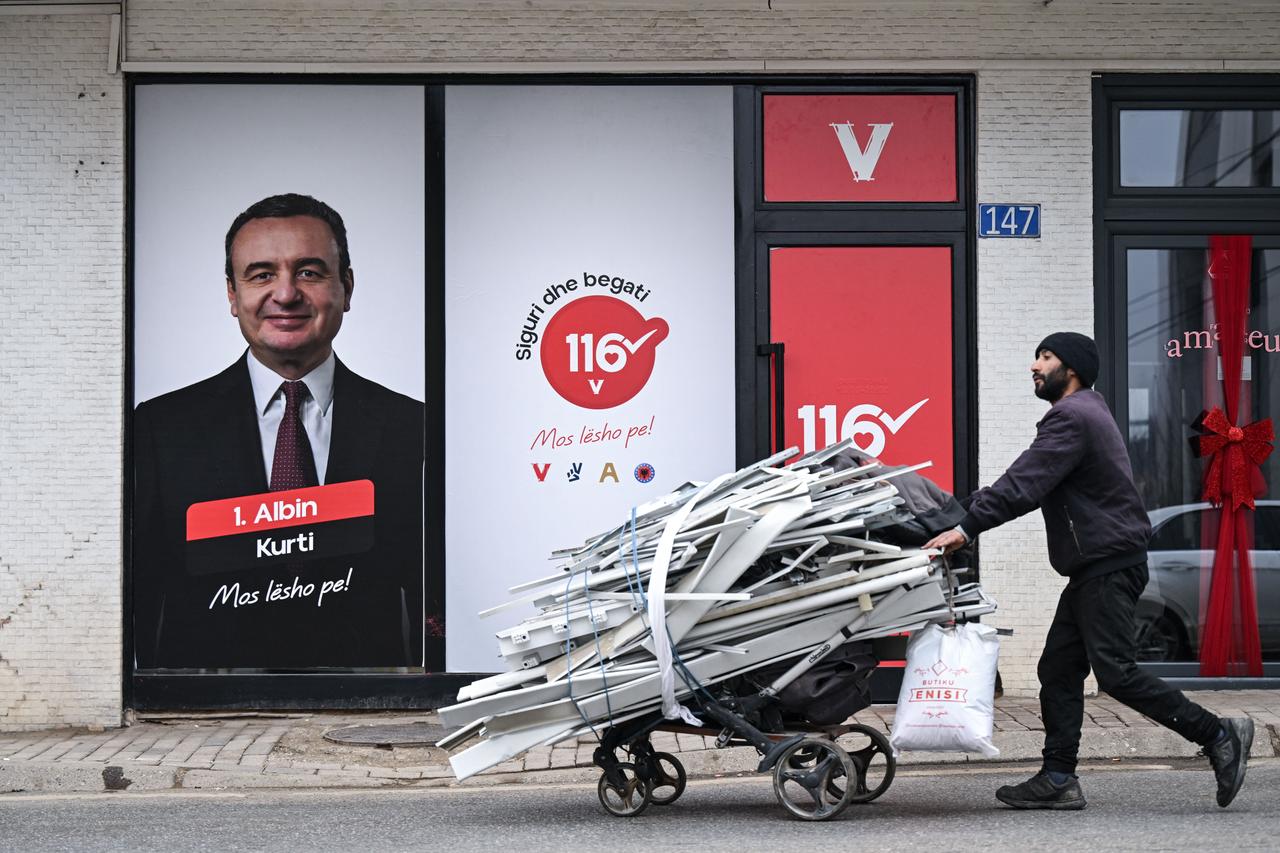


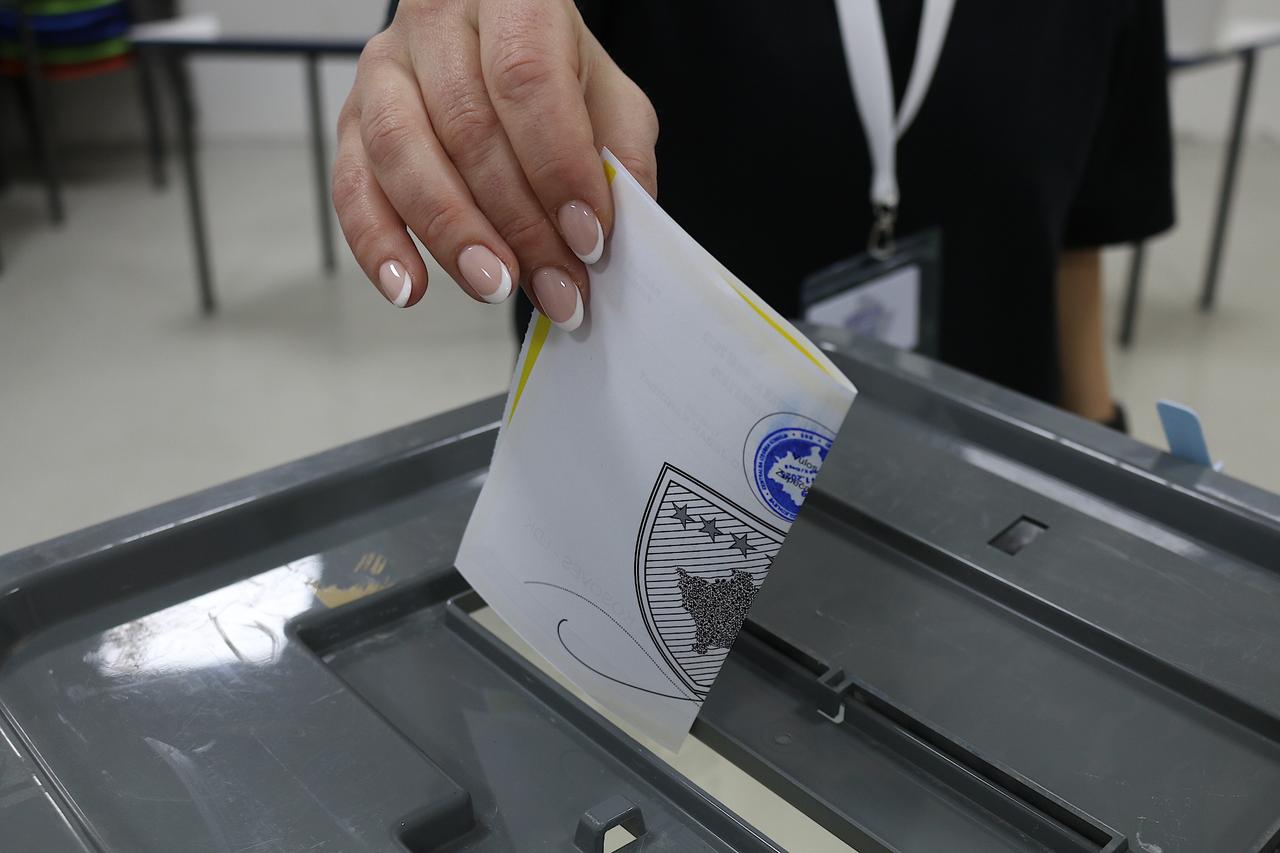
Kosovo will hold snap parliamentary elections on Sunday, Dec. 28, after nearly a year of political paralysis that led to the dissolution of parliament and left a roughly €1 billion hole in state finances, deepening uncertainty in Europe’s youngest country.
Analysts say the vote is unlikely to break the deadlock that has gripped the Balkan nation since February, when an inconclusive election failed to produce a governing majority.
The political stalemate has stalled key legislation, delayed international funding and left dozens of public institutions without permanent leadership.
Kosovo has been locked in crisis since the February elections, which were won by outgoing Prime Minister Albin Kurti’s left-wing Vetevendosje (VV) party, but without enough seats to govern alone.
After months of failed coalition talks and procedural gridlock, including 73 parliamentary votes over six months just to elect a speaker, Kurti stepped aside to allow an ally to try to form a government. That effort also failed.
President Vjosa Osmani ultimately dissolved parliament and called new elections.
Without a functioning legislature, Kosovo has been unable to ratify key international agreements, putting hundreds of millions of euros in aid and loans at risk.

Despite the stalemate, Kurti is widely viewed as the frontrunner heading into Sunday’s vote. If he wins, it would mark the fourth consecutive election victory for the 50-year-old leader.
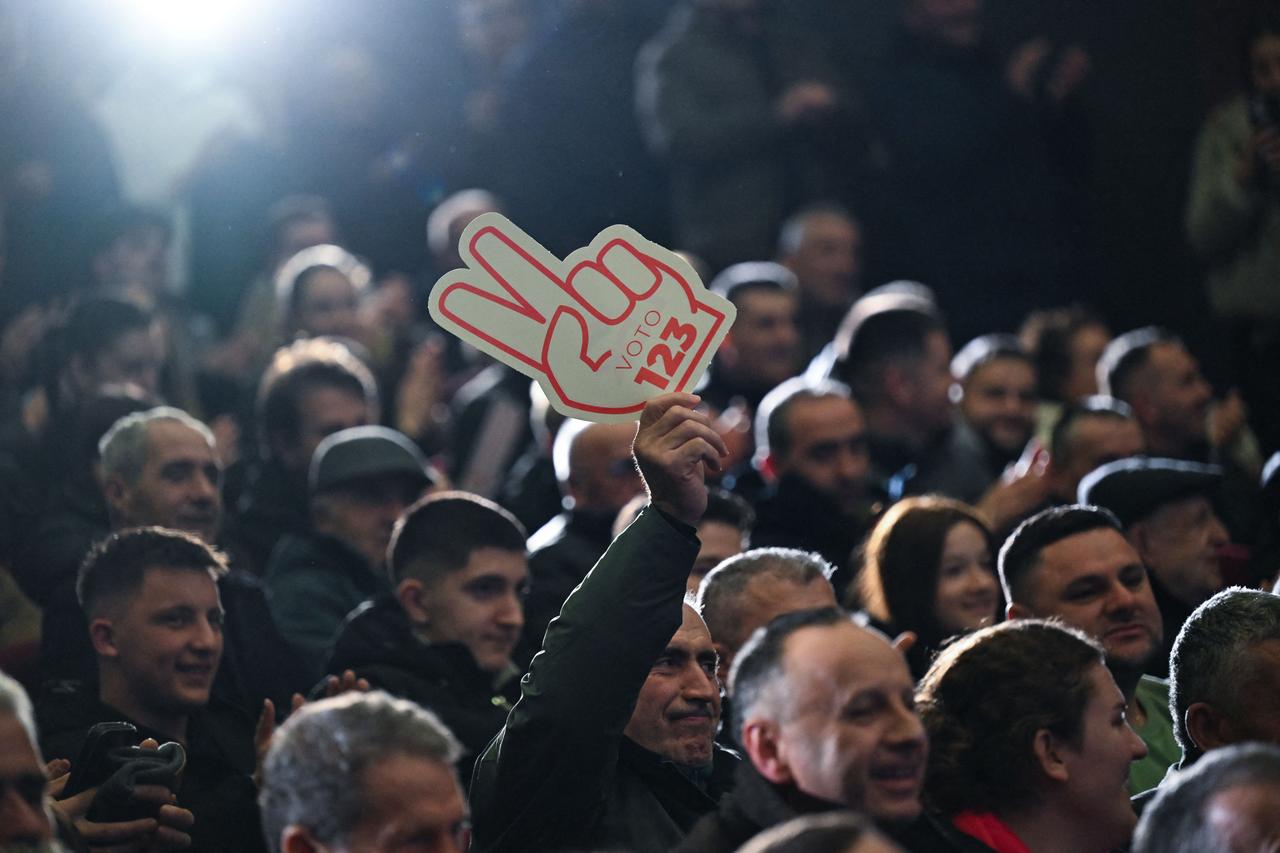
Kurti has campaigned heavily, traveling across the country during a two-week snap campaign. His party remains popular for its anti-corruption agenda, but his confrontational stance toward Serbia has strained relations with Western allies.
Kurti has aggressively dismantled Serbian-backed institutions in northern Kosovo, where ethnic Serbs are concentrated — moves that angered Belgrade and drew sanctions from the European Union.
Washington has accused Kurti’s government of increasing instability, while Brussels froze funding over what it described as Pristina’s role in escalating tensions.
Kosovo declared independence from Serbia in 2008 with U.S. backing, following a 1999 NATO bombing campaign that ended Serbian forces’ crackdown on the ethnic Albanian majority.
Since then, the country of about 1.6 million people has struggled with poverty, political instability and organized crime. Kurti’s previous term remains the only full term completed by a Kosovo prime minister since independence.
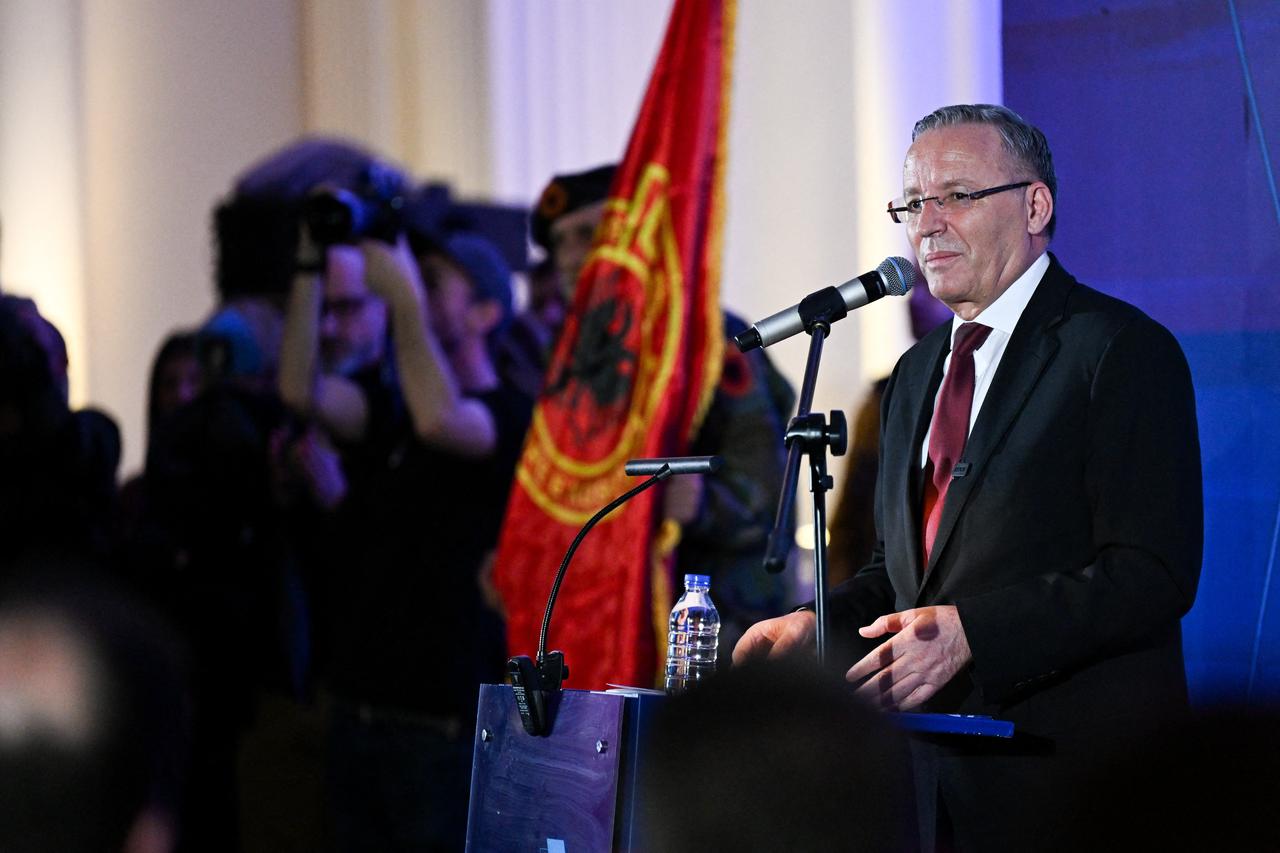
Kurti’s strongest rival is Bedri Hamza, leader of the Democratic Party of Kosovo (PDK).
A former finance minister, central bank governor and three-term lawmaker, Hamza has repositioned the once-dominant PDK as a pro-market, economically liberal party.
Hamza previously served as mayor of South Mitrovica, where he implemented joint projects with the Serb-majority north — experience supporters say could help ease ethnic tensions.
He launched his campaign with a visit to Washington, underscoring the importance of U.S. backing in Kosovo politics.
Another key contender is Lumir Abdixhiku, leader of the Democratic League of Kosovo (LDK).
At 42, Abdixhiku is the youngest prime ministerial candidate, but heads Kosovo’s oldest party. Since taking over after LDK’s 2021 defeat, he has reshaped the party with younger leadership.
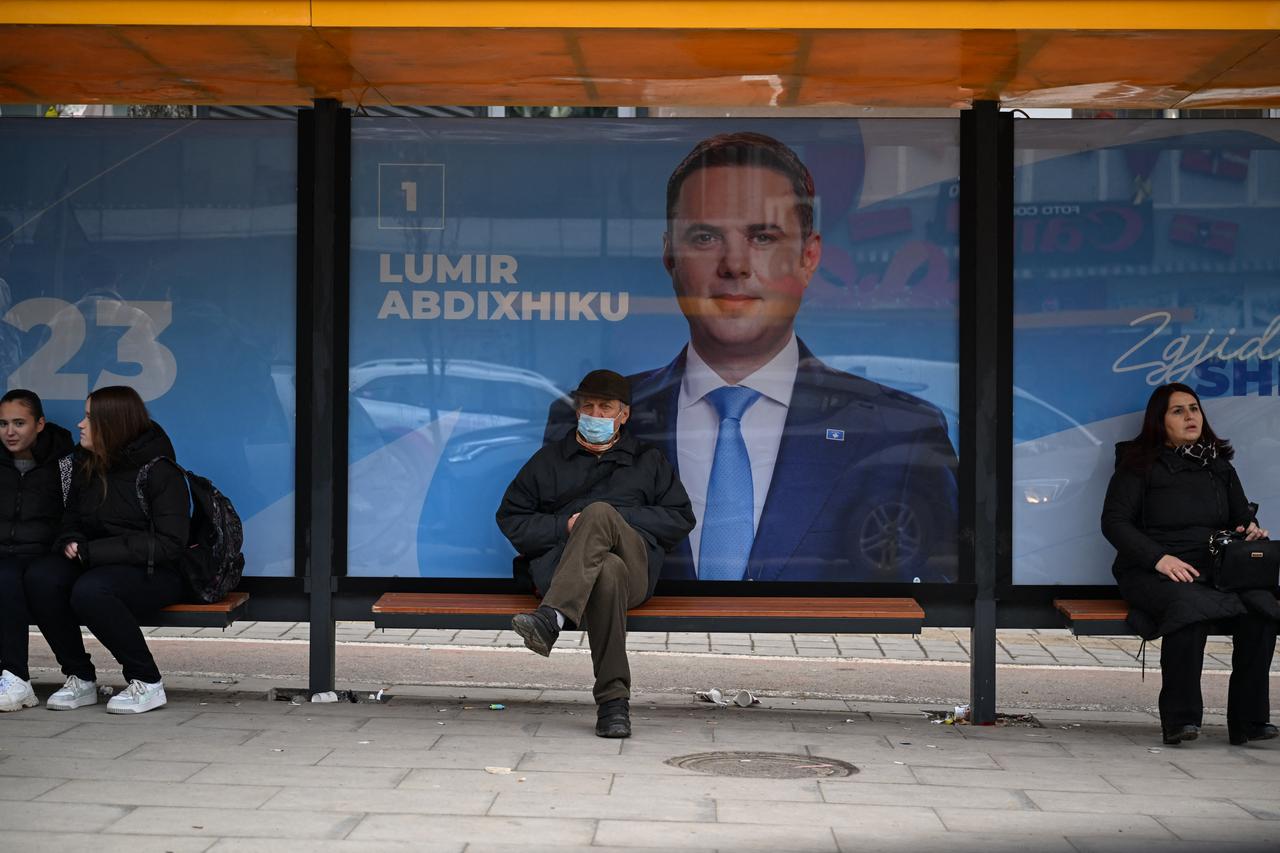
Analysts say the LDK could again play kingmaker, as neither Kurti nor Hamza is expected to secure an outright majority.
Kosovo’s finances have deteriorated during the crisis. Two national elections and a local vote have cost the state at least €30 million this year, while EU sanctions delayed about €880 million in budget support. A further €127 million from the World Bank remains frozen.
The EU has begun lifting measures after Serb mayors took office following October local elections, but funding delays continue to strain one of Europe’s poorest economies.
Polls are not published in Kosovo, making turnout crucial. According to Kosovo Dispatch, around 530,000 members of the diaspora have entered the country in recent weeks, a factor that could significantly boost participation.
Whether that surge is enough to break Kosovo’s political deadlock remains uncertain.


 Set as preferred source
 Set as preferred source


 2 min read


 1 min read