Newsletters


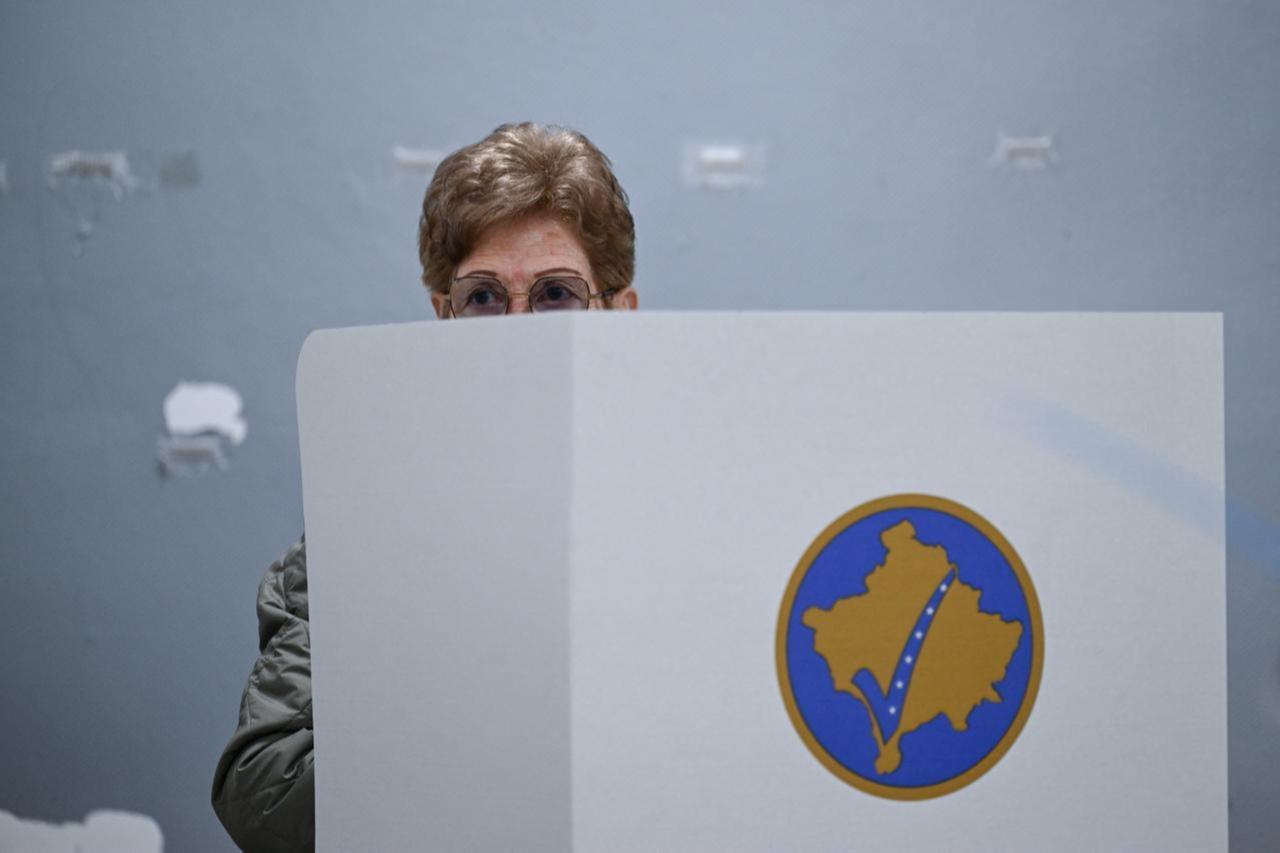


Kosovo voters head to the polls Sunday for the third parliamentary election in 18 months, with frustration mounting over a prolonged political crisis that has stalled the small Balkan nation's ambitions to join the European Union and NATO.
The snap vote was triggered after the country's main political factions failed to meet a March deadline to agree on a successor to former President Vjosa Osmani.
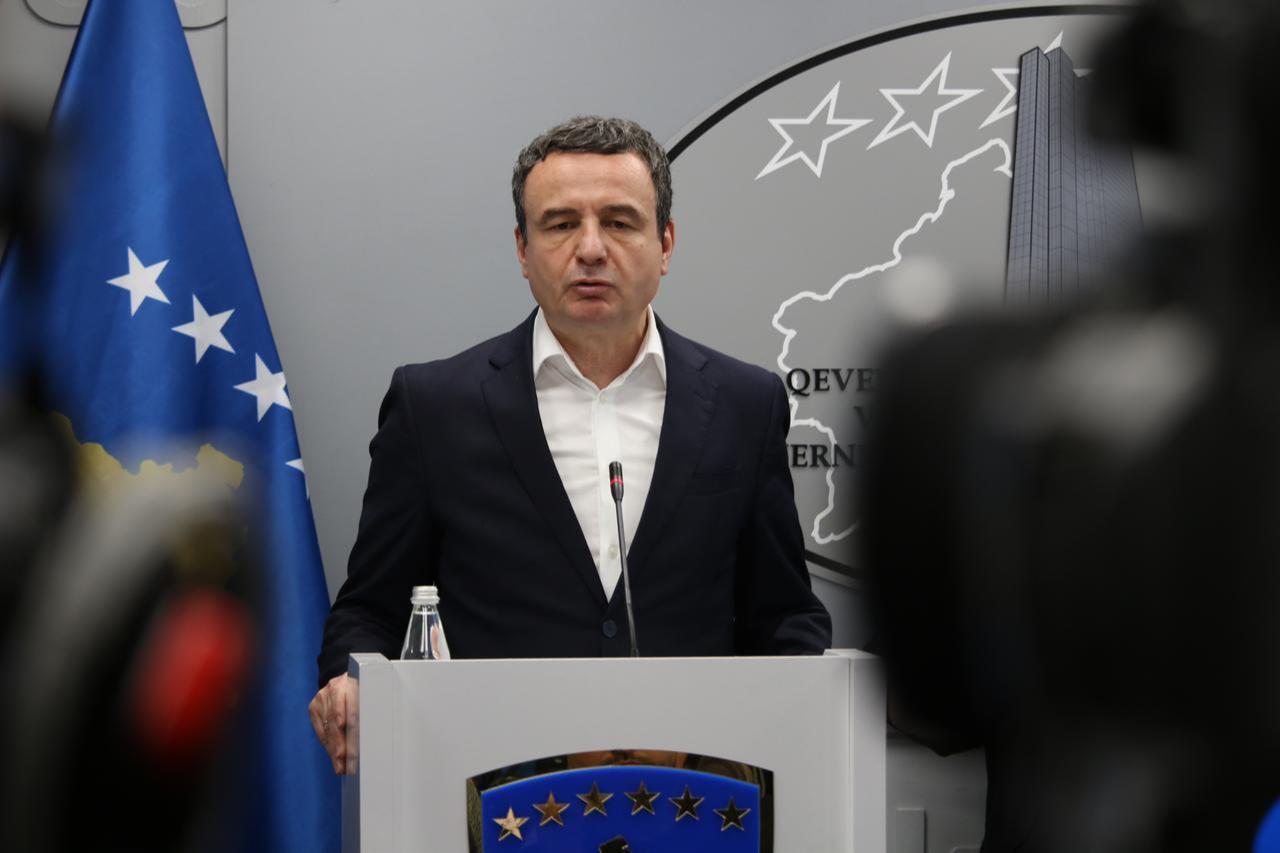
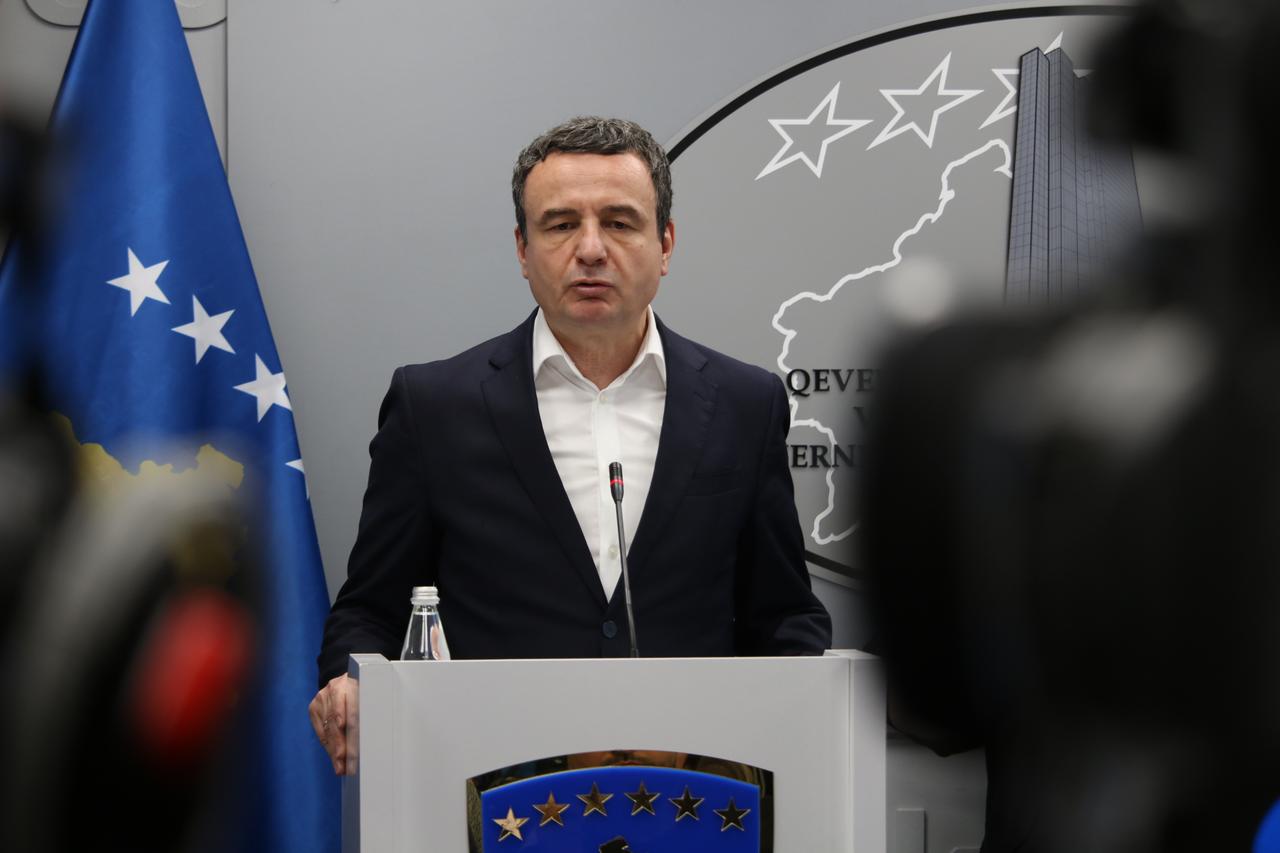
Under Kosovo's constitution, the president must be appointed by at least 80 lawmakers in the 120-seat Parliament, a threshold that Prime Minister Albin Kurti's center-left Vetevendosje party, despite holding a clear parliamentary majority since December, has been unable to reach, as has the opposition.

The deadlock has worn thin the patience of Kosovo's roughly 2 million voters, many of whom say they want their government focused on the economy and living standards rather than on institutional gridlock.
"We will for sure have the same result," said Vlora Kryeziu, 52, a Pristina businessperson. "As a citizen, I have a lot of dissatisfaction, and I think that we as a society are not doing enough to change these things."
The first inconclusive election, held in February 2025, left the country without a functioning government for most of last year, prompting a second vote in December. Sunday's election is the third in that cycle, and analysts are not optimistic about a breakthrough.
Political analyst Artan Muhaxhiri said he does not expect a "tectonic change" from the previous result, when Vetevendosje captured more than 50 percent of the vote.
The deadlock, he warned, is likely to resume, as "there are no indications that political leaders are willing to change their actual stances and narrow the existing gap."
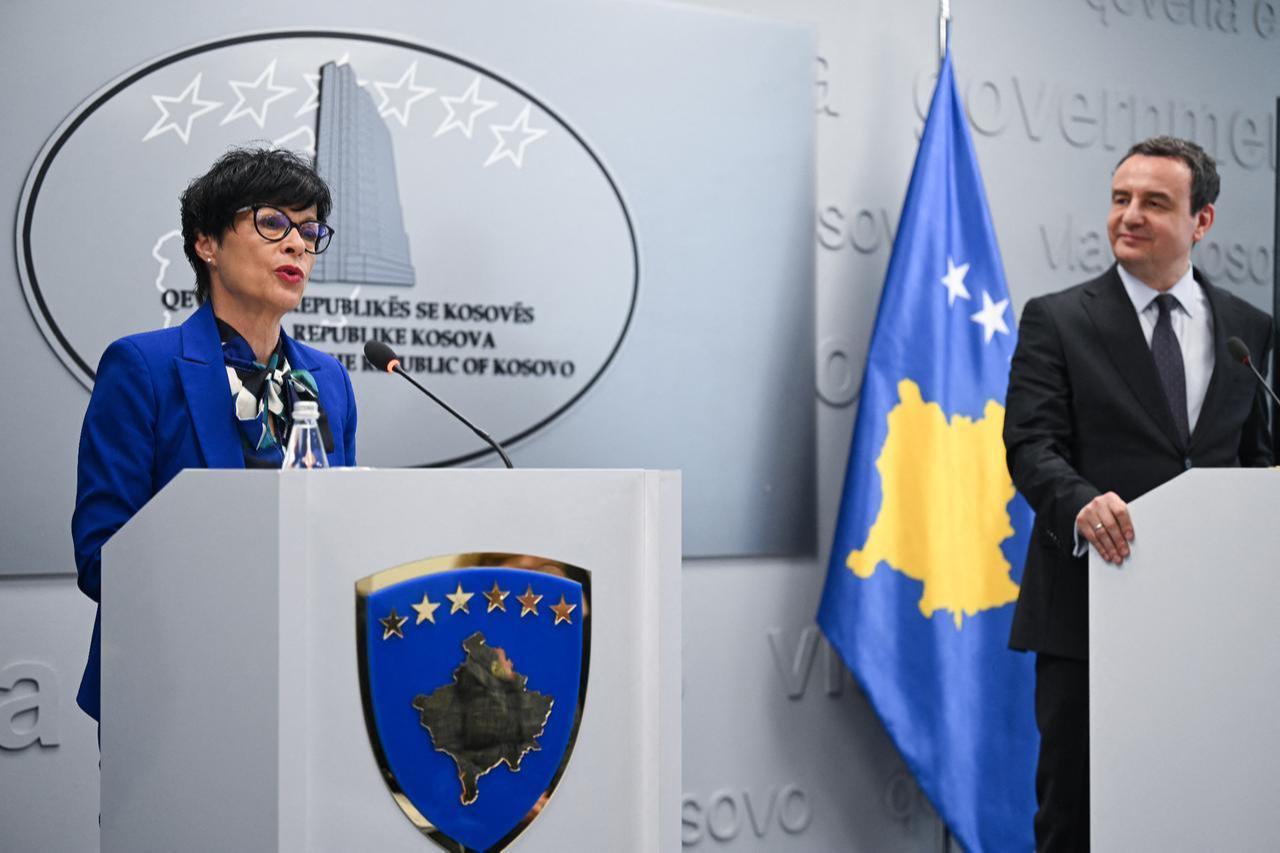
The political paralysis carries real economic consequences for one of Europe's youngest and poorest countries. The institutional vacuum has delayed Kosovo's access to EU and other international funding, while the country has also been hard hit by the global energy crisis and rising fuel prices.
European Council President Antonio Costa traveled to Pristina this week to press the country's leaders to resolve the impasse. "The European Union can support Kosovo, but it cannot do Kosovo's own homework," he said.
"Kosovo needs strong, stable and functioning institutions capable of delivering reforms and seizing the opportunities the European Union offers."
Kosovo declared independence from Serbia in 2008, following a 1998-99 war that ended with NATO airstrikes forcing Serbian forces to withdraw.
It has since been recognized by the United States and most EU member states, but not by Serbia, Russia, or China. Both Pristina and Belgrade have been told that improving bilateral relations is a prerequisite for advancing their respective EU membership bids.
Kurti has campaigned for another mandate, accusing opposition parties of engineering an "artificial crisis" and forcing repeated elections against "the strong and clear will of the people."
The Democratic Party of Kosovo and the Democratic League of Kosovo have countered that Kurti is seeking to consolidate control over all of the country's political institutions.
Among his sharpest critics is Osmani, the former president, who now appears on the LDK party list after Kurti declined to back her for a second term, ending what had been a close political alliance.
At a closing rally in Pristina on Friday, she accused Kurti's government of having "built walls between people and fueled division." "We have seen politics that has no other vision than complete control," Osmani said.


 Set as preferred source
 Set as preferred source


 1 min read
 1 min read