Newsletters


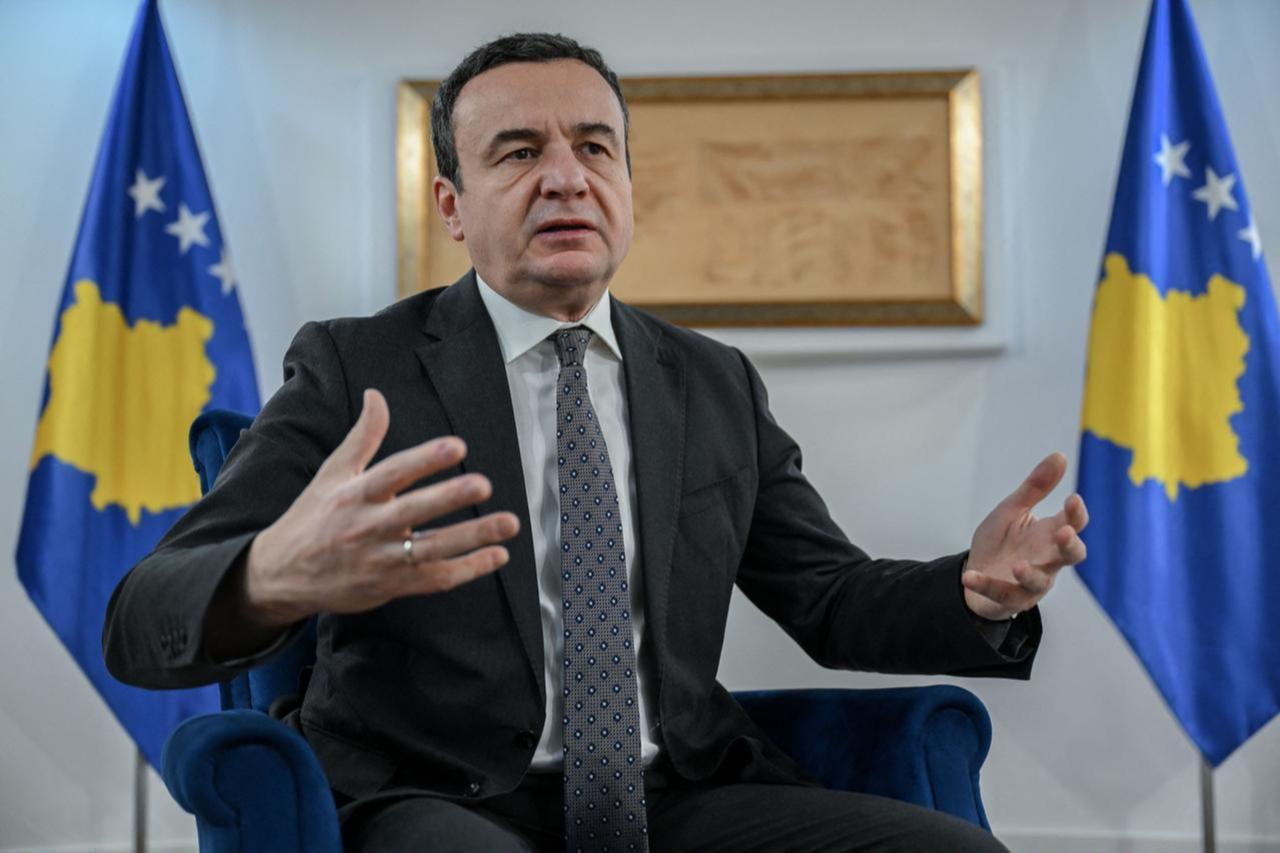


Kosovars will cast ballots in snap elections on Sunday, with experts predicting the vote is unlikely to resolve the political crisis that has paralyzed Europe's youngest country for nearly a year.
The Balkan nation has been locked in a political stalemate since February's inconclusive election, when outgoing Prime Minister Albin Kurti's Vetevendosje party won the most votes but failed to secure enough seats to form a government.
After months of parliamentary gridlock, the caretaker prime minister is returning to voters in an election that analysts say will bring minimal change to the fractured political landscape.
Economist Mehmet Gjata predicted Kurti's party would again finish first but warned that clarity would remain elusive. Political analyst Fatime Hajdari agreed that chances were high for a Vetevendosje victory while noting that little else appeared certain about the outcome.
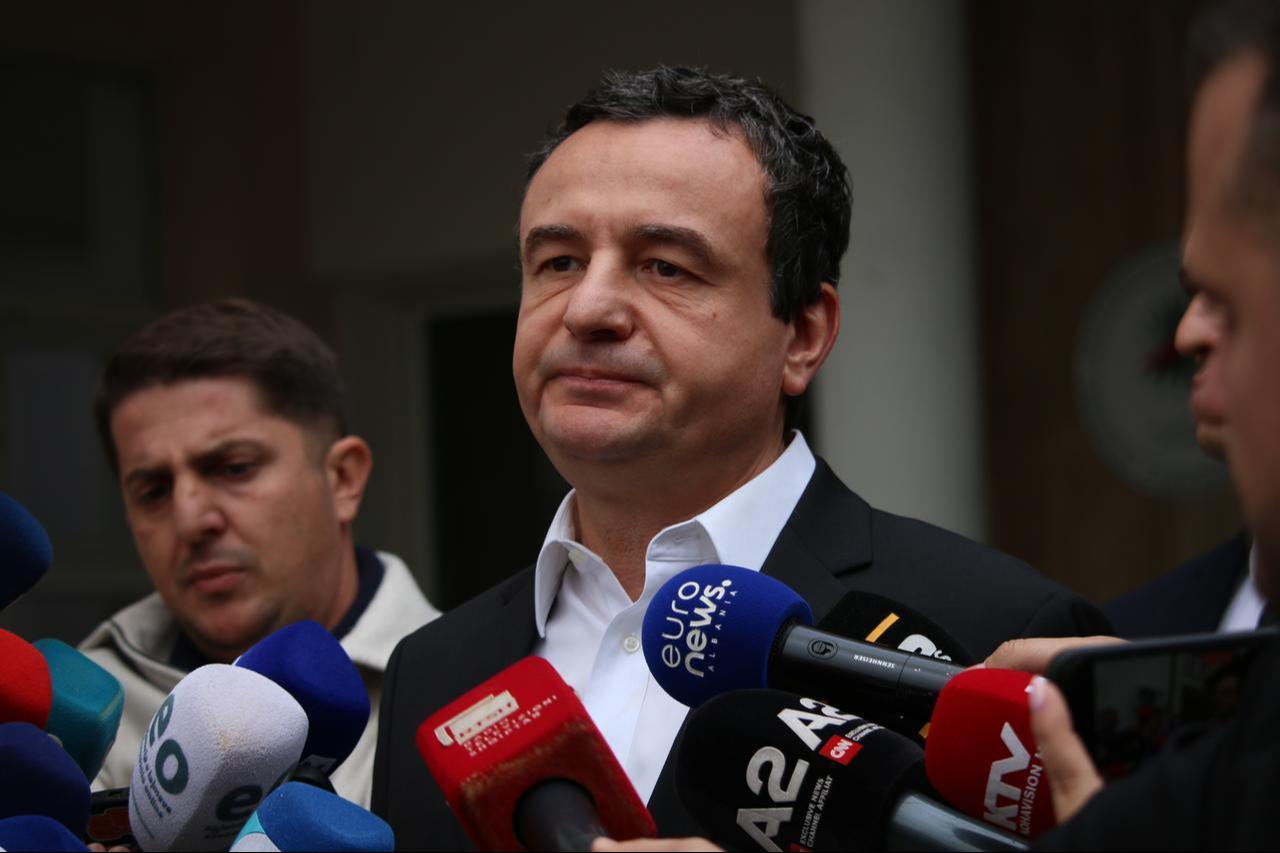

If anyone can secure a governing majority, Kurti has demonstrated rare electoral strength in Kosovo's brief history as an independent state. The 50-year-old left-wing leader swept to power in 2021 with the largest electoral victory since the country's 2008 independence from Serbia, capturing over 50 percent of the vote.
Once dubbed Kosovo's Che Guevara for his radical activism, Kurti's journey from student protester to political prisoner to prime minister has made him one of the country's most recognizable politicians. His combination of nationalism and reform messaging has resonated in a nation whose sovereignty remains contested by Serbia more than two decades after its war for independence ended.
However, Gjata expressed concern that political dynamics may have shifted since Kurti's last term. He warned that Vetevendosje would likely fall short of the 50% threshold needed to govern alone, creating another deadlock scenario with no clear winner.
The major opposition parties have refused to join a Kurti-led coalition, virtually guaranteeing continued parliamentary fragmentation. Former foreign minister and opposition candidate Enver Hoxhaj suggested that only cooperation among the three main opposition parties could provide stability and pose a realistic challenge to Vetevendosje's dominance.

Kurti's efforts to counter Serbian influence in Kosovo have become a defining feature of his leadership, generating strong domestic support while drawing international rebuke. When Serbian forces withdrew under NATO bombardment in 1999, they left behind state structures serving ethnic Serbs who predominantly inhabit northern Kosovo.
Kurti has characterized these services as instruments of intimidation and control, spending much of his second term dismantling the system and provoking anger in Belgrade. The resulting tensions in the north, which erupted into violence in 2023, prompted sanctions from the European Union and accusations from Washington that Kurti's government was increasing regional instability.
Among his supporters, however, removing Serbian influence remains broadly popular. Hajdari noted that citizens perceive the extension of Kosovo's sovereignty into northern areas as a major achievement.
Most opposition parties avoid confronting the issue directly, but the Serb List—which contests and typically retains most of the 10 parliamentary seats reserved for ethnic Serbs—regularly opposes Kurti's northern agenda.
The minor party, which maintains close ties to Belgrade, has previously labeled the government's actions in the north as ethnic cleansing and expressed willingness to work with other parties to prevent Kurti from returning to power.
The absence of a functioning parliament has prevented ratification of key international agreements, putting hundreds of millions of euros in assistance funds at risk. Two national elections and one local vote have cost one of Europe's poorest nations at least €30 million ($35.31 million) this year alone.
More than a dozen government institutions and agencies have been left without leadership as managers' mandates expired without new appointments. Gjata described the economic damage from months of legislative division as colossal, saying divided lawmakers have placed Kosovo in a state of anarchy.
According to an analysis by the GAP Institute for Advanced Studies, a Kosovo think tank, sanctions have resulted in approximately €613 million being suspended or paused. The cultural sector has absorbed a €15 million hit, with institutions like the historic Lumbardhi cinema in Prizren waiting years for promised EU-funded renovations that were suddenly withdrawn.
Cinema director Ares Shporta described cultural venues as collateral damage in a broader geopolitical contest after Brussels imposed sanctions over heightened tensions between the government and ethnic Serb communities. The caretaker government has warned that more than 200 million euros will be lost permanently due to failure to ratify international agreements.
Njomza Arifi, executive director of the NGO Group for Legal and Political Studies, noted that Kosovo—once the top beneficiary of the EU Growth Plan in the Balkans—now trails most regional neighbors in accessing funds. While other countries have already received second tranches of assistance, Kosovo remains at ground zero.
Hajdari emphasized that citizens would ultimately bear the cost of the crisis, underscoring Kosovo's need for a stable and functional government focused on development and welfare.


 Set as preferred source
 Set as preferred source


 1 min read
 1 min read