Newsletters


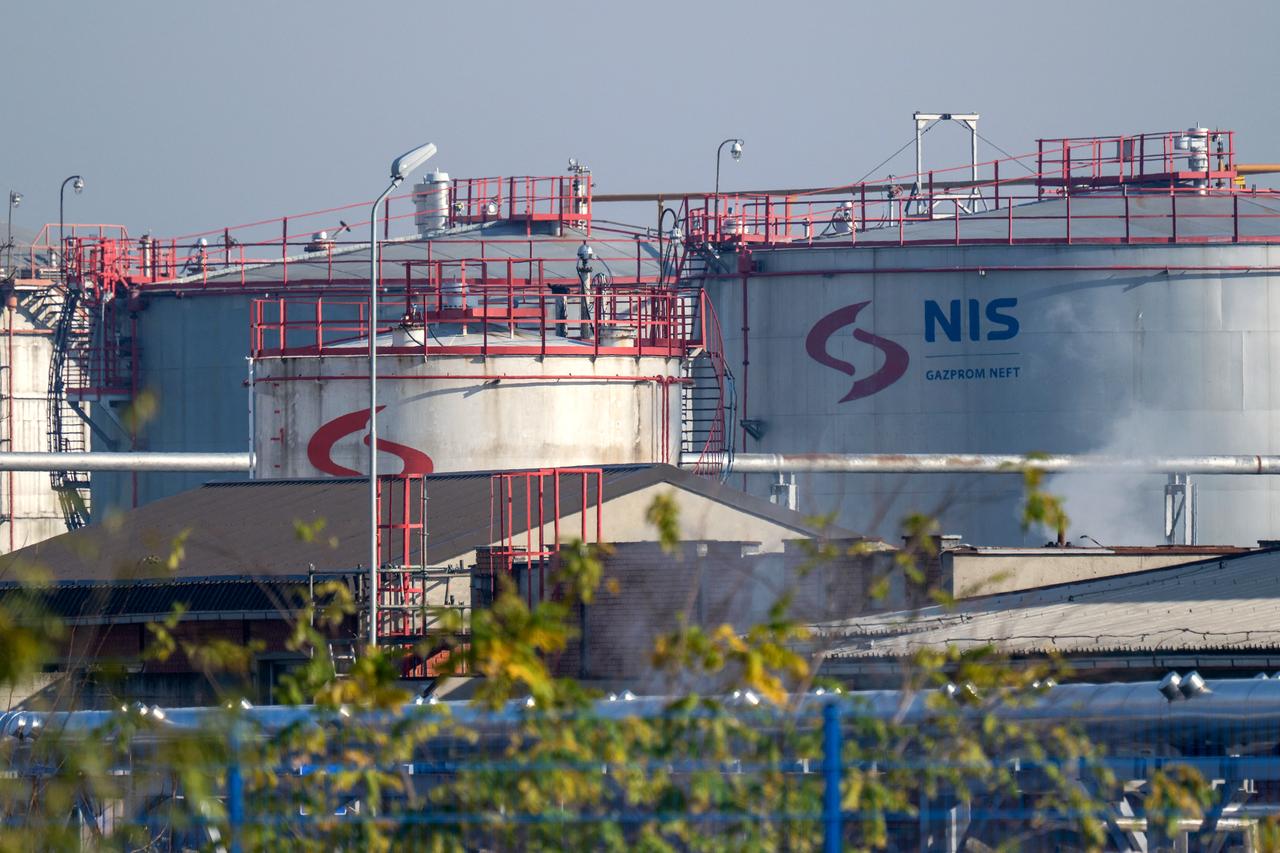


Serbia supports negotiations between the Russian owners of the country’s sanctioned oil firm Petroleum Industry of Serbia (NIS) and Hungary’s MOL over the potential sale of a majority stake, Serbian Energy Minister Dubravka Djedovic Handanovic said Thursday, according to the Serbia's Tanjug news agency.
“NIS has contacted the U.S. Office of Foreign Assets Control (OFAC) about this. The Hungarian MOL did the same. The government of Hungary supported these talks and we, as the government of Serbia, will also provide support, all in finding a solution to remove the sanctions and to create conditions for granting an operating license to NIS,” Djedovic Handanovic said.
NIS, which operates Serbia’s only oil refinery, is majority owned by Russian companies and was hit by U.S. sanctions targeting Moscow’s energy sector after Russia invaded Ukraine in 2022.
The measures took effect Oct. 9, halting crude supplies via Croatia’s JANAF pipeline and forcing the refinery in Pancevo to shut down in early December after exhausting reserves.
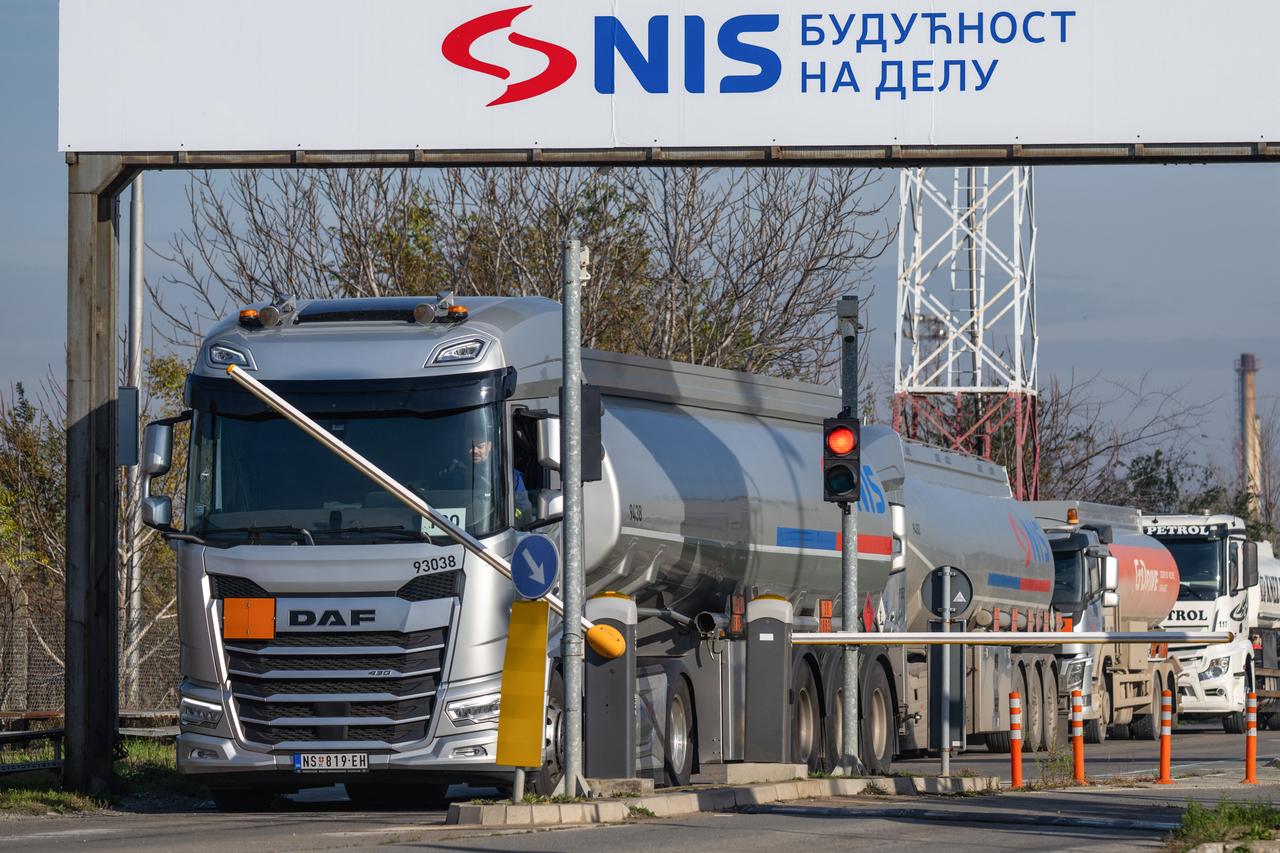

Russia’s Gazprom holds an 11.3% stake in NIS, while its oil arm Gazprom Neft owns 44.9%. The Serbian government holds 29.9%, with the remainder owned by small shareholders and employees.
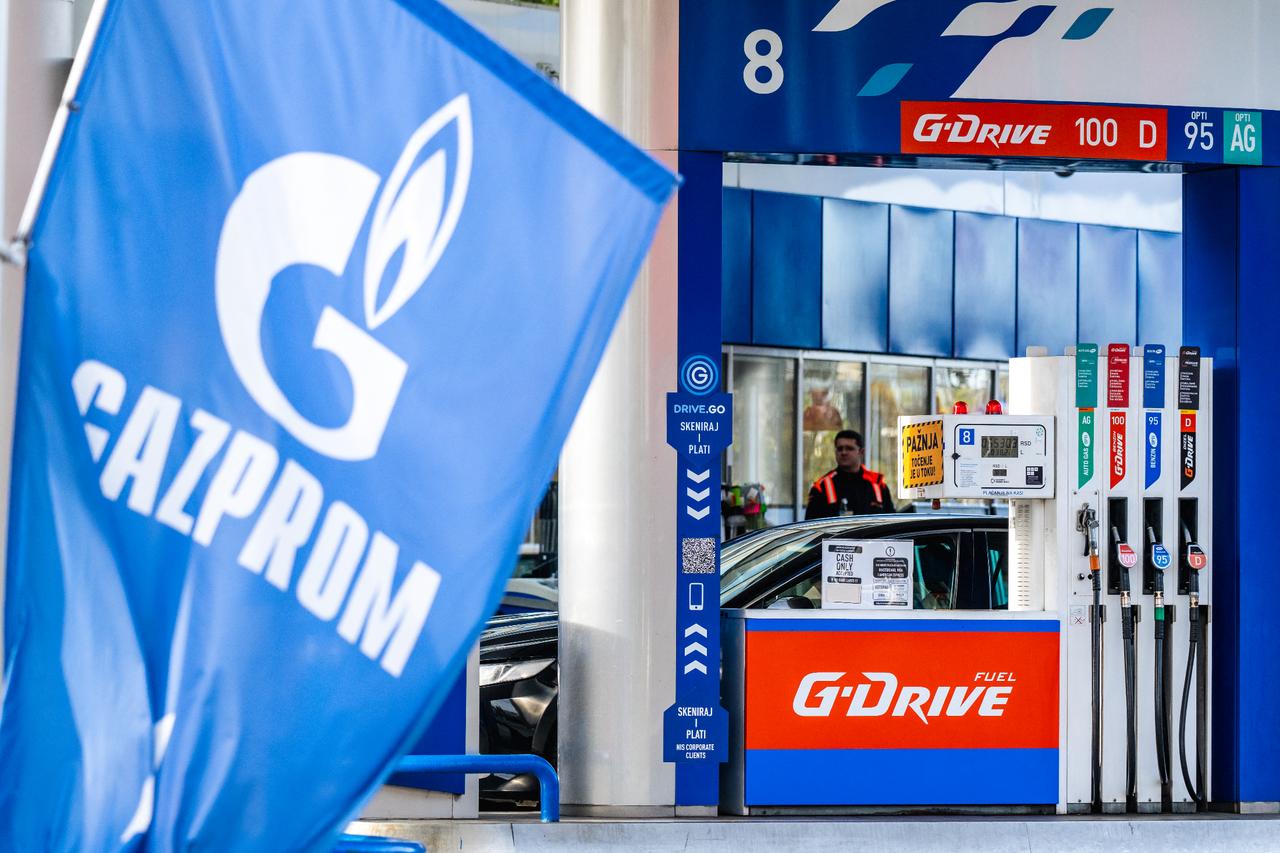
Before the shutdown, NIS supplied about 80% of Serbia’s fuel, according to trade ministry data.
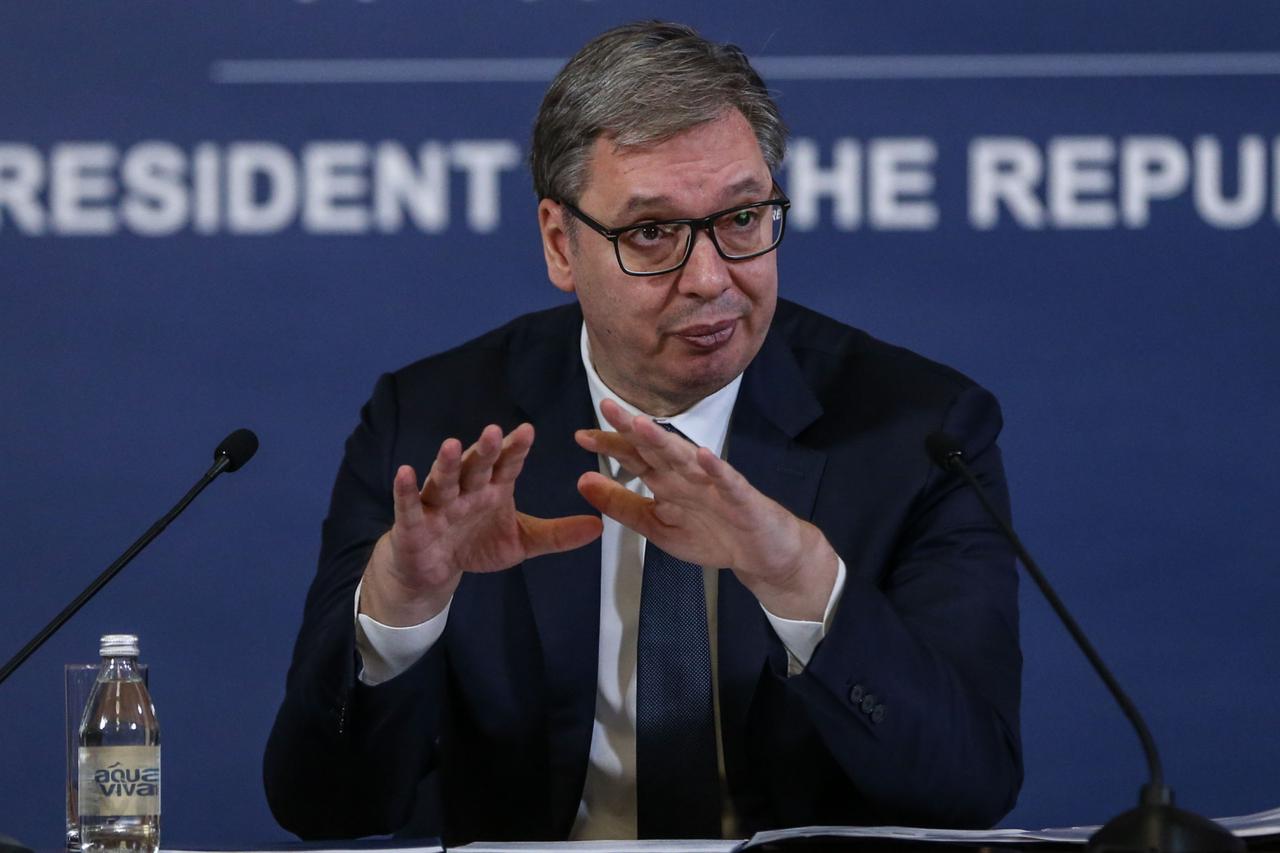
Serbian President Aleksandar Vucic said earlier this week that MOL was in talks with the Russian shareholders about a possible stake sale.
On Wednesday, OFAC granted NIS until March 24 to negotiate the sale of the Russian stake, but did not approve an operating license that would allow the company to buy and process crude oil.
Serbia has set a mid-January deadline for the sale, warning it could appoint its own management and offer a buyout if no agreement is reached. Belgrade says the sanctions are causing heavy losses.
The oil talks come as Serbia also seeks to secure energy supplies.
Meanwhile, Vucic said Tuesday that Serbia agreed to extend a gas supply arrangement with Russia by three months, until March 31, as it struggles to finalize a long-term contract after a three-year deal expired this summer.
Serbia remains heavily dependent on Russian gas, though it also imports smaller volumes from Azerbaijan and produces some domestically.


 Set as preferred source
 Set as preferred source


 1 min read
 1 min read