Newsletters


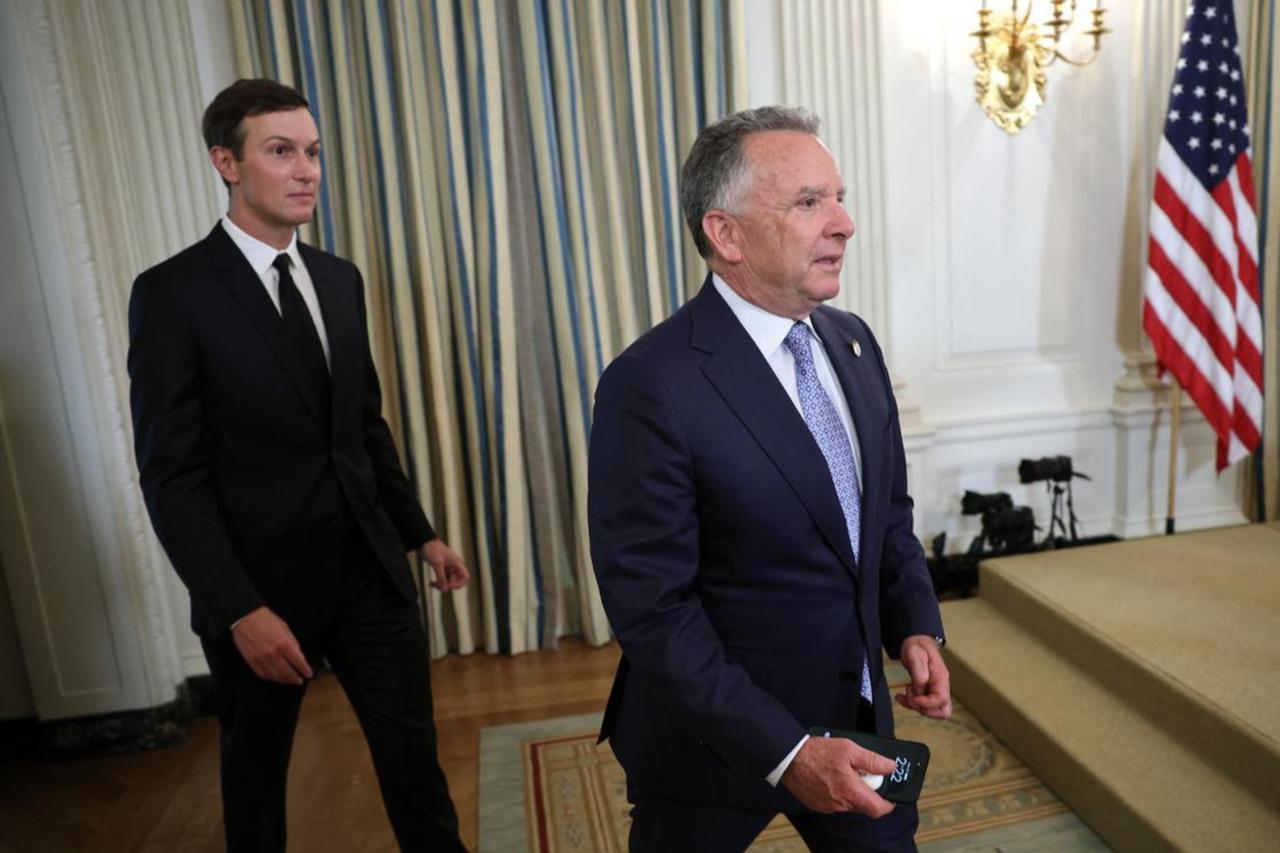


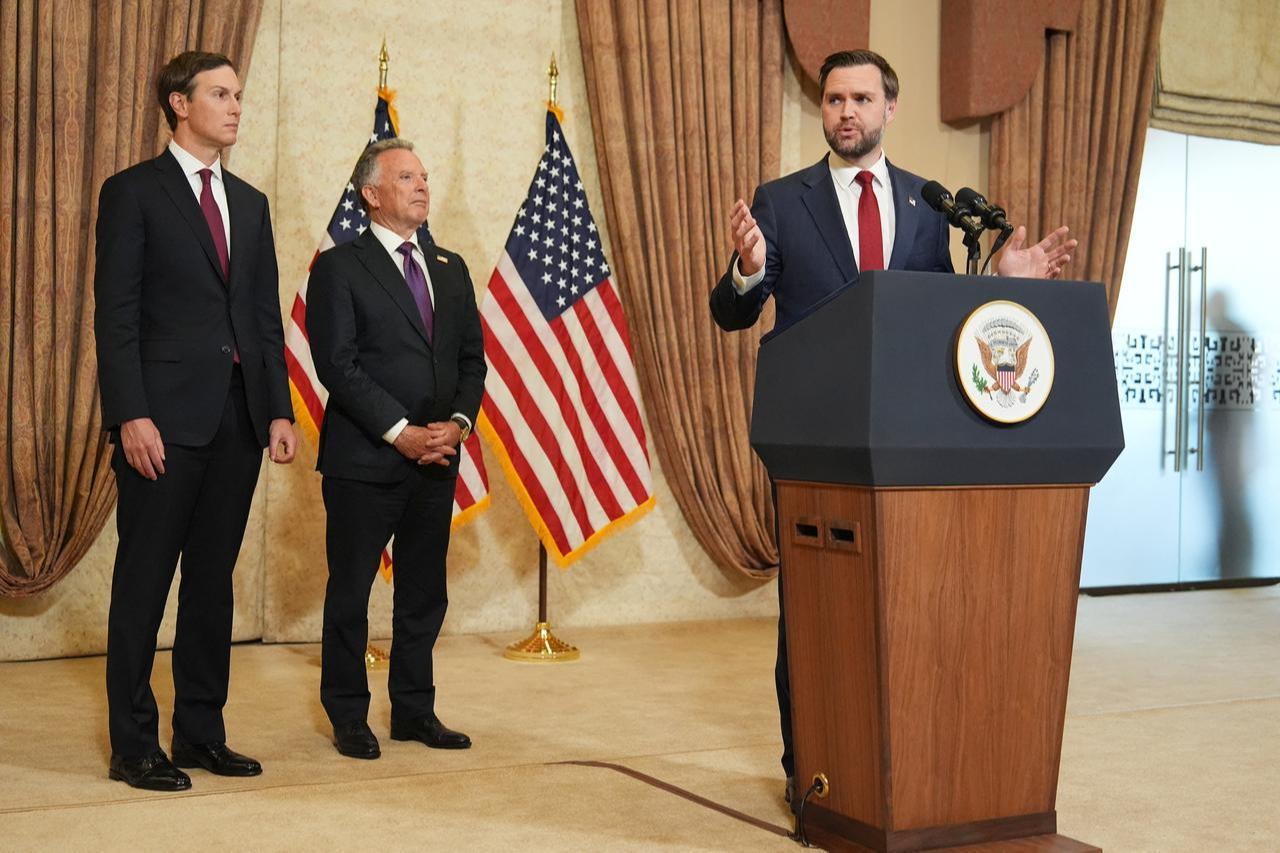
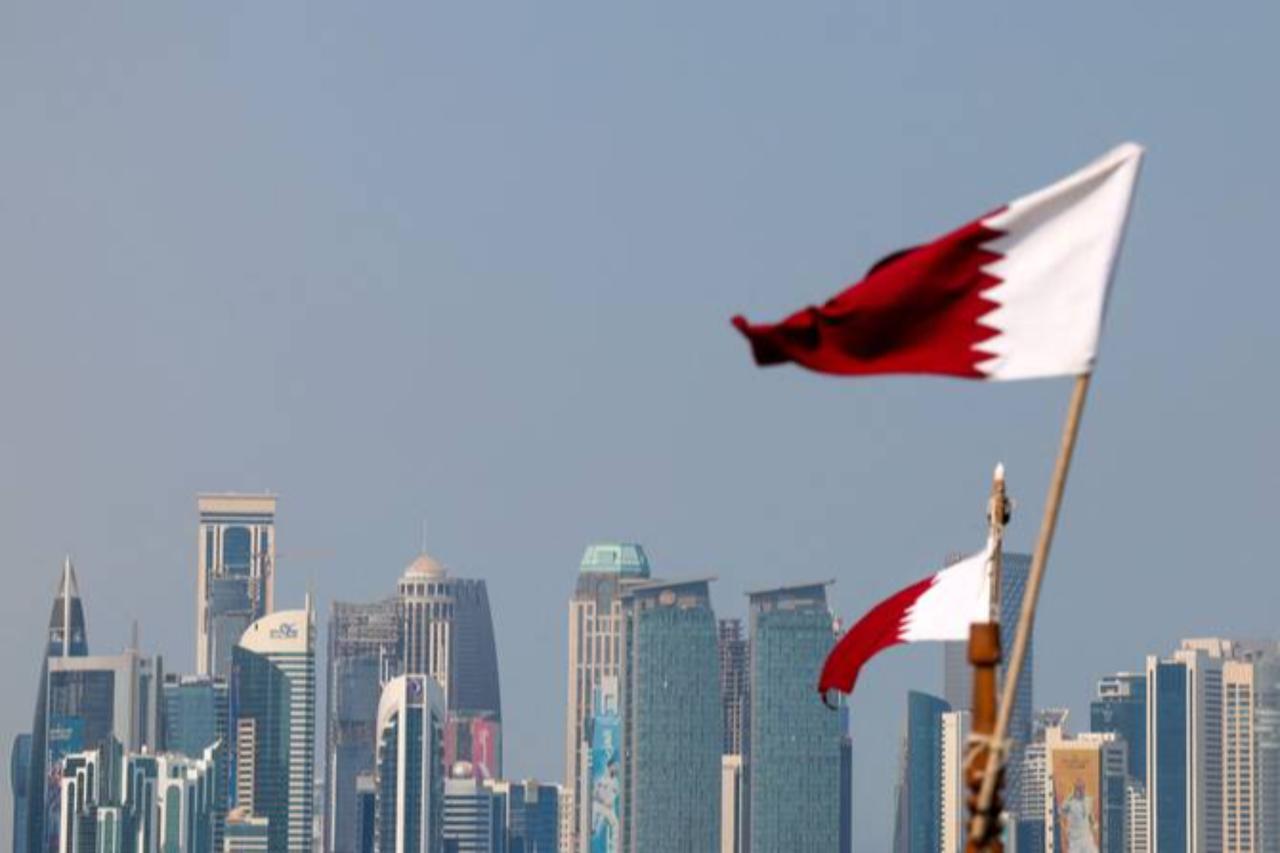
Iran confirmed Monday that a delegation of experts would travel to Doha to discuss implementation of a memorandum of understanding signed with the United States, a move that puts Tehran's technical team across the table from a high-profile American delegation that includes presidential adviser Jared Kushner and US envoy Steve Witkoff.
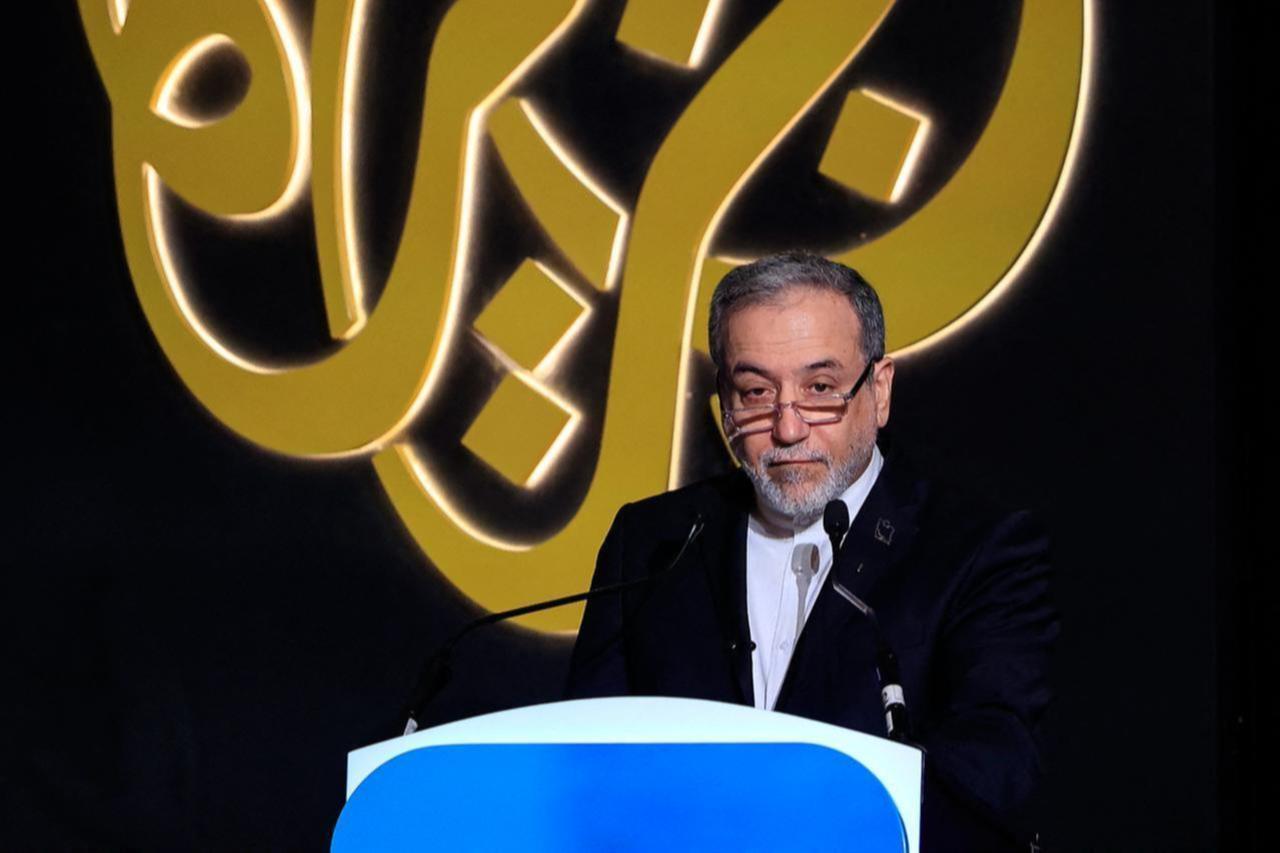
Foreign ministry spokesman Esmaeil Baqaei said the expert delegation would travel to the Qatari capital to work through the technical clauses of the memorandum, while drawing a careful distinction between those discussions and formal negotiations.
"We have not yet entered the stage of negotiating a final agreement," he said, adding that "over the coming days, we will not have any negotiation meetings with the US side at any level."
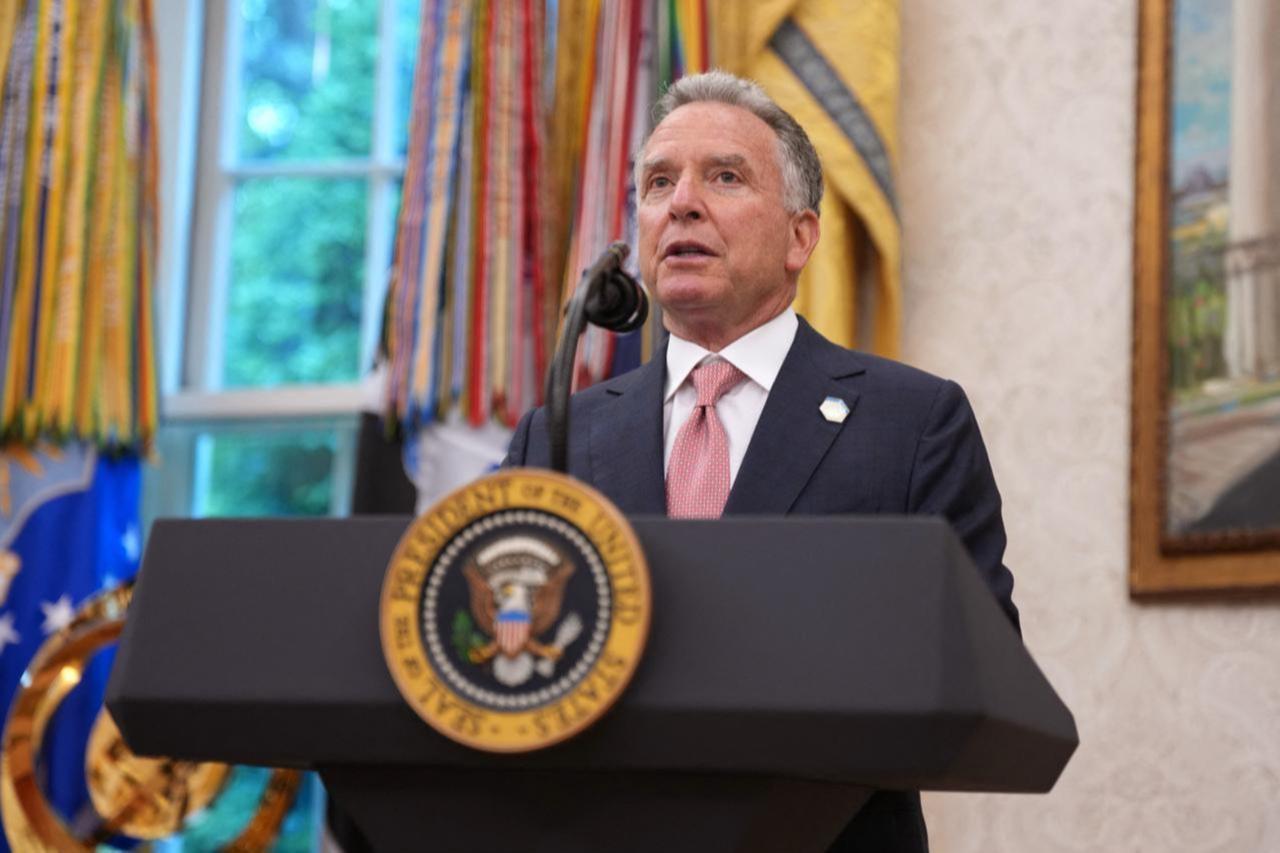
The White House confirmed Witkoff and Kushner would fly to Doha for the meetings. Spokeswoman Karoline Leavitt told Fox News the senior-level visits would run in parallel with technical discussions.
U.S. President Donald Trump had earlier announced on Truth Social that Iran had requested a meeting and that it would take place Tuesday in Doha.
Iran's deputy foreign minister Kazem Gharibabadi, however, denied that technical talks were planned for the week, adding a contradictory note to an already complicated diplomatic picture.
A diplomat with knowledge of the talks confirmed to AFP, on condition of anonymity, that US and Iranian officials were due to meet in Doha. "Technical teams working on the implementation of the MoU are scheduled to meet in Doha in the coming days," the diplomat said.
A separate US official told AFP that negotiations would continue despite recent military exchanges, and that both sides had agreed to stand down, allowing vessels to move freely in and around the Strait of Hormuz.
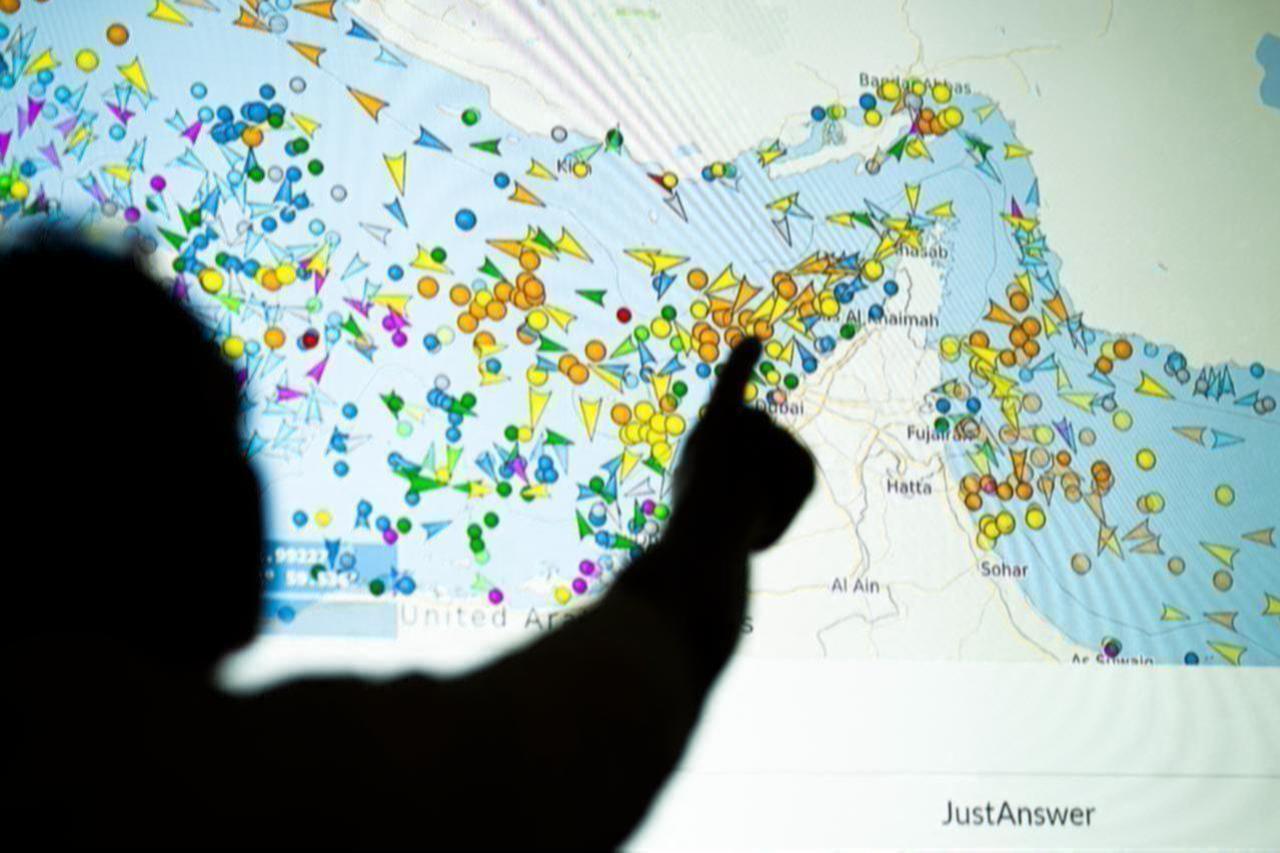

The diplomatic activity comes as the Strait of Hormuz, a chokepoint through which roughly a fifth of the world's oil and liquefied natural gas passed before the conflict, has become a flashpoint threatening to derail the deal's implementation.
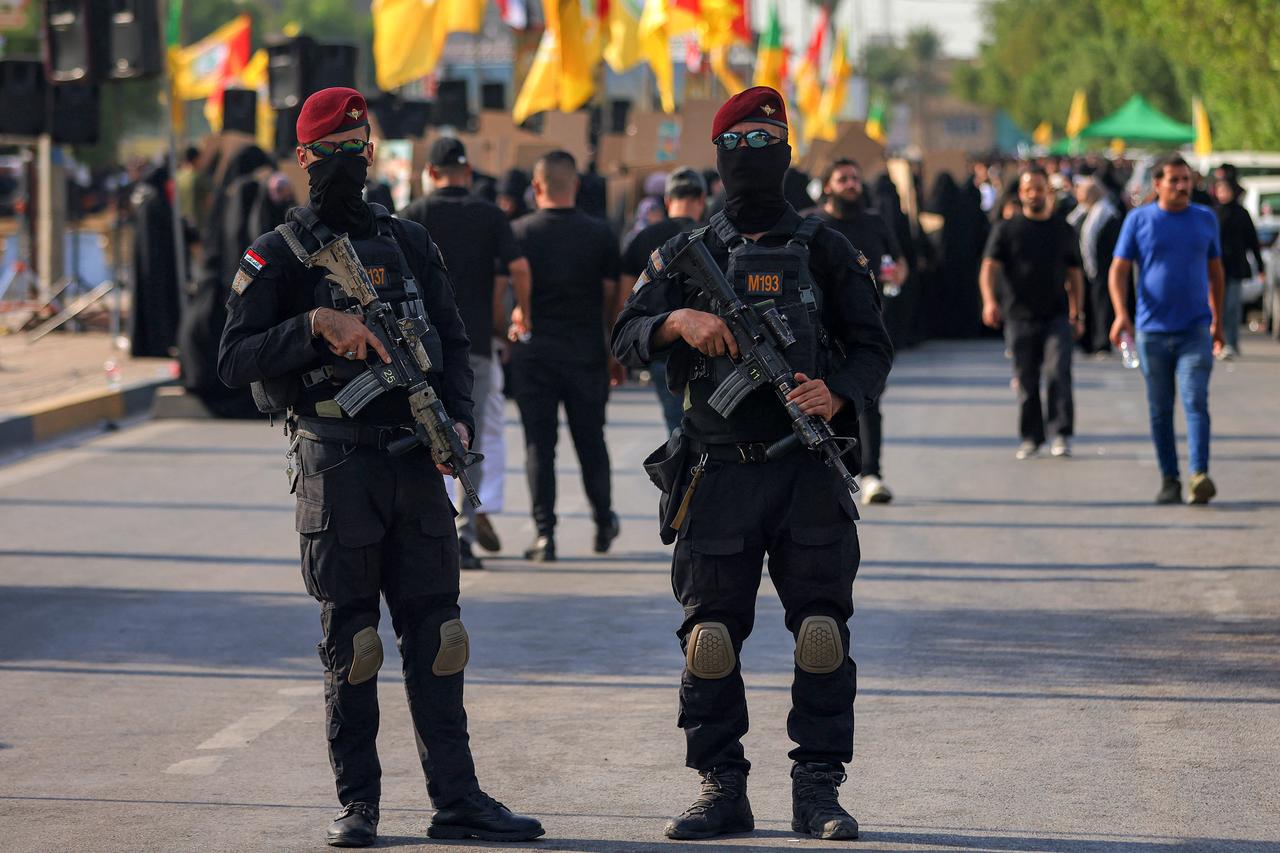
US Central Command said early Sunday it had struck 10 Iranian military targets over what it described as continued Iranian aggression against commercial shipping. Iran said it retaliated with strikes against US bases in Kuwait and Bahrain.
Leavitt acknowledged the military exchanges while insisting Washington remained committed to the peace process. "The president's direction, the US responded to attacks on commercial vessels and that will continue," she said, "but hopefully we won't see that."
Shipping traffic slowed sharply over the weekend. Data from maritime tracking firm Kpler showed 29 commodity vessels crossing the strait on Saturday and only 12 on Sunday, after a vessel was struck while transiting the waterway.
An additional 44 vessels had stopped publicly transmitting their location, according to AXSMarine. No vessels used a southern corridor through Omani waters.
Iran's Revolutionary Guards said they were taking measures to control traffic in the strait and that vessels violating those measures would be dealt with more firmly than before.
Mohammad Mokhber, an adviser to Iran's supreme leader, warned on X that as long as Iran managed the strait, Washington's "hegemonic dreams in the region will not be realised."
Further complicating implementation, a dispute over de-mining operations emerged Monday after France and Oman issued a joint statement following a meeting between French President Emmanuel Macron and Omani Sultan Haitham bin Tariq, saying the two countries would conduct joint de-mining operations in the strait.
Gharibabadi pushed back sharply, insisting on X that under the memorandum only Iran was authorized to conduct such efforts. "The situation is sensitive and complex," he wrote, advising France not to "complicate it further with its provocations."
The published text of the memorandum states that Iran will define the future administration of the strait in dialogue with Oman and other Gulf states, but in line with international law.
Iran has insisted that ships transiting the strait pass through a corridor near its own shores, warning Sunday that any attempt to bypass its preferred route would increase tensions.
Under customary international law, neither Iran nor Oman can generally block passage or levy tolls on vessels crossing through their respective territorial waters.
Iran and Oman held the first meeting of a newly established Joint Hormuz Committee on Monday. Gharibabadi said the sides reviewed current issues related to the strait and exchanged views on its future management.
The first round of negotiations, held in Switzerland with Qatar and Pakistan serving as mediators, concluded June 21.
According to a joint statement from the Qatari and Pakistani foreign ministries, the parties agreed to establish a high-level committee to oversee the political dimensions of the mediation effort and set a 60-day roadmap for reaching a final agreement.
Analysts cautioned that the Hormuz dispute is unlikely to resolve quickly. For Iran, "a drawn-out negotiation accompanied by controlled pressure in the strait can work to its advantage," said HA Hellyer of the Royal United Services Institute, a London-based think tank.
With the 60-day clock running and key questions over shipping routes, de-mining authority and the scope of the memorandum still unresolved, diplomats and observers anticipate further incidents in the strait before any durable arrangement takes hold.


 Set as preferred source
 Set as preferred source


 1 min read
 1 min read