Newsletters


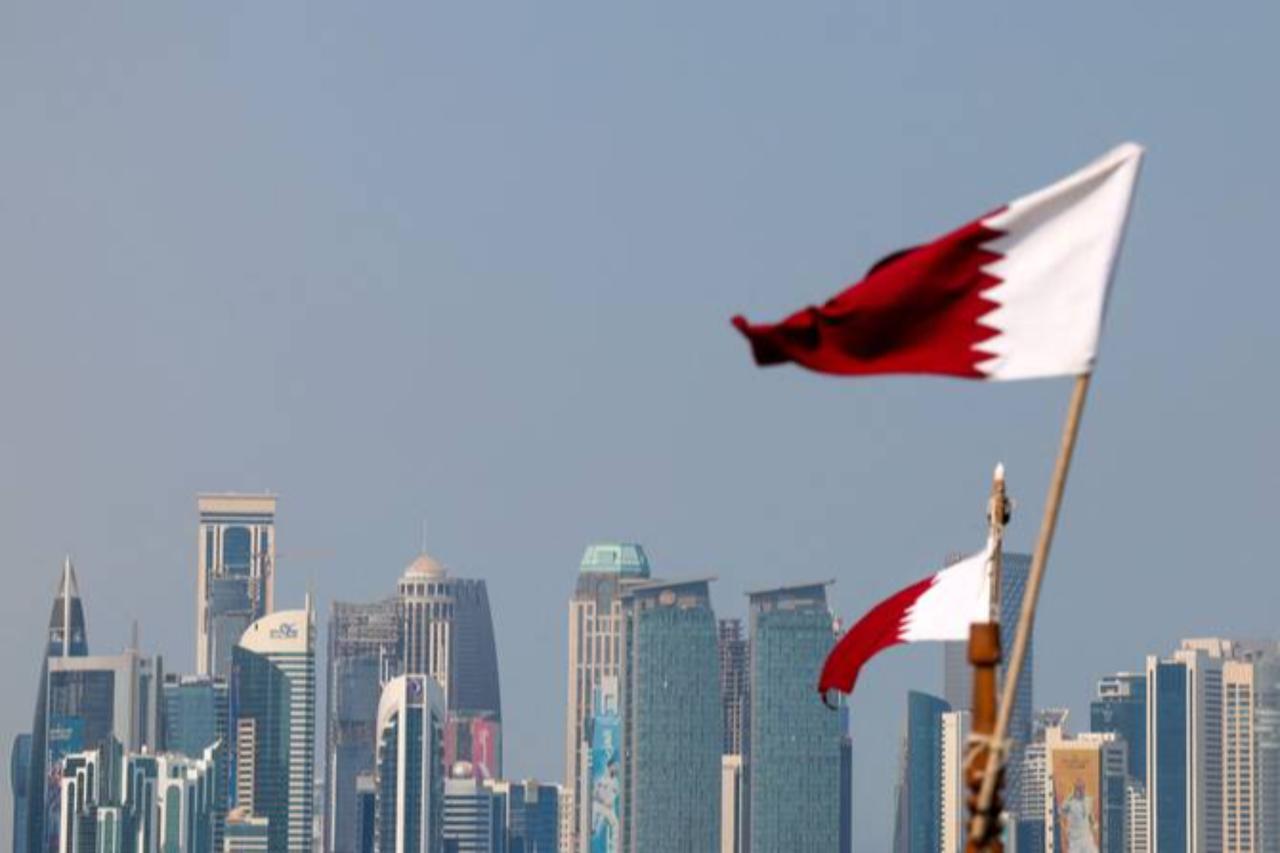


The United States and Iran are set to hold indirect preparatory meetings in Doha this week ahead of the formal signing of a deal aimed at ending the Middle East war, a diplomat told Agence France-Presse (AFP) on Monday.
“Separate preparatory meetings with each side will now take place in Doha this week, ahead of the official signing in Switzerland and the start of the technical talks,” the diplomat said, speaking on condition of anonymity because of the sensitivity of the arrangements.
The source added that Qatari mediators departed Tehran after “17 hours of intensive negotiations” that began on Sunday and culminated in an agreement.
The development came after Pakistani Prime Minister Shehbaz Sharif announced early Monday that the United States and Iran had reached an agreement following intensive negotiations, with both sides declaring an immediate and permanent end to military operations across all fronts, including in Lebanon.

Despite announcing a breakthrough, Washington and Tehran have presented sharply different interpretations of the agreement.
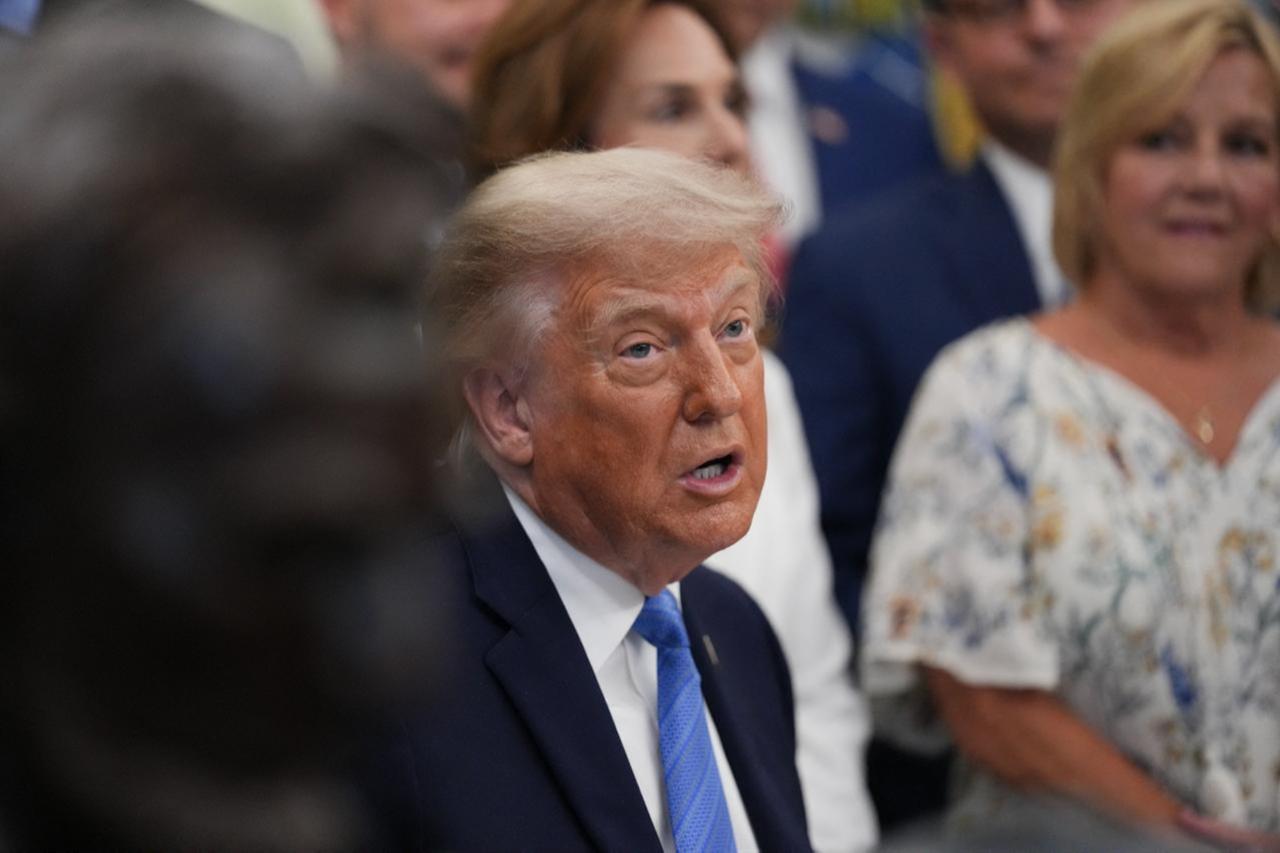
U.S. President Donald Trump declared Sunday that a peace deal with Iran had been completed, announcing the reopening of the Strait of Hormuz and the end of the U.S. naval blockade.
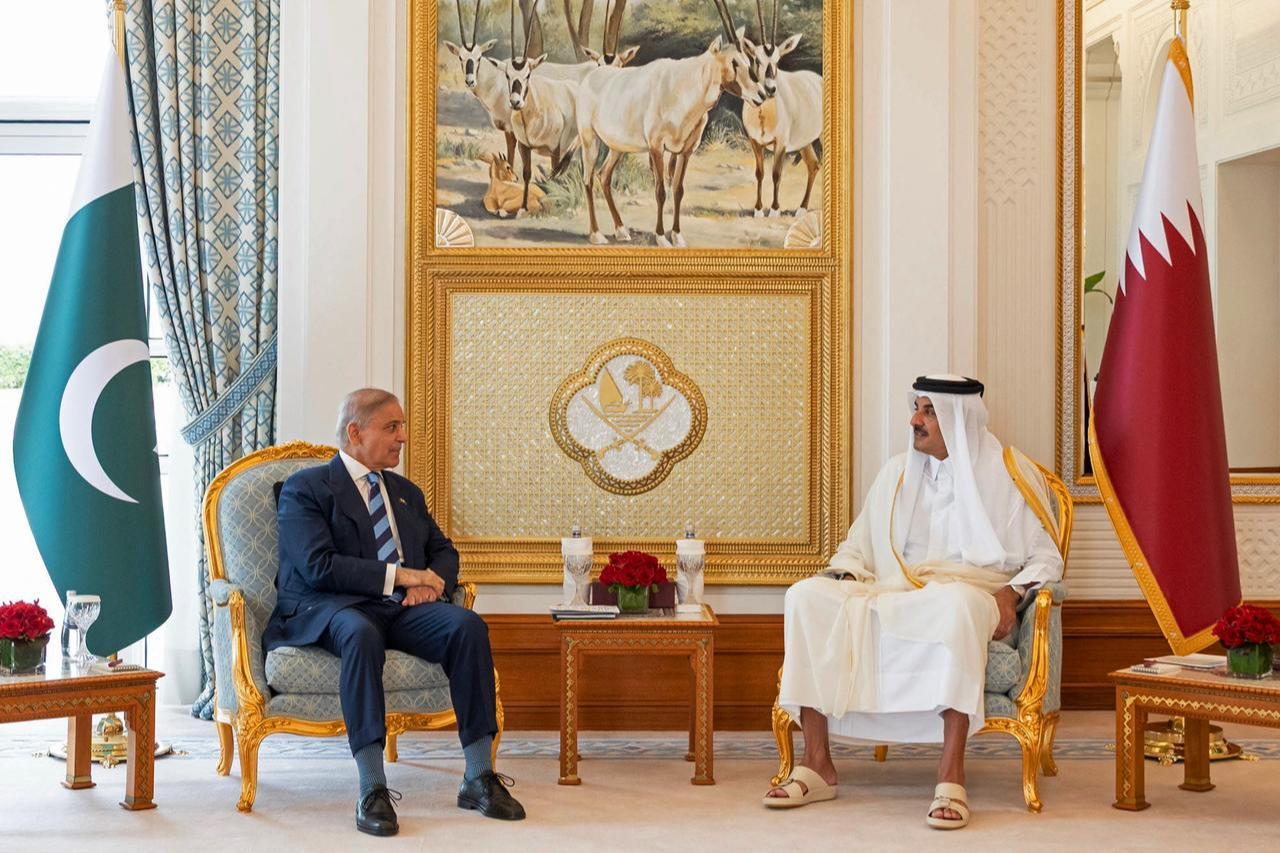
Pakistani Prime Minister Shehbaz Sharif, whose country mediated alongside Qatar, also said the two sides had reached a peace agreement following intensive negotiations.
Iranian officials, however, have described the arrangement differently. Deputy Foreign Minister Kazem Gharibabadi said a final text had been agreed upon and would be signed in Switzerland on June 19.
He added that Iran had incorporated all of its key positions into the draft memorandum and that the full text would be published after the official signing.
According to Gharibabadi, the complete lifting of sanctions against Iran—including primary and secondary U.S. sanctions, as well as relevant U.N. Security Council and Board of Governors measures—would be discussed during a 60-day negotiation period.
He also said nuclear issues would be addressed during those talks, which would begin only after verification of U.S. commitments to end the war, lift the blockade and release frozen Iranian assets.
The most significant discrepancy between the two sides concerns Iran’s nuclear program.
A Trump administration official said the draft agreement calls for the removal and destruction of Iran’s nuclear materials and the dismantling of its nuclear program, with sanctions relief linked to verified compliance.
Iranian media, by contrast, reported that Tehran has accepted no new nuclear obligations under the agreement.
According to the official IRNA news agency, nuclear issues will instead be negotiated during the 60 days following the signing ceremony.
The status of the agreement itself also remains contested.
Trump has repeatedly described the deal as complete, while Iranian officials have emphasized that it has not yet been formally signed and that key provisions will take effect only after implementation and verification mechanisms are established.
The future of Lebanon and Hezbollah has emerged as another source of disagreement.
Trump, Pakistani officials and Iranian representatives have indicated that the agreement covers all fronts of the conflict, including Lebanon.
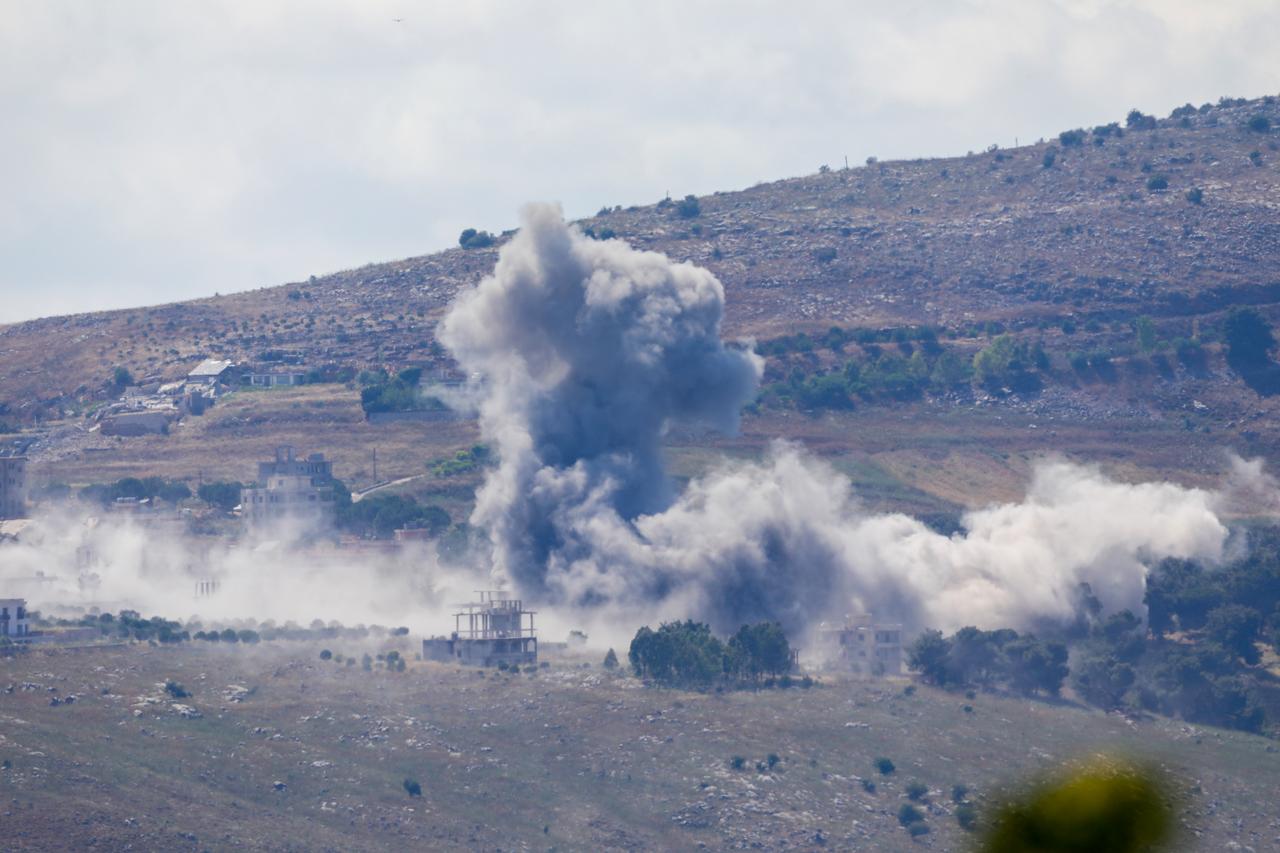
Israel, however, has maintained that its confrontation with Hezbollah is separate from the U.S.-Iran arrangement and said the deal does not limit its ability to respond to threats from the Lebanese group.
Prime Minister Benjamin Netanyahu’s government has publicly supported efforts to end hostilities between Washington and Tehran but warned that certain provisions could undermine Israeli security.
Israeli media have also reported growing tensions between Trump and Netanyahu, saying the U.S. president criticized Israeli airstrikes in Beirut while negotiations with Iran were nearing completion.
Israeli officials have expressed concern that Tehran may receive significant concessions without making sufficient commitments on its nuclear activities and have questioned whether Hezbollah-related issues are adequately addressed.
The differing narratives underscore continuing uncertainty surrounding the agreement ahead of its planned signing in Switzerland on June 19, suggesting that significant differences remain despite claims of a diplomatic breakthrough.


 Set as preferred source
 Set as preferred source


 2 min read
 1 min read