Newsletters


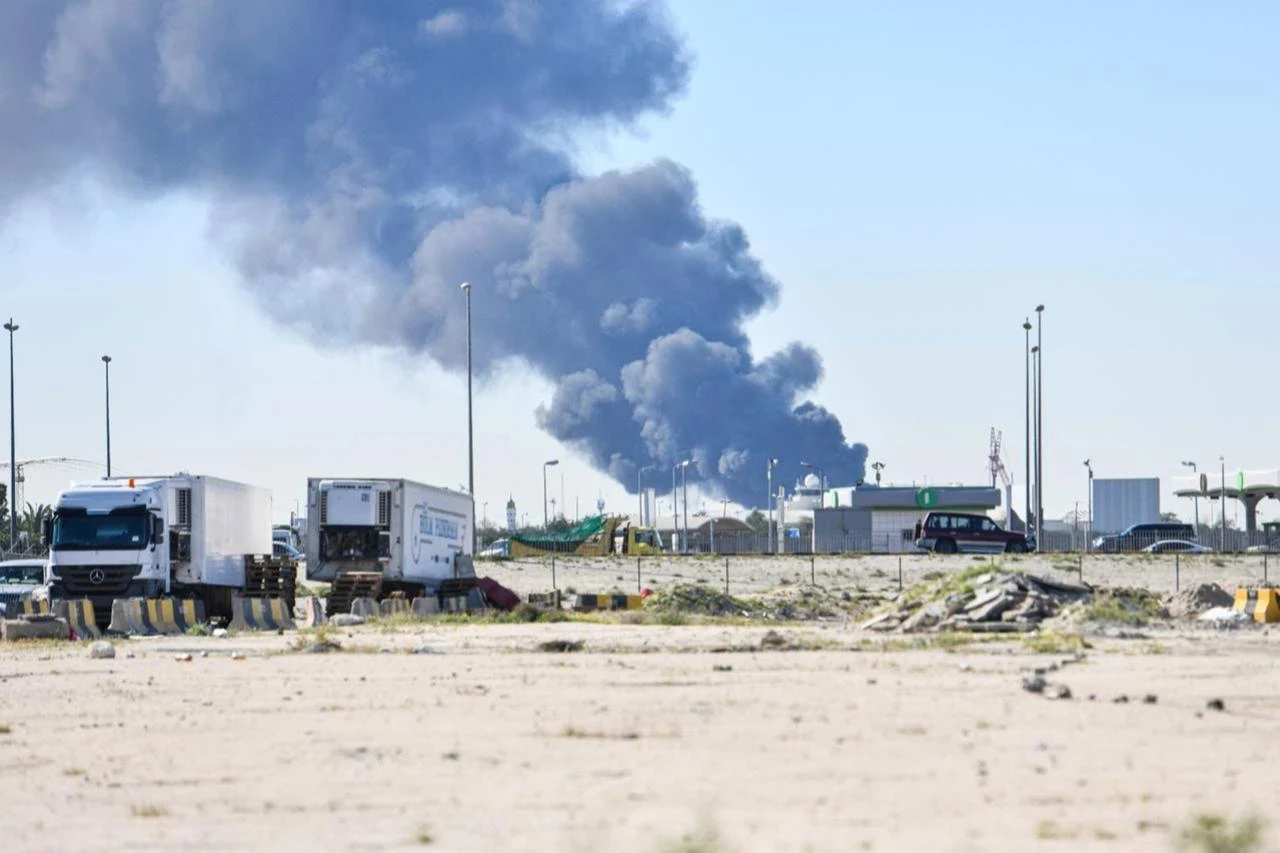


Kuwait declared Sunday that it reserves the right to defend itself by all means necessary after Iranian missile and drone attacks caused extensive damage to power generation and water desalination facilities, marking a sharp new escalation in a conflict that has roiled the Gulf since February.
Defense Ministry spokesman Saud Abdulaziz Al-Atwan said Kuwaiti armed forces had been detecting and intercepting ballistic missiles and drones in the country's airspace since dawn.
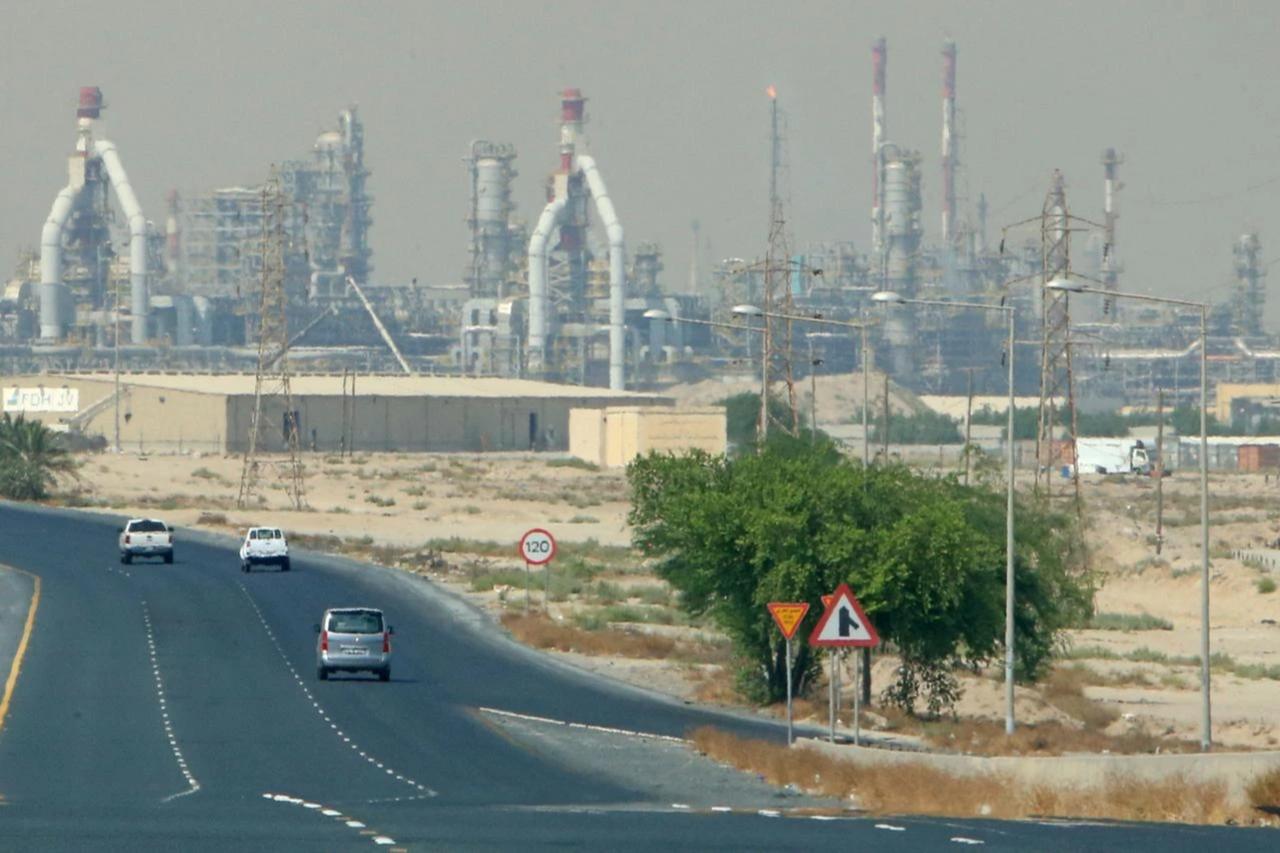
The attacks, he said, had continued to strike civilian and vital infrastructure, including facilities operated by the Ministry of Electricity, Water and Renewable Energy, causing fires and "extensive damage" to several sites. No casualty figures were provided.
The Kuwaiti Foreign Ministry condemned the strikes in unusually pointed terms, warning that their deliberate, repeated nature reflected what it called "a systematic aggressive approach."
Kuwait held Iran fully and legally responsible for the attacks and their consequences, explicitly invoking Article 51 of the UN Charter, which enshrines the right to self-defense, to assert its authority to take any measures needed to protect its territory, its people, and its critical infrastructure.
Among the targets was a power and water desalination plant struck early Sunday morning, igniting a fire. Kuwait's Electricity, Water and Renewable Energy Ministry confirmed the attack. Sunday's strike follows an earlier attack on a similar facility on Friday.
Kuwait relies on desalination for roughly 90 percent of its drinking water supply, making such plants among the most strategically sensitive civilian assets in the country.
The Foreign Ministry called the strikes "a dangerous escalation and a serious threat to civilian safety," accusing Iran of violating international law, international humanitarian law, the UN Charter, and UN Security Council Resolution 2817.
That resolution, adopted in March on a 13-0 vote, condemned Iran's attacks against Kuwait and six other countries in the region as a breach of international law, while affirming the inherent right of individual and collective self-defense under Article 51.
Kuwait's armed forces said they remained on high alert and were taking all necessary measures, in the ministry's words, "to protect Kuwait's sovereignty, security and stability, as well as the safety of citizens and residents."
The latest strikes come amid a broader regional war ignited in late February, when the United States and Israel launched a joint offensive against Iran. Tehran retaliated by targeting Gulf states that host American military assets, extending the conflict across the region.
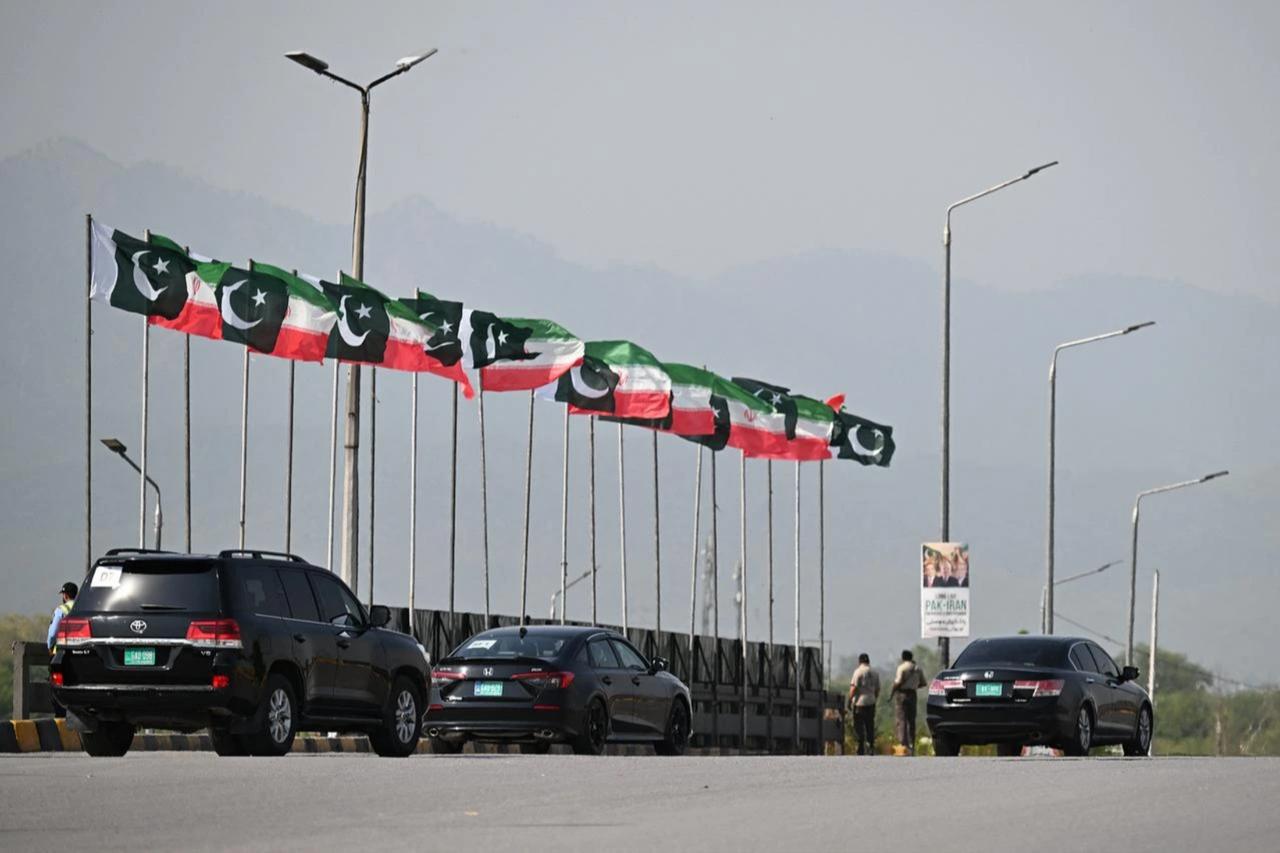
A Pakistani-mediated memorandum of understanding was signed between Washington and Tehran in June, with both sides committing to end hostilities, but the agreement has failed to hold. Tensions flared again last week over the Strait of Hormuz, with the two sides exchanging fresh attacks.
Kuwait's Foreign Ministry made clear that it does not regard the latest attacks as isolated incidents.
The "repeated deliberate targeting of civilian and essential installations," the ministry said, points to an intentional strategy rather than incidental damage, a framing with potentially significant legal and diplomatic weight under international humanitarian law's prohibition on targeting civilian objects.
Kuwait said it is asserting the full right to take whatever measures it deems necessary under the self-defense clause of the UN Charter, a formulation that stops short of declaring military retaliation but leaves that option conspicuously open.


 Set as preferred source
 Set as preferred source


 1 min read
 1 min read