Newsletters


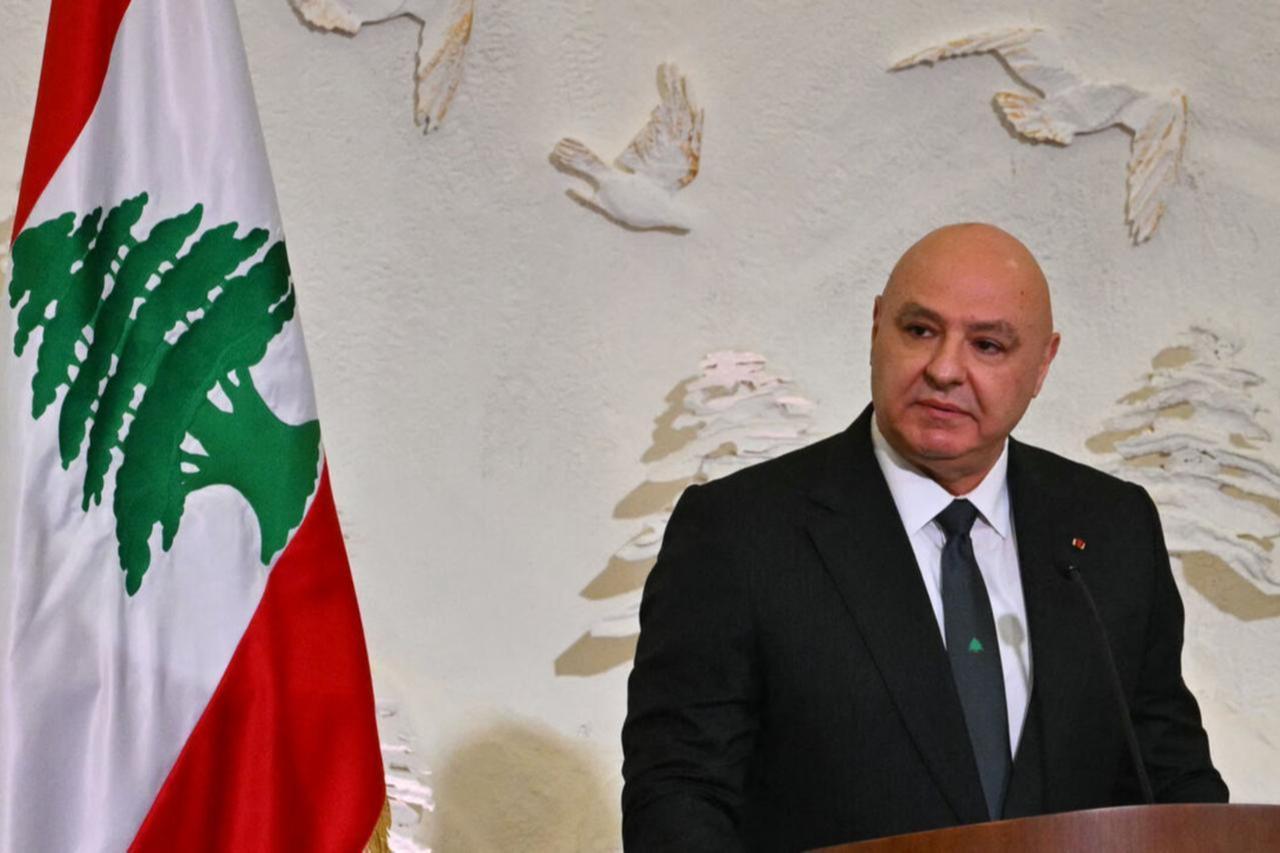


Lebanese President Joseph Aoun said Wednesday that negotiations with Israel remain the only viable path to achieving Lebanon's goals in the south of the country, including the withdrawal of Israeli military from occupied territory and the deployment of the Lebanese army to the border region.
Speaking at a meeting with officials from Lebanon's Maronite Church, Aoun said the objectives could not be reached through war, according to a statement released by his office.
The Lebanese president said the choice to pursue talks with Israel had been made to spare the country the devastation and suffering that war would bring. He acknowledged the negotiations were difficult, describing them as "neither easy nor quick," but said they were "far better than war."
Aoun said Lebanon's core objectives were shared across the political spectrum. "We agree on the same goals: liberating the south, deploying the army to the international border, recovering prisoners, and enabling residents to return and rebuild," he said, adding that these aims "cannot be achieved through war, as has become clear, so there is no option but negotiations."
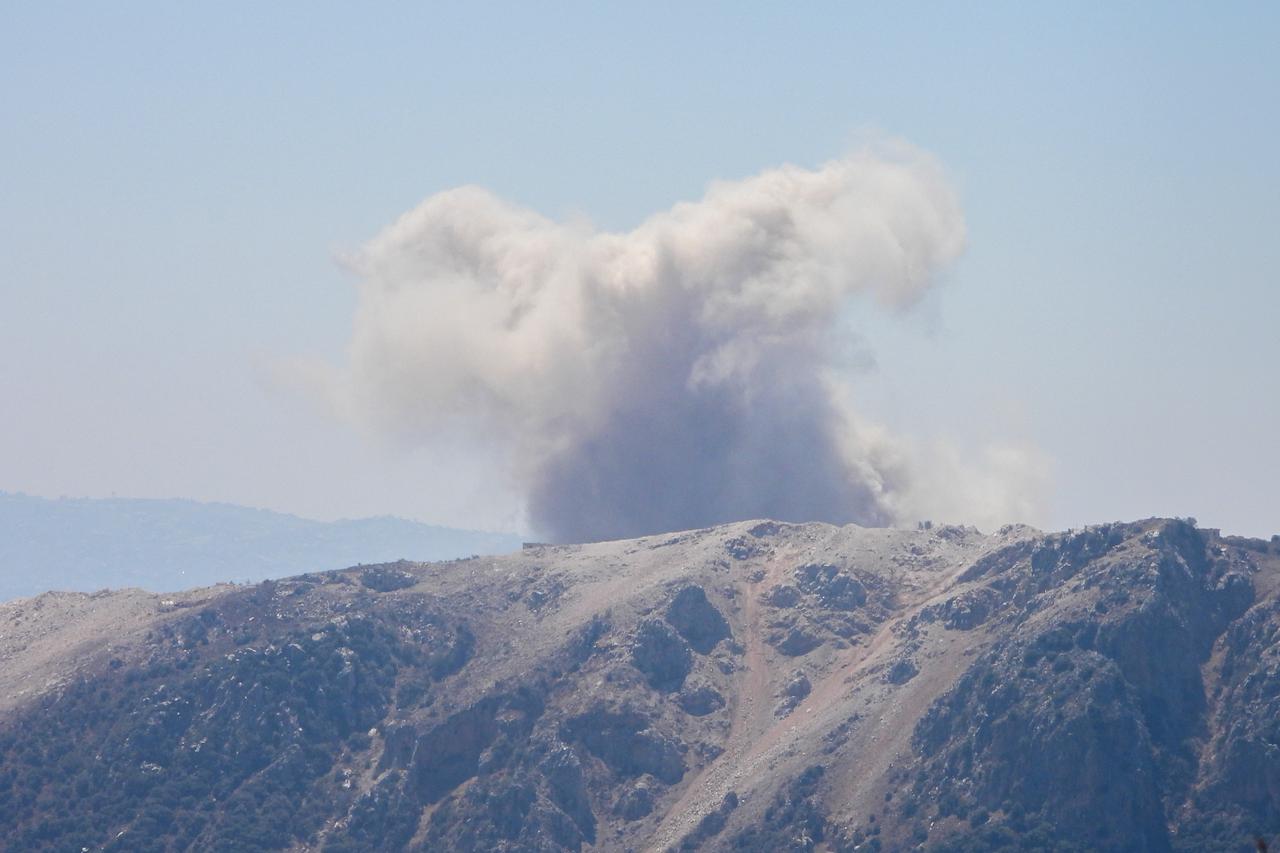
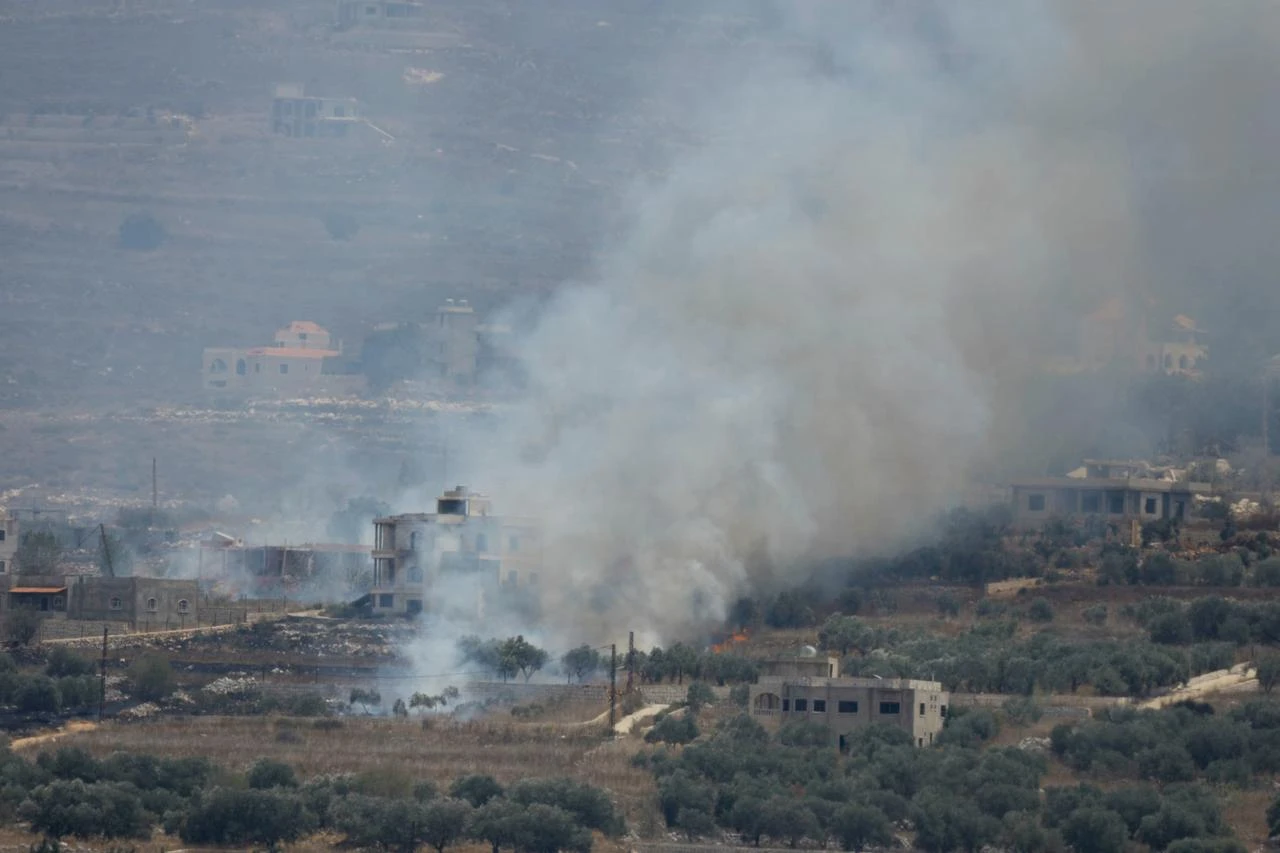
Since early March, Israel has carried out extensive strikes on southern Lebanon, saying it is targeting Hezbollah.
Hezbollah has responded with attacks on Israeli military stationed in the south, effectively bringing an end to a ceasefire that had been in place since late 2024.
In June, Lebanon and Israel signed a framework agreement, backed by the United States, that calls for a gradual Israeli withdrawal from occupied Lebanese territory and the deployment of the Lebanese army into areas vacated by Israeli military.
The agreement also calls for the disarmament of armed groups, a provision widely understood to refer to Hezbollah.
Hezbollah, a Shia Muslim political party and militant group, has for decades maintained an armed presence in southern Lebanon and has fought multiple conflicts with Israel, including a monthlong war in 2006.
The group's arsenal and its role in Lebanese politics have long been a point of domestic and international contention, with Western governments and some Lebanese factions pressing for it to disarm.
Turning to domestic policy, Aoun said his government was pursuing financial and economic reforms aimed at addressing corruption he described as having been "rampant for years."
He said Lebanese authorities were "fighting a war against those who reject the logic of the state," a reference to efforts to reassert government authority over armed and informal power structures.


 Set as preferred source
 Set as preferred source


 1 min read
 1 min read