Newsletters




Lebanon is insisting that any "declaration of principles" emerging from the ongoing U.S.-mediated talks with Israel in Washington must include a complete Israeli withdrawal from all Lebanese territory under a defined timetable, a senior Lebanese official said Friday.
Speaking to Anadolu on condition of anonymity, the official said the Lebanese delegation remains committed to securing a full Israeli pullout from southern Lebanon.
"The insistence on a complete Israeli withdrawal from Lebanese territory according to a timetable, and Lebanon's adherence to this position, led to the extension of the negotiations by an additional day," the source said.
Early Friday, the U.S. State Department announced that the fifth round of Lebanon-Israel talks had been extended by one day after originally being scheduled to conclude on Thursday.
The Lebanese official said withdrawal from all Lebanese territory must be a core part of any document that could come out of the talks.
"The withdrawal from all Lebanese territory must be a fundamental element of the declaration of principles, should one be reached," the official said.

Israeli state broadcaster KAN reported that the latest round of talks had lasted 11 hours on Thursday.
The negotiations had been expected to last three days, but after lengthy discussions, they were extended into a fourth day.
Israel's Channel 12 reported that disagreements continued over the withdrawal of Israeli forces from southern Lebanon.
According to the report, partial progress had been made under a U.S. plan for Israeli forces to withdraw from some areas in southern Lebanon and for the Lebanese army to be deployed there.
Statements from Tel Aviv also indicated that the Israeli army was preparing to withdraw from those areas, the report said.
However, the sides continued to disagree over the width, borders, pace and timing of the area from which Israel would withdraw.
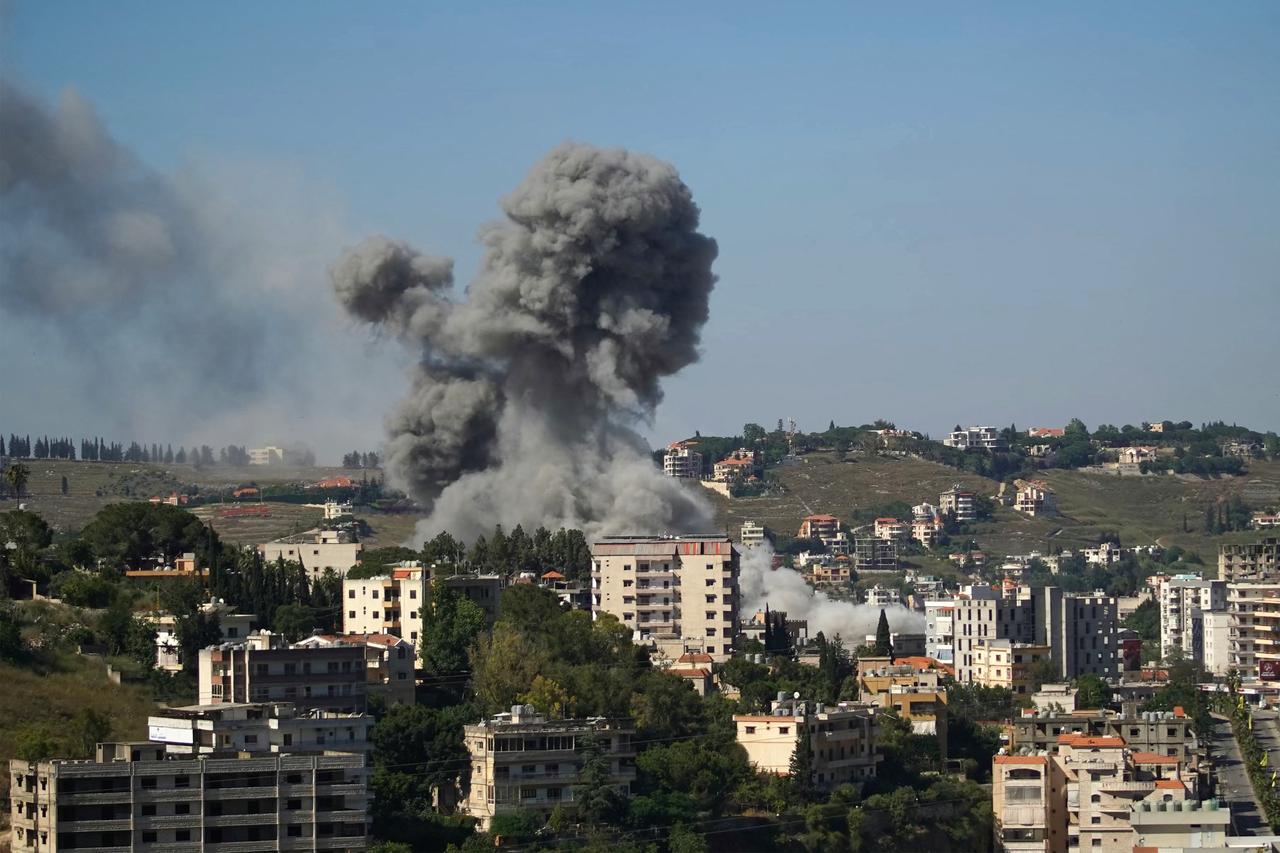
Addressing proposals involving "model" or "pilot" areas, the Lebanese official said Beirut is seeking a precise definition of the areas from which Israeli forces would withdraw.
The official said Lebanon requires that these areas be "within the Yellow Line for the Lebanese army to enter and not the areas where the Israelis are not present."
The Yellow Line is an unofficial line extending roughly 8 kilometers inside Lebanese territory from the border.
Israel refuses to withdraw from areas within the Yellow Line and insists on maintaining its presence at the Beaufort Castle, or Qalaat al-Shaqif, in southern Lebanon.
Israel's Channel 12 said that the areas where the Lebanese army would deploy are considered by Israel to have been completely cleared of Hezbollah's presence.
The report also said the U.S. requires that the situation on the ground be monitored under its supervision.
If the pilot implementation succeeds, the area from which Israel would withdraw would expand, according to the report.
The Jerusalem Post reported that Tel Aviv insists the Lebanese army should first deploy in areas where Israeli forces are not present.
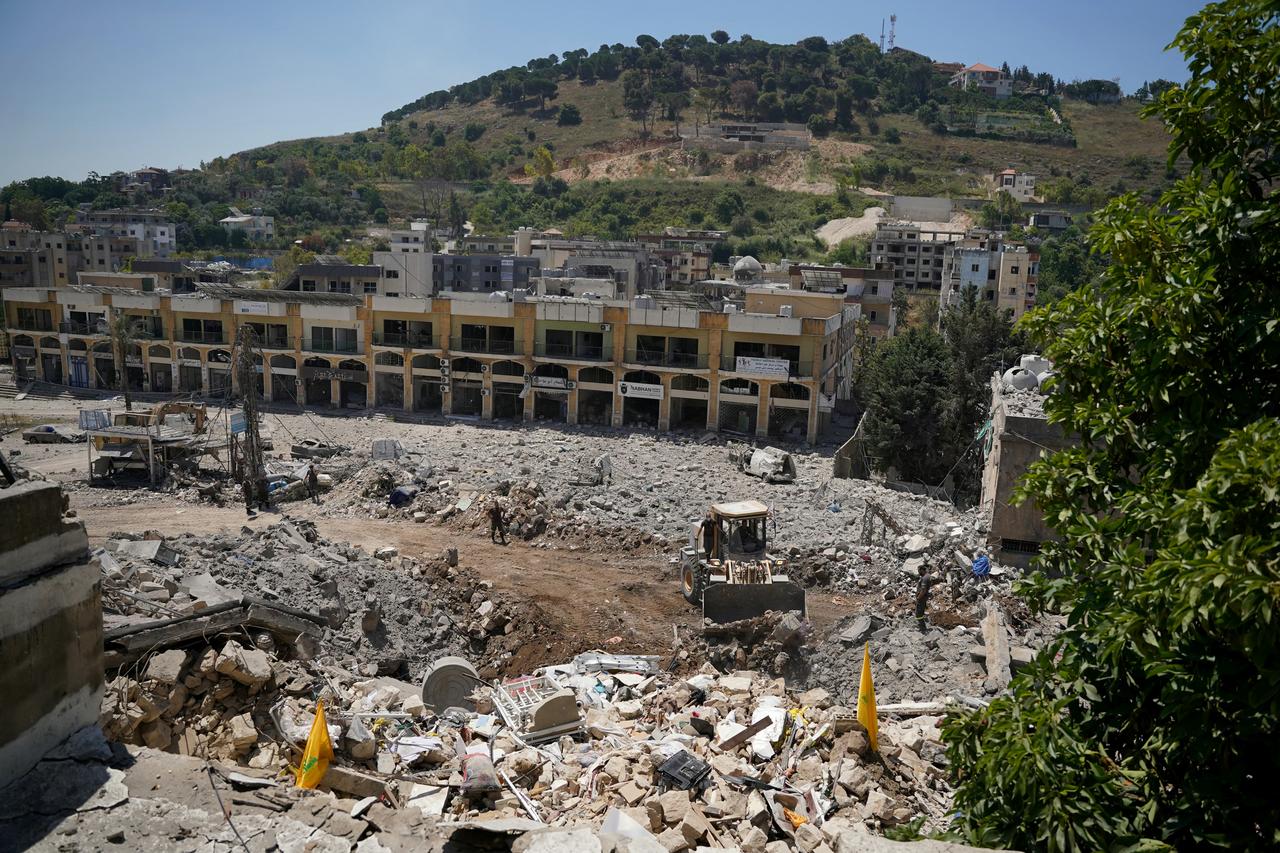
Hezbollah Secretary-General Naim Qassem also said Israel must withdraw from Lebanon without any preconditions and that no obligations violating Lebanon's sovereignty would be accepted.
Qassem's speech was broadcast during an Ashura Day ceremony in Beirut's Dahiye district, where thousands of people gathered on the Old Airport Road.
Some roads around the area were closed to traffic and broad security measures were taken.
An Israeli drone flew at low altitude over Dahiye and Beirut during the ceremony.
Qassem said Israel and the United States had waged a major war aimed at eliminating Hezbollah.
He said Israel wanted to occupy Lebanon as part of what he called the "Greater Israel project," and that resistance emerged because of Israeli aggression.
"We broke the Israeli-American project and entered a new stage that must be built upon," Qassem said.
He argued that the memorandum signed between Iran and the U.S. was the "official declaration of the defeat of the United States and Israel."
Qassem said Israel must withdraw from Lebanon "without any preconditions."
"No obligation contrary to Lebanon's sovereignty will be accepted," he said.
He also said normalization, an end to the state of hostility, any gain for Israel or any partial Israeli presence on Lebanese territory would not be acceptable.
Qassem called on Lebanon's political authorities to act in unity and stop implementing what he described as U.S. and Israeli dictates.
He also thanked Iran and said Hezbollah welcomed Arab and international initiatives aimed at rebuilding Lebanon, achieving national sovereignty, strengthening the army, removing all occupying forces and forming a strong lobby against Israel.
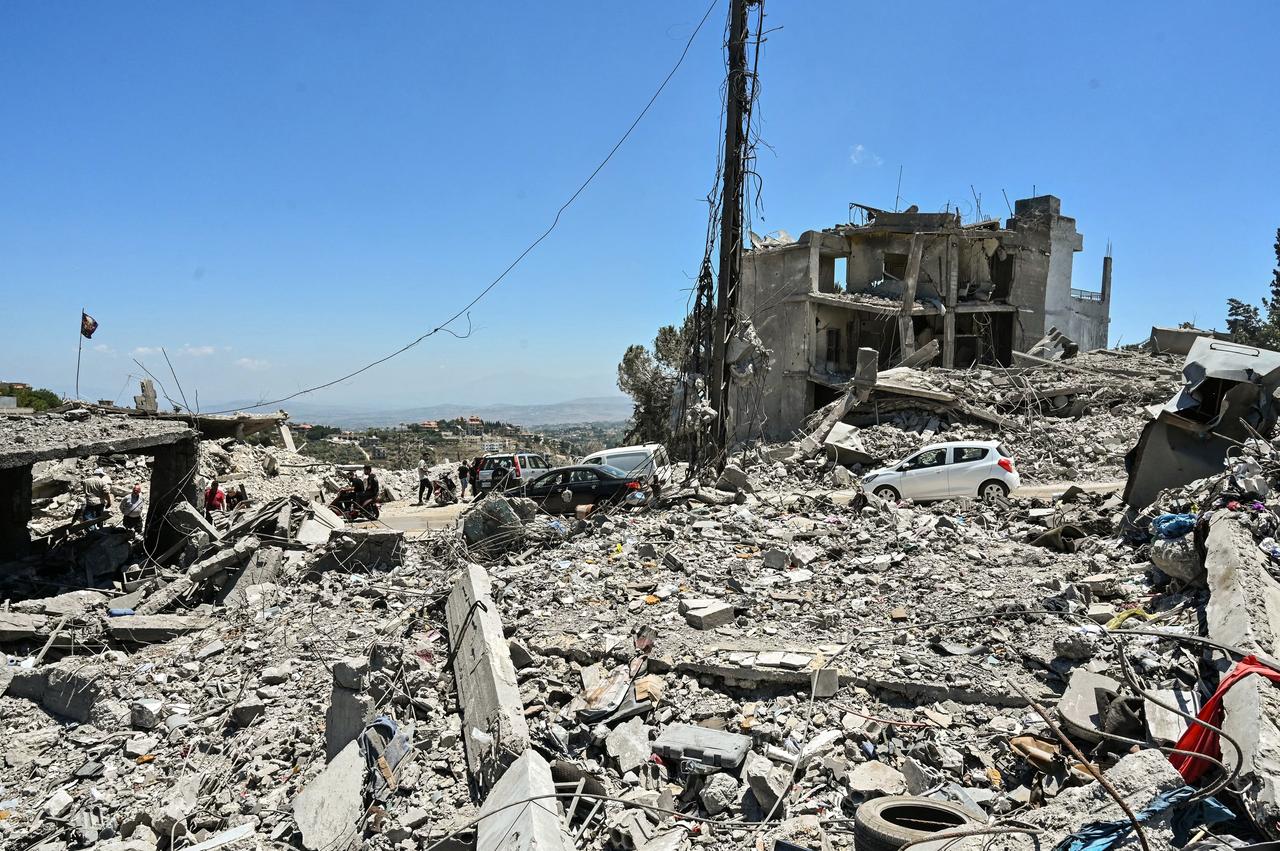
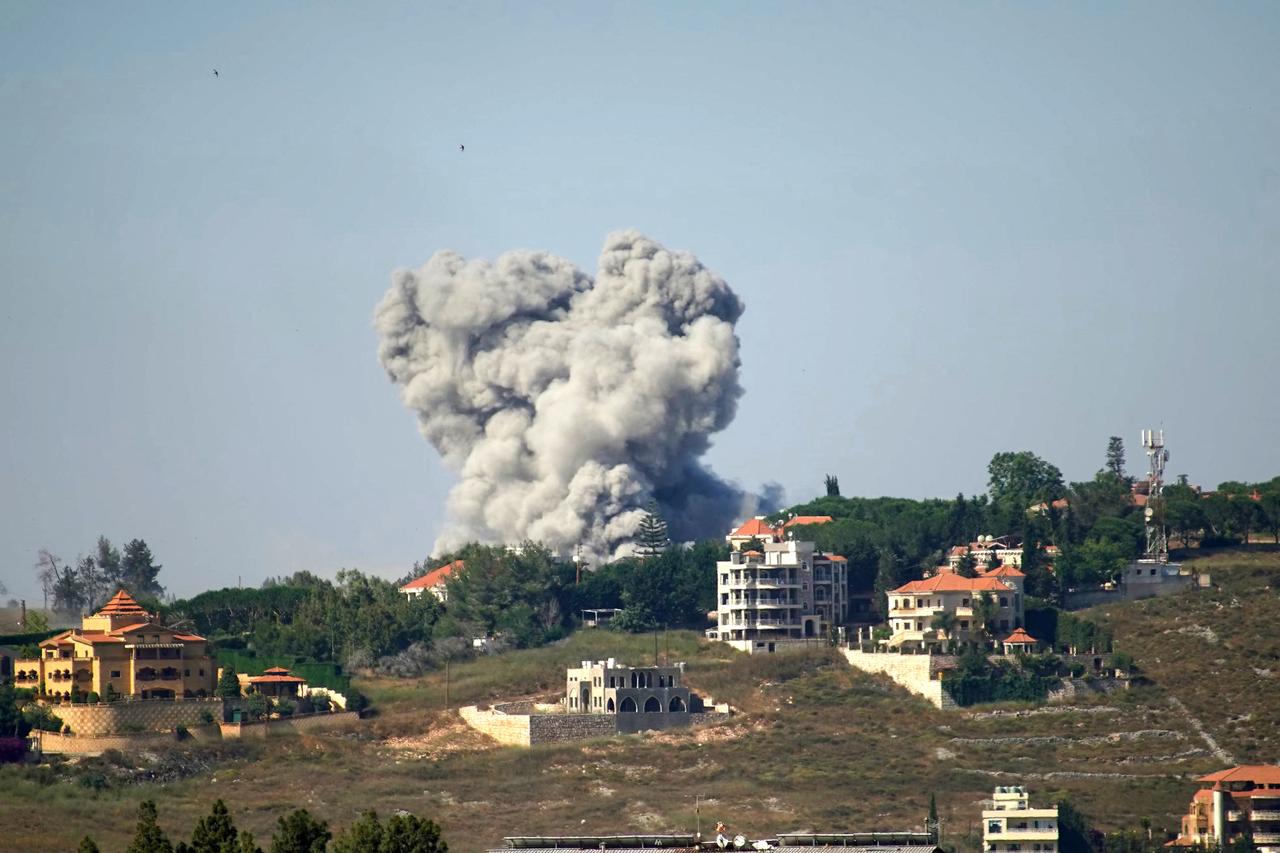
Lebanon's official NNA news agency reported that Israel carried out air and artillery attacks in the southern province of Nabatieh despite the ceasefire and the U.S.-Iran memorandum, which was said to include Lebanon.
According to NNA, Israeli warplanes struck the outskirts of Upper Nabatieh twice in the morning.
Israeli artillery later fired around 10 shells toward areas around Barachit and Beit Yahoun, while machine-gun fire was also directed toward Beit Yahoun.
On Thursday, two people were killed in an Israeli drone strike on a vehicle in the town of Mayfadoun in Nabatieh.
Iran and the U.S. announced that they had reached a 14-point understanding on June 14 through a Pakistan-mediated negotiating process to halt the war and resolve issues through talks.
The memorandum includes ending the war, including in Lebanon.
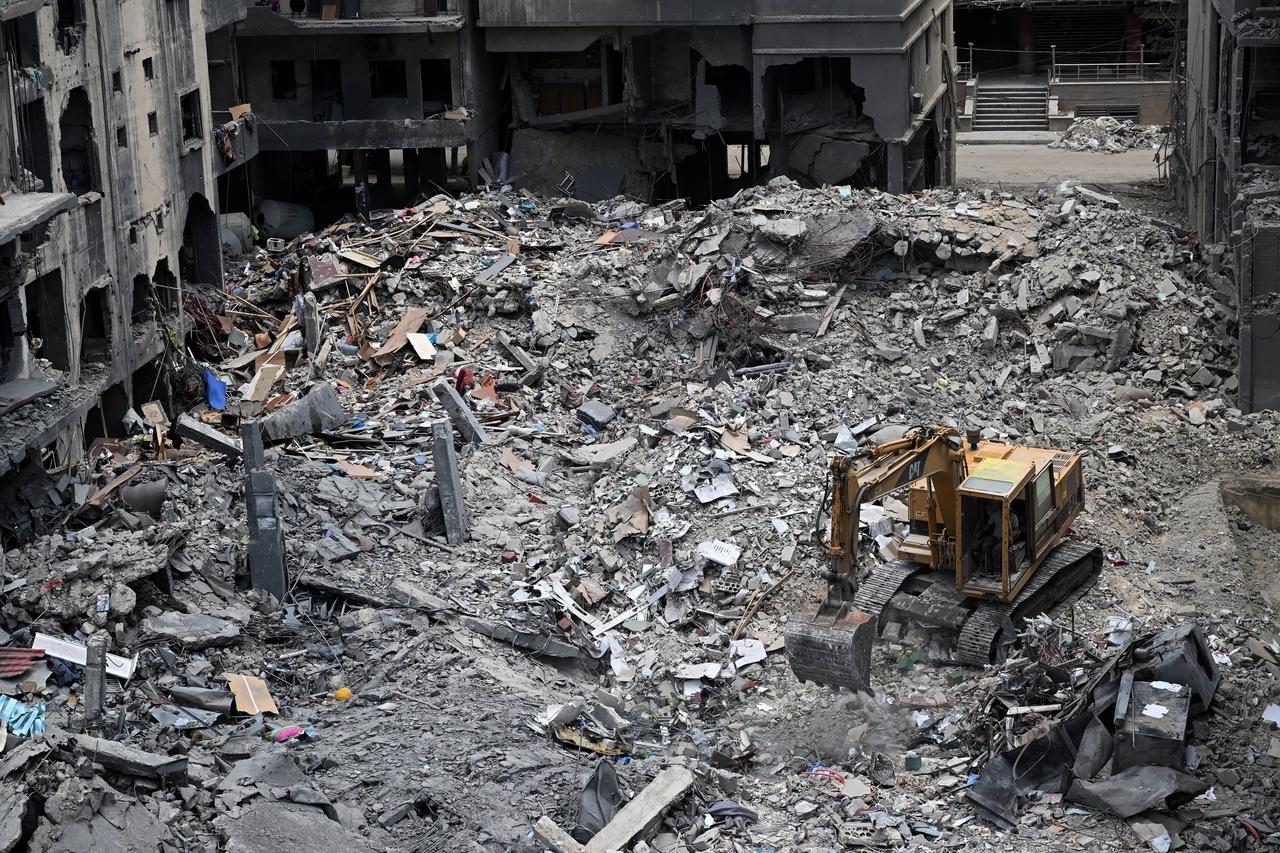
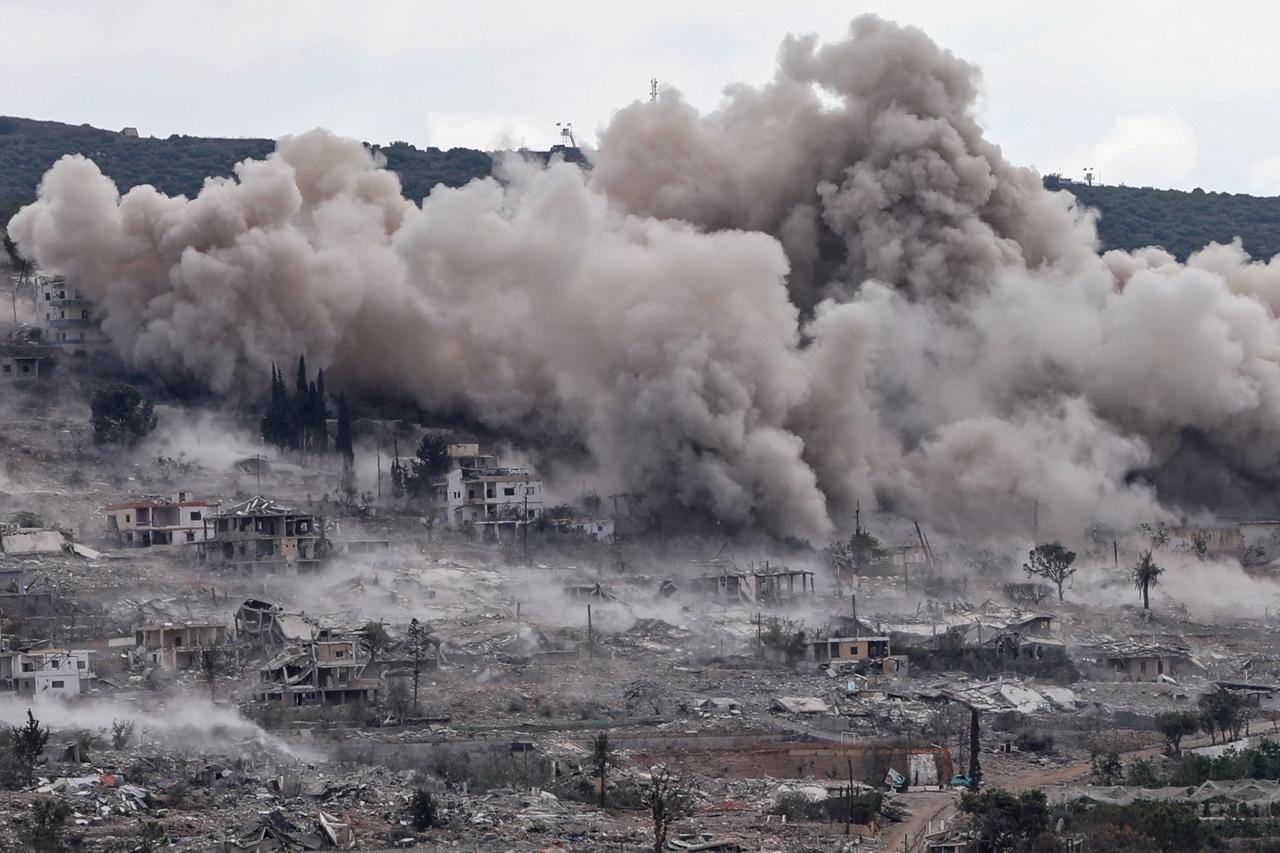
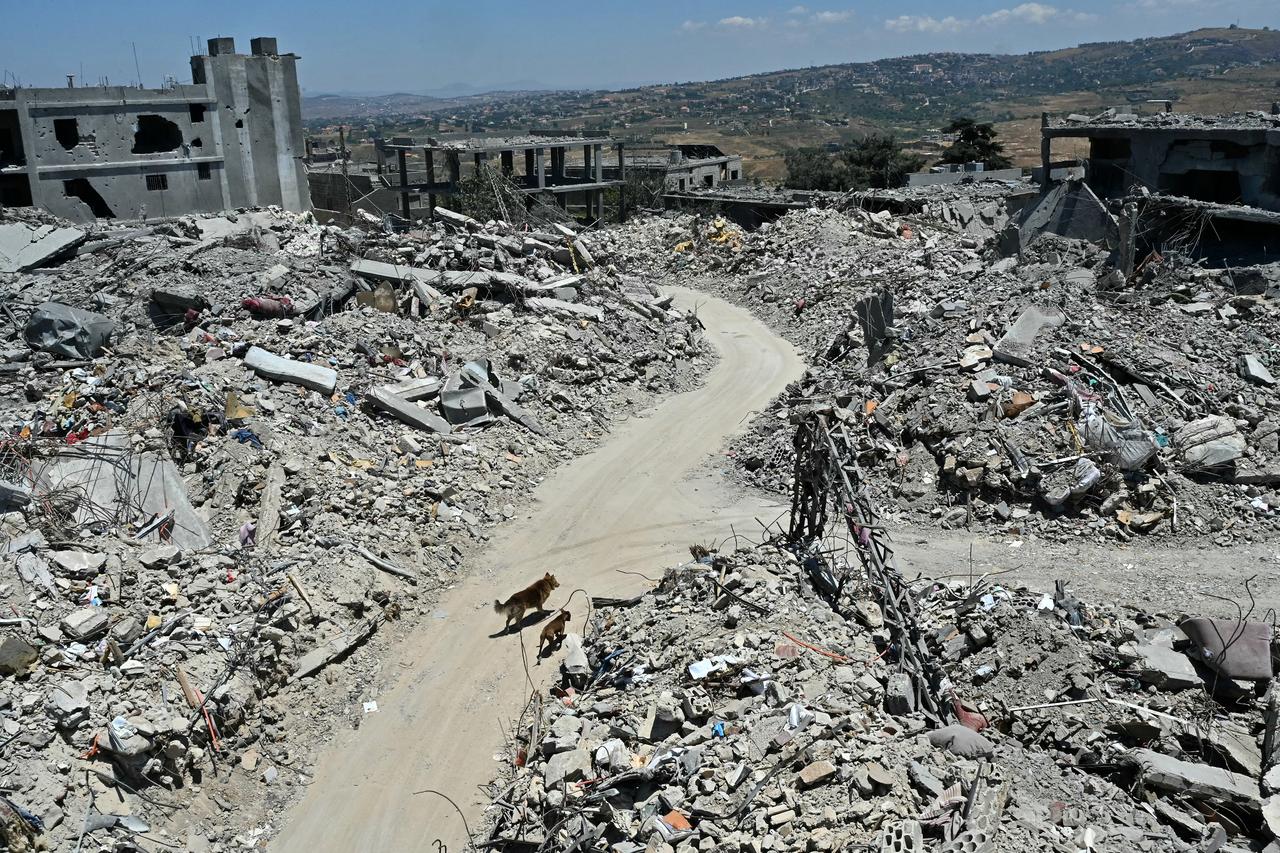
The Israeli army launched heavy airstrikes on Lebanon on March 2 and occupied several towns in the country's south.
The Lebanese government said during that period that the number of displaced people in the country had exceeded 1 million.
U.S. President Donald Trump announced on April 24 that a 10-day temporary ceasefire between Lebanon and Israel, which took effect on April 17, had been extended for another three weeks.
After the third round of U.S.-mediated Lebanon-Israel talks on May 14-15, the ceasefire was extended for 45 days starting May 17.
Despite the extended ceasefire, Israeli attacks in southern Lebanon continued.
Israel occupies parts of southern Lebanon, some for decades and others seized during the 2023-2024 war.
Since March 2, 2026, Israeli attacks in Lebanon have killed 4,230 people and injured 12,179 others, while displacing more than 1 million people, according to official Lebanese figures.


 Set as preferred source
 Set as preferred source


 1 min read
 1 min read