Newsletters





Lebanese President Joseph Aoun appointed former Ambassador Simon Karam on Monday to lead a delegation for direct bilateral negotiations with Israel.
He noted that the negotiations aimed to "halt hostile actions, end the Israeli occupation of southern areas and deploy the army to the internationally recognized southern borders," while declaring the talks "separate from any other negotiations" and distancing them from the Iran-U.S. diplomatic track.
A Hezbollah-allied politician also said Israel had destroyed all or parts of 39 villages since the ceasefire took effect Thursday.

Aoun announced the delegation in a statement posted on X and confirmed at a meeting with the Sovereignty Front delegation.
"Bilateral negotiations will be handled by Lebanon through a delegation headed by Ambassador Simon Karam, and no one from Lebanon will participate in this mission or replace him," he noted.
"The upcoming negotiations are separate from any other negotiations because Lebanon faces two options: either the continuation of the war with all its humanitarian, social, economic and sovereignty repercussions, or negotiation to put an end to this war and achieve sustainable stability. I have chosen negotiation, and I am full of hope that we will be able to save Lebanon," Aoun said.
He said the goal was to "halt hostile actions, end the Israeli occupation of southern areas and deploy the army up to the internationally recognized southern borders."
Aoun stated Trump showed "full understanding and responsiveness" to Lebanon's demands during a call, intervening with Israel to halt the ceasefire and initiate a negotiating track. This effort aims to resolve the "abnormal situation" and restore Lebanese sovereignty over all territories, particularly the south.
Aoun explicitly distanced the Lebanon-Israel talks from the Iran-U.S. ceasefire negotiations, a pointed statement given that Iran's parliament speaker Mohammad Bagher Ghalibaf had insisted last week that Lebanon must be included in any comprehensive Iran-U.S. ceasefire agreement.
Lebanese Foreign Minister Youssef Raggi said his country "was dragged into a war it did not choose" and that the government was committed to "regaining control over decisions of war and peace and imposing its sovereignty by its own will over the entire Lebanese territory."
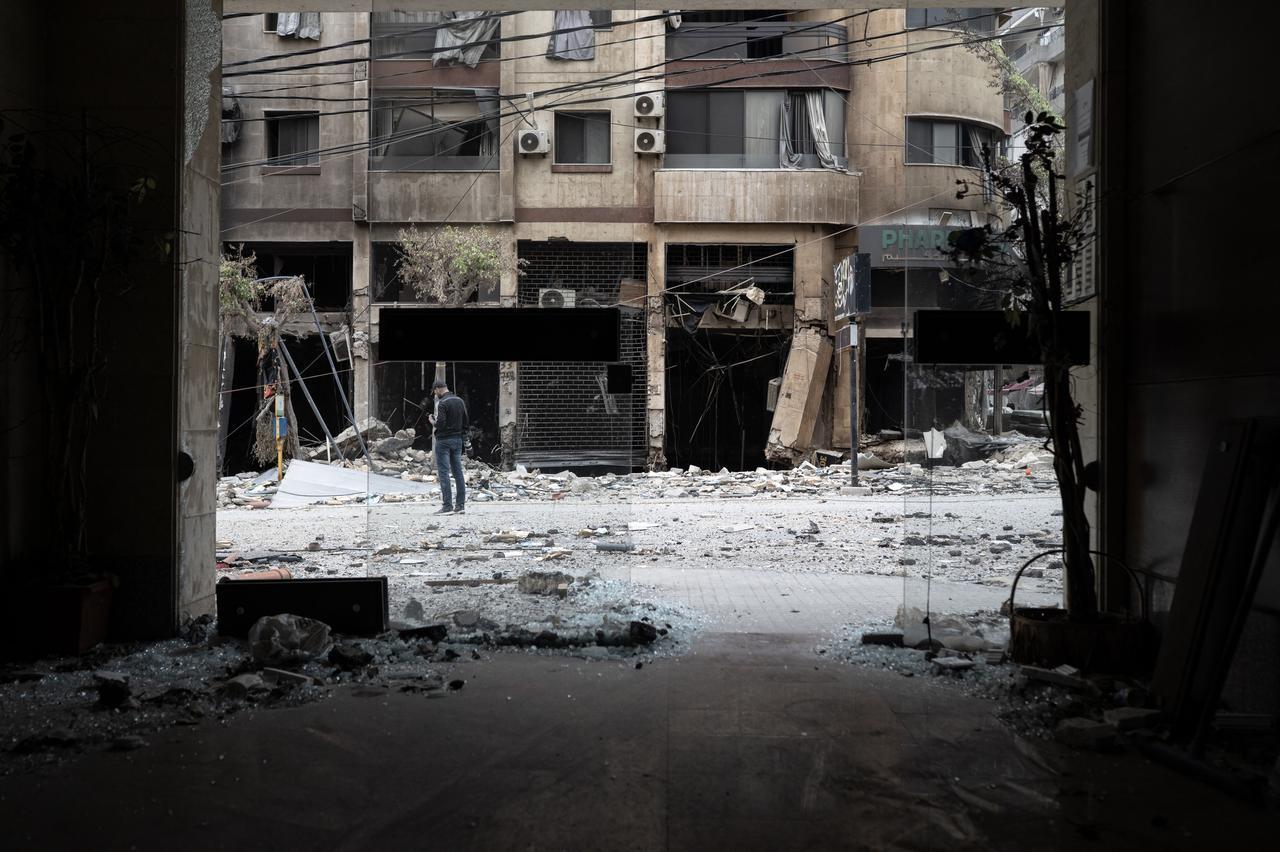
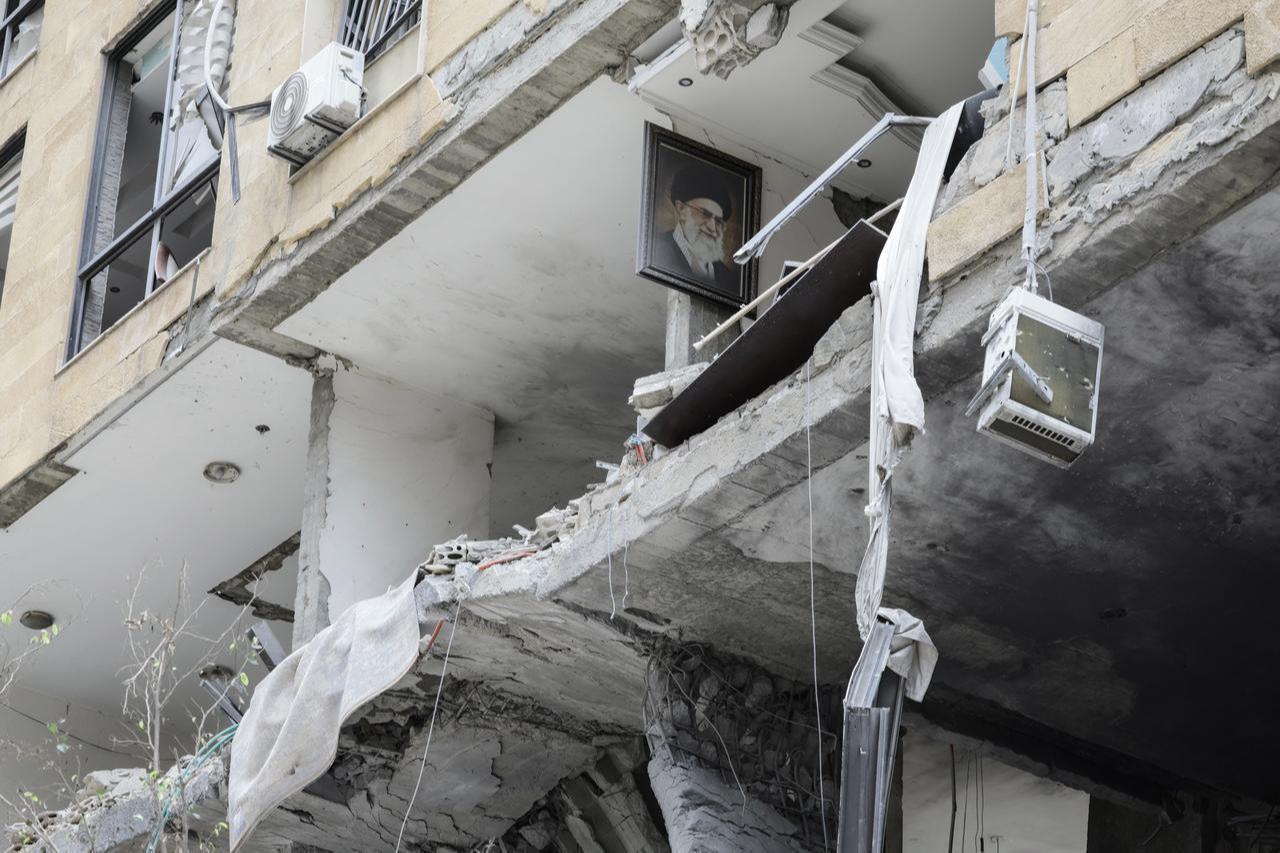
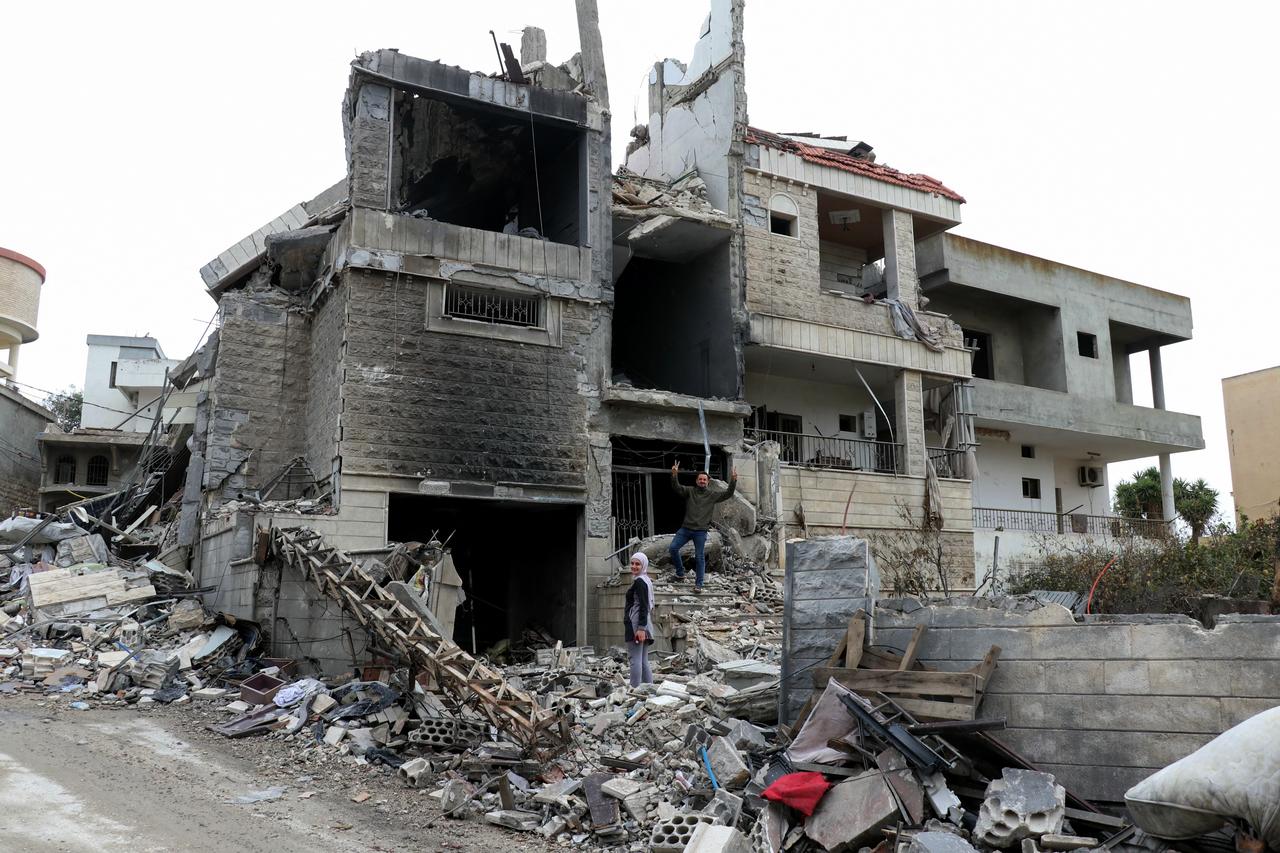
Ali Hassan Khalil, senior aide to Parliament Speaker Nabih Berri and a member of the Amal movement allied with Hezbollah, said Monday that Israeli forces had destroyed all or parts of 39 villages in southern Lebanon since the ceasefire took effect, calling the explosions "a clear war crime."
Israel said it is acting against Hezbollah infrastructure and told residents to remain out of a 5-10 kilometer buffer zone stretching the length of the border.
The Israeli military published a map showing a red line through 21 villages with instructions not to return, and named more than 50 additional villages that residents should not approach.
Hezbollah is not a party to the talks and strongly opposes them.
Senior Hezbollah official Mahmud Qamati said Saturday, "Defeated, you go to the Israelis and Americans, let's see what you will get out of it."
Israeli Prime Minister Netanyahu has said the Israeli army will not withdraw from its positions in southern Lebanon during the 10-day ceasefire, which expires at the end of the week.
Since March 2, Israeli operations in Lebanon have killed approximately 2,300 people, wounded more than 7,500, and displaced over one million.
The first stage of negotiations will be at the ambassadorial level, with a second stage handled by the Karam delegation, a source told CNN, though no date has been set.


 Set as preferred source
 Set as preferred source


 4 min read