Newsletters




Iranian President Masoud Pezeshkian said the war with the United States and Israel must end as soon as possible so the country can focus on reconstruction, financial recovery and market stability.
He urged honesty and transparency from the leadership to preserve public trust.
In a series of meetings with public workers in Tehran, Pezeshkian said Iran must resist what he described as excessive demands, but also stressed that continuing the conflict benefits no one and that every rational and diplomatic path should be used to reduce tensions.
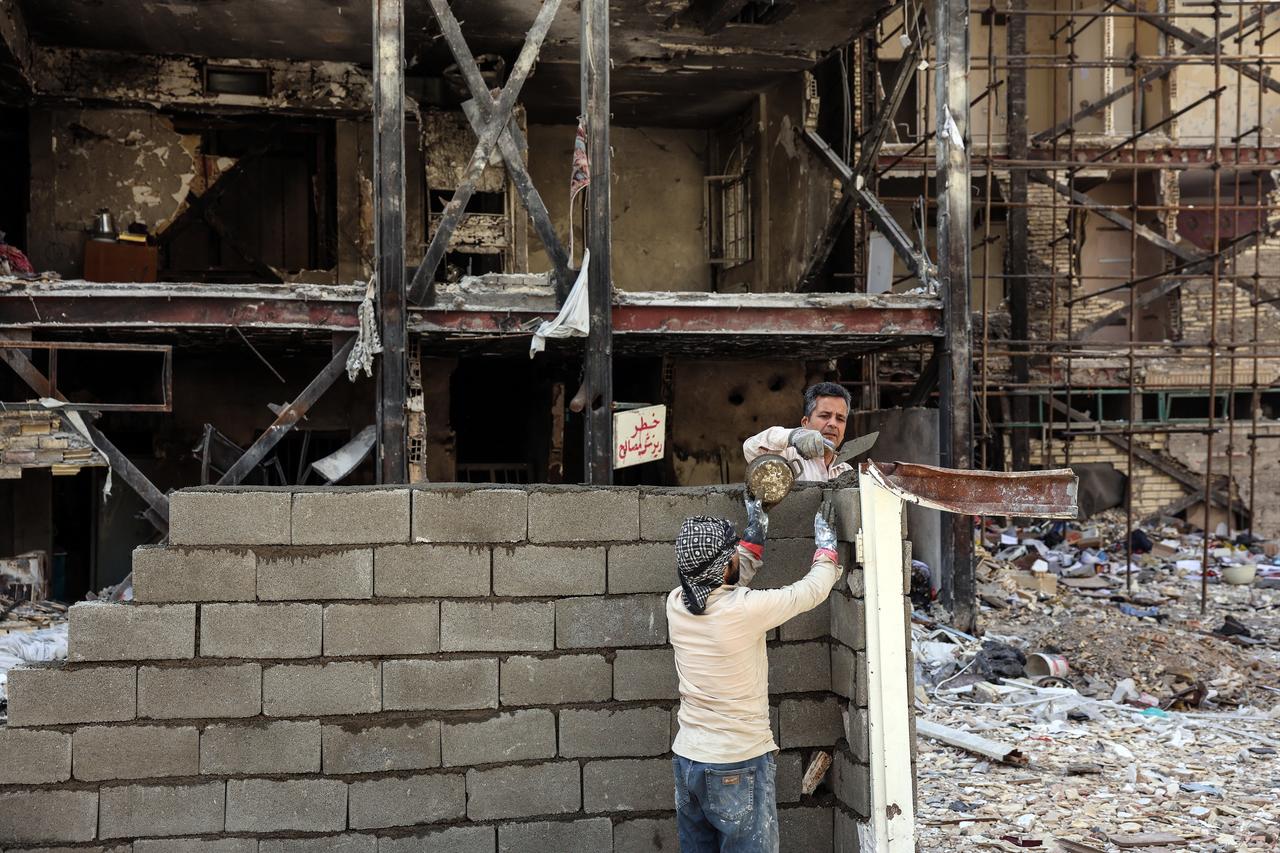
Pezeshkian said Iran needs to end the war swiftly to turn to what he described as the larger task of rebuilding the country.
He said that while Iran must resist "excessive demands, we must recognize that continuing the conflict benefits no one—not us, not the other side, and not the future of the region or coming generations."
In another meeting, he said that "every rational and diplomatic path must be used to reduce tensions."
Speaking to firefighters in Tehran, Pezeshkian said Iran would face serious challenges after the fighting ends.
"After the end of hostilities, the country will face challenges in reconstruction, securing financial resources, and controlling the market," he said, according to Iranian media.
His remarks pointed to the economic and administrative burden Iran expects to confront once the conflict ends.
During a visit to the Justice Ministry, Pezeshkian said some of the problems caused by the conflict had been managed, but added that reforms were still needed.
He said the public must be told the truth about the country's condition.
"People must be informed of the realities of the country. Providing inaccurate information or unrealistic promises not only does not help resolve issues but will also weaken public trust," he said.
Pezeshkian said Iran's cohesion required "honesty in speech, transparency in performance, and strengthening public trust."

Pezeshkian was described as taking a more moderate tone than other figures in Iran's leadership who have long-standing links to the Islamic Revolutionary Guard Corps.
At the same time, he has no direct role in negotiations with the U.S. and does not have the final say on decisions regarding an end to the conflict.
Iran was already facing a deep economic crisis before the conflict began, and its currency has weakened sharply this year.
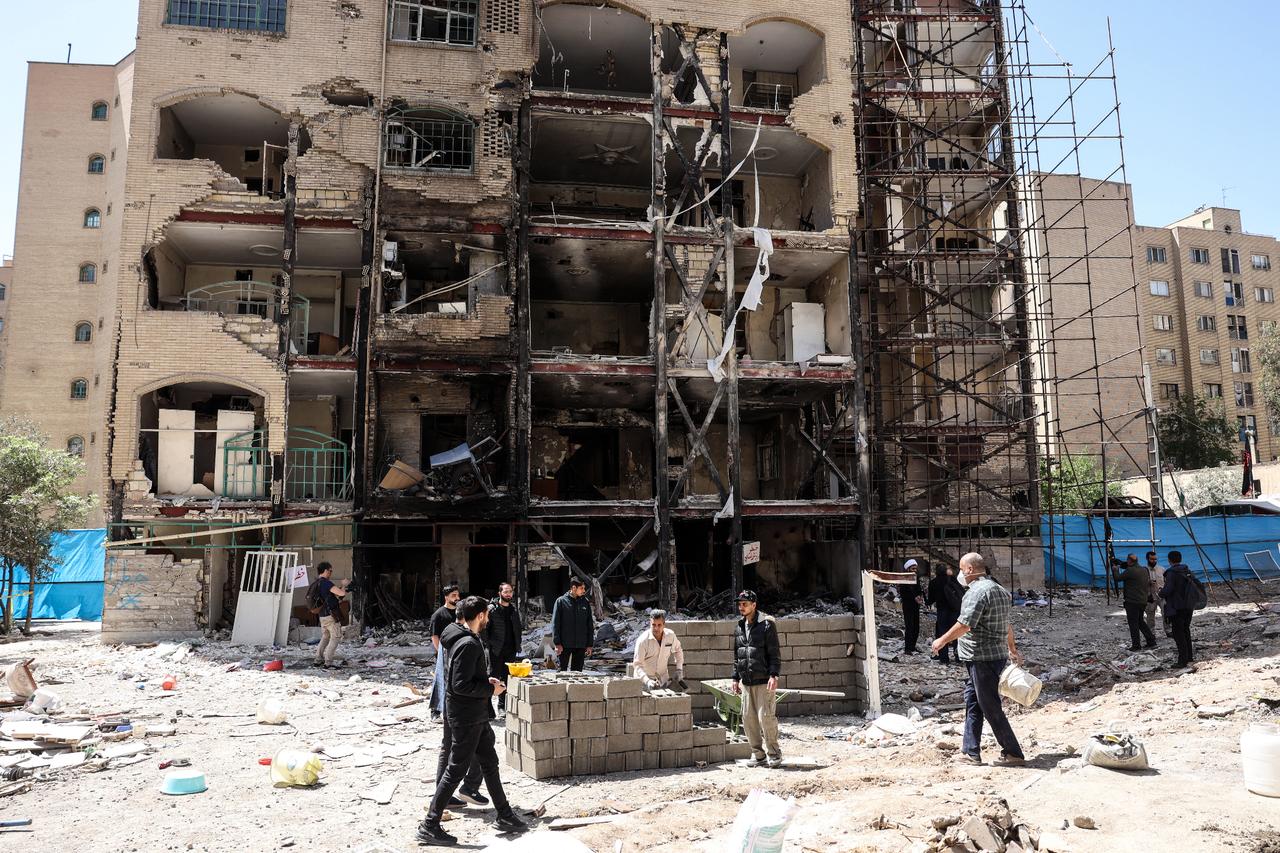
Last week, the government estimated that the war had caused $270 billion in damage, without giving details.
Israeli strikes have caused severe damage to Iran's steel and petrochemical industries as well as other infrastructure, adding to the pressure on the country's economy as officials look toward a postwar reconstruction phase.


 Set as preferred source
 Set as preferred source


 1 min read
 1 min read