Newsletters


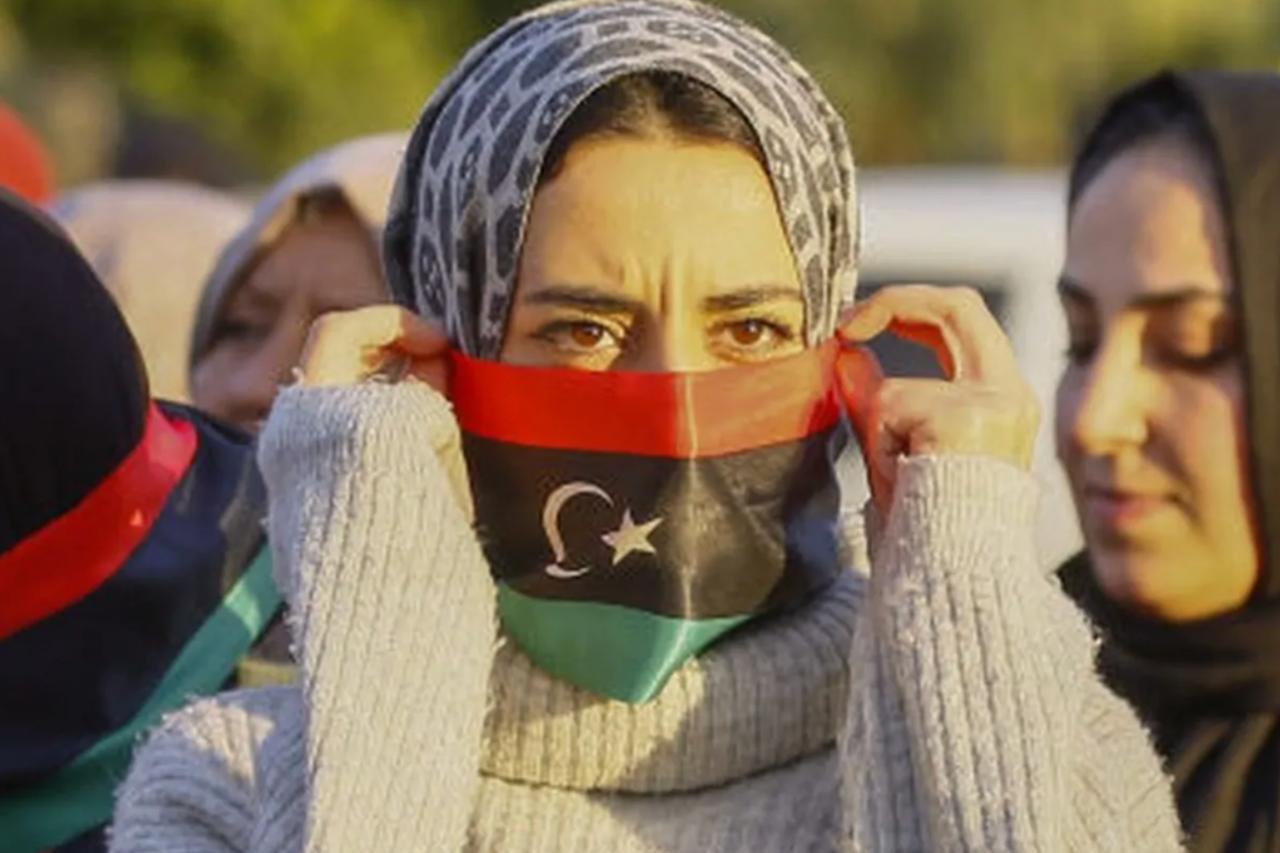


The Public Morality Protection Agency in eastern Libya restricted the filming and promotion of women-related commercial activities, sparking nationwide debate over social values, legal authority and women’s participation in public and professional life.
In a circular issued in the city of Benghazi, the agency called on all business owners to refrain from filming or publishing any promotional material for activities, products, or commercial outlets without obtaining prior authorization.
The directive specifically targets cosmetics and women’s clothing stores, beauty salons, women-only gyms, and beauty resorts, including steam baths, skincare centers, and massage services.
In a statement issued Sunday, the agency said the measure is intended to preserve public decency and regulate visual content that may undermine social customs and traditions.


The decision triggered a widespread debate on social media, with Libyans divided over the move. Critics argue that the agency’s statement reflects a hard-line view that treats women’s presence in the professional sphere as a matter of suspicion requiring oversight rather than a protected right.
They also say the statement does not cite a clear legal basis granting the agency authority to impose prior oversight, nor does it define what constitutes indecency or set clear standards for advertising content, leaving implementation subject to the discretion of security or police personnel.
Critics add that requiring approval before filming or publication amounts to prior censorship, a practice typically associated with national security concerns rather than beauty or fitness-related activities.
Human rights activist Abeer Amenina warned against restricting or banning women-related activities in the absence of a clear legal framework.
She described the decision as ambiguous and cautioned that it could open the door to interpretations that may affect women’s work in advertising, filming and the beauty industry.
Amenina stressed the need to shift the discussion from a security-driven approach based on bans to a legal regulatory framework governing advertising and promotional companies for both men and women.
She also underscored the importance of addressing questions related to the legal and tax status of such activities rather than relying on measures that could be perceived as curbing freedoms.
By contrast, some Libyans said the decision aims to uphold social customs and traditions, particularly in response to what they described as excesses in some advertisements that fail to observe standards of modesty.
Some activists voiced support for the move, saying the use of women in commercial advertising constitutes an affront to women and society and a violation of moral values. They stressed that women are a jewel, not a commodity.
Supporters of the decision said the ban has become necessary amid the growing prevalence of advertisements that exploit women and clash with social norms. They argue the agency has the right to review advertising content before publication.
Others urged the relevant authorities to regulate the work of companies and online pages rather than impose a blanket ban on women filming commercial activities, stressing that the problem lies not with women but with the absence of clear guidelines.
They said effective regulation should begin with holding violating pages accountable and enforcing the law against those who breach privacy.
Fathia al-Bakhbakhi, head of the Libyan General Women’s Union, said such decisions represent a step backward.
She said they reflect gender-based discrimination between men and women and contribute to creating a public climate that reinforces male dominance while diminishing women’s role in the public sphere.


 Set as preferred source
 Set as preferred source


 1 min read