Sign in
 Newsletters




Libya's eastern-based government called for an international investigation into suspected Ukrainian drone attacks on two vessels off Benghazi, including a Russian Navy corvette that satellite imagery showed had largely capsized and sunk.
The attacks on Sunday targeted the Russian warship Merkury at Benghazi's naval base and a Maltese-flagged commercial vessel offshore, leaving 10 people injured, according to Libyan sources and international media reports.
Libyan military officials suspected Ukrainian naval drones were behind the strike on the Russian vessel, although neither Kyiv nor any other party had claimed responsibility.
Osama Hammad, prime minister of the eastern Libya-based government, has filed a formal complaint with the U.N. General Assembly and Security Council, calling for an international investigation and demanding that Ukraine explain its military activities in Libya.
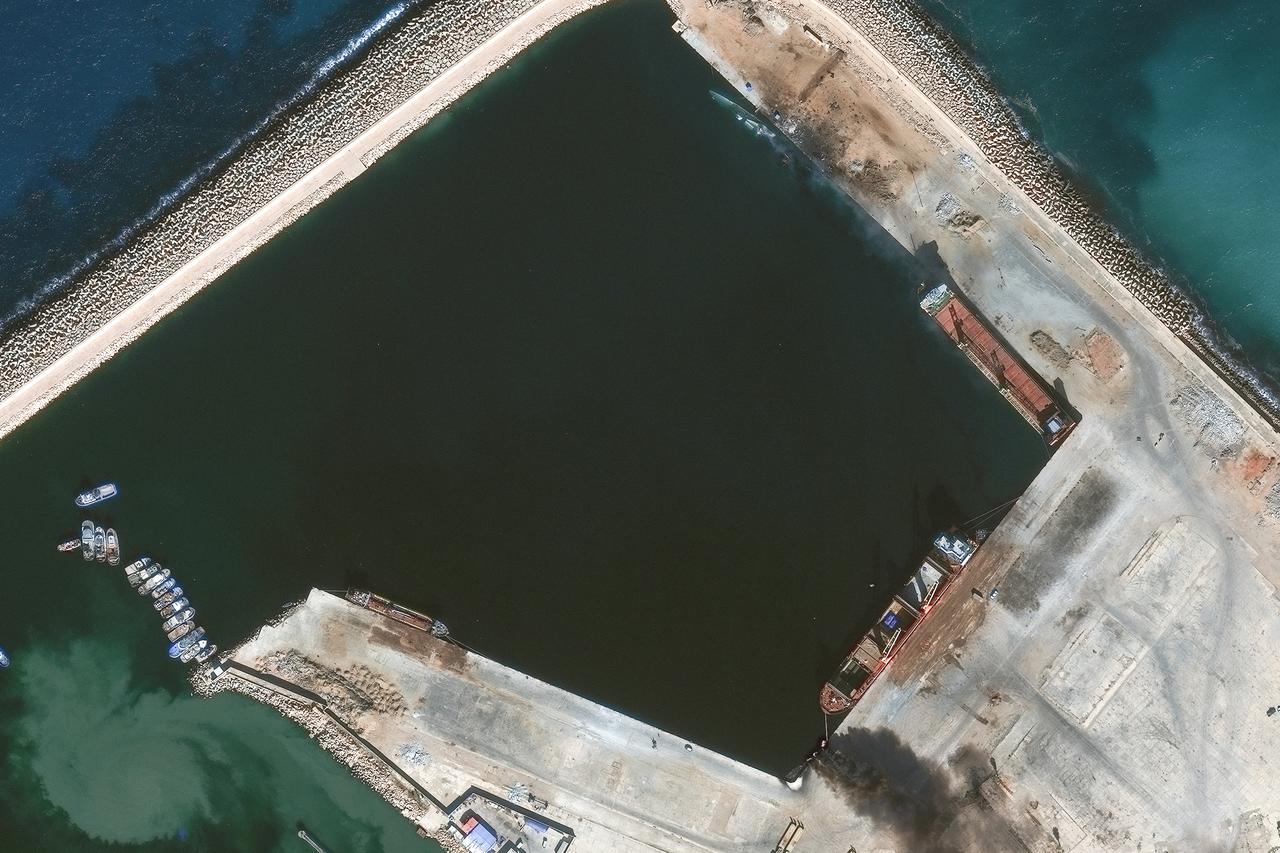
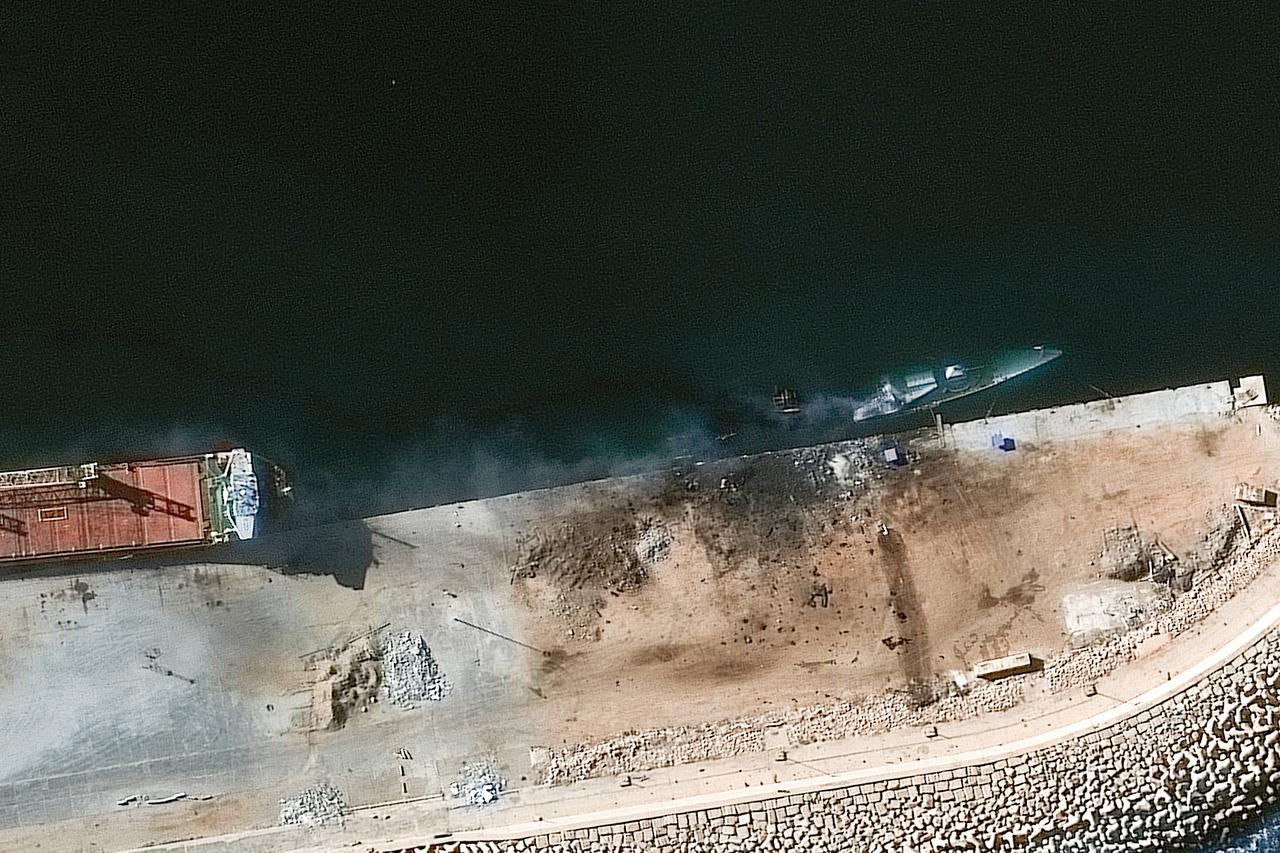
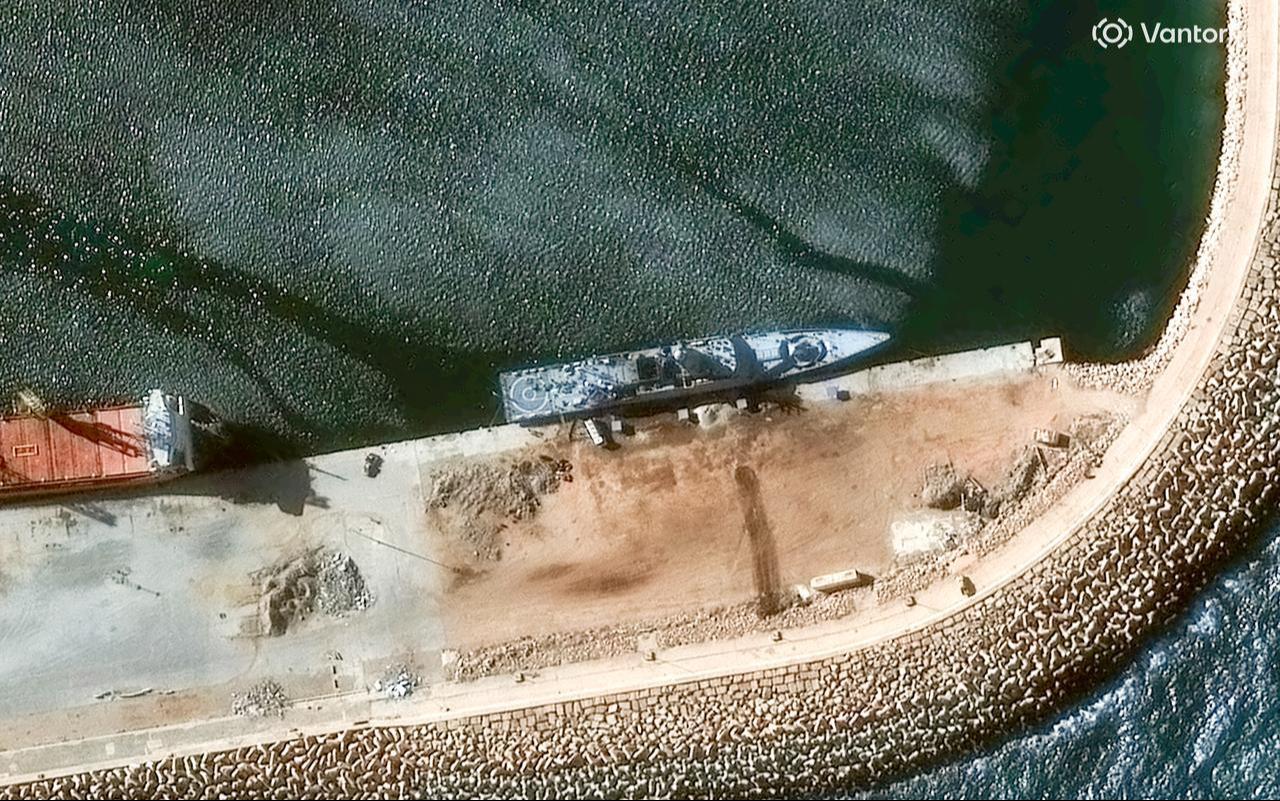
Satellite imagery provided by Vantor identified the targeted vessel as the Merkury, a Russian Navy corvette.
Images taken Sunday showed that most of the warship had capsized and sunk, leaving only its bow above water. Smoke and significant debris were also visible around the vessel.
The eastern-based government reported that an explosion and fire had broken out aboard the ship before the blaze was brought under control.
According to two Libyan military officials cited by the Associated Press, six Ukrainian sea drones targeted the vessel, with four intercepted and destroyed and two striking the warship.
The officials, who were affiliated with the eastern-based Libyan National Army, alleged that the drones had been launched from a base operated by Ukrainian forces in western Libya.
Ten Russians and Libyans sustained minor injuries and received medical treatment in Benghazi, according to medical sources cited by Reuters.
The eastern government said the Russian vessel had stopped at Benghazi to refuel and take on supplies while returning to Russia under a maritime cooperation agreement between the two countries.
The attacks also targeted a Maltese-flagged commercial vessel offshore from Benghazi. Two Libyan military sources told Reuters that a drone boat had struck the vessel, prompting Libyan naval forces to rescue its crew. Some crew members sustained minor injuries and were reported to be in stable condition.
Libyan naval and air forces also intercepted more than 20 drone boats off Benghazi on Sunday evening, the sources added. Separately, local broadcaster Almasar reported that Libyan forces had destroyed at least 12 other sea drones in the area.
No group had claimed responsibility for the attacks, and Russia and Ukraine had not issued immediate public responses.
Hammad's government asked the U.N. General Assembly and Security Council to investigate whether Ukrainian personnel or military facilities were operating in Libya and whether locations in the country's west had been used to prepare and launch explosive-laden drone boats.
The eastern-based government also called on investigators to identify those who had operated the drones and provided logistical support, regardless of their nationality or position.
It urged Ukraine to provide an official explanation of its military activities in Libya and warned that the country's ports, territory and territorial waters must not become staging grounds for foreign conflicts.

The government also reserved the right to pursue legal and diplomatic measures and seek compensation for the attacks. Meanwhile, it announced a joint investigation with Russia to establish the circumstances and source of the strike on the Merkury.
The U.N. Support Mission in Libya (UNSMIL) called Monday for an immediate, independent and transparent investigation into the attacks, offering to assist Libyan authorities in establishing the facts and holding those responsible accountable.
The mission urged all parties to exercise maximum restraint and avoid spreading unverified information or politicizing the incidents while investigations continued.
It also warned that escalating actions and rhetoric could deepen tensions inside Libya or draw the country into wider regional and international confrontations.
Libya's parliament separately rejected the use of the country's territory and territorial waters as a battleground for foreign conflicts.
“Libya is not a party to the Russia-Ukraine conflict,” the House of Representatives declared early Monday, urging foreign governments to respect the country's sovereignty and independence.
The parliament also renewed its call for a unified government, warning that continued political divisions could leave Libya vulnerable to external conflicts.
The government based in Tripoli, meanwhile, expressed concern about attempts to drag Libyan ports and civilian facilities into international confrontations.
Libya remains divided between two rival administrations, with Prime Minister Abdul Hamid Dbeibeh leading the government in Tripoli and Osama Hammad heading the rival administration based in Benghazi.
The country has remained politically fragmented since the 2011 uprising that toppled longtime leader Moammar Gadhafi, leaving competing authorities in control of different parts of its territory.
The latest attacks add another international dimension to the rivalry, with allegations of Ukrainian military activity in western Libya and close military cooperation between Russia and the eastern-based administration.


 Set as preferred source
 Set as preferred source


 1 min read
 1 min read