

 Newsletters




An American tourist, 29, died after being struck by lightning while hiking alone in an active area of Mount Etna in Sicily, Italian officials said.
The man was hit on Sunday evening as a severe thunderstorm moved across the volcano. He had been walking in the isolated Rocca Capra area, in the Valle del Bove—a large depression on Etna's eastern flank—at around 1,400 meters (4,600 feet) above sea level. Authorities said he may have entered an area closed to the public due to Etna's recent volcanic activity.
An emergency call was made shortly before 8:00 p.m. local time. A firefighter helicopter, identified as Drago 142, was dispatched to the scene, where rescuers attempted to resuscitate him before winching him aboard. He was flown to Cannizzaro Hospital in Catania, where he arrived in cardiac arrest.
Doctors continued resuscitation efforts, but he was pronounced dead at around 9:30 p.m. His body was transferred to the hospital morgue, and no family members had been traced as of the latest reports. Authorities have not released his identity.
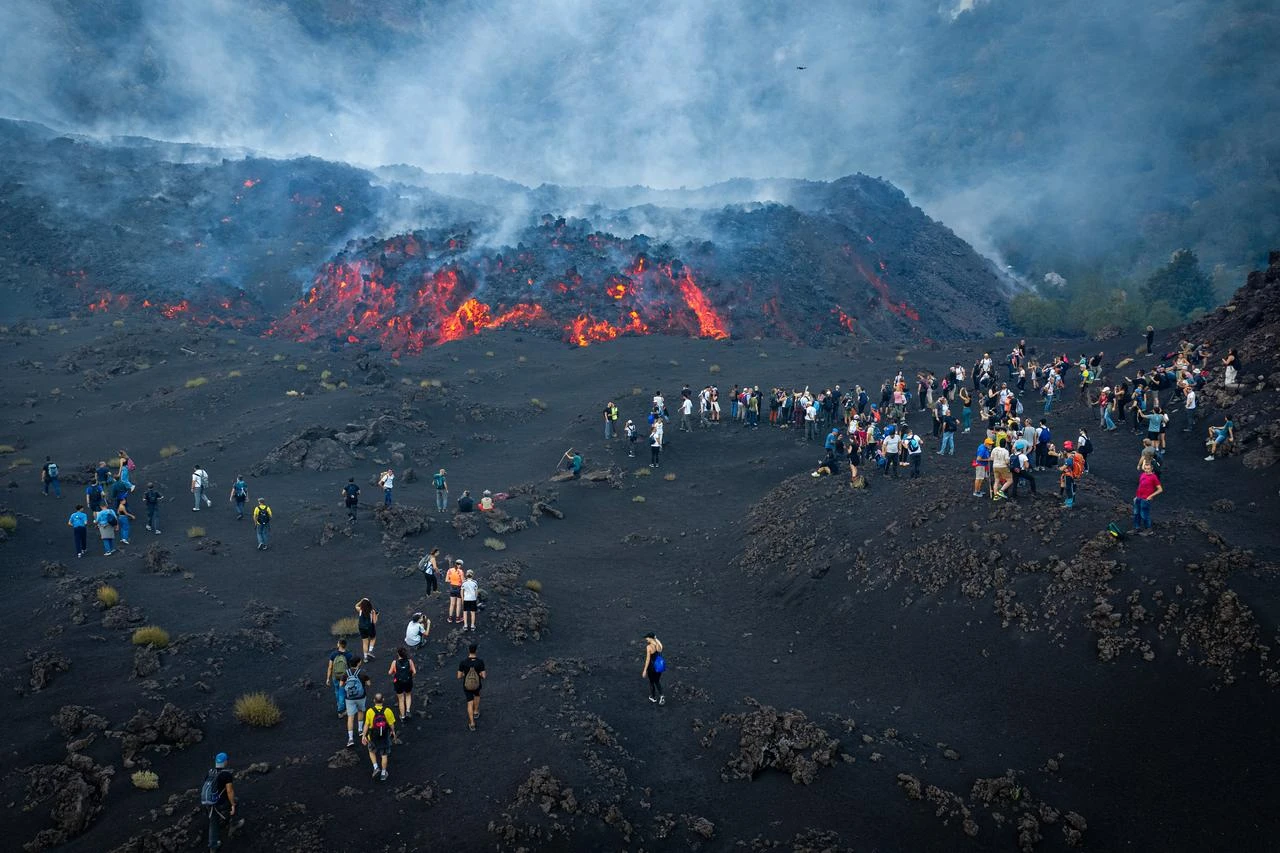

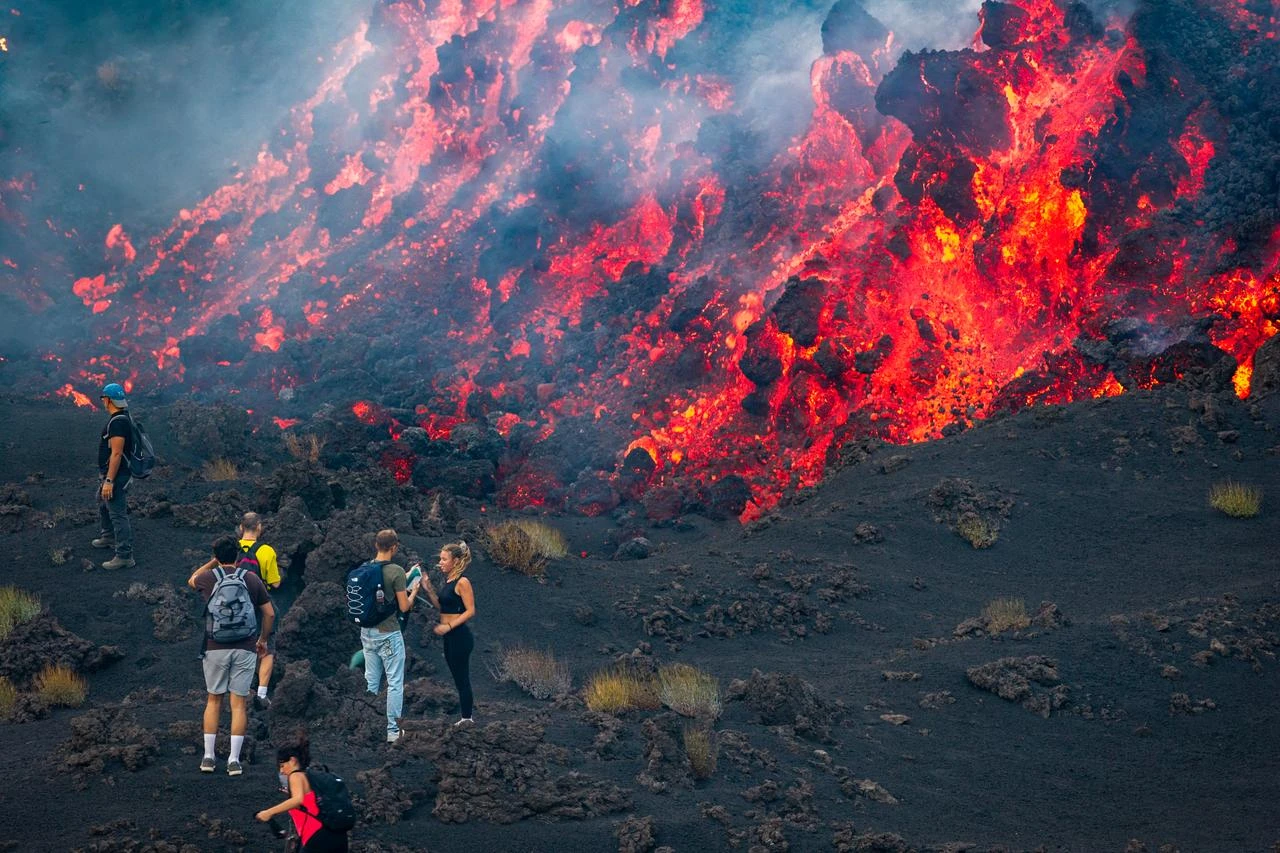
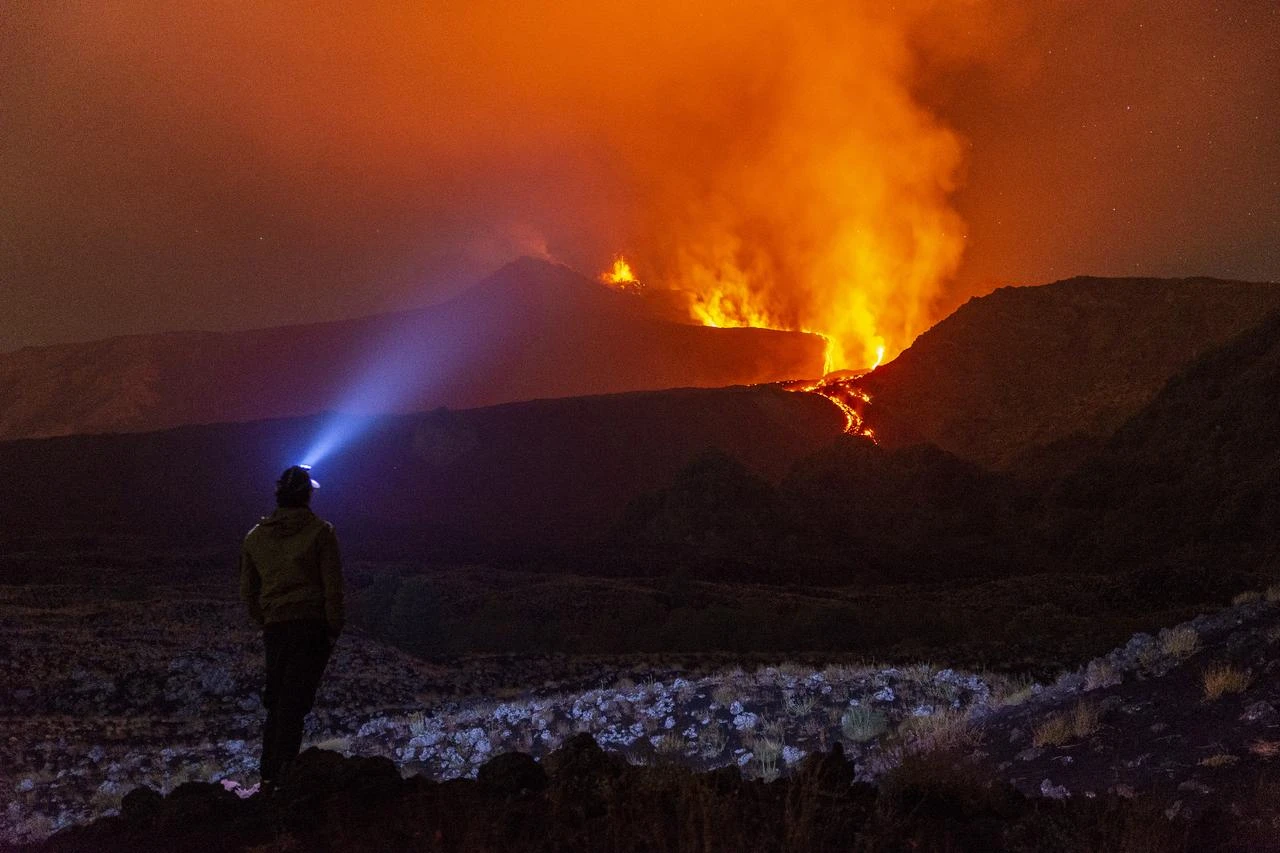
Mount Etna, Europe's tallest active volcano at 3,324 meters, sits on Sicily, an Italian island in the Mediterranean. It has shown heightened eruptive activity in recent days. According to Italy's National Institute of Geophysics and Volcanology (INGV), a new lava vent opened in the Valle del Bove after part of the Rittmann summit cone's eastern flank collapsed.
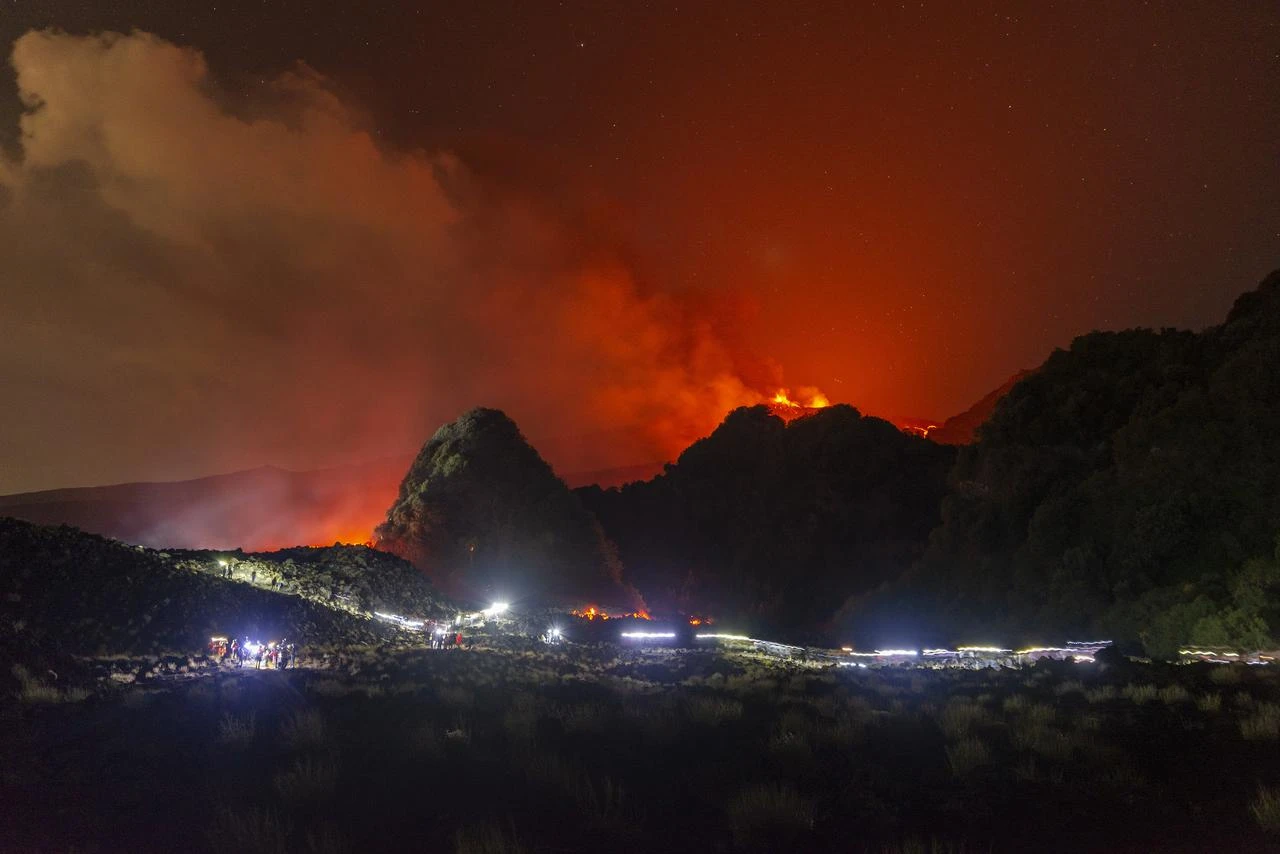
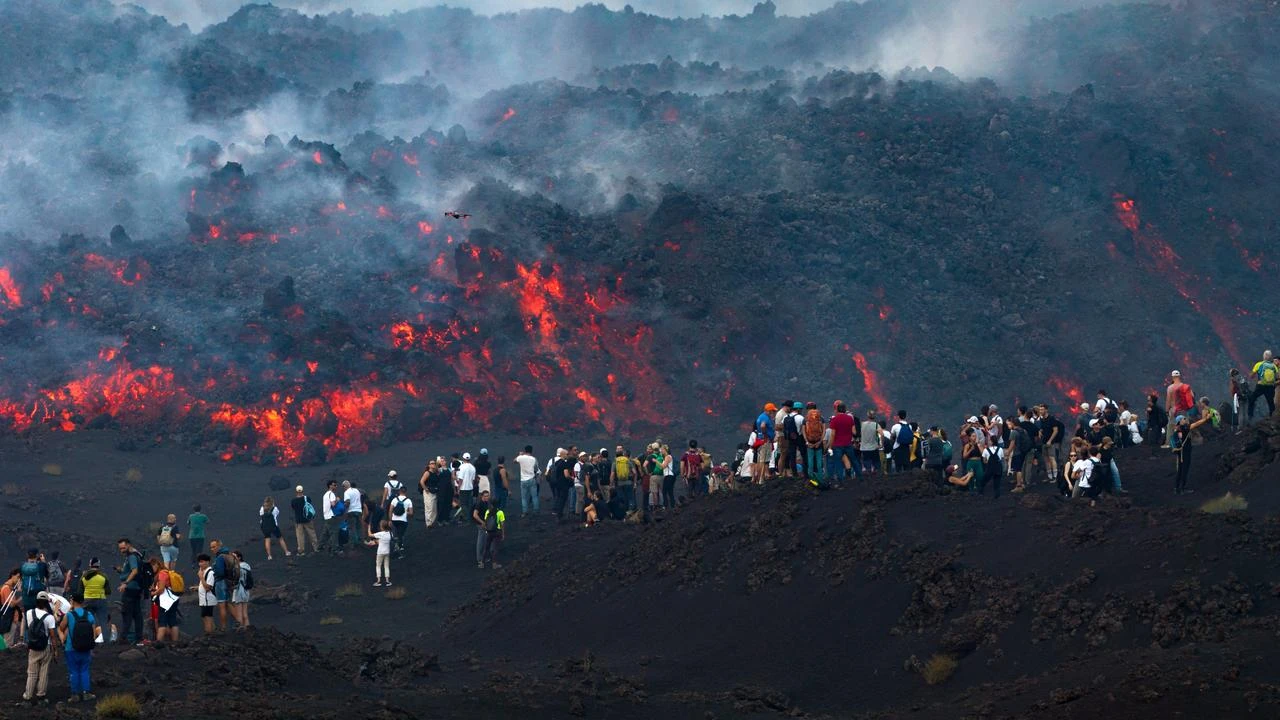
The vent, at around 2,350 meters, produced a lava flow of about 500 meters that has since cooled. A second vent near 1,900 meters remains active, with lava reaching about 1,600 meters. Explosive activity continues at Voragine, one of Etna's summit craters, with an ash plume rising to roughly 6,000 meters and drifting south-east. The INGV said volcanic tremors remain high, indicating the volcano is still active.
The eruption has drawn more visitors seeking views and photographs of the lava fountains and smoke, even as authorities warn of the risks. Italy's civil protection agency has cautioned that volcanic activity, combined with sudden weather changes, can create a particularly hazardous situation for those venturing near the summit.
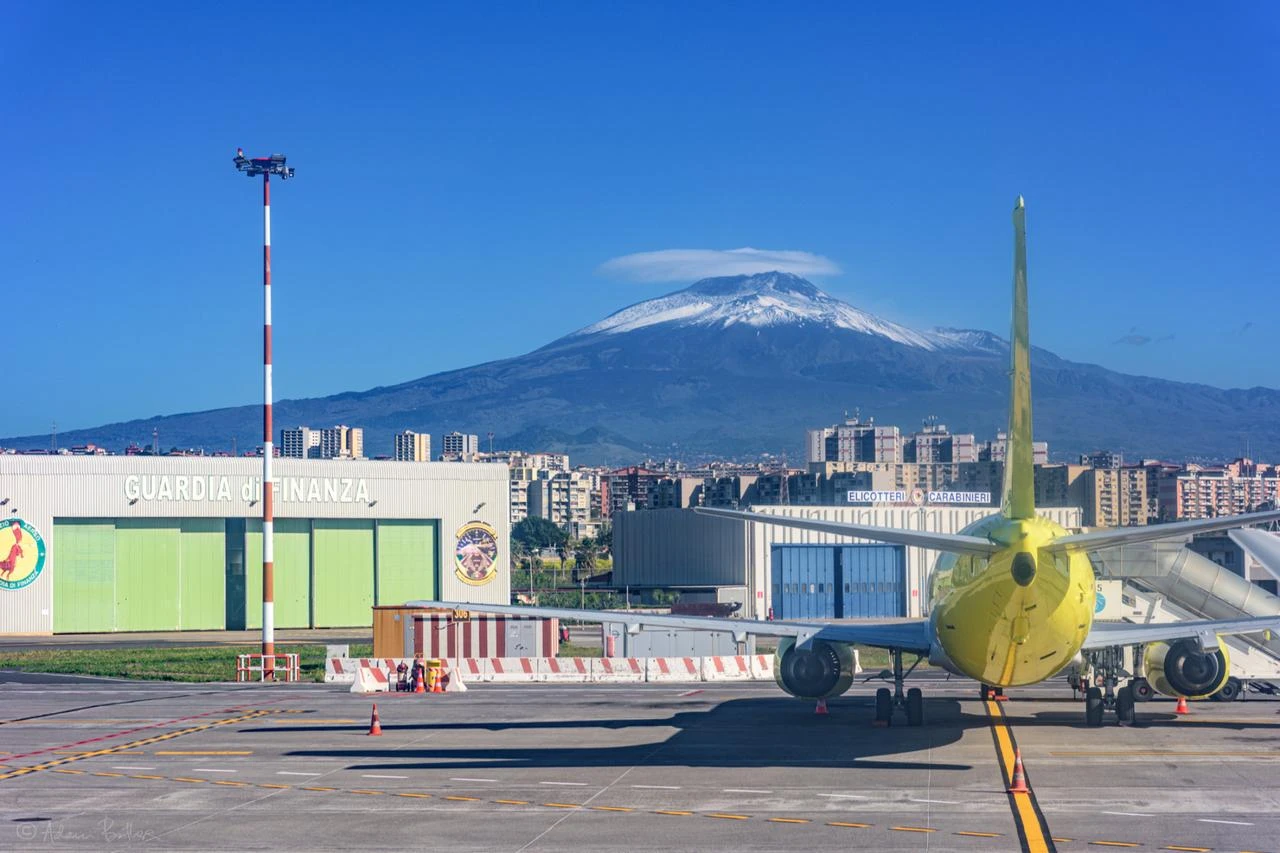
The eruption has also disrupted flights at nearby Catania-Fontanarossa Airport, where authorities have restricted arrivals to no more than 10 per hour until Tuesday at noon due to ash in the air, though departures remain unaffected for now.
The tourist's death coincided with that of a 42-year-old man on Piz Starlex in South Tyrol, in northern Italy, who also appears to have been struck by lightning while descending the peak. His body was found by a drone at around 2,600 meters late Sunday evening.
Mountain rescue officials describe thunderstorms as among the most serious hazards facing hikers, warning that ridges, peaks and rocky, exposed terrain carry the highest risk. Hikers are advised to leave high ground and seek shelter immediately if they see lightning or hear thunder.
Officials noted that more people have died from lightning strikes on Etna in recent decades than from volcanic activity, with the last eruption-related deaths recorded in 1987.
August is typically the busiest month for mountain rescue operations in Italy, officials said.


 Set as preferred source
 Set as preferred source


 1 min read
 1 min read


