Newsletters


Volcanic ash from Mount Etna forced the suspension of several arriving flights at Sicily's main airport on Monday, Aug. 10, as ongoing eruptions continued to disrupt air traffic.
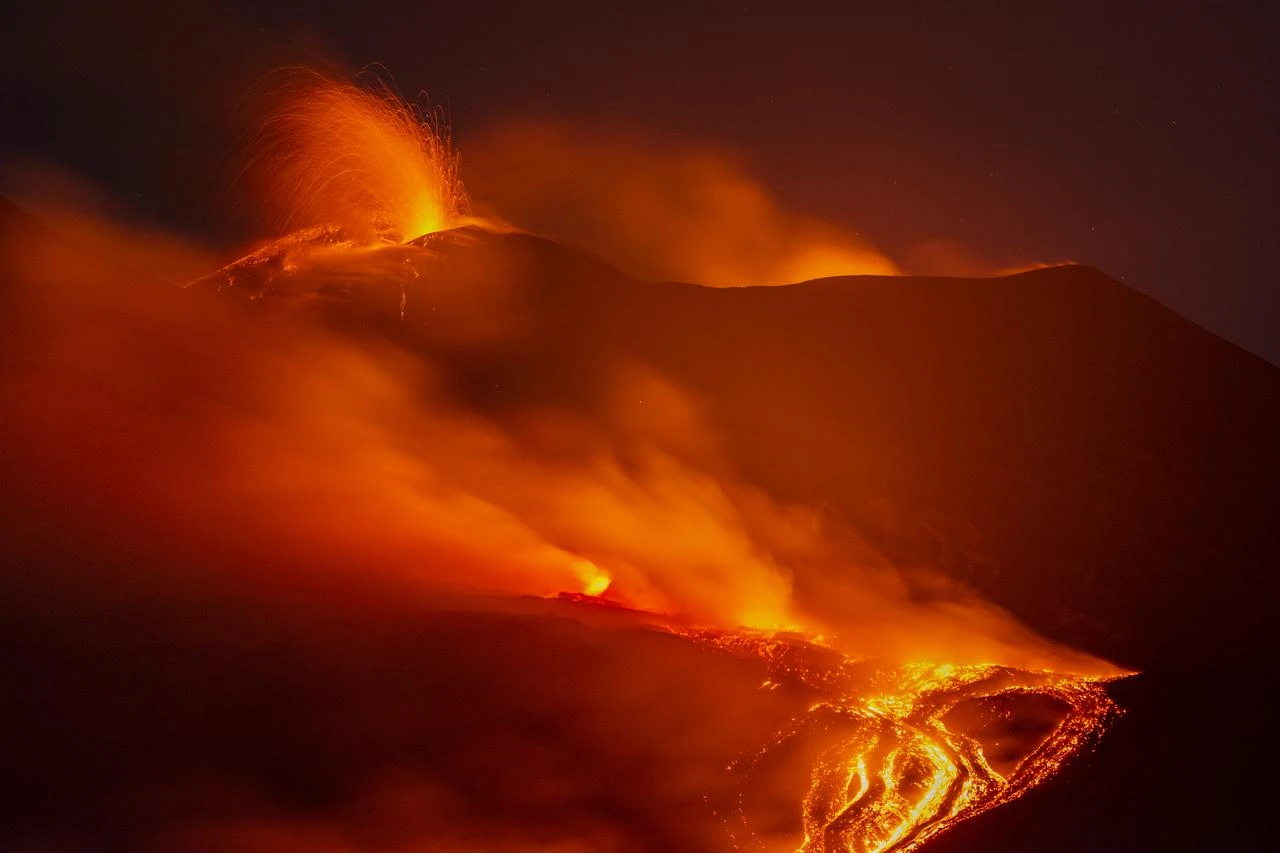
Monitoring authorities reported that the eruptive phase remained active at Etna's Voragine summit crater, where explosive activity has been fluctuating in intensity.
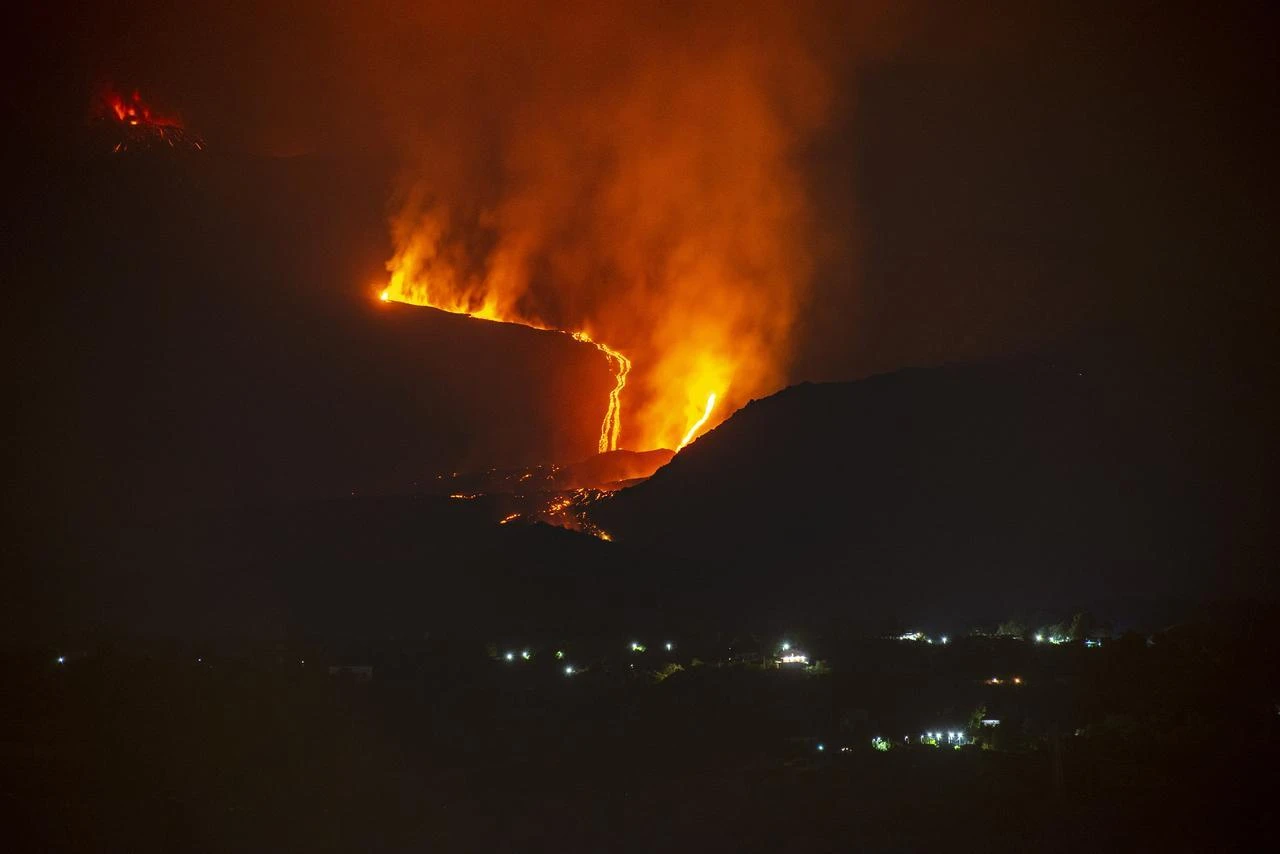

A dense volcanic ash cloud drifting toward the south-southeast prompted authorities to keep the aviation alert level at red, indicating significant volcanic activity that could affect aircraft operations.
The continuing presence of airborne volcanic material led officials at Catania International Airport to temporarily halt some inbound flights, while the southwestern sector of the surrounding airspace was also closed.
Environmental and geophysics observatories said the unrest around the summit had included the ejection of volcanic bombs, which are fragments of molten or partly molten rock thrown out during an eruption, along with heavy ash plumes rising from the volcano.
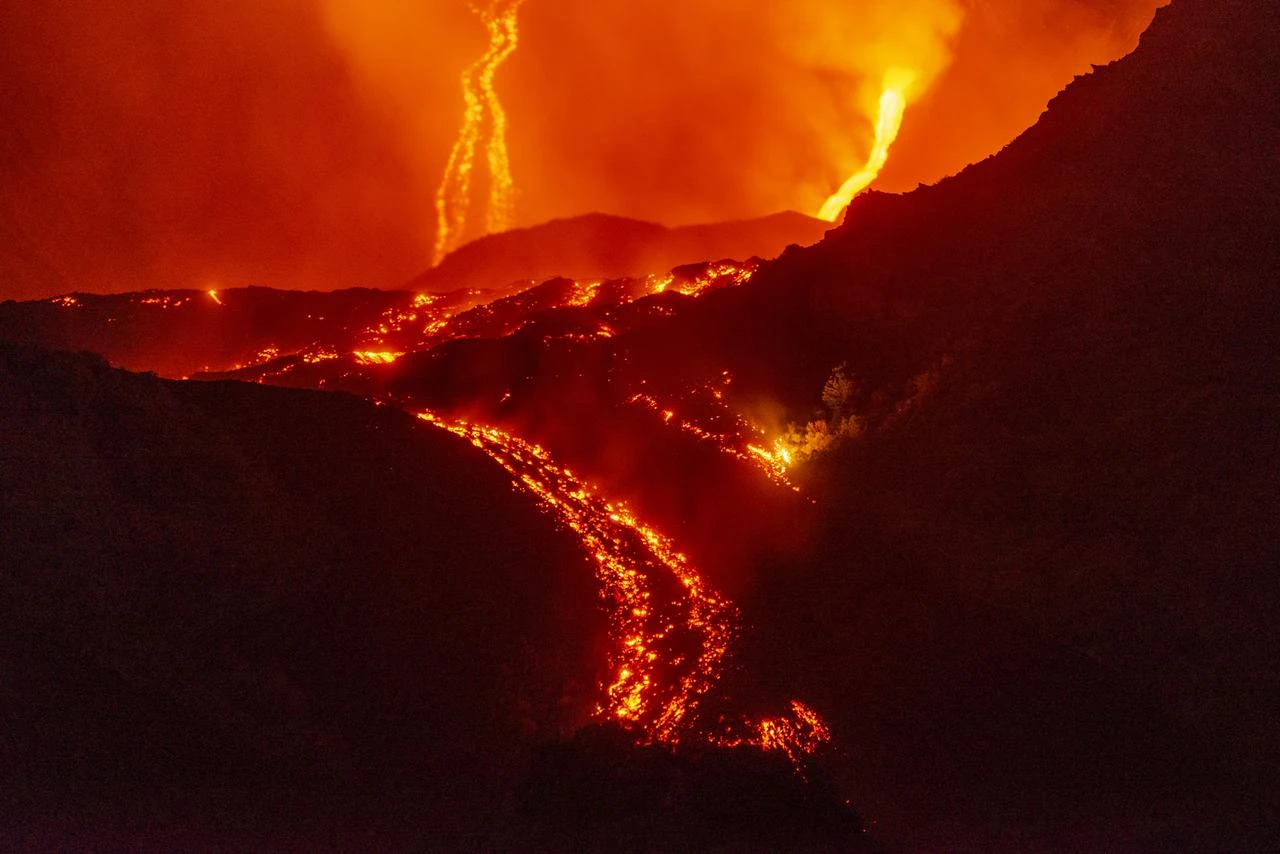
Activity has also continued below the summit, where fissures at elevations of about 2,750 meters (over 9,022 feet) and 2,360 meters are still releasing magma.
The lava has formed complex and overlapping streams, although the active flows currently remain contained between elevations of approximately 2,100 and 1,850 meters.
The combination of explosive summit activity, airborne ash and continuing lava output has kept aviation restrictions in place around Catania as Mount Etna's eruptive phase continues.


 Set as preferred source
 Set as preferred source


 1 min read

 1 min read